In 1867, New Zealand introduced brown trout for sport fishing; more than 60 million were released by 1921, and the invader later caused local extinctions and fragmented native fish populations
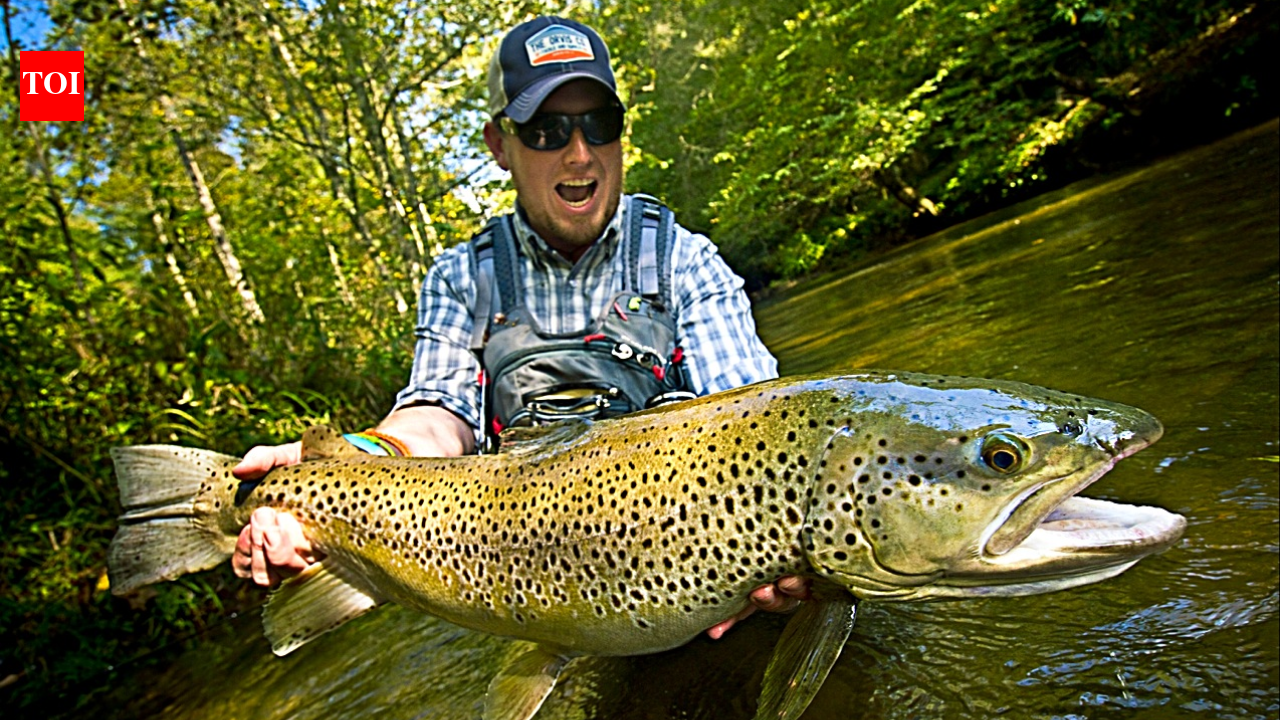
In 1867, New Zealand introduced brown trout for sport fishing; more than 60 million were released by 1921, and the invader later caused local extinctions and fragmented native fish populations

New Zealand introduced brown trout for sport fishing When British settlers packed thousands of brown trout ova onto ships bound for the Antipodes in 1867, they hoped to recreate the sport fishing they knew from Europe. Over the next five decades, acclimatisation societies bred and released more than 60 million brown trout into waterways across … Read more

In 2021, Alabama students began placing discarded Christmas trees along Gulf Coast dunes to trap sand; each year about 200 students now add roughly 3,000 native plants around them

In 2021, Alabama students began placing discarded Christmas trees along Gulf Coast dunes to trap sand; each year about 200 students now add roughly 3,000 native plants around them

Discarded Christmas trees Discarded holiday trees collected from living rooms across Alabama are finding a second life along the Gulf of Mexico, forming the foundation of a student-led coastal restoration campaign. Discarded Christmas trees collected from homes across Alabama are getting a second life along the Gulf of Mexico, helping form the base of a … Read more

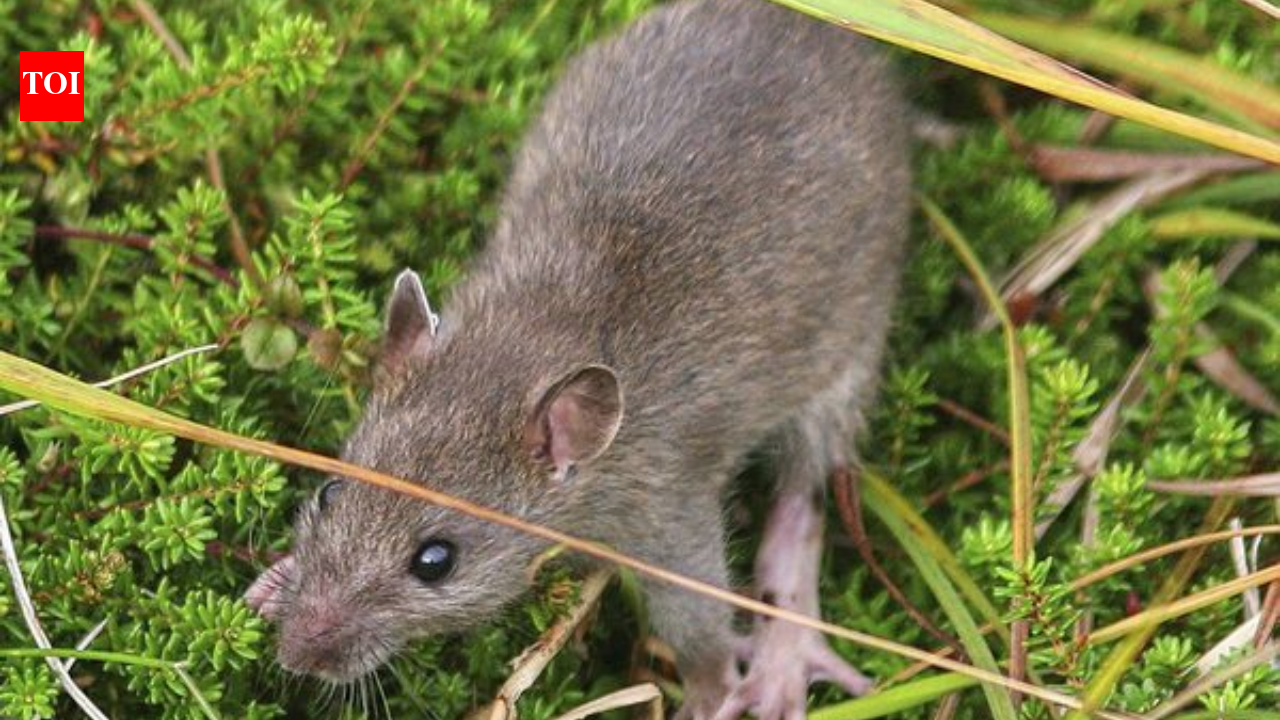
Alaska eradicated rats from a 6,869-acre Aleutian island more than two centuries after they arrived in a shipwreck; within two years some native bird populations had increased 200% or more and missing seabirds began returning

Alaska eradicated rats from a 6,869-acre Aleutian island more than two centuries after they arrived in a shipwreck; within two years some native bird populations had increased 200% or more and missing seabirds began returning

Alaska eradicated rats from a 6,869-acre Aleutian island More than two centuries after a shipwreck brought non-native rats to a remote Alaskan island, removing the invasive rodents has led to a rapid recovery of wildlife across the 6,869-acre island in the Aleutian archipelago. According to monitoring reports and press releases from the United States Fish … Read more

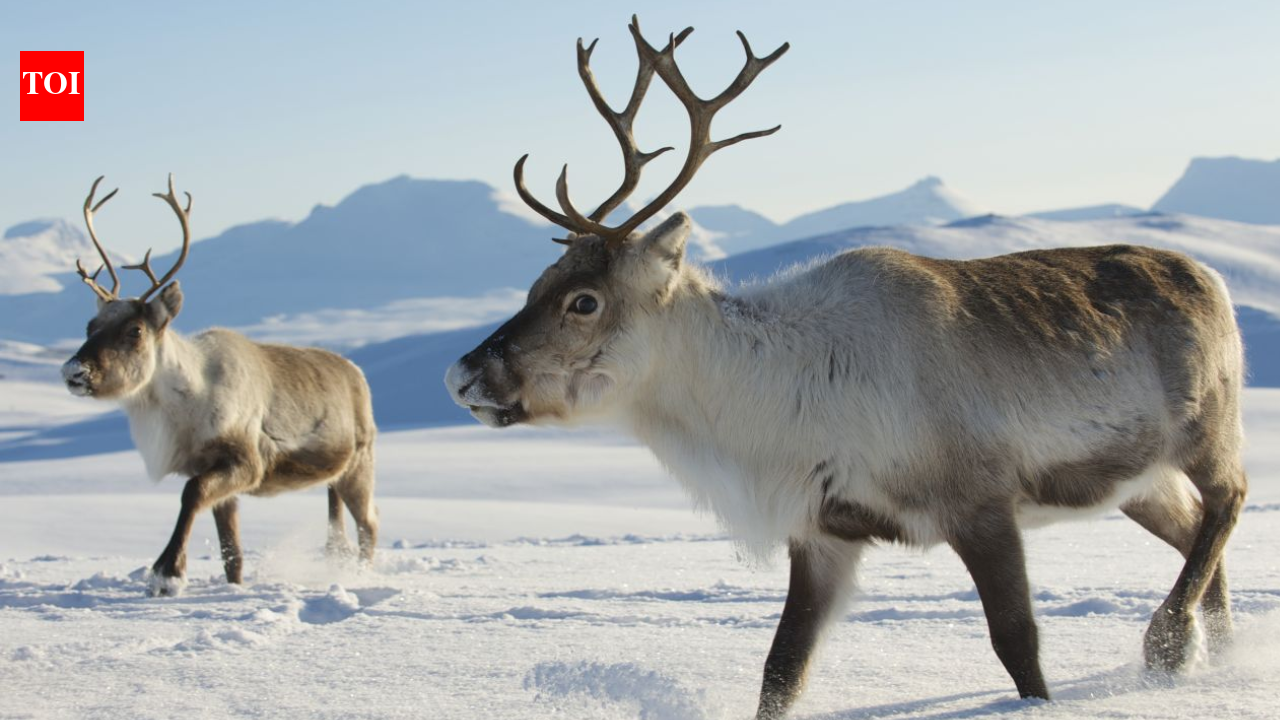
In 1911, Norwegian whalers released 10 reindeer on South Georgia for food and hunting; a century later nearly 7,000 were removed after the herds damaged native vegetation

In 1911, Norwegian whalers released 10 reindeer on South Georgia for food and hunting; a century later nearly 7,000 were removed after the herds damaged native vegetation

In 1911, Norwegian whalers released 10 reindeer on South Georgia for food and hunting When Norwegian whalers brought ten reindeer to the sub-Antarctic island of South Georgia in 1911, the plan was simple: provide a steady supply of fresh meat and give workers a reminder of home. A century later, that small livestock release had … Read more

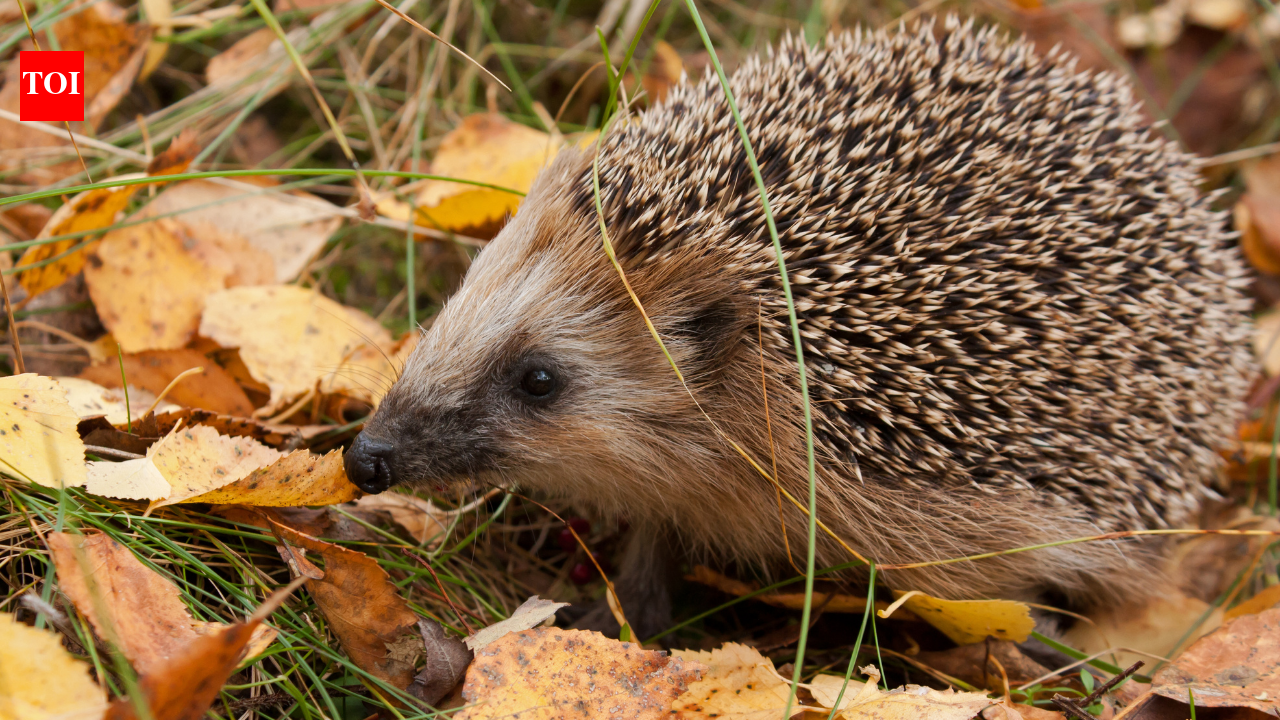
In 1885, New Zealand released European hedgehogs as garden pest killers; 140 years later, DOC calls them a major threat to native wildlife and one can empty an endangered tern colony of nesting birds

In 1885, New Zealand released European hedgehogs as garden pest killers; 140 years later, DOC calls them a major threat to native wildlife and one can empty an endangered tern colony of nesting birds

European hedgehog (Image Credit: Canva) What was once seen as a useful garden helper in New Zealand has become an unexpected threat to some of the country’s most vulnerable wildlife. European hedgehogs were deliberately introduced to New Zealand in the 19th century, with acclimatisation societies releasing them in the hope that they would help control … Read more

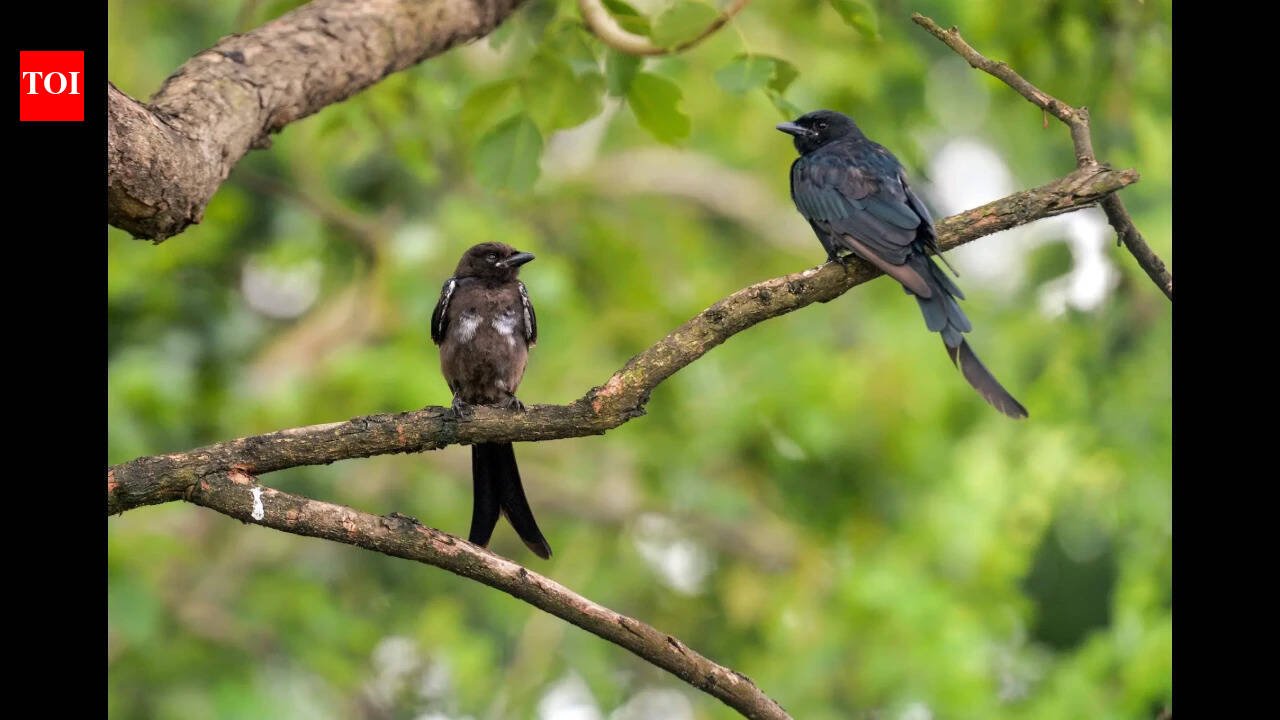
In 1935, black drongos were introduced on Rota to control crop pests; decades later the aggressive birds spread to Guam and became a threat to native birds

In 1935, black drongos were introduced on Rota to control crop pests; decades later the aggressive birds spread to Guam and became a threat to native birds

A juvenile and an adult Black Drongo perch on a tree branch (ANI Photo) In 1935, the Japanese South Seas Development Company made a decision that would have repercussions for Mariana Islands’ ecosystems for nearly 100 years. In search of a natural method for controlling agricultural pests, they imported black drongos (Dicrurus macrocercus) from Taiwan … Read more

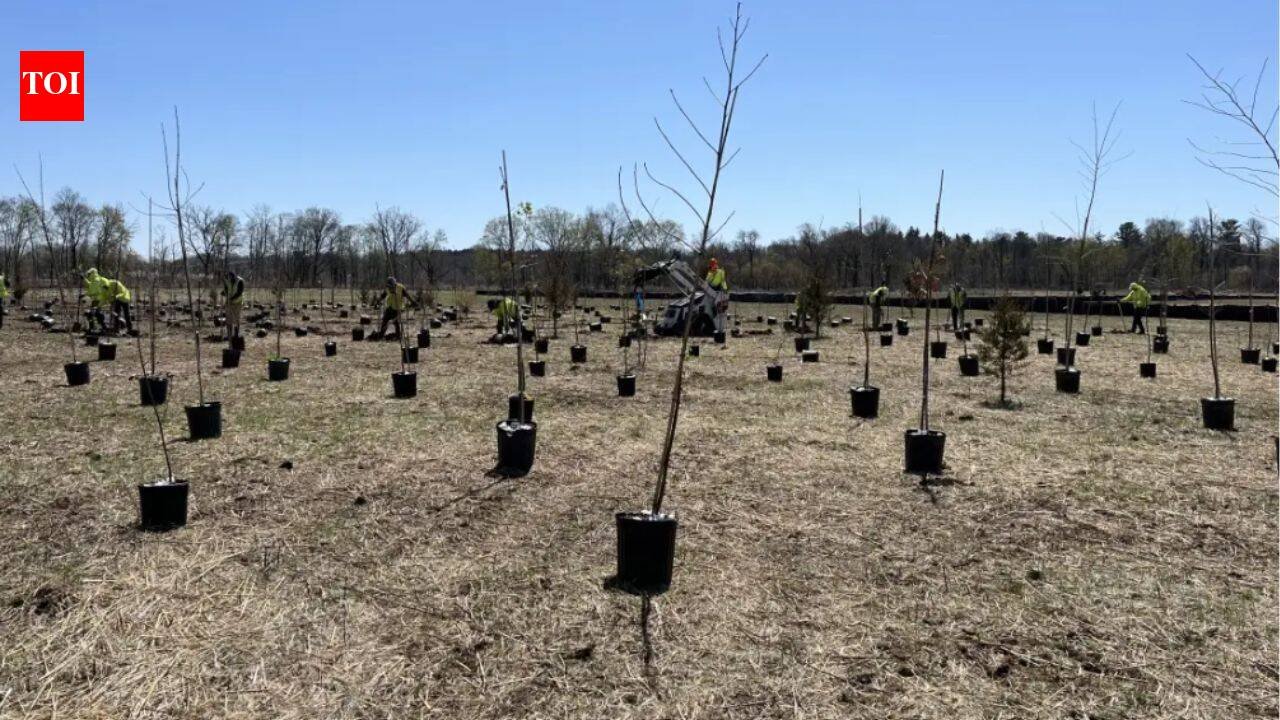
A 112-acre New Jersey restoration project is planting about 50,000 native trees and shrubs, creating vernal pools and rebuilding Raritan River floodplain habitat

A 112-acre New Jersey restoration project is planting about 50,000 native trees and shrubs, creating vernal pools and rebuilding Raritan River floodplain habitat

Trees laid out at the site for planting (FWS photos) A 112-acre restoration project has begun along the Raritan River in New Jersey, with the aim of bringing back forest and wetland habitat that was affected by contamination linked to the American Cyanamid Superfund Site. The project is being carried out under a settlement related … Read more

Britain is dropping 20 concrete reef cubes and 44 tons of scallop shells into the sea in the hope to bring back its native oysters who have reduced by 95% since 1800s

Britain is dropping 20 concrete reef cubes and 44 tons of scallop shells into the sea in the hope to bring back its native oysters who have reduced by 95% since 1800s

While one might assume that lowering huge white blocks of concrete into the sea was an attempt at dumping construction waste offshore, in Britain’s North Sea it is a conservation effort. The country is dumping 20 carefully designed structures into the deep waters to restore the population of the European native oyster, Ostrea edulis, along … Read more

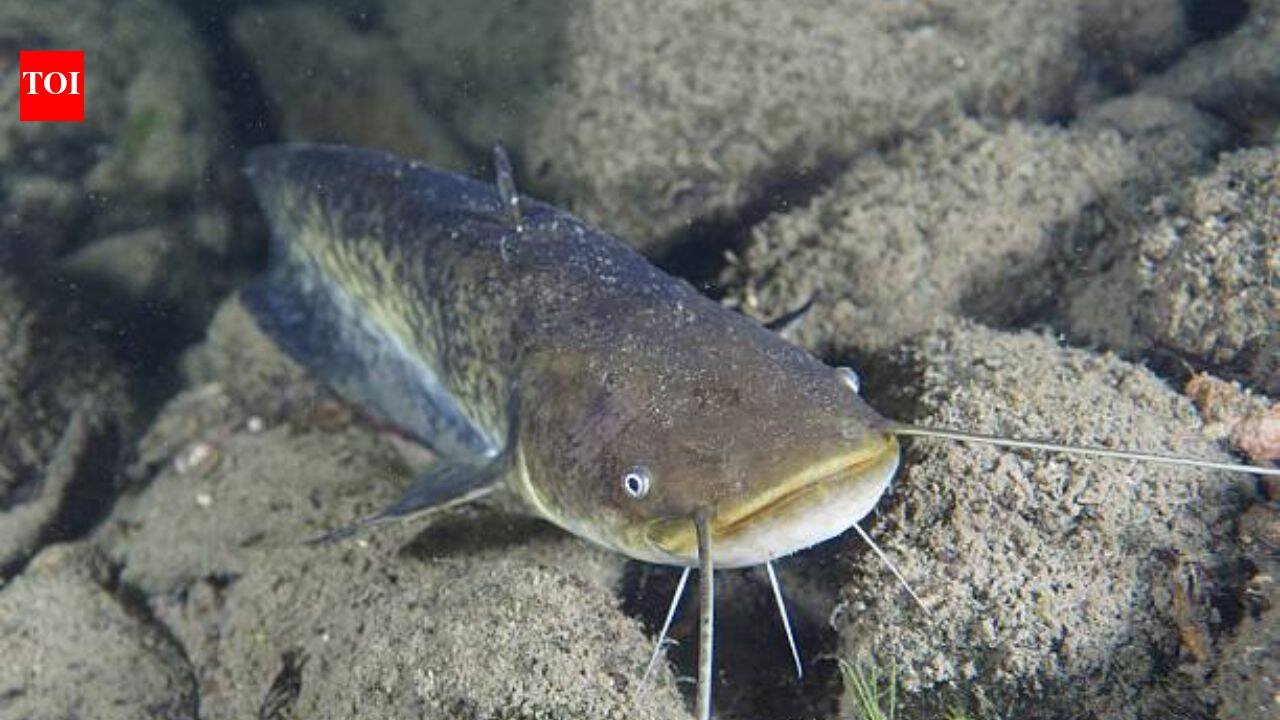
In 1974, a German fisherman released thousands of baby catfish into a Spanish river; 50 years later they are threatening native wildlife as an ‘ecological time bomb’

In 1974, a German fisherman released thousands of baby catfish into a Spanish river; 50 years later they are threatening native wildlife as an 'ecological time bomb'

German biologist and recreational fisherman Roland Lorkowsky released thousands of juvenile Wels catfish into Spain’s Ebro River in 1974. His goal was simple and positive: to create a world-class sport fishery by introducing one of Europe’s biggest freshwater fish. But today, the Wels catfish has become one of the dominant predators in many Spanish waterways. … Read more