In 1910, Oregon planted European beachgrass to stabilize shifting dunes; it spread along the coast, reshaped the landscape and squeezed open sandy habitat used by native wildlife
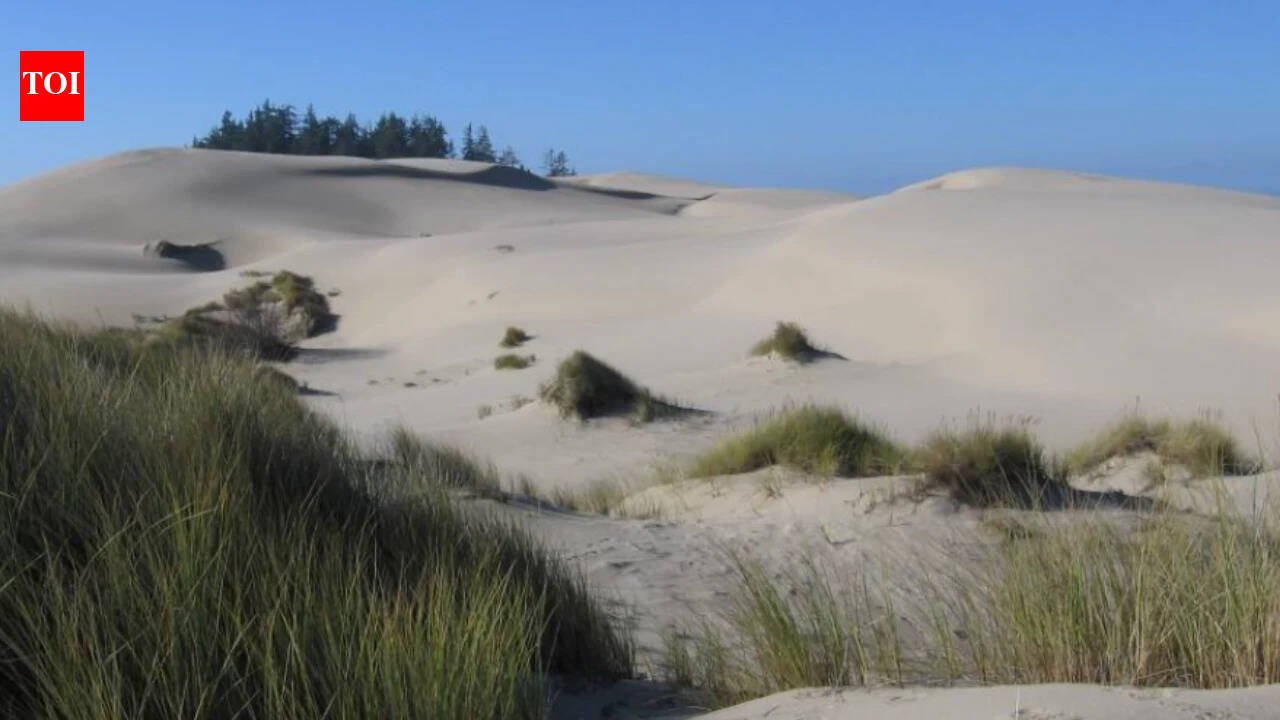
In 1910, Oregon planted European beachgrass to stabilize shifting dunes; it spread along the coast, reshaped the landscape and squeezed open sandy habitat used by native wildlife

European beachgrass (Ammophila arenaria) is now well established in the Oregon dunes In 1910, Oregon introduced European beachgrass near Coos Bay to stabilise its shifting dunes. The plant trapped moving sand and helped hold the dunes in place as it was meant to. But as the beachgrass spread, it changed the coastal landscape and reduced … Read more
In 1957, a South American moth was released in the Caribbean to control prickly pear; by 1989 it had reached Florida and was attacking native and endangered cacti

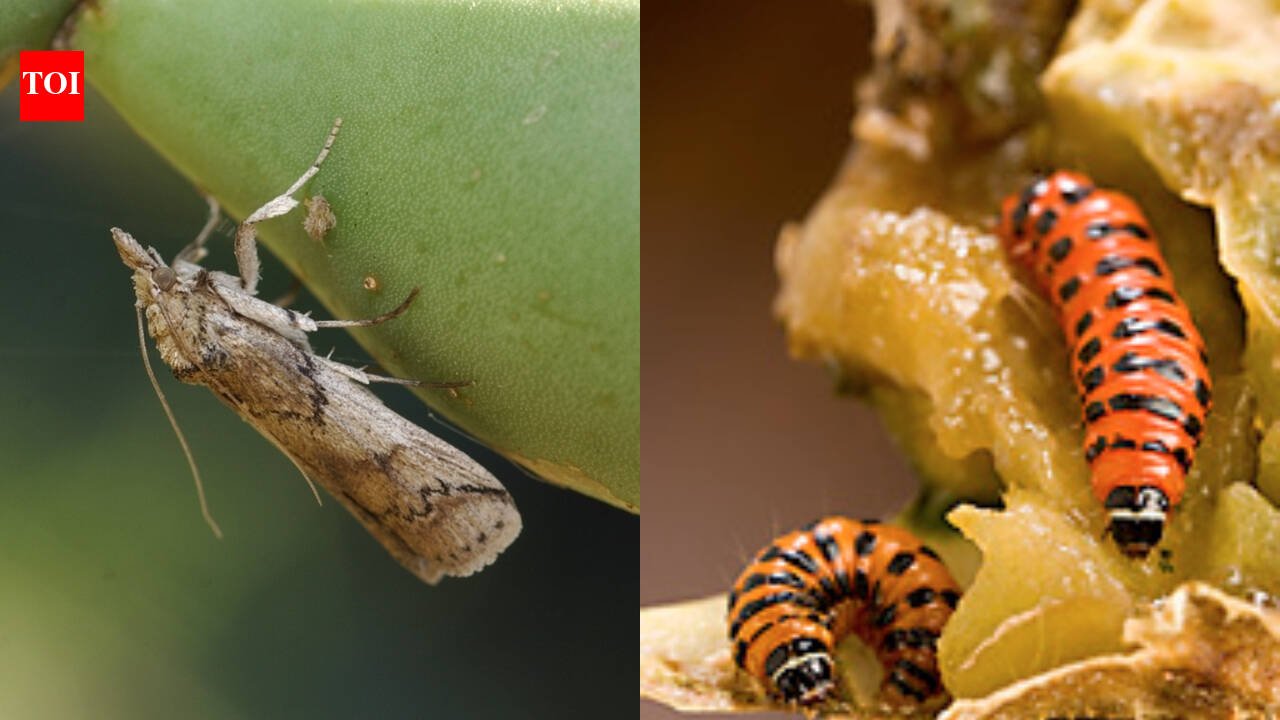
In 1957, a South American moth was released in the Caribbean to control prickly pear; by 1989 it had reached Florida and was attacking native and endangered cacti

According to scientists, the South American cactus moth primarily attacks Opuntia species, commonly known as prickly pear cactus. It can also occasionally affect Nopalea, Cylindropuntia and Consolea species. A pest once deliberately moved around the world to solve an agricultural problem has become a problem of its own. According to a report by the USDA’s … Read more

Ann Hammond spent years restoring her 12-acre Iowa property with native habitat; years later, a federally endangered bumblebee appeared among her flowers

Ann Hammond spent years restoring her 12-acre Iowa property with native habitat; years later, a federally endangered bumblebee appeared among her flowers

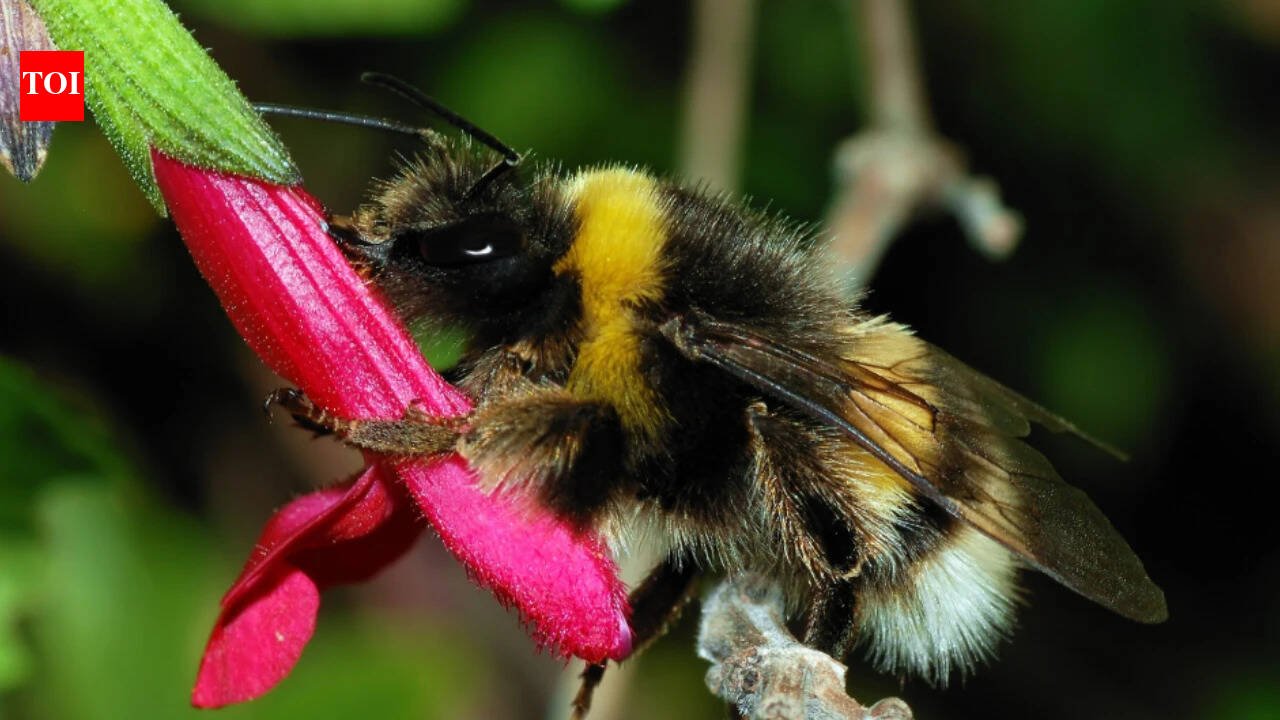
Representative image Image credits: Wikimedia Commons For years, Ann Hammond worked to transform her 12-acre Iowa property into a welcoming place for native plants and wildlife. The effort eventually brought an extraordinary visitor to her flowers: a rusty patched bumblebee, a species listed as federally endangered in the United States. As reported by Iowa Public … Read more

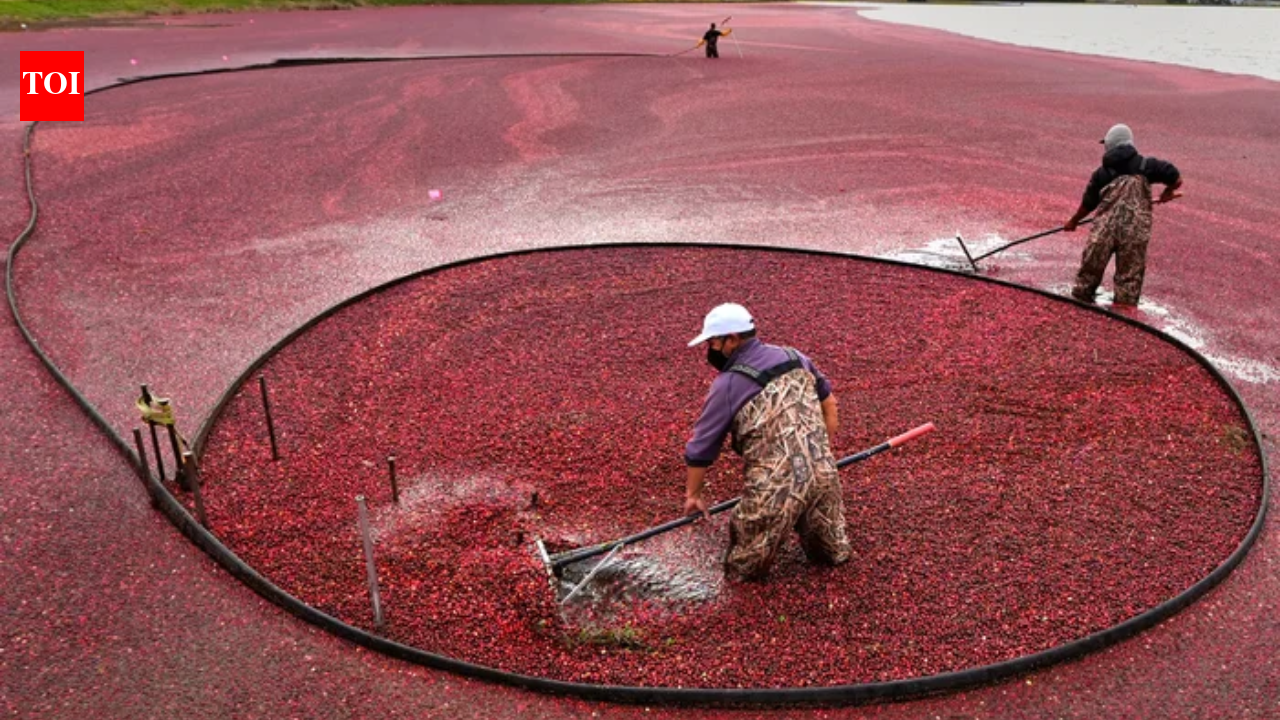
In 2018, Massachusetts removed the first of two old dams from former cranberry bogs; by 2020, 56 acres of wetlands had been rebuilt and 200+ native plant species had

In 2018, Massachusetts removed the first of two old dams from former cranberry bogs; by 2020, 56 acres of wetlands had been rebuilt and 200+ native plant species had

The removal of three old dams along Massachusetts’ Coonamessett River has turned former industrial farmland into a thriving coastal ecosystem, restoring fish passage and creating 56 acres of natural wetlands. According to feature reports from NOAA Fisheries, the town of Falmouth on Cape Cod worked with state and federal agencies to remove the historic barriers, … Read more

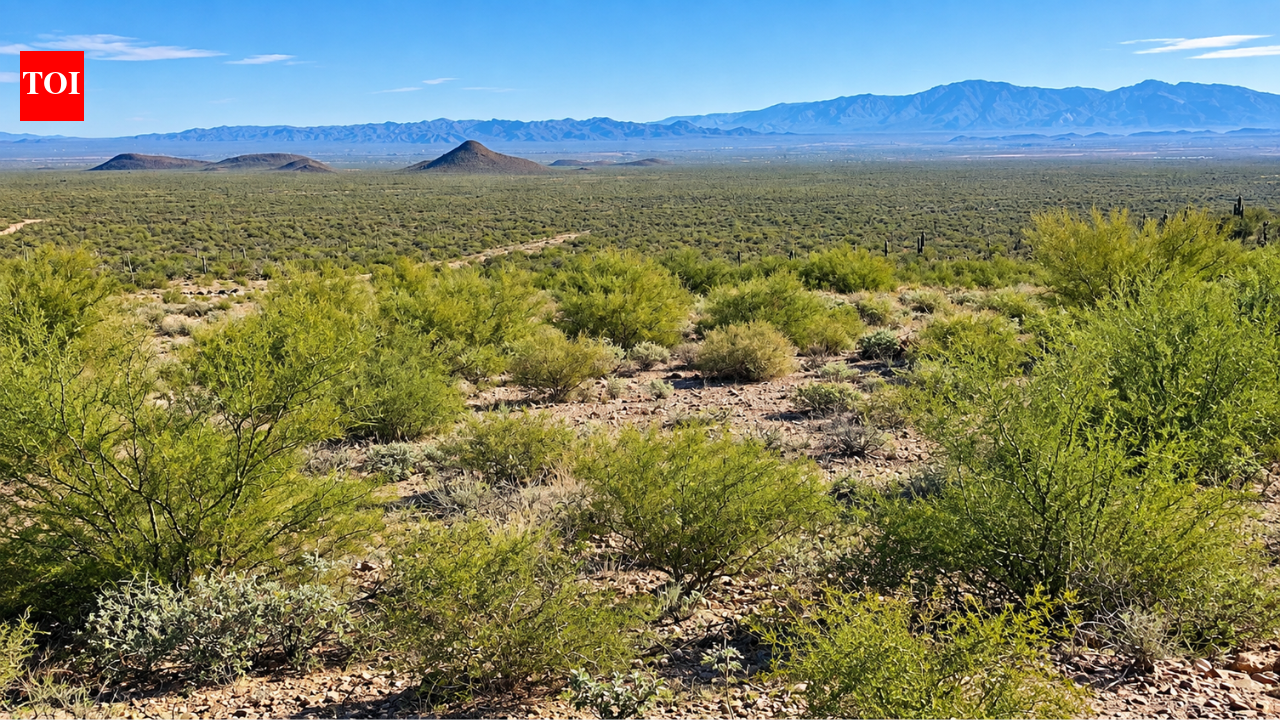
Volunteers spent 16 years restoring a damaged Arizona desert; 133 native plant species now thrive where invasive grass once ruled

Volunteers spent 16 years restoring a damaged Arizona desert; 133 native plant species now thrive where invasive grass once ruled

An 18-acre stretch of Arizona desert that was once heavily disturbed and overrun by invasive buffelgrass has been transformed through 16 years of sustained restoration work by volunteers and conservation partners. The Waterman Restoration Project, located on Bureau of Land Management land within Ironwood Forest National Monument near Marana, began in 2010 after earlier attempts … Read more

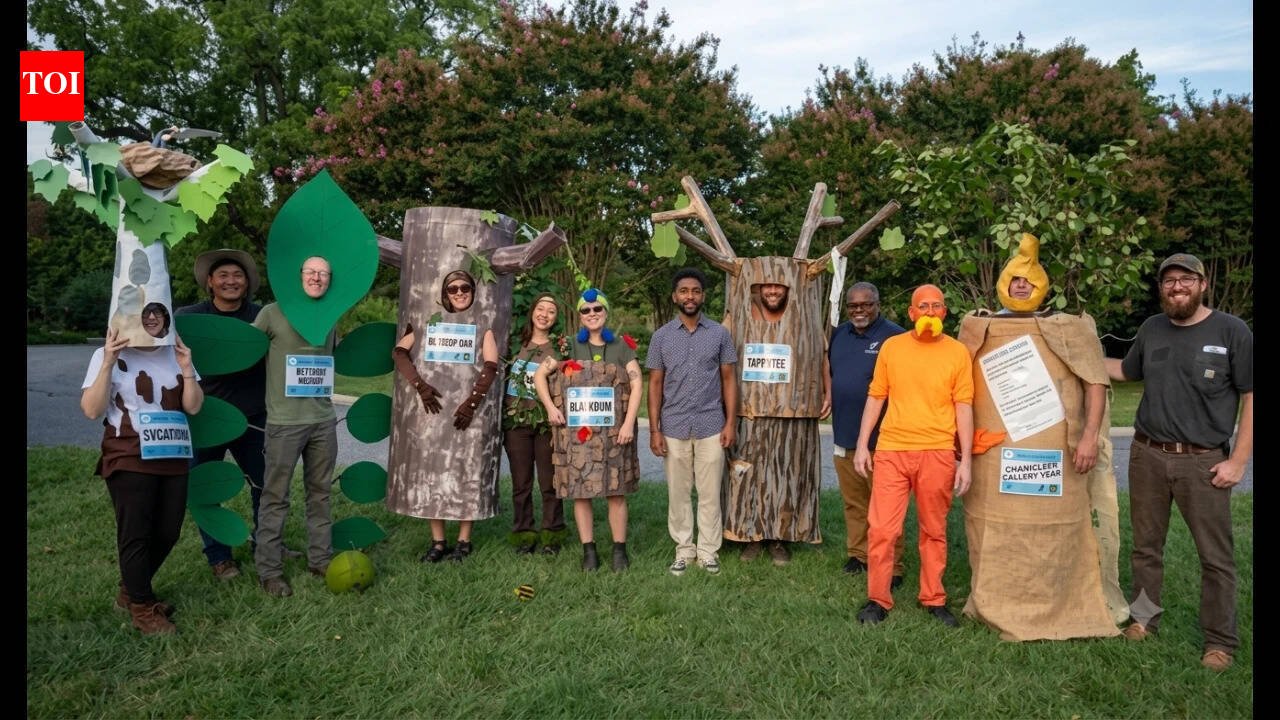
Baltimore kept an invasive pear as its official tree for 52 years; after Maryland banned its sale, six costumed native trees raced to reveal its replacement, the tulip poplar

Baltimore kept an invasive pear as its official tree for 52 years; after Maryland banned its sale, six costumed native trees raced to reveal its replacement, the tulip poplar

The six finalists were the tulip poplar, American sycamore, blackgum, bald cypress, bitternut hickory and overcup oak. (wbaltv photo) For 52 years, Baltimore had the Chanticleer pear, also known as the callery pear, as its official city tree. That changed last month after the city selected the tulip poplar as its new official tree, replacing … Read more

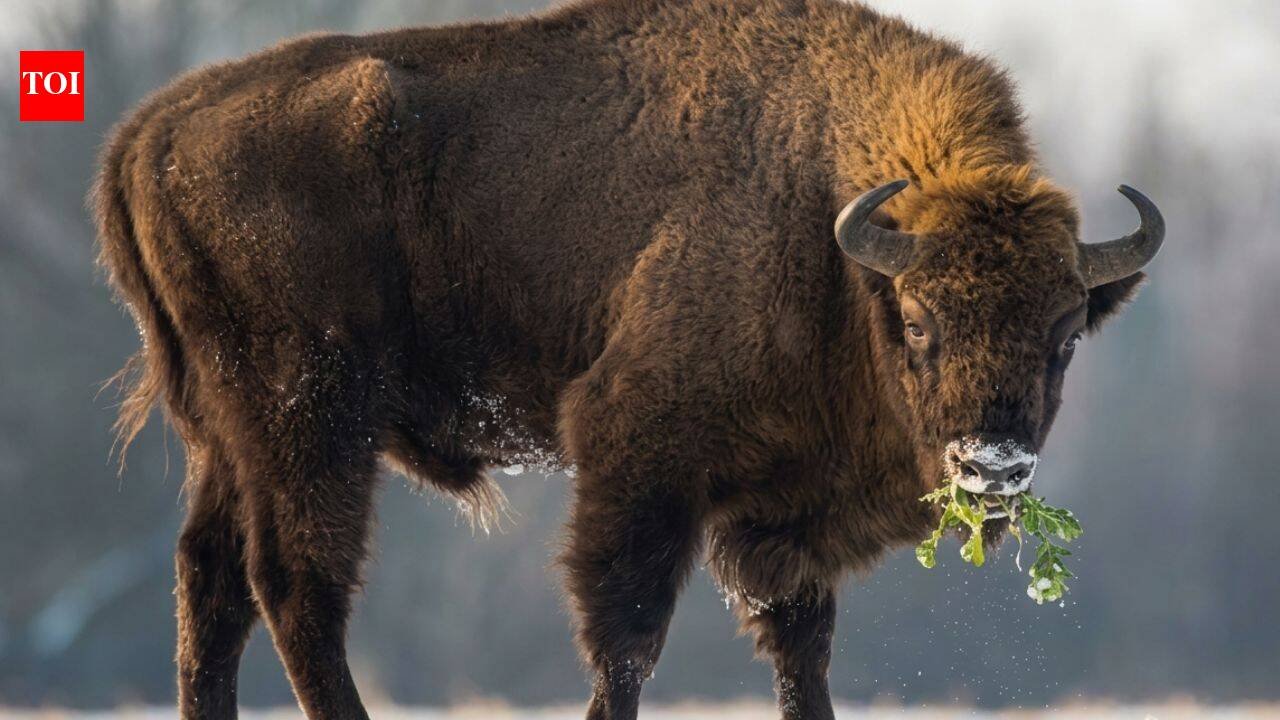
In 1987, Kansas brought 30 bison back to Konza Prairie; 29 years later, native plant richness had risen 103% locally and 86% across catchments

In 1987, Kansas brought 30 bison back to Konza Prairie; 29 years later, native plant richness had risen 103% locally and 86% across catchments

Restoring grazing by native large herbivores such as bison can produce sustained increases in native plant diversity In 1987, 30 bison from the Fort Riley Military Reservation were brought to Konza Prairie in Kansas. Nearly three decades later, researchers found that native plant species richness had increased by 103% at the local scale and by … Read more

In Oklahoma, a veteran spent 5 years fighting back invasive cedars on his 400-acre ranch; now native grasses are returning and water is flowing into newly reappearing streams

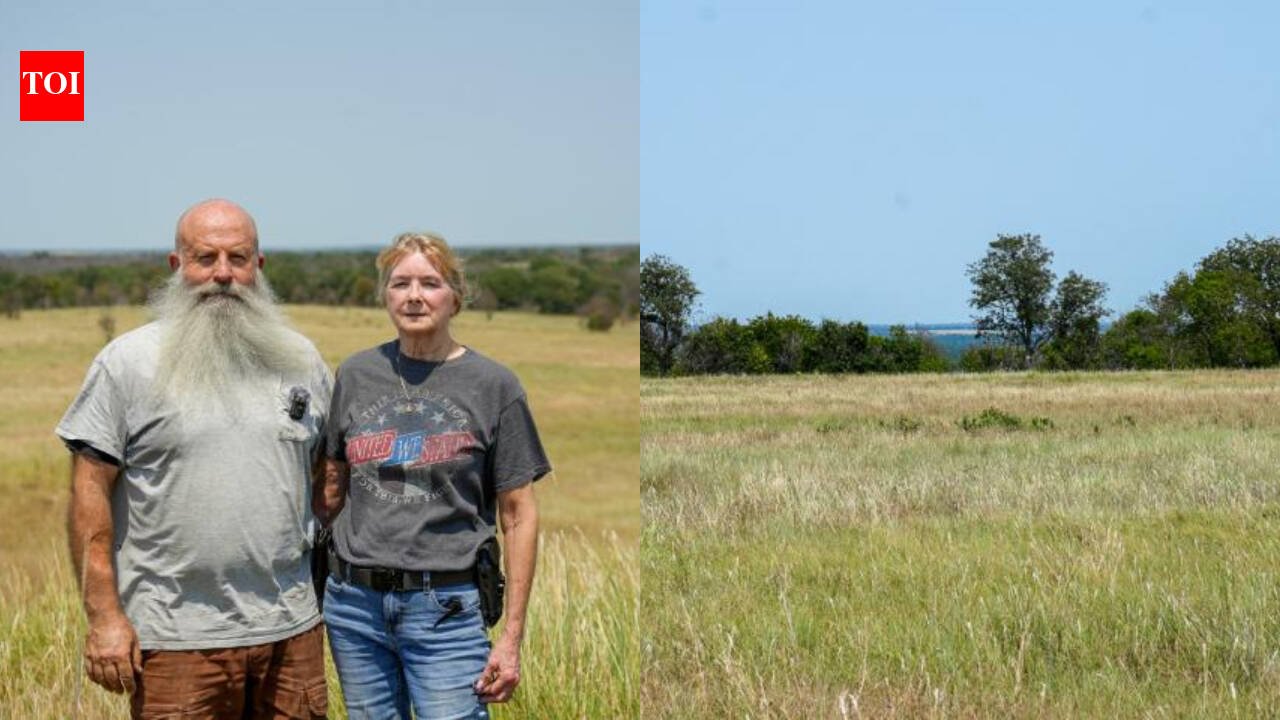
In Oklahoma, a veteran spent 5 years fighting back invasive cedars on his 400-acre ranch; now native grasses are returning and water is flowing into newly reappearing streams

Heishman started working with Duel Brown, the Pawnee County conservationist for the Natural Resources Conservation Service, who helped find practical ways to improve the property. Retired Marine Corps veteran Brian Heishman has been slowly turning a 400-acre ranch near Pawnee, Oklahoma, into a cedar forest for five years. An overgrown property, choked by Eastern Red … Read more

Alaska used rotenone to eliminate invasive pike from an entire lake; the pike vanished, and 6,836 Arctic char were later stocked to rebuild the native fishery

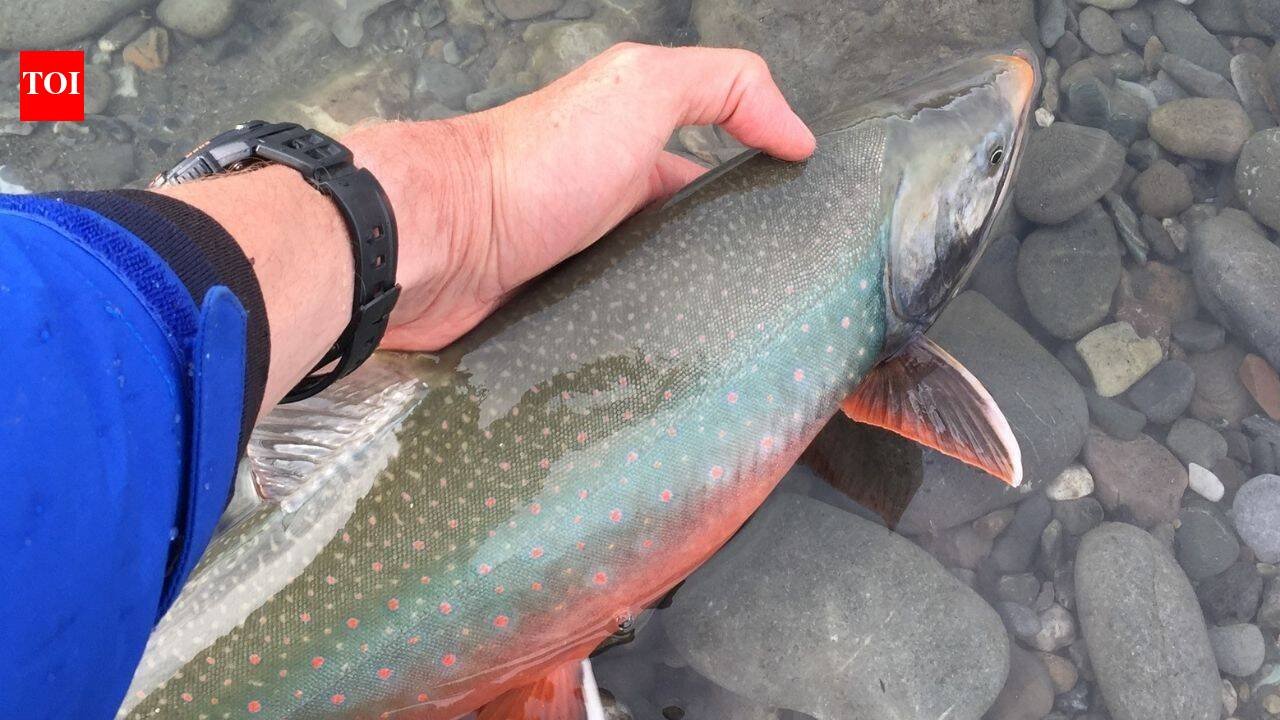
Alaska used rotenone to eliminate invasive pike from an entire lake; the pike vanished, and 6,836 Arctic char were later stocked to rebuild the native fishery

In a remote corner of Southcentral Alaska, state biologists carried out a dramatic restoration: they treated an entire lake with rotenone, a plant-derived piscicide, to wipe out an invasive population of northern pike. After the treatment, post-surveys confirmed the pike were gone. The next step was rebuilding what had been lost. In June 2013, the … Read more

3 Telangana students killed in Florida road accident, one identified as Nizamabad native

3 Telangana students killed in Florida road accident, one identified as Nizamabad native

The crash took place on Interstate 95 in the Palm Bay area of Brevard County. Three students from Telangana were killed in a road accident in Florida, US, after the car they were travelling in crashed into a tree in Brevard County.According to local reports, one of the deceased has been identified as N Rahul … Read more