
From 1946, NSW planted South African bitou bush to stabilise coastal sand dunes; decades later it had spread along 46% of the state’s coastline and threatened native ecosystems
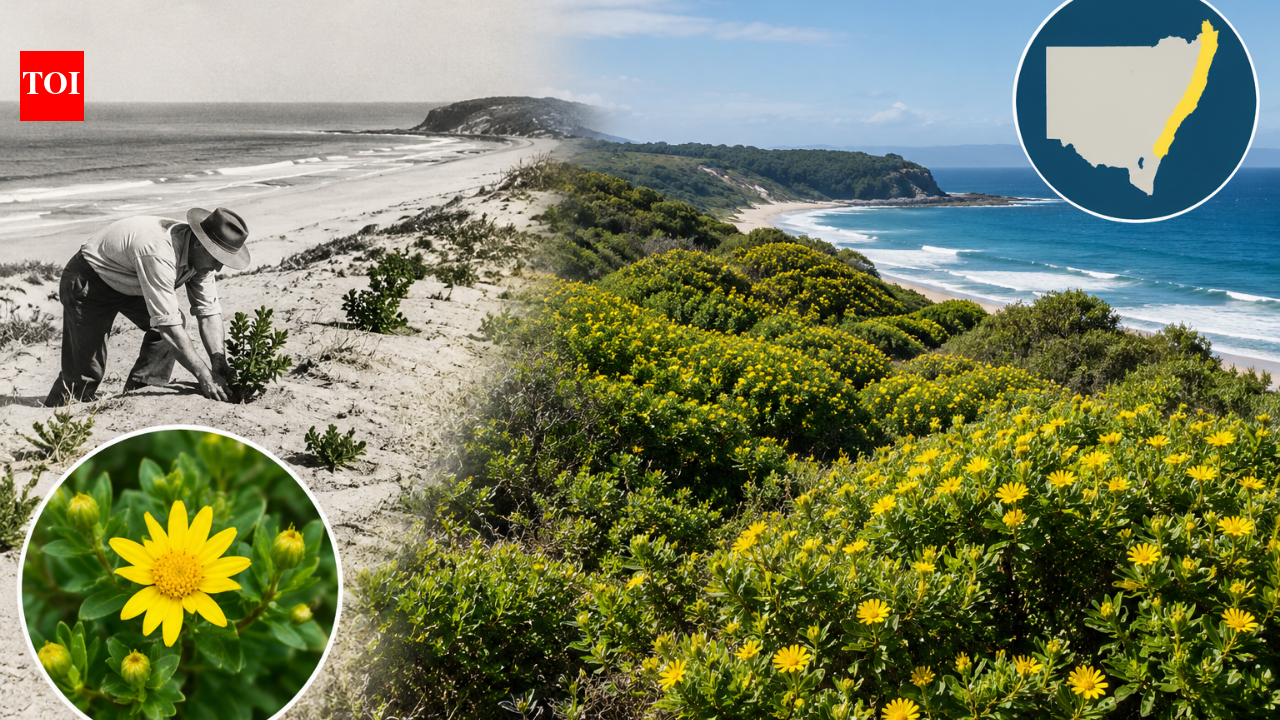
From 1946, NSW planted South African bitou bush to stabilise coastal sand dunes; decades later it had spread along 46% of the state's coastline and threatened native ecosystems

Representative Image (AI-generated) A plant introduced with a practical purpose along the New South Wales (NSW) coast eventually became a major environmental weed. South African bitou bush was deliberately planted along the NSW coastline between 1946 and 1968 to help stabilise sand dunes, according to the NSW Environment and Heritage department. The fast-growing shrub later … Read more
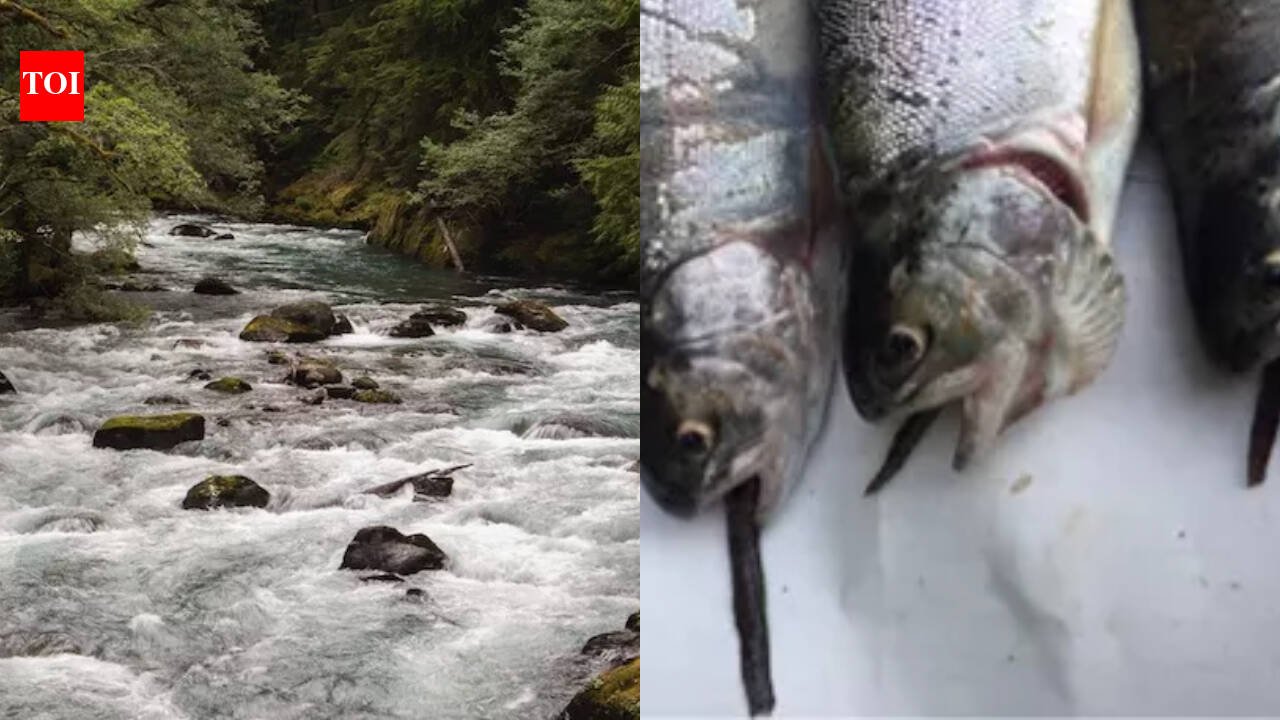
From 1915 to 1972, Mount Rainier stocked more than 9 million fish into naturally fishless waters; today 35 mountain lakes still hold breeding non-native populations that displace amphibians and alter ecosystems

From 1915 to 1972, Mount Rainier stocked more than 9 million fish into naturally fishless waters; today 35 mountain lakes still hold breeding non-native populations that displace amphibians and alter ecosystems

View of the Ohanapecosh River and predated Northwestern Salamanders (Ambrystoma gracile) eaten by introduced trout. Mount Rainier’s glaciers and snowfields feed a magnificent system of icy streams and mountain lakes. On the surface, these waters look pristine, scattered pools in one of America’s most iconic landscapes. But beneath the surface, scientists are looking at a … Read more

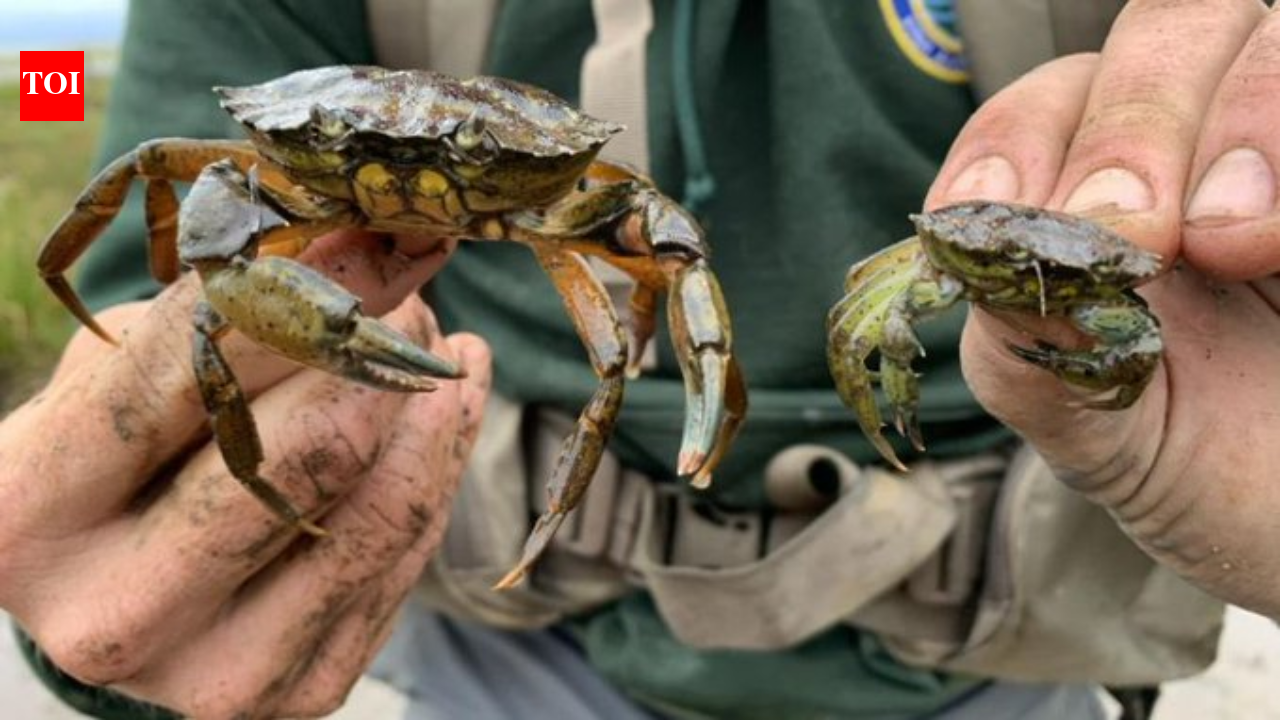
New England has battled invasive green crabs for more than 200 years; now people are eating the destructive species in a bid to protect shellfish, wetlands and coastal ecosystems

New England has battled invasive green crabs for more than 200 years; now people are eating the destructive species in a bid to protect shellfish, wetlands and coastal ecosystems

Since time immemorial, humans have been consuming food derived from the land, air and water. From vegetables and birds to even crabs, there is not much we have not used to survive on. But currently, people in New England are feasting on green crabs not to survive themselves but to help the native species subsist. … Read more