Nearly 20 years after Dreyer’s Ice Cream CEO T. Gary Rogers bought 151 acres in Napa, his family discovered an 1887 winery hidden on the property; they planted vineyards, built a home, and the estate now asks $35 million
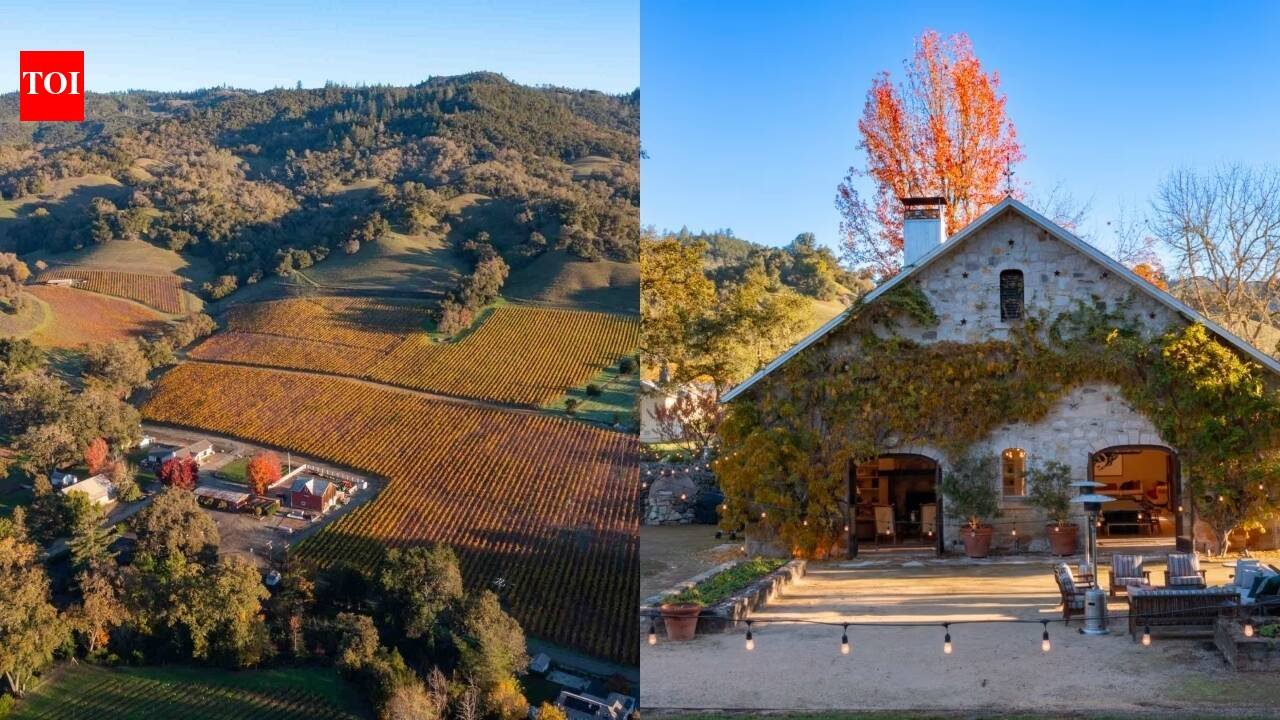
Nearly 20 years after Dreyer’s Ice Cream CEO T. Gary Rogers bought 151 acres in Napa, his family discovered an 1887 winery hidden on the property; they planted vineyards, built a home, and the estate now asks $35 million

A vineyard property in Napa Valley, featuring an 1887 winery that Ellen DeGeneres once had her eyes on, is on the market. The 151-acre property in St Helena, California, is listed for $35 million, according to a report by Mansion Global. The seller is artist Matt Rogers, the son of the late T. Gary Rogers, … Read more

Nearly 4,000 New York City students planted more than 100,000 beachgrass stalks across 2.25 acres at Coney Island Creek Park to rebuild protective dunes and help protect 50,000+ people from flooding

Nearly 4,000 New York City students planted more than 100,000 beachgrass stalks across 2.25 acres at Coney Island Creek Park to rebuild protective dunes and help protect 50,000+ people from flooding

Nearly 4,000 public school students, more than 200 teachers and hundreds of community members have worked with NWF Nearly 4,000 New York City public school students have taken part in an effort to restore protective dunes at Coney Island Creek Park in Brooklyn. Since 2022, students, teachers and community members have planted more than 100,000 … Read more

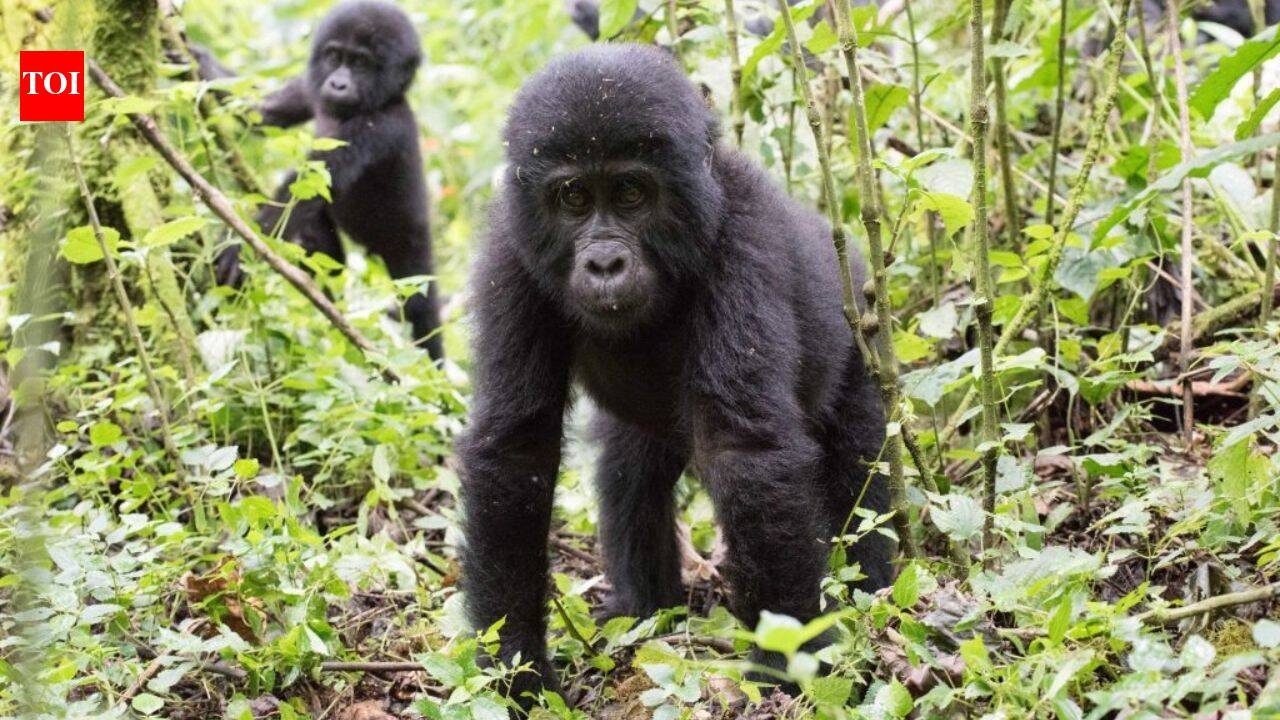
Ugandan communities planted 4,053 trees beside one of Africa’s great rainforests; now the new forest is rebuilding a damaged wildlife buffer

Ugandan communities planted 4,053 trees beside one of Africa's great rainforests; now the new forest is rebuilding a damaged wildlife buffer

Like Impenetrable Forest. Image Credit: Ron Van Oers/Wikipedia Communities living beside Uganda’s Bwindi Impenetrable National Park have planted 4,053 agroforestry trees across 40 hectares of land, beginning the restoration of a damaged buffer zone around one of Africa’s most important rainforest landscapes. The work aims to improve habitat, support local livelihoods and reduce pressure on … Read more

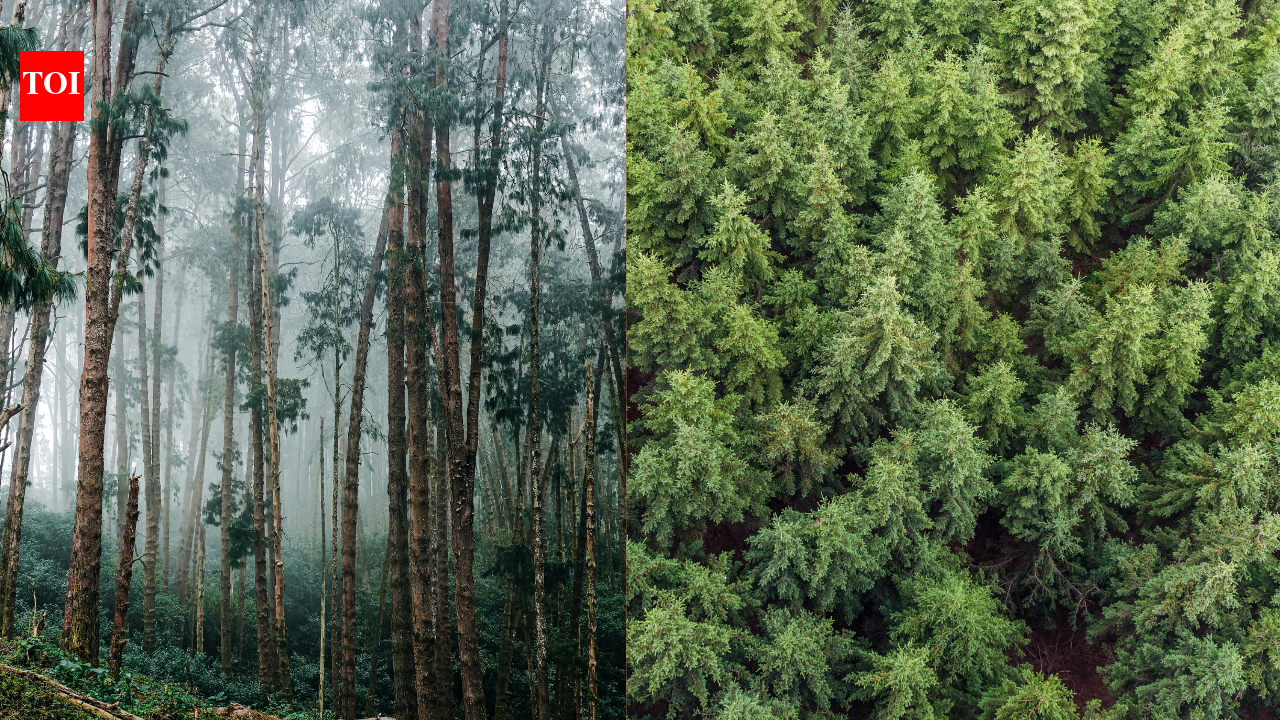
Denmark planted trees for carbon storage, but 21 years later natural forests proved more diverse while plantations captured carbon faster

Denmark planted trees for carbon storage, but 21 years later natural forests proved more diverse while plantations captured carbon faster

Denmark’s long-running effort to create forests on former farmland has revealed a striking trade-off between carbon storage and biodiversity. After 21 years, scientists compared naturally regenerated forests with areas deliberately planted with trees. Plantations accumulated tree biomass and captured carbon faster, while naturally colonised forests developed greater diversity and more varied ecological structures. The University … Read more

Terrorists planted a bomb beneath the Twin Towers years before 9/11. How a charred van brought down the conspirators

For three decades, the Twin Towers were among the most recognisable structures, not only in New York but in the world. They rose above Lower Manhattan and became a symbol of the city. Years before 9/11, the 1993 bombing was the Twin Towers’ first encounter with terror. (US govt/AP) This, though, also made them a … Read more

Uruguay planted eucalyptus and pine forests across grasslands; 20 years later, scientists found rivers were carrying much less water

Uruguay planted eucalyptus and pine forests across grasslands; 20 years later, scientists found rivers were carrying much less water

Across Uruguay, large areas of traditional grassland have been converted into managed forests, particularly plantations of fast-growing trees such as eucalyptus and pine. The change can bring economic benefits through timber production, but it also alters how water moves through the landscape. A 20-year paired-watershed study in northern Uruguay provides one of the clearest long-term … Read more

Brazil planted vast eucalyptus forests for pulp; 45 years later scientists found groundwater had fallen by 4.5 metres

Brazil planted vast eucalyptus forests for pulp; 45 years later scientists found groundwater had fallen by 4.5 metres

Brazil’s eucalyptus industry was built on a simple promise: grow trees quickly, harvest them for pulp and create a renewable supply for the global paper industry. Over decades, however, the enormous plantations have transformed landscapes across parts of the country, raising concerns about what happens to water beneath the trees. In one eucalyptus-growing region of … Read more

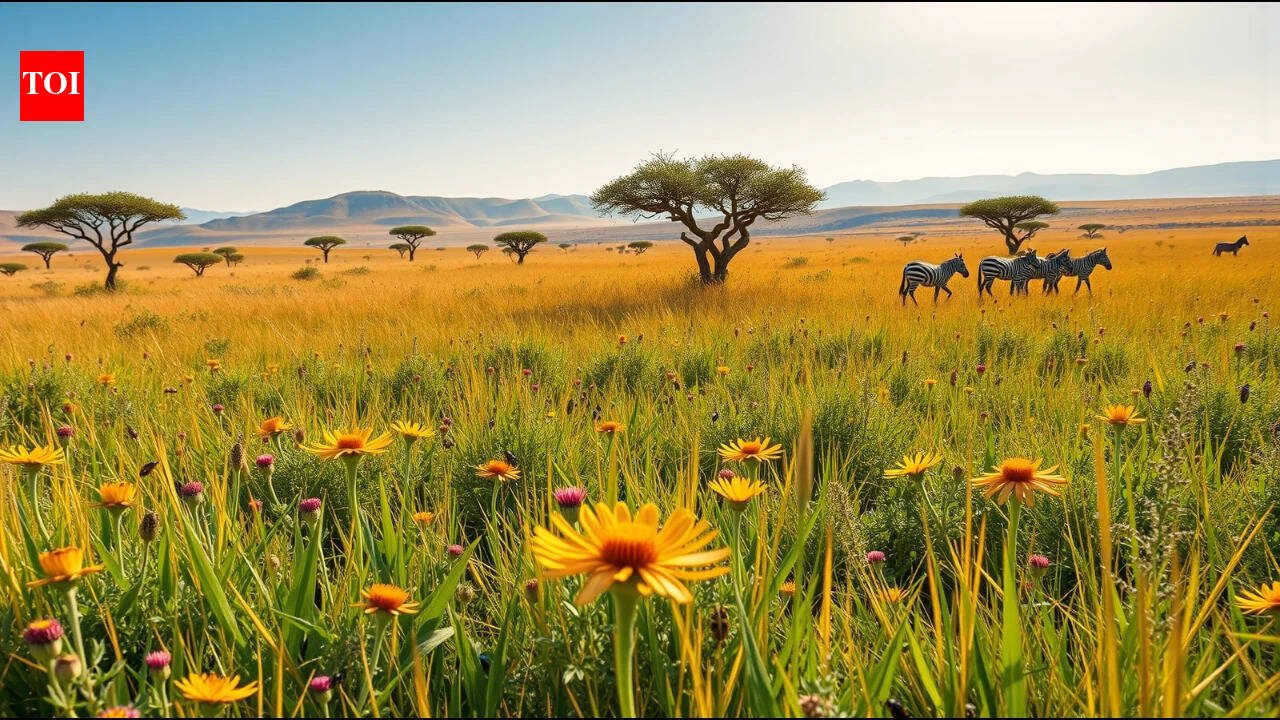
Canada planted a pine forest where a rare savanna once stood; removing the trees later brought back a richer ecosystem

Canada planted a pine forest where a rare savanna once stood; removing the trees later brought back a richer ecosystem

​Representative Image of a thriving savanna ecosystem flourishing after pine forest removal, with diverse native plants and insects (AI-generated image) A patch of rare savanna habitat in the Ottawa Valley has recovered remarkably well after decades under a planted pine forest, according to a study examining restoration efforts at a site called The Sandhills near … Read more

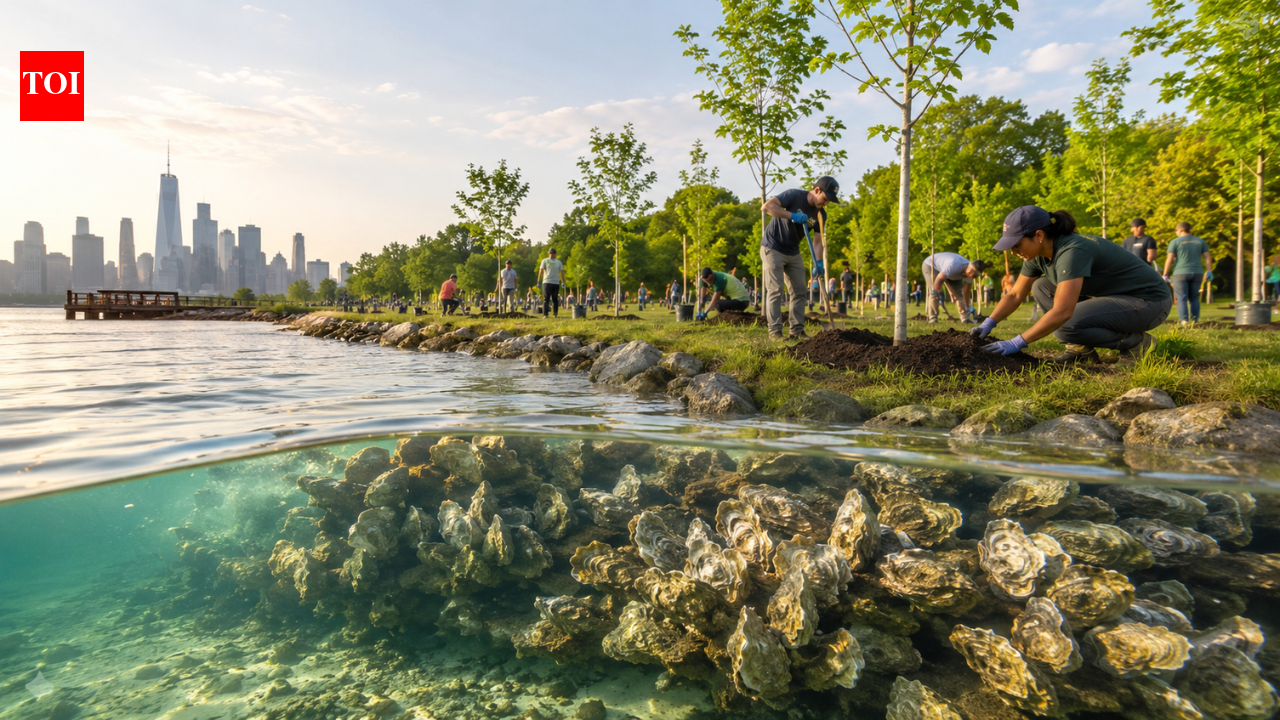
Bette Midler started cleaning a neglected New York park in 1995; 30 years later, her group has planted 200,000 trees and built an artificial oyster reef

Bette Midler started cleaning a neglected New York park in 1995; 30 years later, her group has planted 200,000 trees and built an artificial oyster reef

Bette Midler once spent her mornings clearing parks in Northern Manhattan that the city had all but abandoned. Thirty years later, that early effort has grown into the New York Restoration Project, a charity credited with reshaping green space across all five boroughs. The organisation has planted more than 200,000 trees since 1995, alongside removing … Read more

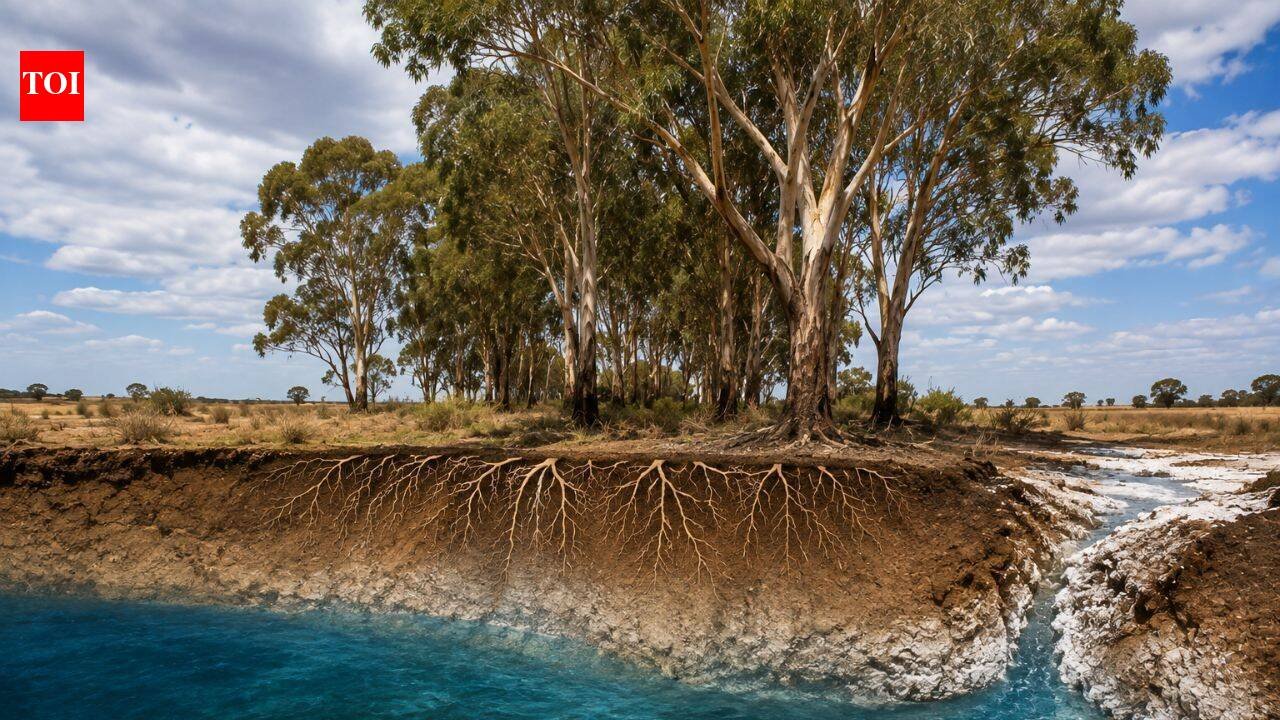
Australia planted eucalyptus trees to fight rising soil salinity; decades later scientists found the plantations were changing groundwater but not the soil nature

Australia planted eucalyptus trees to fight rising soil salinity; decades later scientists found the plantations were changing groundwater but not the soil nature

Eucalyptus cladocalyx ‘nana’. Image Credit: ERA Nurseries Australia planted eucalyptus trees to fight rising soil salinity, hoping that thirsty, deep-rooted vegetation could help control the groundwater processes behind the problem. A long-running experiment in south-western Australia later showed that the effects of such plantations were more complicated than simply planting trees and waiting for the … Read more