More than 100 years ago, red mangroves were introduced to Hawaii; now crews are trying to eradicate them from nearly 2 miles of waterways to restore wetlands and protect endangered birds

More than 100 years ago, red mangroves were introduced to Hawaii; now crews are trying to eradicate them from nearly 2 miles of waterways to restore wetlands and protect endangered birds

Environmental crews and volunteers physically clear thickets of invasive red mangrove trees and tangled stilt roots from a coastal waterway in Kailua, Oahu Environmental teams in Hawaii have launched a major effort to remove invasive red mangroves from nearly two miles of waterways in Kailua. The project aims to reverse more than a century of … Read more
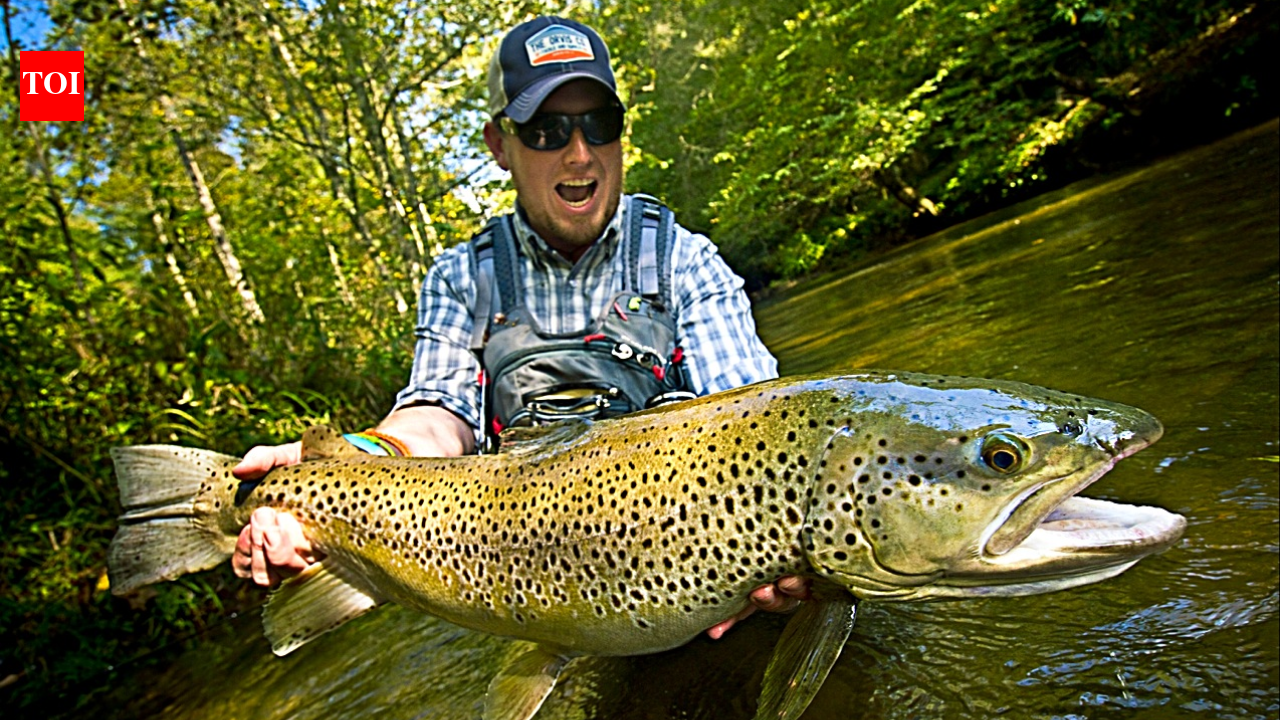
In 1867, New Zealand introduced brown trout for sport fishing; more than 60 million were released by 1921, and the invader later caused local extinctions and fragmented native fish populations

In 1867, New Zealand introduced brown trout for sport fishing; more than 60 million were released by 1921, and the invader later caused local extinctions and fragmented native fish populations

New Zealand introduced brown trout for sport fishing When British settlers packed thousands of brown trout ova onto ships bound for the Antipodes in 1867, they hoped to recreate the sport fishing they knew from Europe. Over the next five decades, acclimatisation societies bred and released more than 60 million brown trout into waterways across … Read more

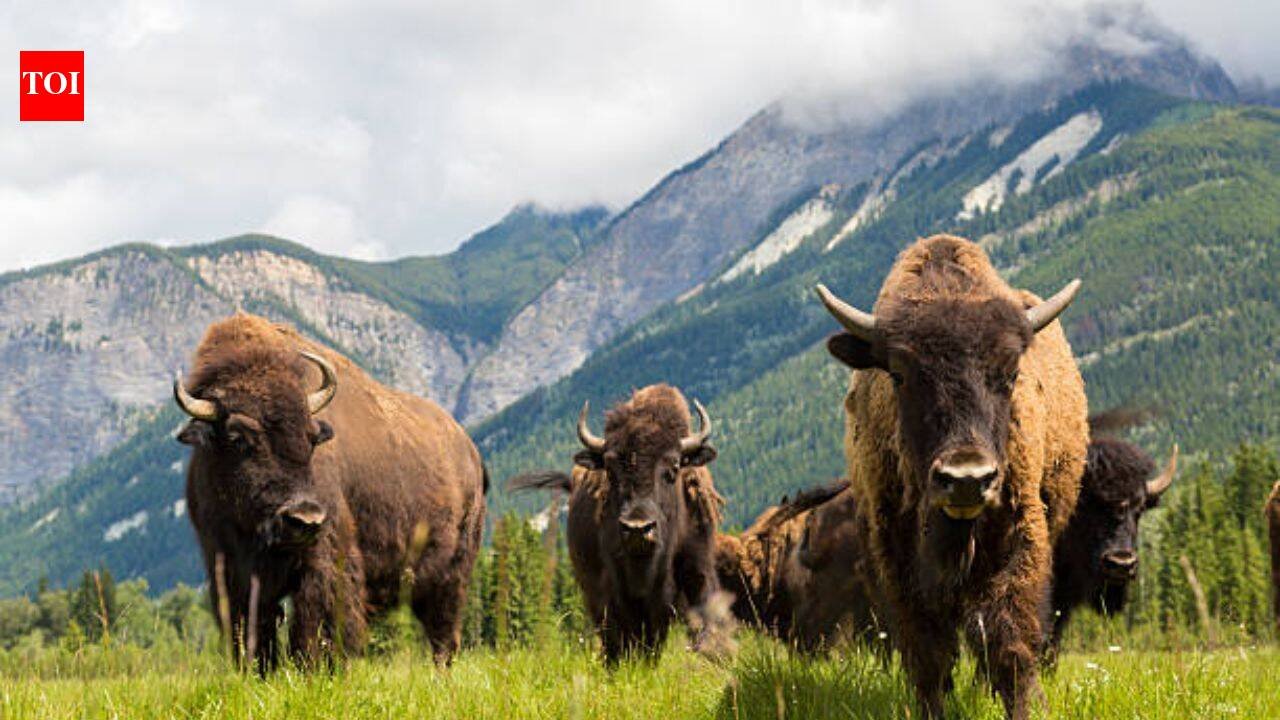
American bison had been hunted to extinction in Mexico; 160 years later the country introduced 47 bison in 2025 and the ecosystem is slowly restoring itself

American bison had been hunted to extinction in Mexico; 160 years later the country introduced 47 bison in 2025 and the ecosystem is slowly restoring itself

After being absent from the grounds for approximately 160 years, the American bison has made a grand comeback to the landscapes of Coahuila, Mexico. According to a report by AS, the reintroduction of dozens of bison in part of the Chihuahuan Desert is positively impacting the surrounding ecosystem in numerous ways, said the body that … Read more

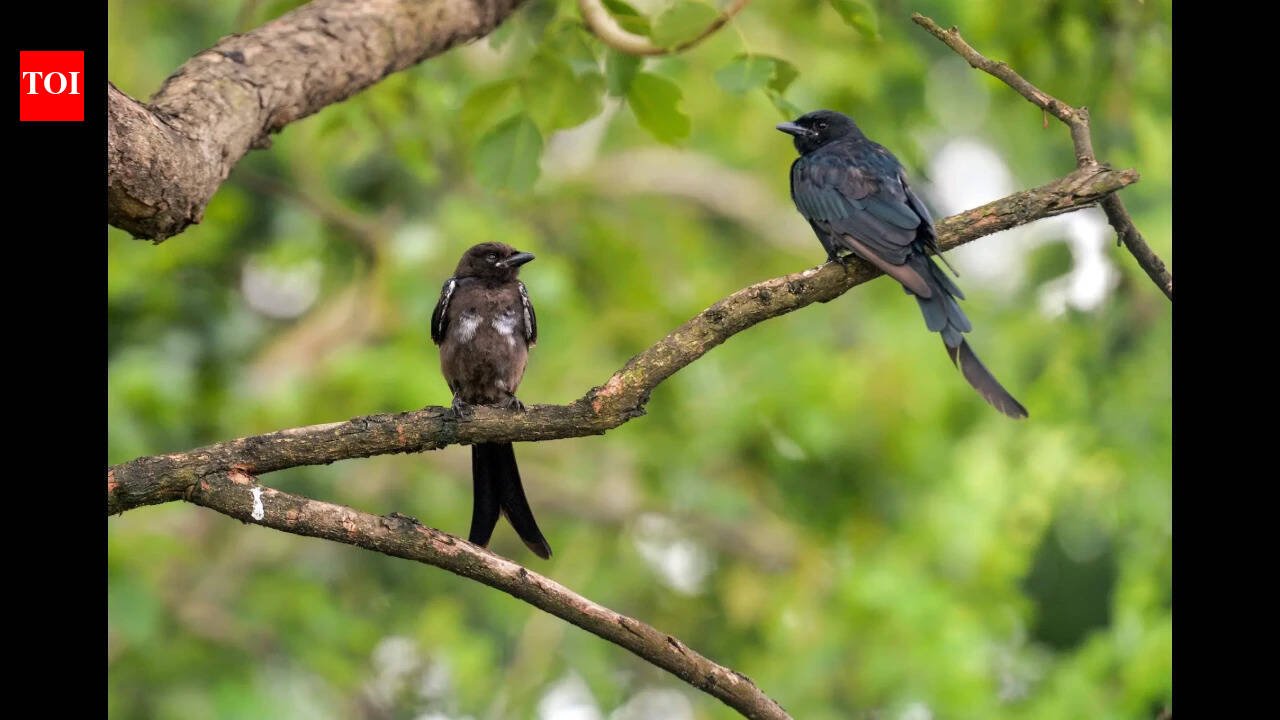
In 1935, black drongos were introduced on Rota to control crop pests; decades later the aggressive birds spread to Guam and became a threat to native birds

In 1935, black drongos were introduced on Rota to control crop pests; decades later the aggressive birds spread to Guam and became a threat to native birds

A juvenile and an adult Black Drongo perch on a tree branch (ANI Photo) In 1935, the Japanese South Seas Development Company made a decision that would have repercussions for Mariana Islands’ ecosystems for nearly 100 years. In search of a natural method for controlling agricultural pests, they imported black drongos (Dicrurus macrocercus) from Taiwan … Read more

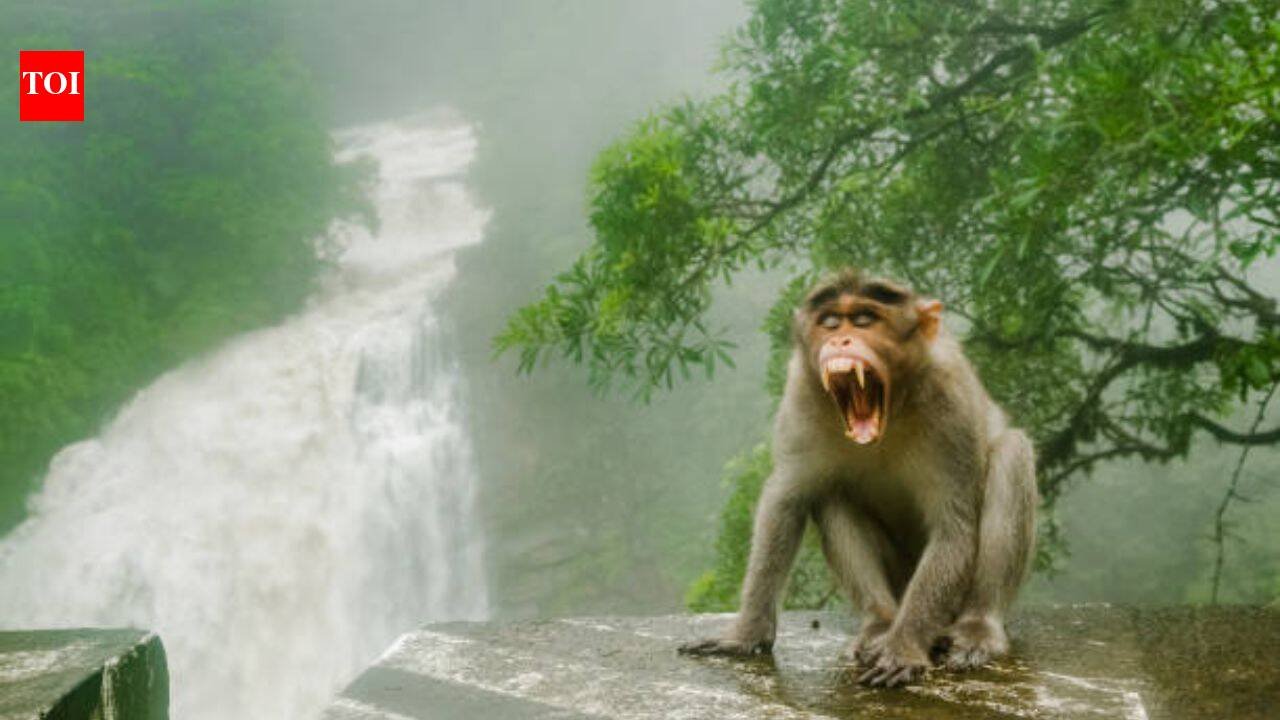
In the 1930s, Florida introduced rhesus macaques to boost tourism; today the invasive monkeys carry a potentially fatal virus and are considered a public-health concern

In the 1930s, Florida introduced rhesus macaques to boost tourism; today the invasive monkeys carry a potentially fatal virus and are considered a public-health concern

Nonhuman primates (NHPs) can harbour multiple zoonotic pathogens owing to their close phylogenetic relationship and frequent interactions with humans. They can also be extremely successful ecological invaders. Within the United States, fewer than or equal to NHP species have been introduced and of them, the rhesus macaque has successfully established populations in Florida and Puerto … Read more