
In the late 1950s and early 1960s, Nile perch were introduced into Lake Victoria to improve fisheries; decades later the predator was linked to the loss of many native cichlids and transformation of the lake’s fishery
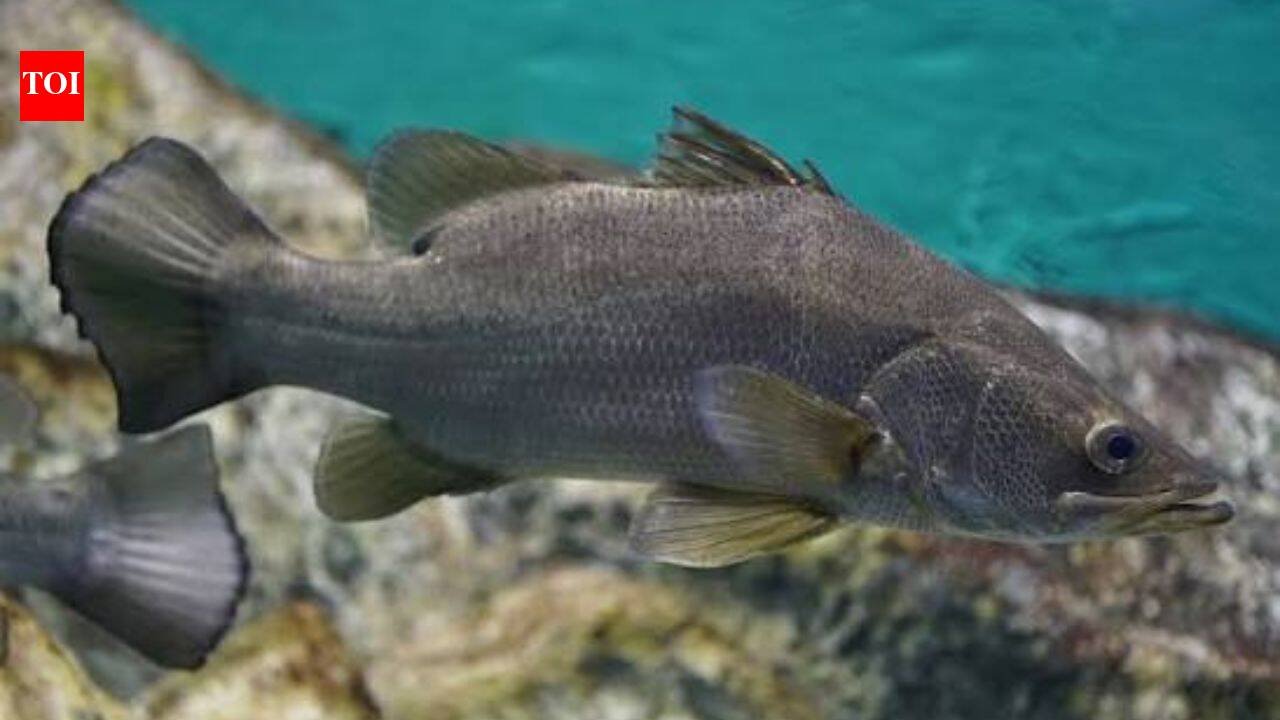
In the late 1950s and early 1960s, Nile perch were introduced into Lake Victoria to improve fisheries; decades later the predator was linked to the loss of many native cichlids and transformation of the lake’s fishery

Nile PerchPhoto: Wikipedia In the late 1950s and early 1960s, Nile perch were introduced into Lake Victoria with the hope that the large predatory fish would strengthen local fisheries. The decision was intended to create new commercial opportunities and increase the supply of valuable fish. Instead, the species spread through one of the world’s largest … Read more
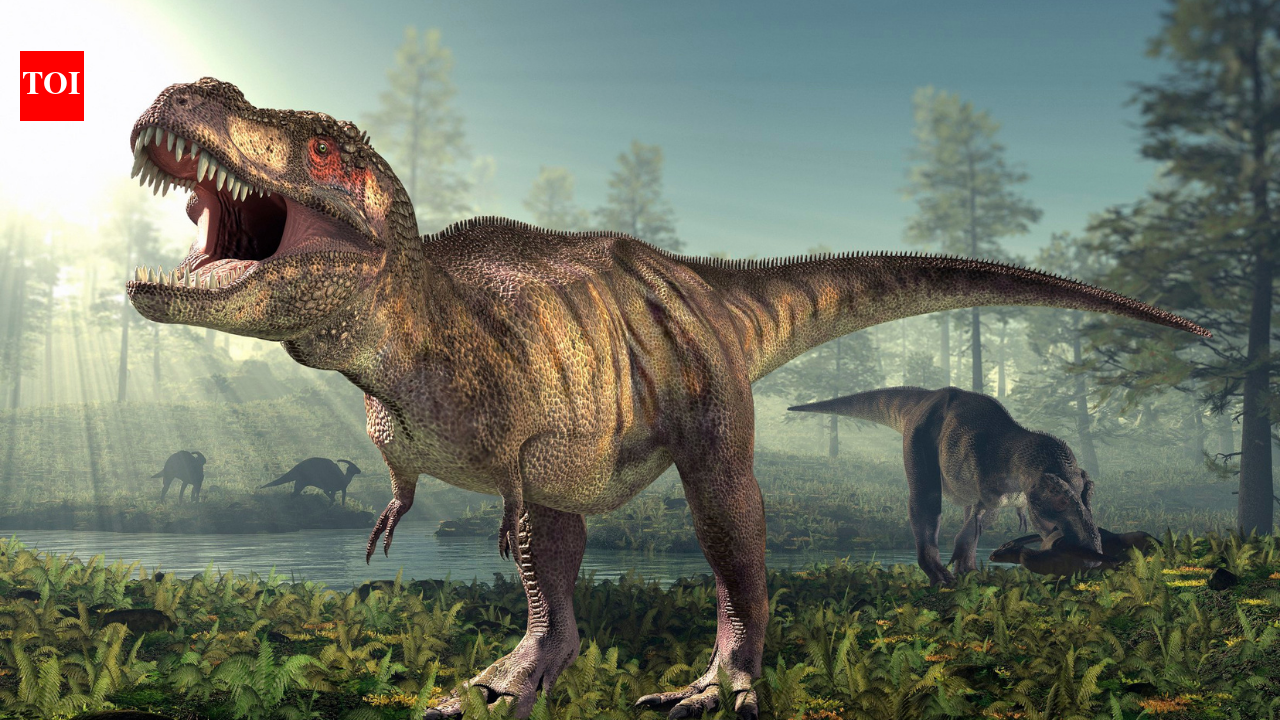
T. rex had a body temperature of 36.3°C, almost the same as humans; fossil tooth chemistry reveals the 66-million-year-old predator was warm-blooded and could survive in cold climates

T. rex had a body temperature of 36.3°C, almost the same as humans; fossil tooth chemistry reveals the 66-million-year-old predator was warm-blooded and could survive in cold climates

Representative Image via Canva For 66 million years, the body temperature of Tyrannosaurus rex (T.rex) lived only in speculation. Now, a new study has taken the dinosaur’s temperature using chemistry locked inside its fossilised teeth, finding an average of about 36.3°C (97.3°F), strikingly close to the human norm. The researchpublished in Science Advances, offers one … Read more