Scientists planted 40,000 native seedlings in Yosemite’s damaged Tuolumne Meadows; three years later, soil organic matter was improving, but the meadow was still losing more carbon than it gained
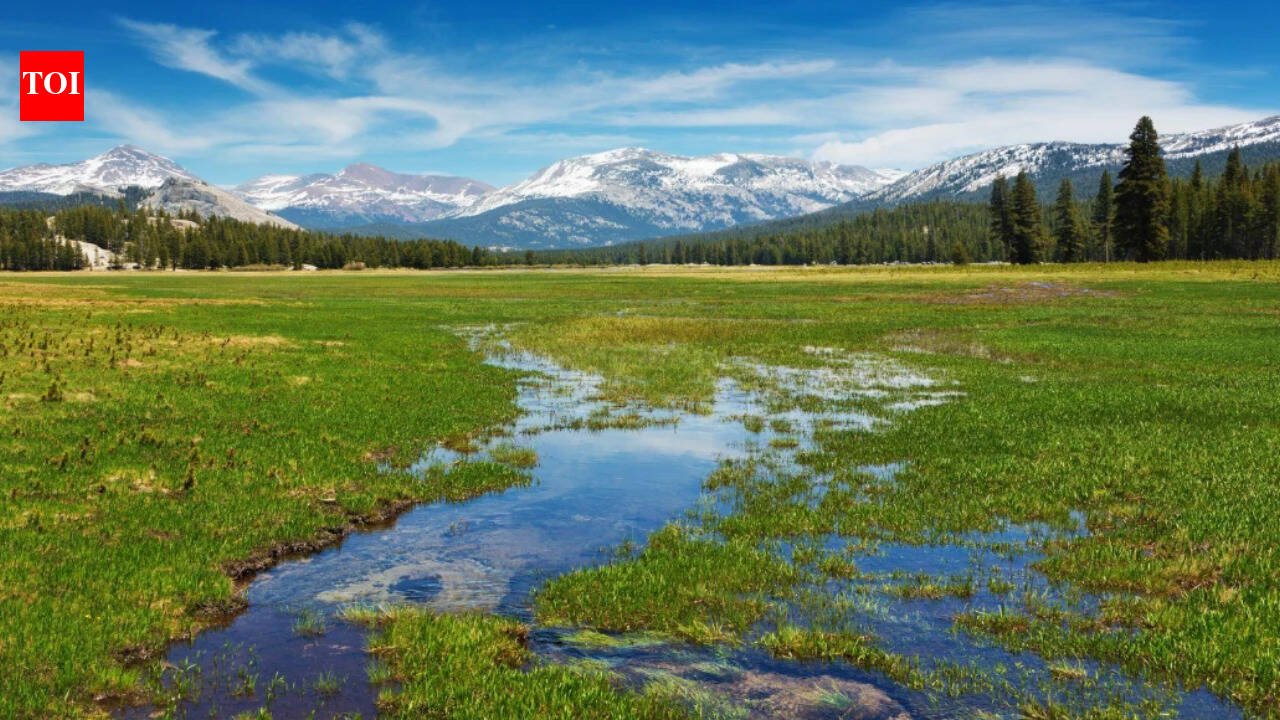
Scientists planted 40,000 native seedlings in Yosemite's damaged Tuolumne Meadows; three years later, soil organic matter was improving, but the meadow was still losing more carbon than it gained

Native sedges growing in a wet meadow (Representational photo) Scientists who planted 40,000 native sedge seedling to restore the damaged Tuolumne Meadows in California’s Yosemite National Park, have found early signs of improvement after. The results, however, also show that restoring the meadow’s soil and its ability to store carbon could take several decades. Three … Read more
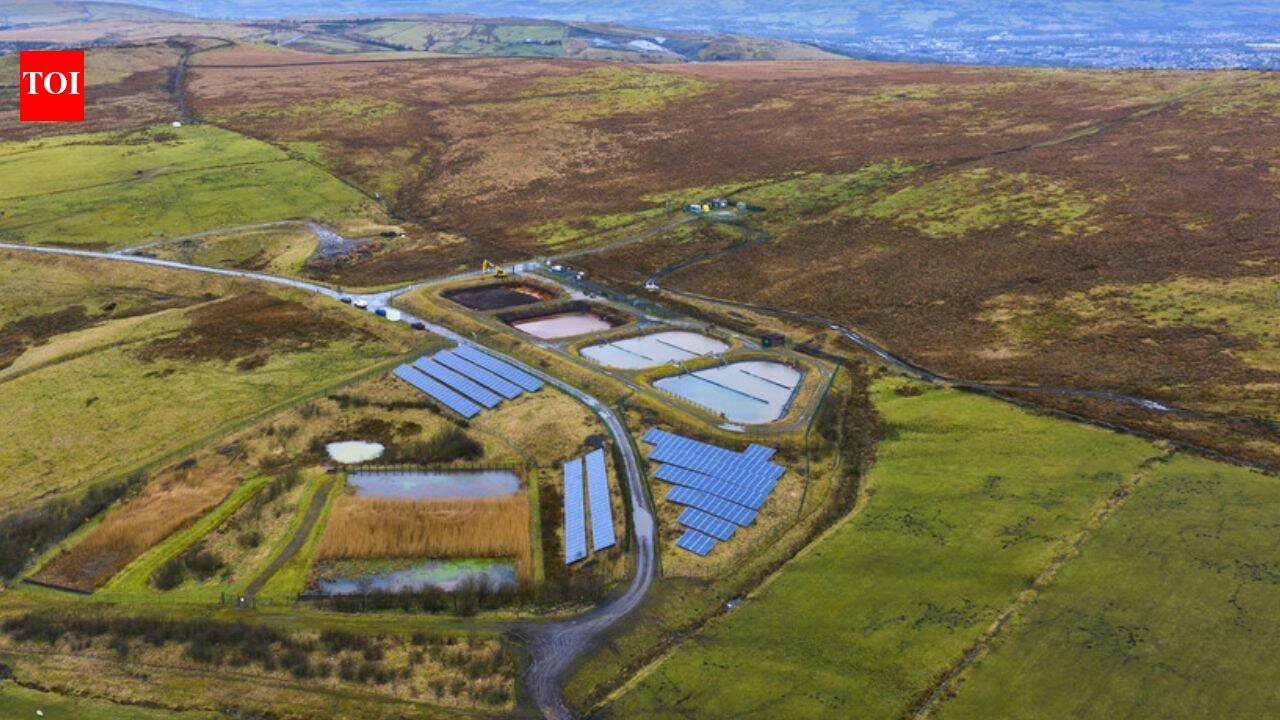
Mine water treatment by-product ochre is being used to stabilise contaminated soil at a former lead works in Chester; the site could make way for 126 new apartments

Mine water treatment by-product ochre is being used to stabilise contaminated soil at a former lead works in Chester; the site could make way for 126 new apartments

PC: Mining Remediation Authority A long-derelict brownfield site in the heart of Chester is being prepared for a new residential development after mine water treatment by-product was reused to stabilise contaminated soil.The 5,200 square metre site was historically occupied by lead works and later used as a car park. It remained undeveloped because of legacy … Read more

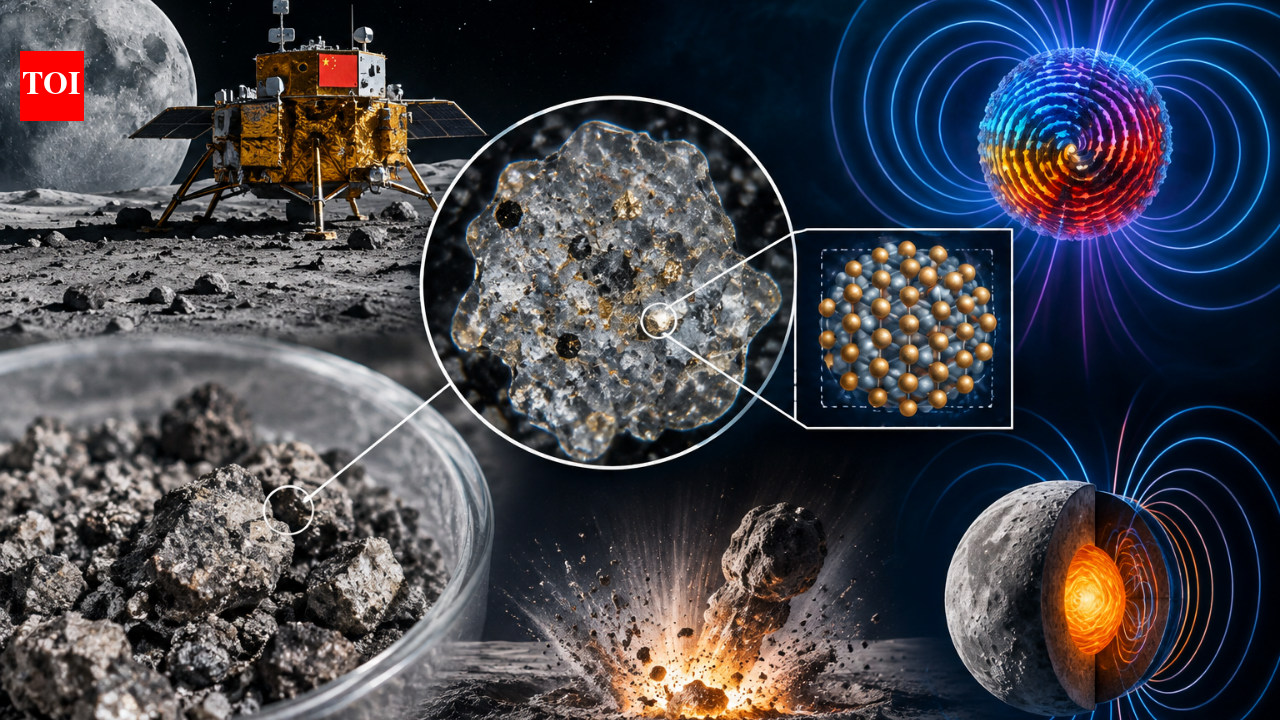
Chang’e-6 soil from the Moon’s far side contained a form of metallic iron never seen before in natural lunar samples; trapped in tiny impact-glass grains, it may preserve a record of the Moon’s lost magnetic field

Chang’e-6 soil from the Moon’s far side contained a form of metallic iron never seen before in natural lunar samples; trapped in tiny impact-glass grains, it may preserve a record of the Moon’s lost magnetic field

Representative Image (AI-generated) A study of soil brought back from the Moon’s far side by China’s Chang’e-6 mission has uncovered a form of metallic iron never before found in natural lunar samples. Researchers from the Chinese Academy of Sciences reported the discovery after examining tiny particles preserved inside impact glass collected by the mission. The … Read more

After the Chernobyl nuclear disaster, scientists planted sunflowers to pull radioactive material from contaminated water and soil; the flowers actually absorbed radioactive isotopes

After the Chernobyl nuclear disaster, scientists planted sunflowers to pull radioactive material from contaminated water and soil; the flowers actually absorbed radioactive isotopes

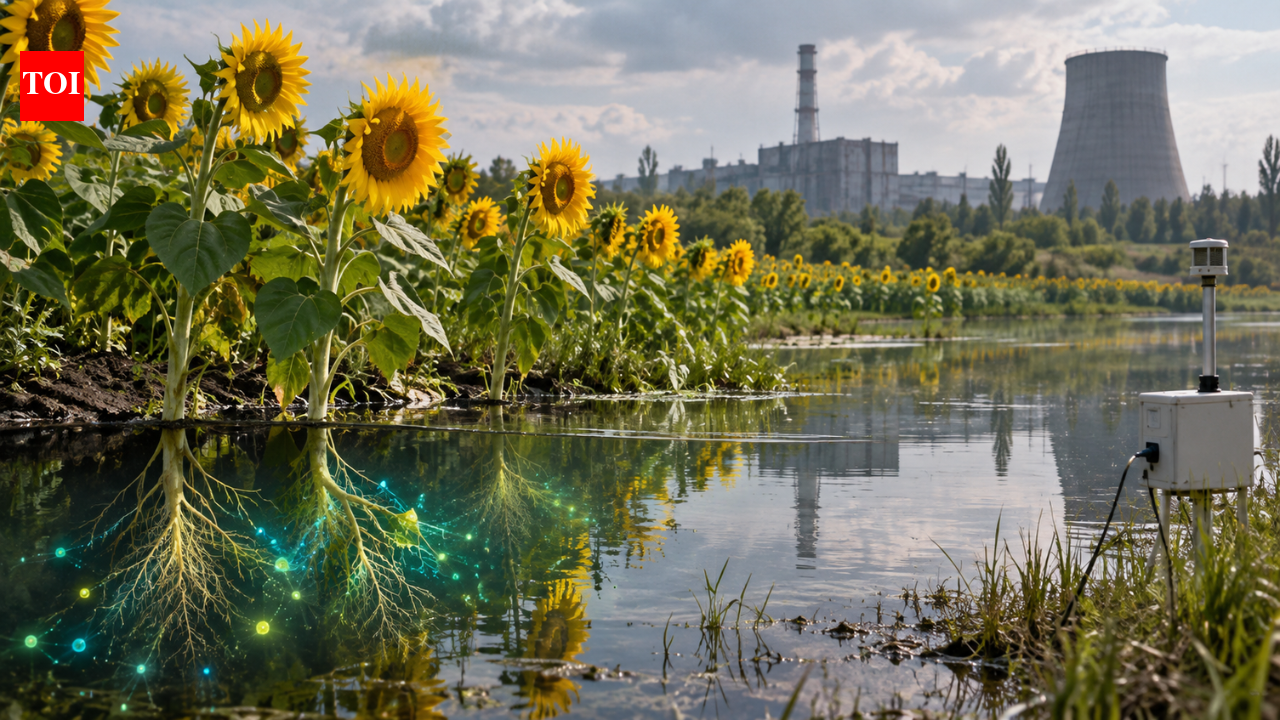
After the 1986 Chernobyl nuclear disaster, scientists explored an unusual way of dealing with radioactive contamination by using plants to absorb radionuclides from the environment. Sunflowers emerged as a promising candidate because their roots can take up certain radioactive elements, including cesium and strontium, from contaminated water. Experiments near Chernobyl showed that sunflowers could remove … Read more

Australia planted eucalyptus trees to fight rising soil salinity; decades later scientists found the plantations were changing groundwater but not the soil nature

Australia planted eucalyptus trees to fight rising soil salinity; decades later scientists found the plantations were changing groundwater but not the soil nature

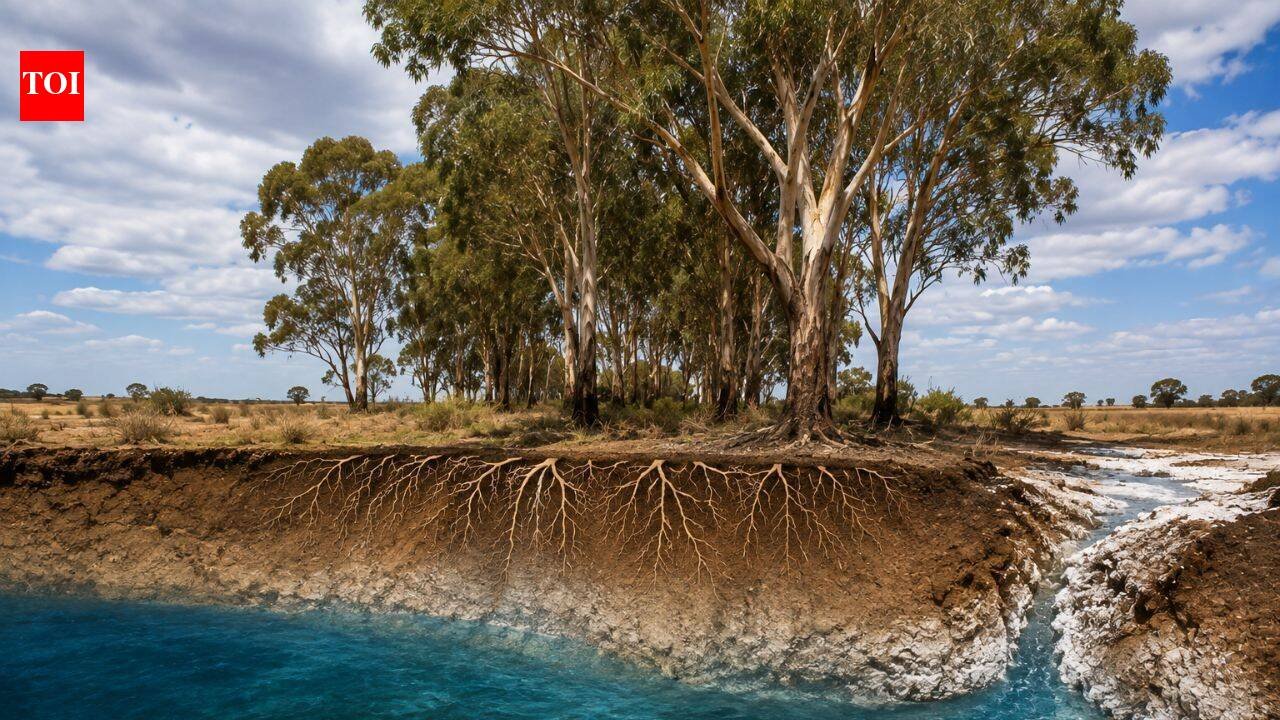
Eucalyptus cladocalyx ‘nana’. Image Credit: ERA Nurseries Australia planted eucalyptus trees to fight rising soil salinity, hoping that thirsty, deep-rooted vegetation could help control the groundwater processes behind the problem. A long-running experiment in south-western Australia later showed that the effects of such plantations were more complicated than simply planting trees and waiting for the … Read more

Meet Varshini Gandreddy, Dhiti Koyya and Raaga Bukkaraju, Texas students turning toxic Martian soil into fertile ground for astronauts

Meet Varshini Gandreddy, Dhiti Koyya and Raaga Bukkaraju, Texas students turning toxic Martian soil into fertile ground for astronauts

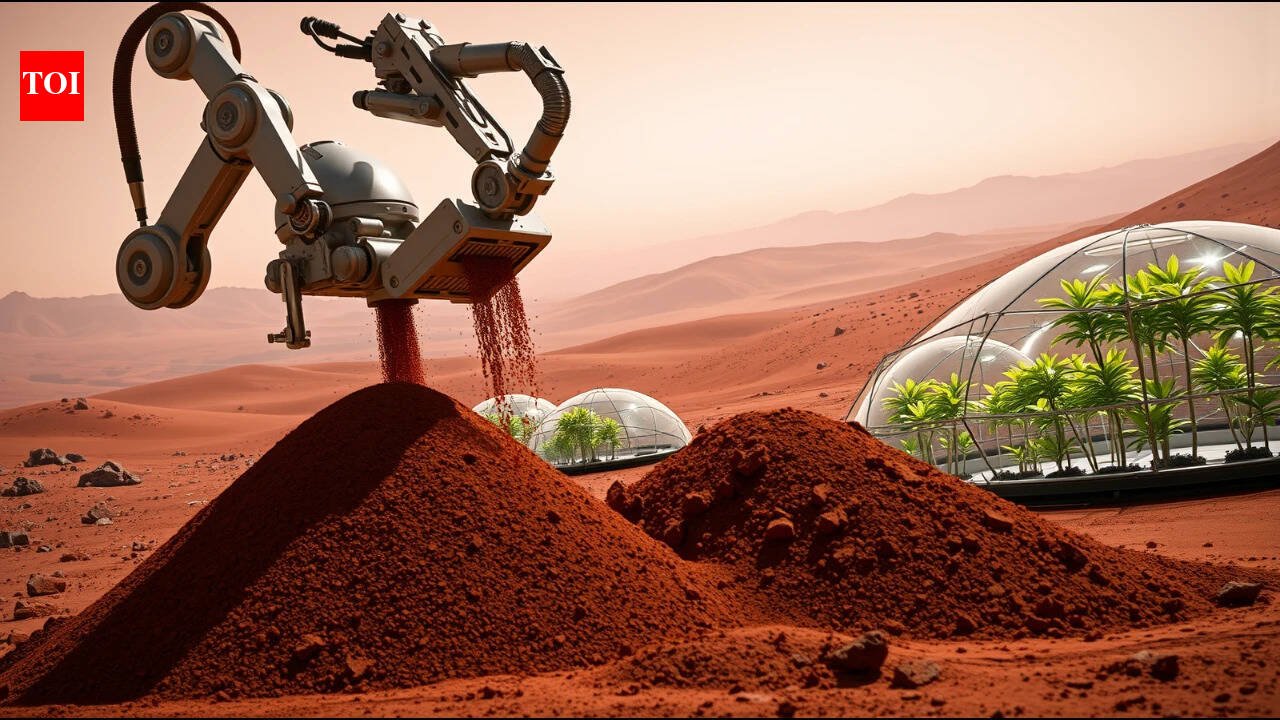
Representative Image of astronauts converting Martian regolith into a growing medium for crops inside a Mars habitat (AI-generated image) Three Texas students have designed a system they believe could help future astronauts grow food on Mars using material already sitting on the planet’s surface. Varshini Gandreddy, Dhiti Koyya and Raaga Bukkaraju developed the project, called … Read more

A teaspoon of healthy soil contains more living organisms than there are humans on Earth, yet scientists say most species remain unknown

A teaspoon of healthy soil contains more living organisms than there are humans on Earth, yet scientists say most species remain unknown

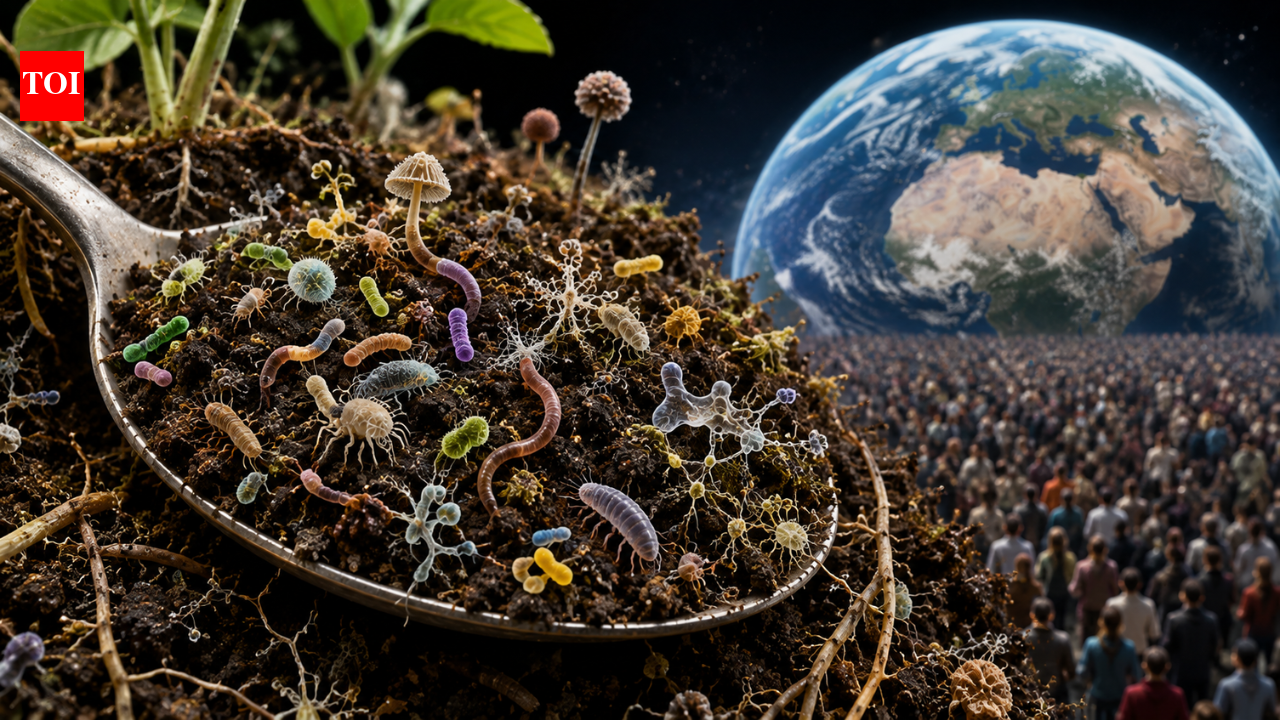
Beneath every footstep lies a world most of us will never see. A single teaspoon of soil, scooped from a healthy forest floor, holds more living organisms than there are humans on the planet, bacteria, fungi, protists and nematodes packed together in numbers that barely make sense on a human scale. Stranger still, the vast … Read more

In 1934, a gun club opened on 9.5 acres beside San Francisco’s Lake Merced; 81 years later it closed, contaminated soil was cleaned up and the lakeside land is now being opened for public recreation

In 1934, a gun club opened on 9.5 acres beside San Francisco’s Lake Merced; 81 years later it closed, contaminated soil was cleaned up and the lakeside land is now being opened for public recreation

Aerial view of Lake Merced and surrounding coastal landscape San Francisco city officials have opened a search for private partners to redevelop a 9.5-acre lakeside property that was used as a private shooting range for more than 80 years. The move marks the final stage of a major environmental transformation along the western shore of … Read more

Taste the soil: London’s Edible Earth Museum invites visitors to taste soil from around the world

Taste the soil: London's Edible Earth Museum invites visitors to taste soil from around the world

At first glance, it sounds like a gimmick, but in the heart of London, visitors are invited to do something surprisingly rooted in human history: taste the soil. The Edible Soil Museum, currently on display at Somerset House, brings together edible soil samples from around the world and transforms them into a sensory educational experience. … Read more

How India realized coffee could fight climate change

How India realized coffee could fight climate change

In the traditional coffee-growing districts of Kodagu, Chikkamagaluru and Hassan in Karnataka, growers say the farming calendar no longer follows memory. Jacob Mammen, managing director of Badra Estates, said climate change was already affecting the cultivation of traditional coffee varieties such as Arabica and Robusta. The biggest challenge, he explained, comes from increasingly unpredictable weather … Read more