Scientists planted 40,000 native seedlings in Yosemite’s damaged Tuolumne Meadows; three years later, soil organic matter was improving, but the meadow was still losing more carbon than it gained
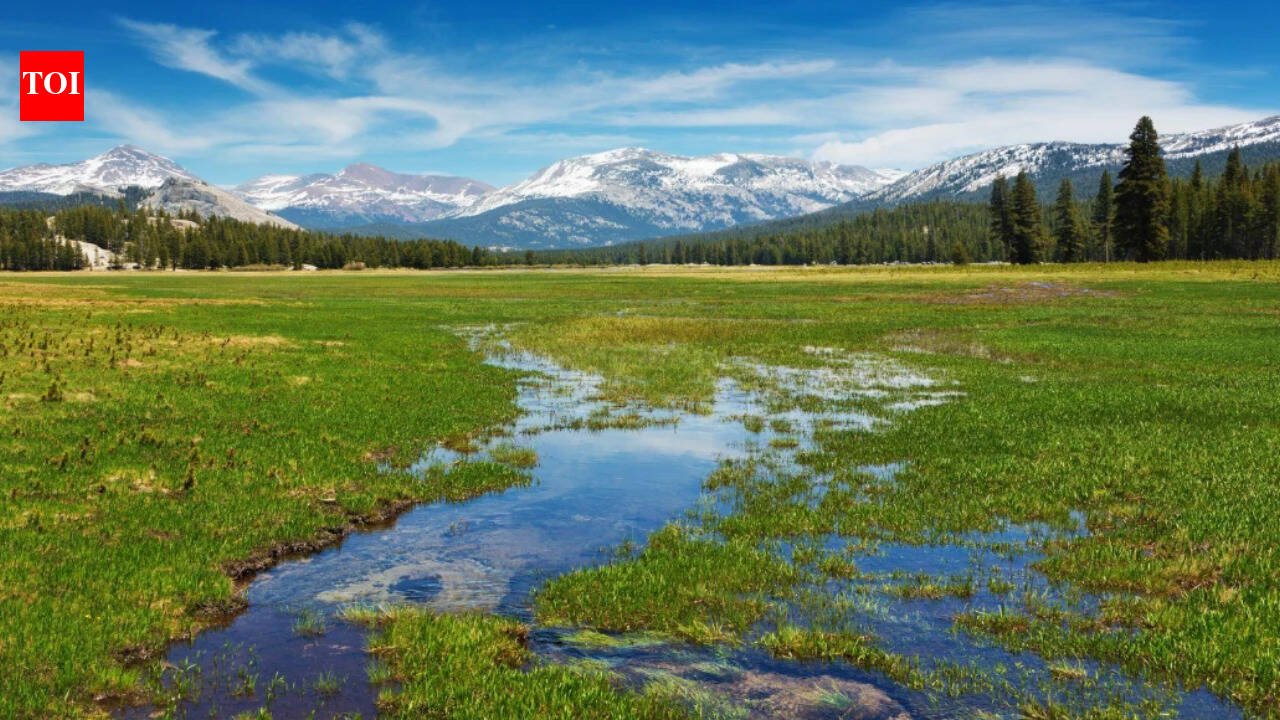
Scientists planted 40,000 native seedlings in Yosemite's damaged Tuolumne Meadows; three years later, soil organic matter was improving, but the meadow was still losing more carbon than it gained

Native sedges growing in a wet meadow (Representational photo) Scientists who planted 40,000 native sedge seedling to restore the damaged Tuolumne Meadows in California’s Yosemite National Park, have found early signs of improvement after. The results, however, also show that restoring the meadow’s soil and its ability to store carbon could take several decades. Three … Read more
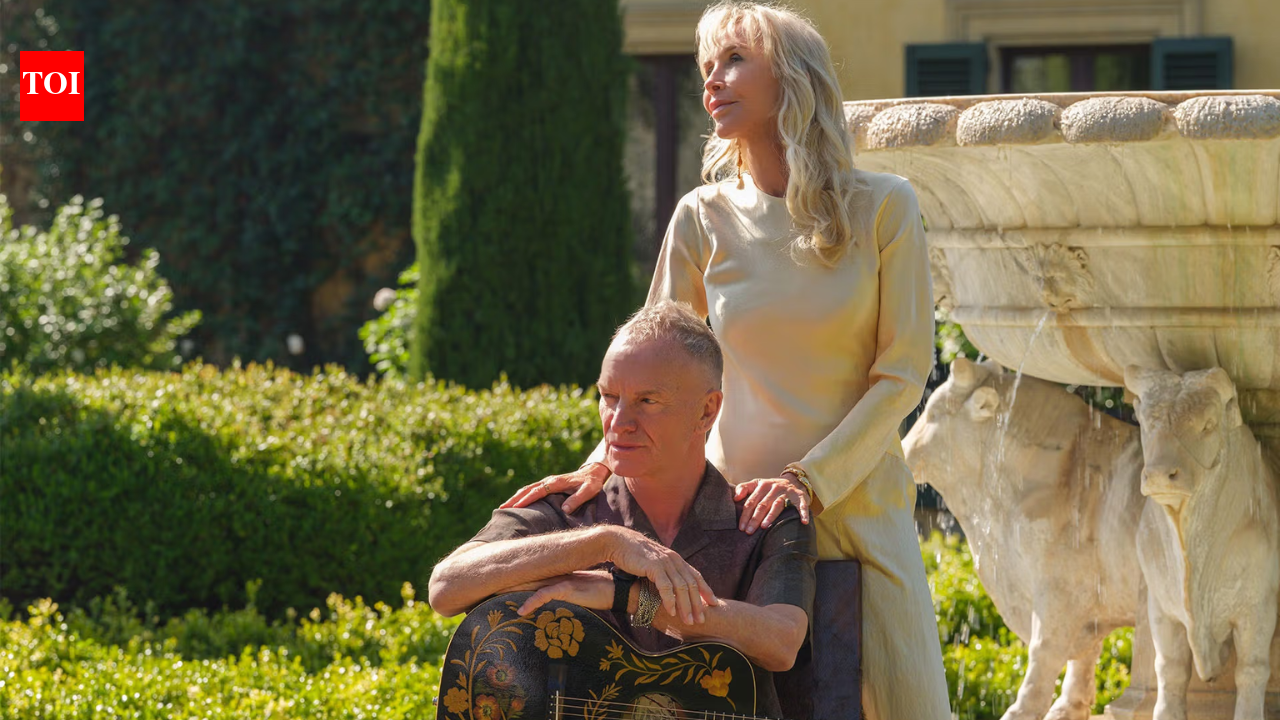
In 1997, Sting bought a 16th-century Tuscan estate as a family retreat; the 865-acre property now produces organic wine, olive oil, honey and fruit

In 1997, Sting bought a 16th-century Tuscan estate as a family retreat; the 865-acre property now produces organic wine, olive oil, honey and fruit

PC: Il Palagio Official website​ Above the Tuscan town of Figline Valdarno, among the hills of the Chianti Colli Fiorentini, Il Palagio occupies a large stretch of farmland with a history reaching back centuries. The estate became part of Sting and Trudie Styler’s life in 1997, when the couple bought the historic property and began … Read more

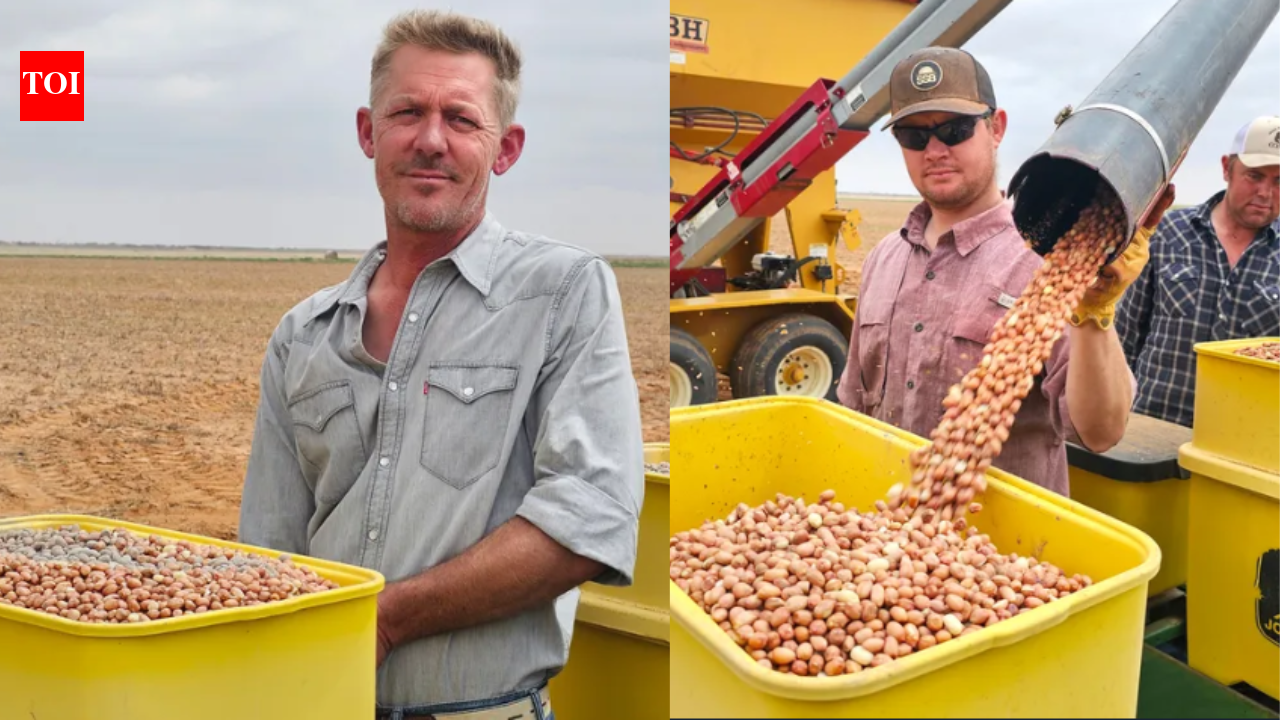
He quit school at 12 to bag peanuts; 22 years later, he runs a Texas farm with organic crops and a 16-acre vineyard

He quit school at 12 to bag peanuts; 22 years later, he runs a Texas farm with organic crops and a 16-acre vineyard

Image(s): Shelley E. Huguley Henry Froese was told he couldn’t farm without family ties, couldn’t grow organic crops in Gaines County’s sandy soils, and certainly couldn’t grow grapes there. His answer was always “Why not?” According to Farm Progress, Froese quit school at 12 to bag peanuts for a local farmer, later leased his own … Read more

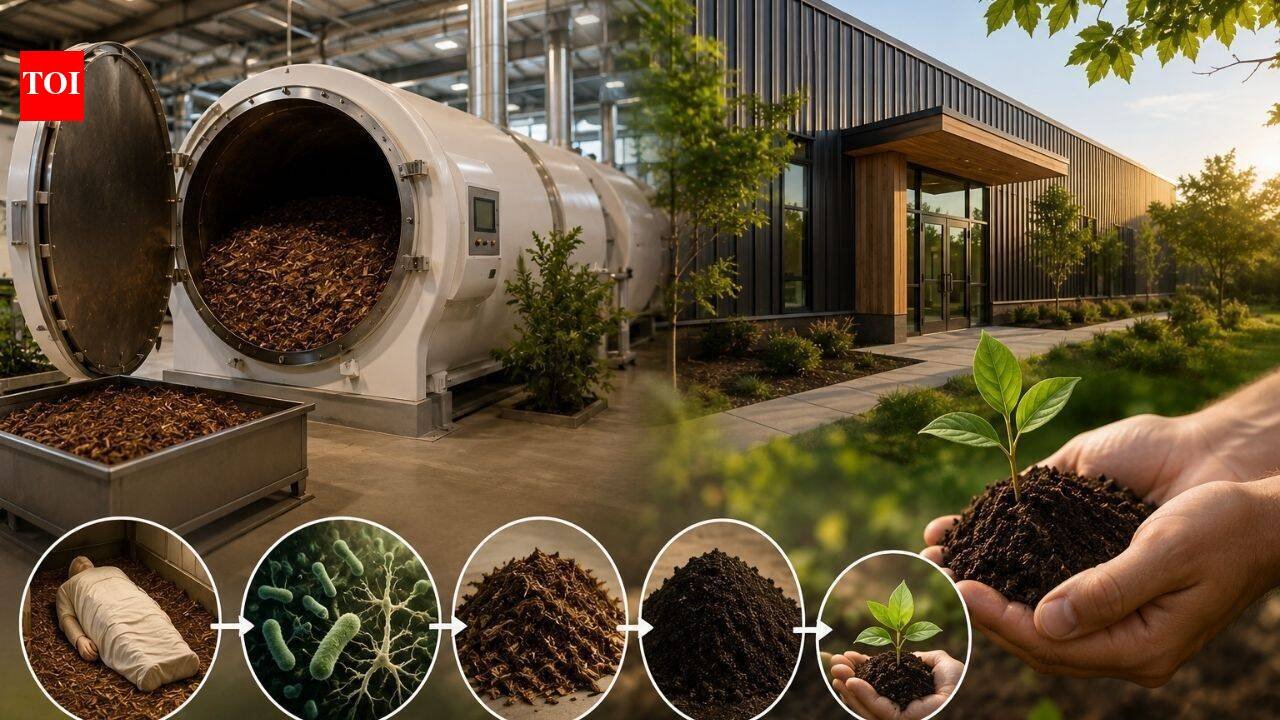
Maryland’s first human composting facility offers an alternative to burial and cremation through natural organic reduction

Maryland's first human composting facility offers an alternative to burial and cremation through natural organic reduction

Representative Image (AI-generated) Maryland is giving residents a new option for what happens to their bodies after death. According to WYPR, a public radio station serving Maryland, the state is now home to what is described as the nation’s largest human composting facility: a 37,000-square-foot facility in Elkridge operated by Earth Funeral. The facility uses … Read more