In 1917, Hawaii planted albizia to restore slopes; after 2014's Hurricane Iselle, the brittle invader helped drive $13 million in utility repairs
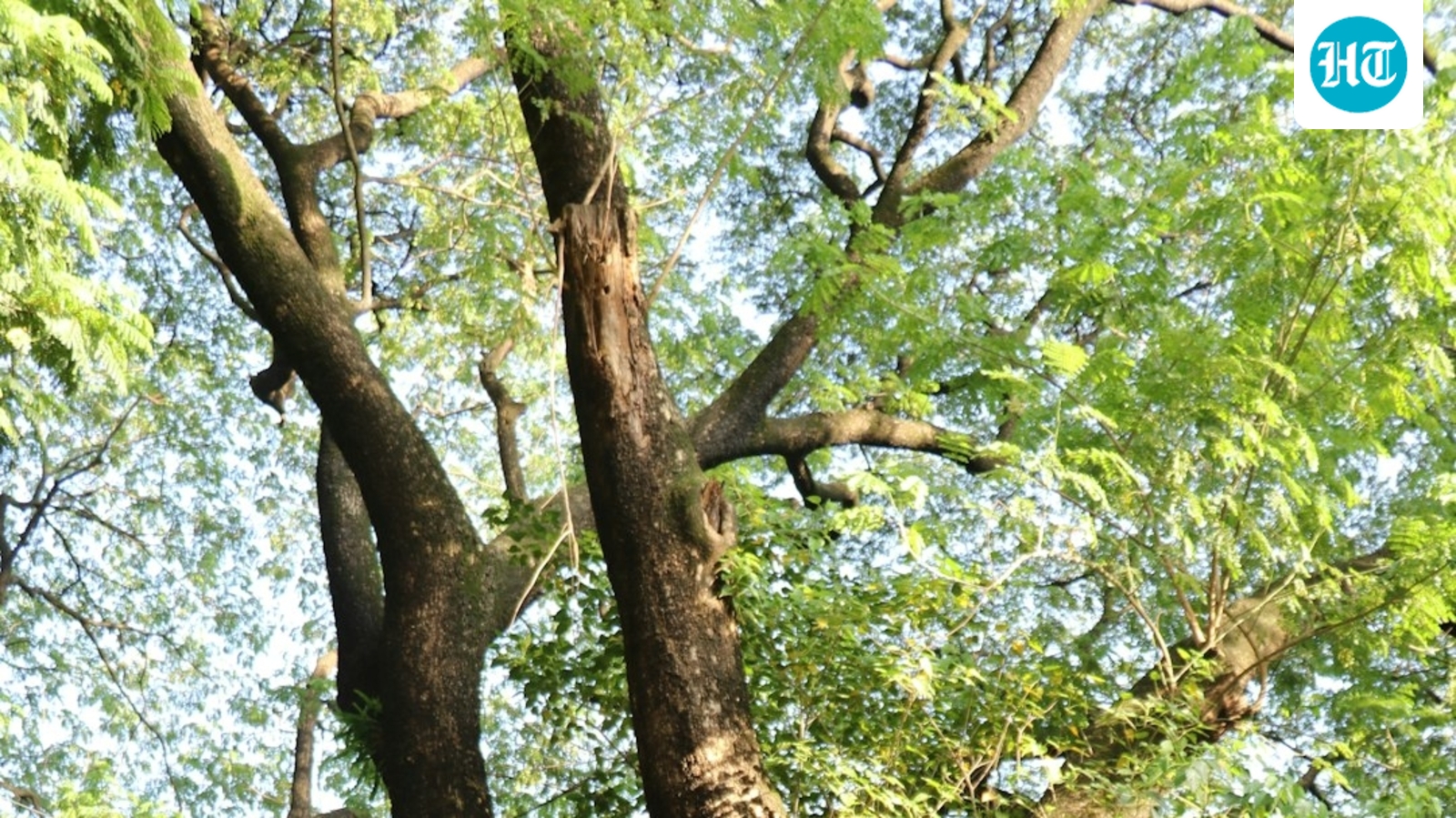
Albizia was planted in Hawaiʻi to help eroding hillsides. More than a century later, it is a costly invader. (Unsplash)

Hawaii once planted a tree to protect its hillsides. Today, that same tree is associated with damaged homes and costly power repairs. The Big Island Invasive Species Committee, a group based on Hawaii Island, says foresters brought albizia to Hawaii because they wanted trees that grew quickly on eroding slopes. But the plan backfired over … Read more
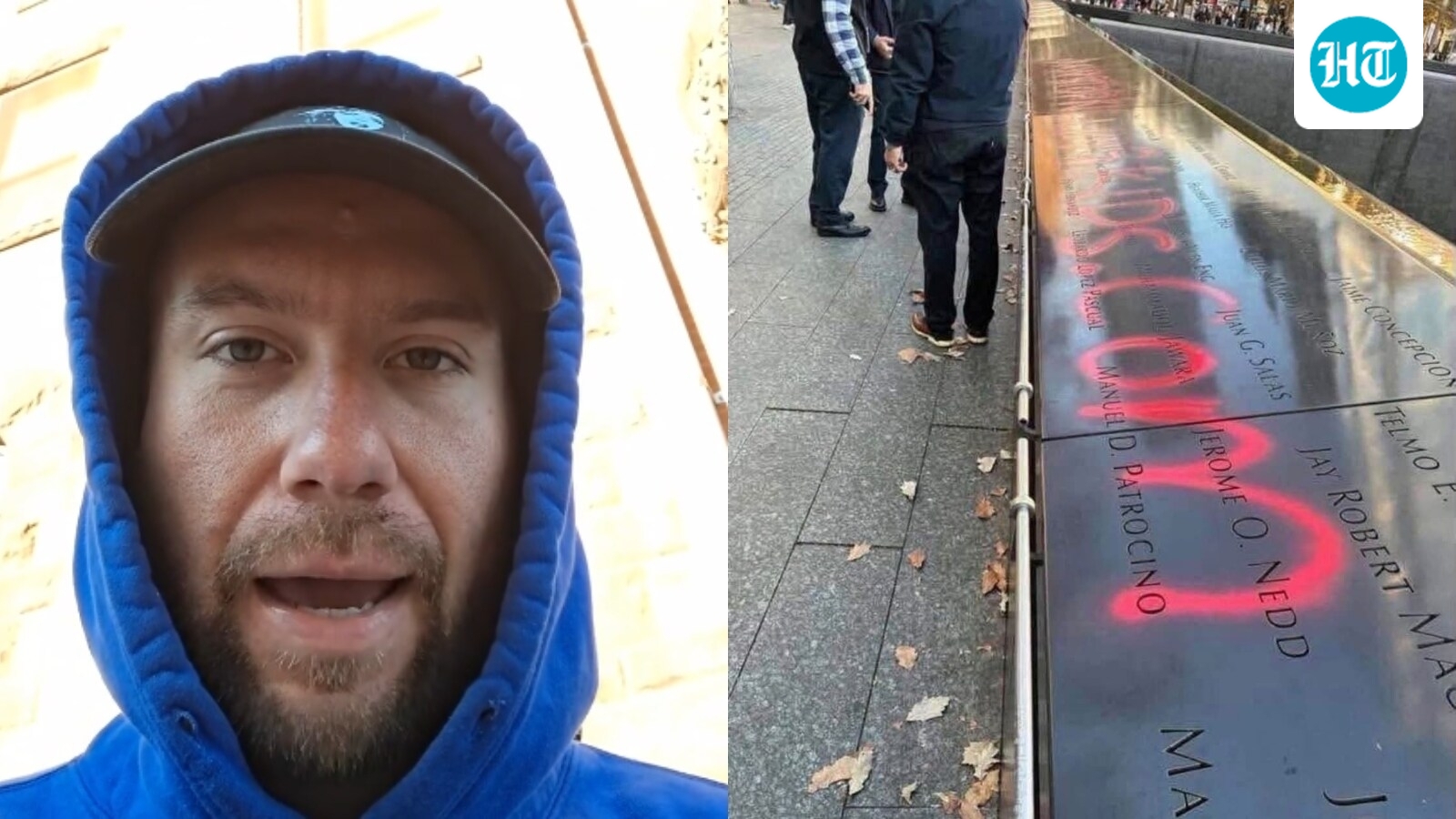
Johnathan Tijerina: Gun regulation activist charged over 9/11 Memorial vandalism in NYC; had spray painted juststopkillingkids

Johnathan Tijerina has been charged with vandalizing the 9/11 Memorial in New York City. (Instagram/juststopkillingkids, X/@Littletrae64)

Johnathan Tijerina, a gun regulation activist, has been charged over allegedly vandalizing the 9/11 Memorial in lower Manhattan, New York City. The incident took place on Monday evening with Tijerina posting about his deeds on social media. Johnathan Tijerina has been charged with vandalizing the 9/11 Memorial in New York City. (Instagram/juststopkillingkids, X/@Littletrae64) He allegedly … Read more

A New Hampshire dam built in 1929 to power one sawmill outlived the mill by decades; its 2024 removal reopened nearly 40 miles of brook trout habitat

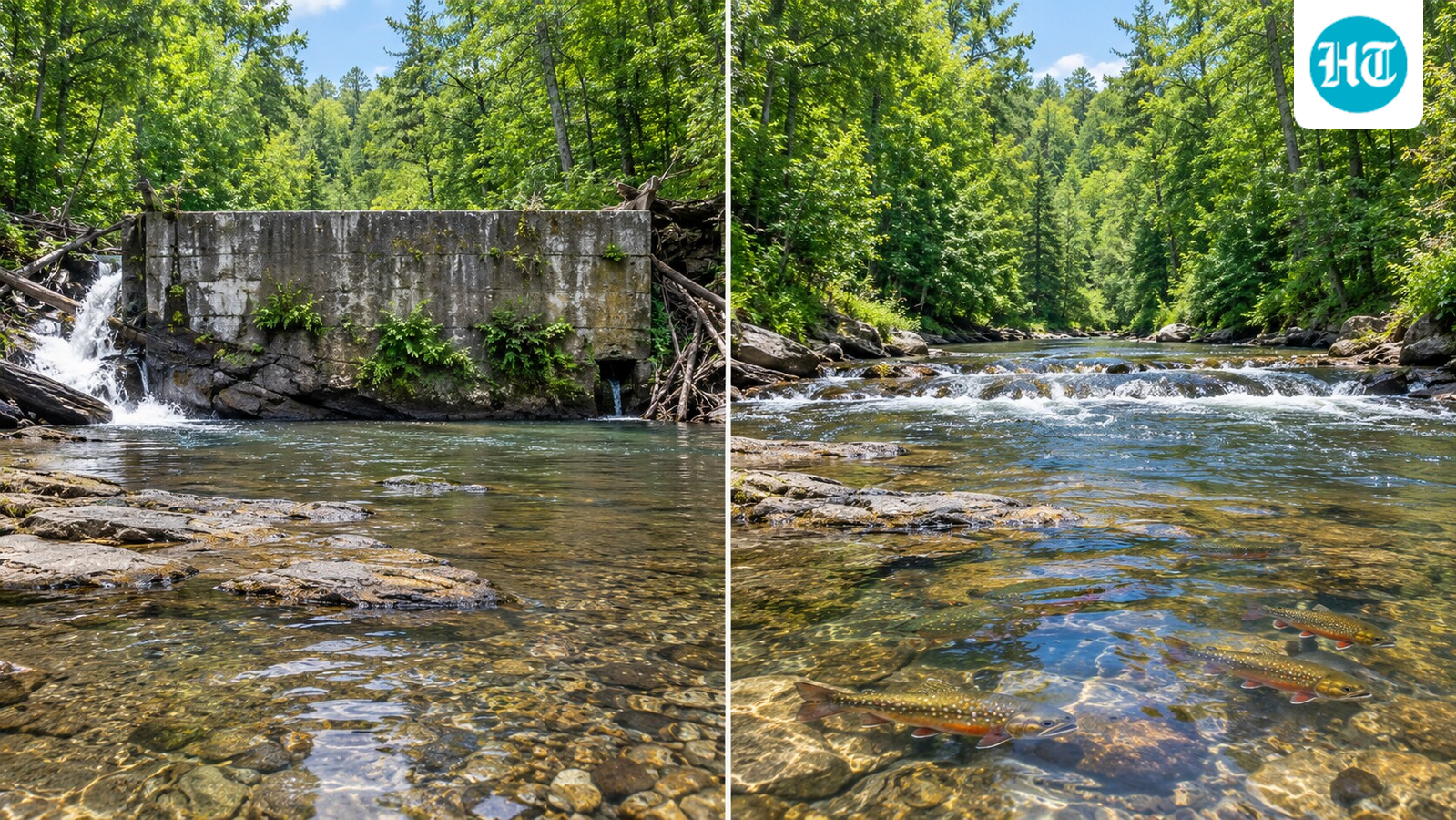
With the dam gone, the river runs free again, and brook trout have access to cold, clean upstream water. (AI-generated/ChatGPT)

Some old structures just refuse to go away. One stood in a river in Colebrook, New Hampshire, for 95 years. According to a January 2025 story from the U.S. Fish and Wildlife Service, the complete removal of the Washburn Mill Dam in October 2024 has restored access to nearly 40 miles of excellent brook trout … Read more

In 2004, Ken Griffey Jr. bought 11.58 lakefront acres near Orlando for $2.575 million; the custom-built mansion is now listed for $27 million

Ken Griffey Jr.’s Windermere mansion is listed for $27 million, making it the Orlando area’s most expensive home for sale, according to Orlando Weekly. The three-story estate features seven bedrooms, extensive indoor and outdoor amenities, and community boat-ramp access to the Butler Chain of Lakes. (Getty Images via AFP)

Ken Griffey Jr. paid $2.575 million for a lakefront property outside Orlando in April 2004, while he was still playing for the Cincinnati Reds. Now the Baseball Hall of Famer wants $27 million for what stands there today: a custom-built mansion in Windermere, Florida, that Orlando Weekly calls the most expensive home for sale in … Read more

Leimert Park: Shooting reported in Los Angeles neighborhood amid Black LA Votes Party meeting

A shooting was reported in the Leimert Park neighborhood of Los Angeles. Image for representational purposes. (Unsplash)

A shooting reportedly took place in the Leimert Park neighborhood of Los Angeles on October 27. A Black LA Votes Party meeting was going on there at the time. A shooting was reported in the Leimert Park neighborhood of Los Angeles. Image for representational purposes. (Unsplash) Joshua Blakeham, an attendee and local shared news of … Read more

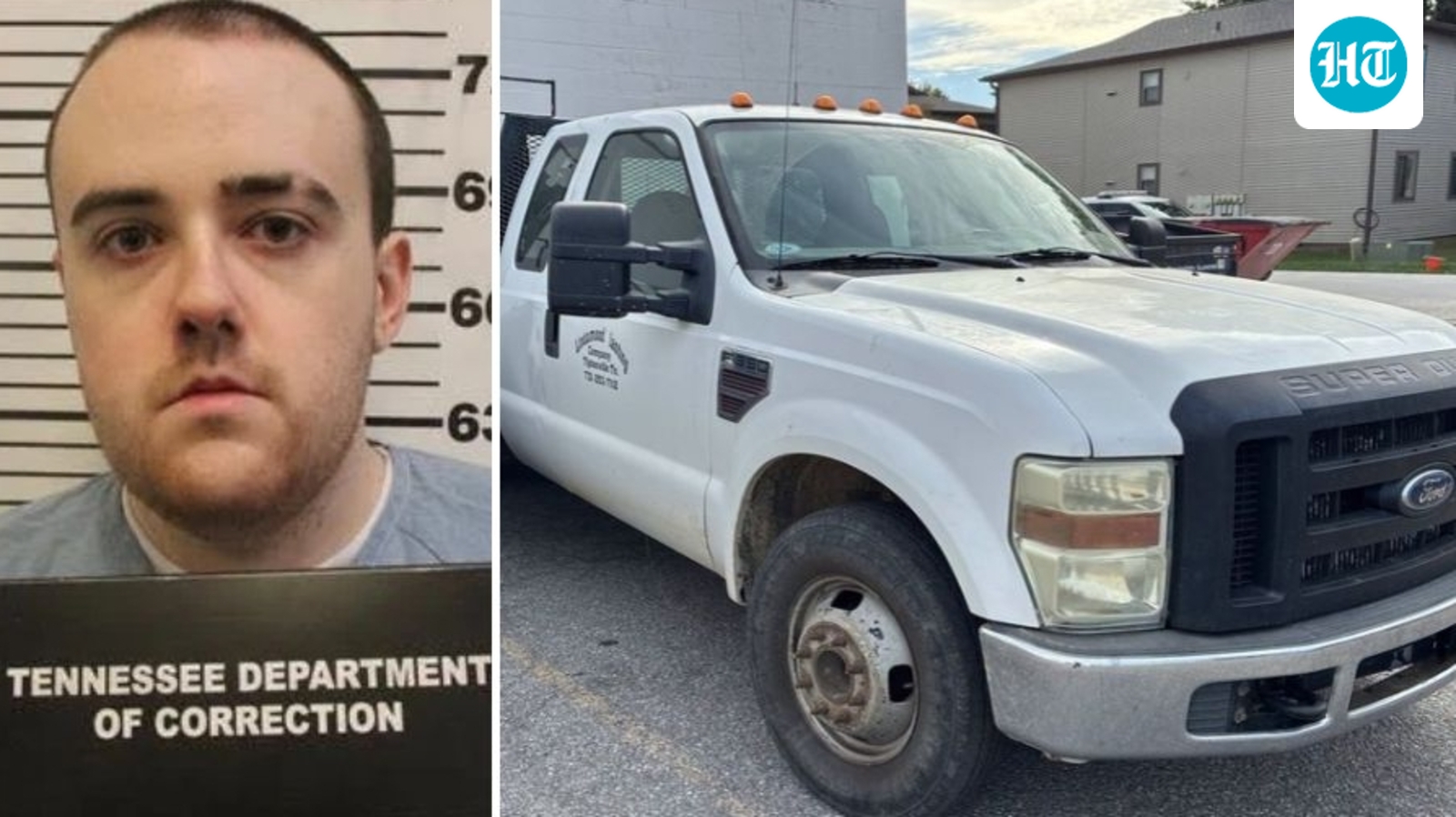
Jacob Morley update: Escaped Tennessee prison inmate's stolen car found, but convict remains missing

Escaped Tennessee prison inmate Jacob Morley's stolen car found, but convict remains missing (Tennessee Department of Correction/Facebook, Tennessee Bureau of Investigation/Facebook)

The Tennessee Bureau of Investigation has shared an update on Jacob Allen Morley, a Tennessee inmate who escaped from prison while serving a life sentence. The bureau said that a vehicle he stole has been found, but Morley, 28, remains missing. Escaped Tennessee prison inmate Jacob Morley’s stolen car found, but convict remains missing (Tennessee … Read more

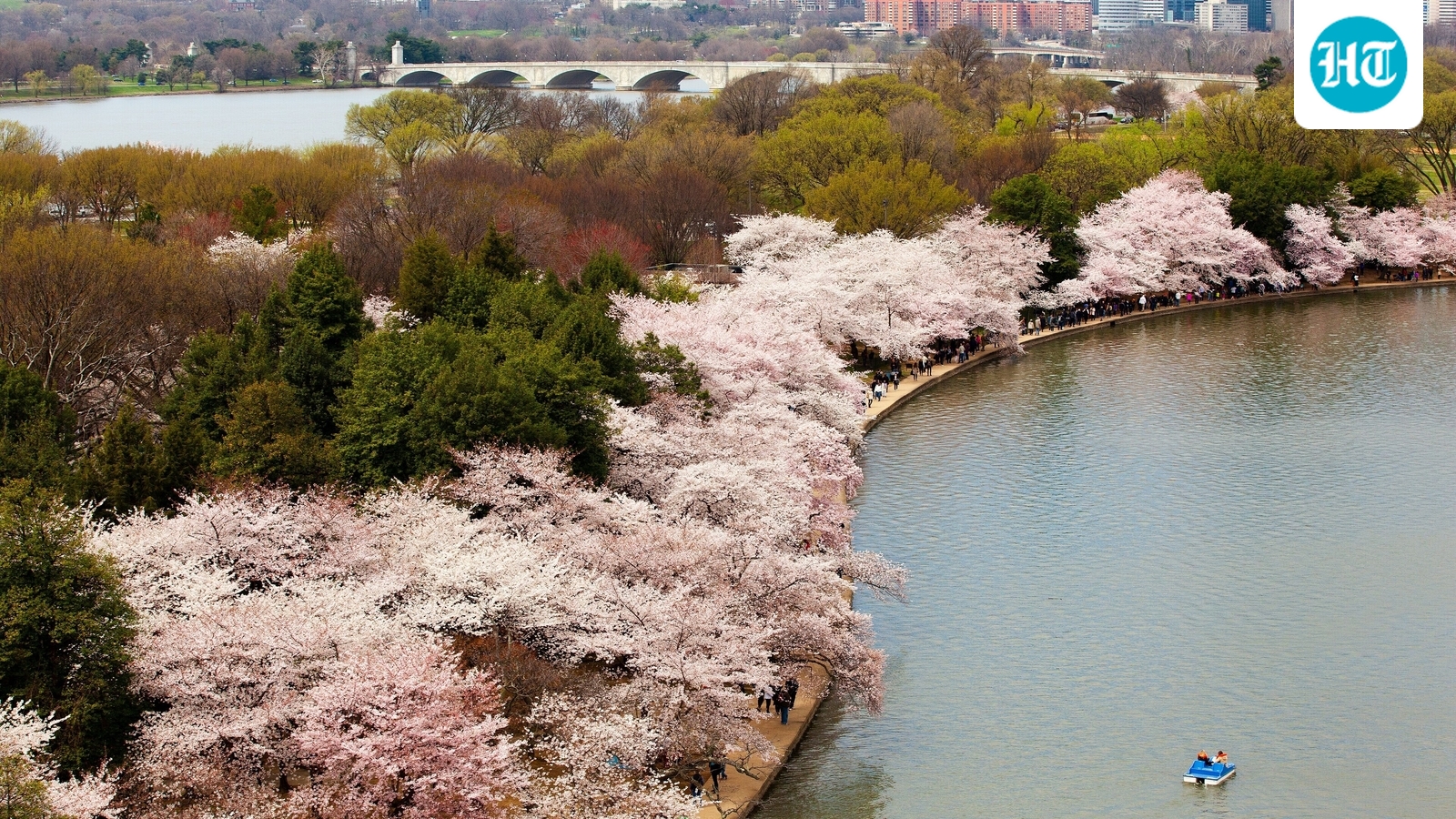
In 1910, Japans gift of 2,000 cherry trees to Washington was burned after pest checks, helping spur a new US plant-quarantine law

The first Japanese cherry trees sent to Washington in 1910 were burned after inspectors found pests. The episode strengthened support for the Plant Quarantine Act of 1912. Japan sent 3,020 replacement trees, two of which were planted on the Tidal Basin in 1912, beginning a lasting tradition. (Wikimedia Commons)

Every spring, Washington, D.C., turns pink and white, and crowds gather along the Tidal Basin to take photos. Few know that the first cherry trees Japan sent to the capital ended up in a bonfire. U.S. Customs and Border Protection says the trees had to be destroyed because of an insect infestation. The incident helped … Read more

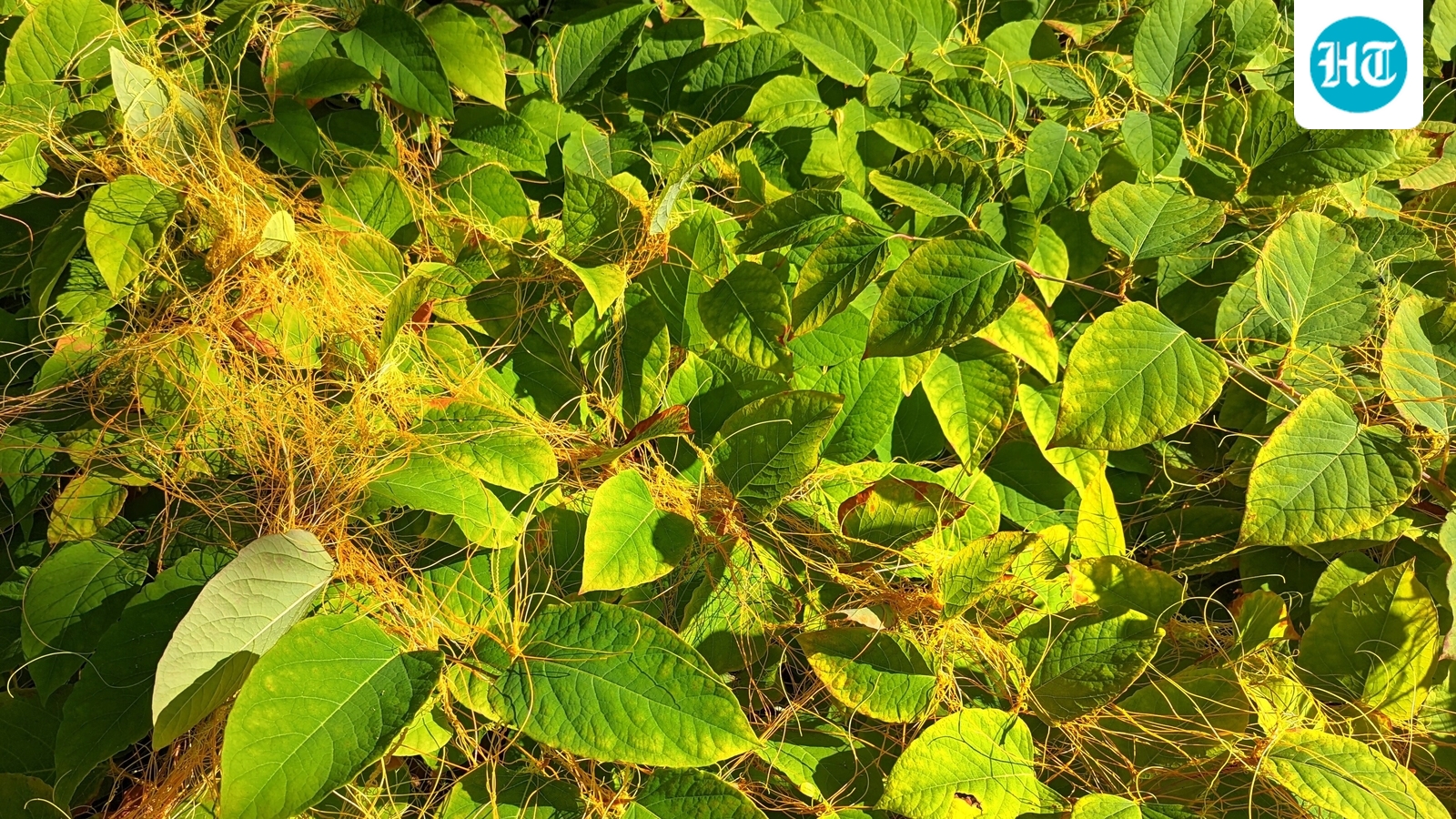
In the 1860s, Thomas Hogg sent Japanese knotweed to his brothers New York nursery; within decades, the ornamental had become a serious pest

Introduced to North America in the 1860s, Japanese knotweed was once admired for its appearance and practical uses. Its rapid growth later made it a persistent nuisance. The plant spreads through underground rhizomes and tiny stem fragments, forming dense stands that can shade out other vegetation. (Wikimedia Commons)

In 1862, President Abraham Lincoln appointed Thomas Hogg U.S. marshal to Japan, and over the following years, Hogg sent plants home to his brother James, who ran a nursery in the Yorkville section of Manhattan. One of them was Japanese knotweed. A 2017 paper in the Journal of the Torrey Botanical Society by Peter Del … Read more

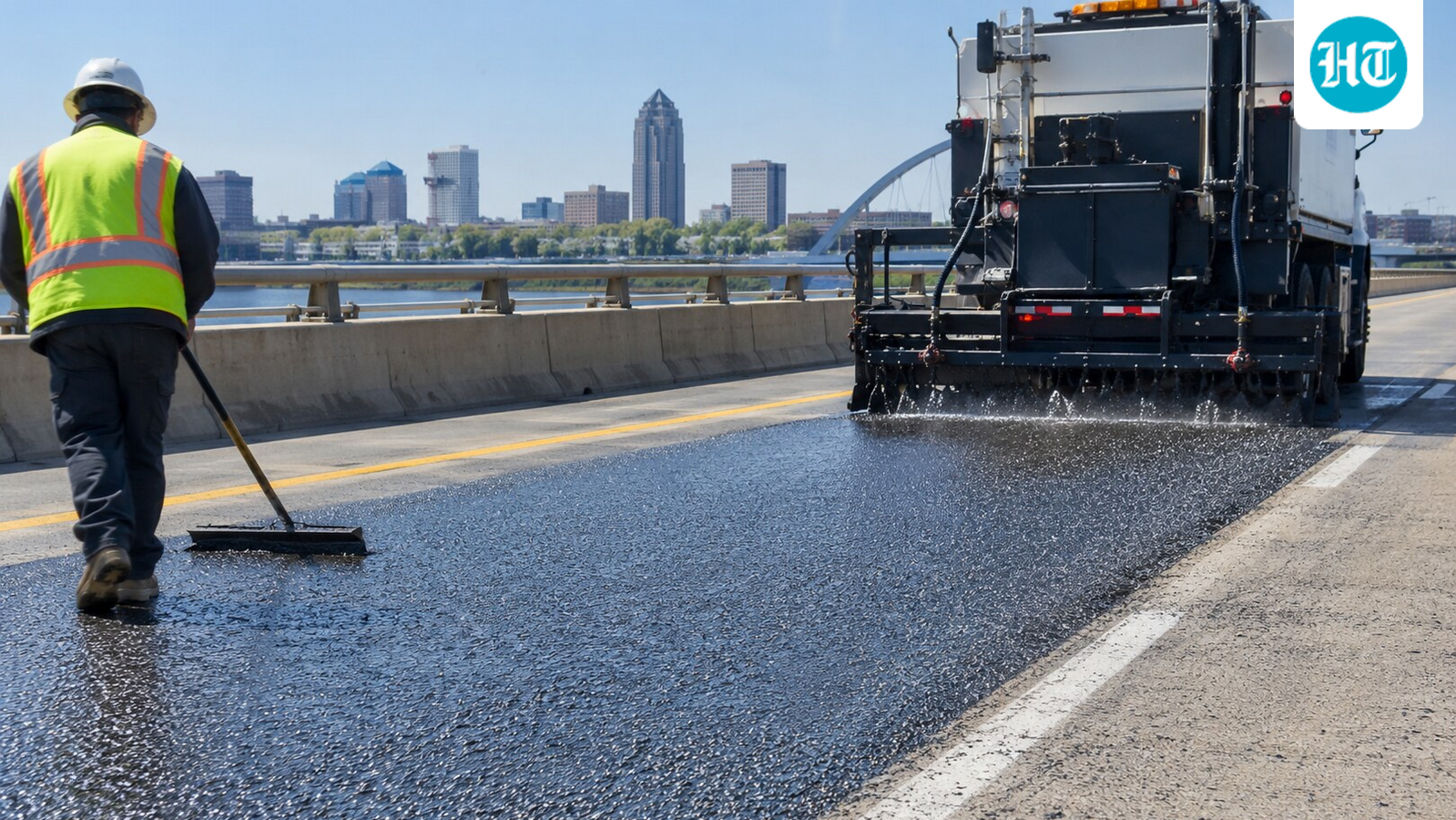
In 2012, Iowa treated a crash-prone urban bridge with a high-friction surface; skid readings rose from 30s–40s to 90s–100s, with 4 crashes in a year

Representative image of a bridge roadway improved with a high-friction surface to enhance tire grip and reduce crash risks. (AI-generated/ ChatGPT)

A busy bridge in Cedar Rapids, Iowa, became a recurring trouble spot for drivers, especially when rain or ice reduced the road surface’s grip. In the years before 2012, more than 54 crashes were recorded at the location, prompting transportation officials to look for a solution that could improve safety without shutting down a major … Read more

In 2007, Pennsylvania coated an 800-foot crash-prone curve with high-friction surfacing; the site had no wet-road crashes for the next eight years

Representative image of a winding roadway treated with a high-friction surface to improve tire grip and reduce wet-weather crashes. (AI-generated)

A sharp curve on Pennsylvania’s Route 611 had a persistent safety problem that conventional road signs and markings could not solve. When rain covered the pavement, drivers faced a combination of low surface friction and difficult road geometry, increasing the risk of skidding and leaving the roadway. In 2007, the Pennsylvania Department of Transportation (PennDOT) … Read more