New Zealand spent 14 years removing pests and weeds from Abel Tasman; the national park now has flourishing native wildlife and restored forest
New Zealand spent 14 years removing pests and weeds from Abel Tasman; the national park now has flourishing native wildlife and restored forest

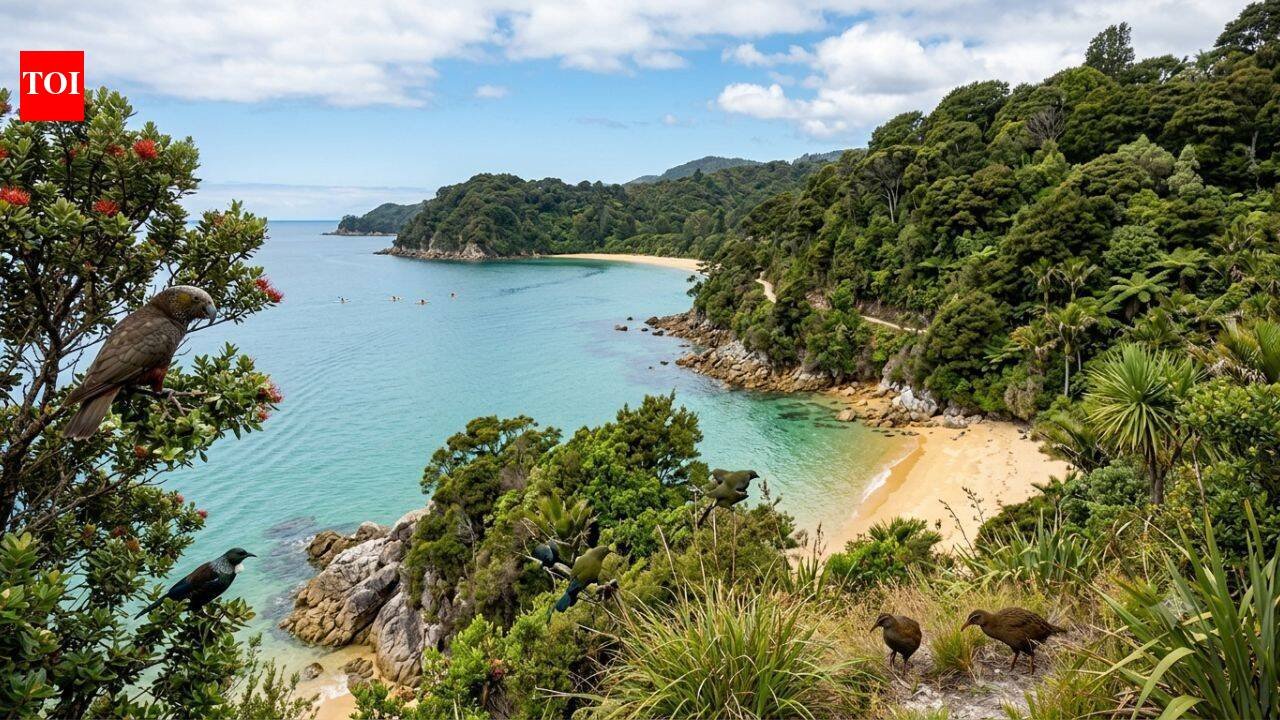
AI Representational Image The Abel Tasman National Park can still look much as visitors might expect from a New Zealand wilderness: forest, rivers, beaches and a coastline opening onto the sea. Yet beneath that familiar scenery, the park has undergone a long ecological repair. According to the Project Janszoon official website it began in 2012, … Read more
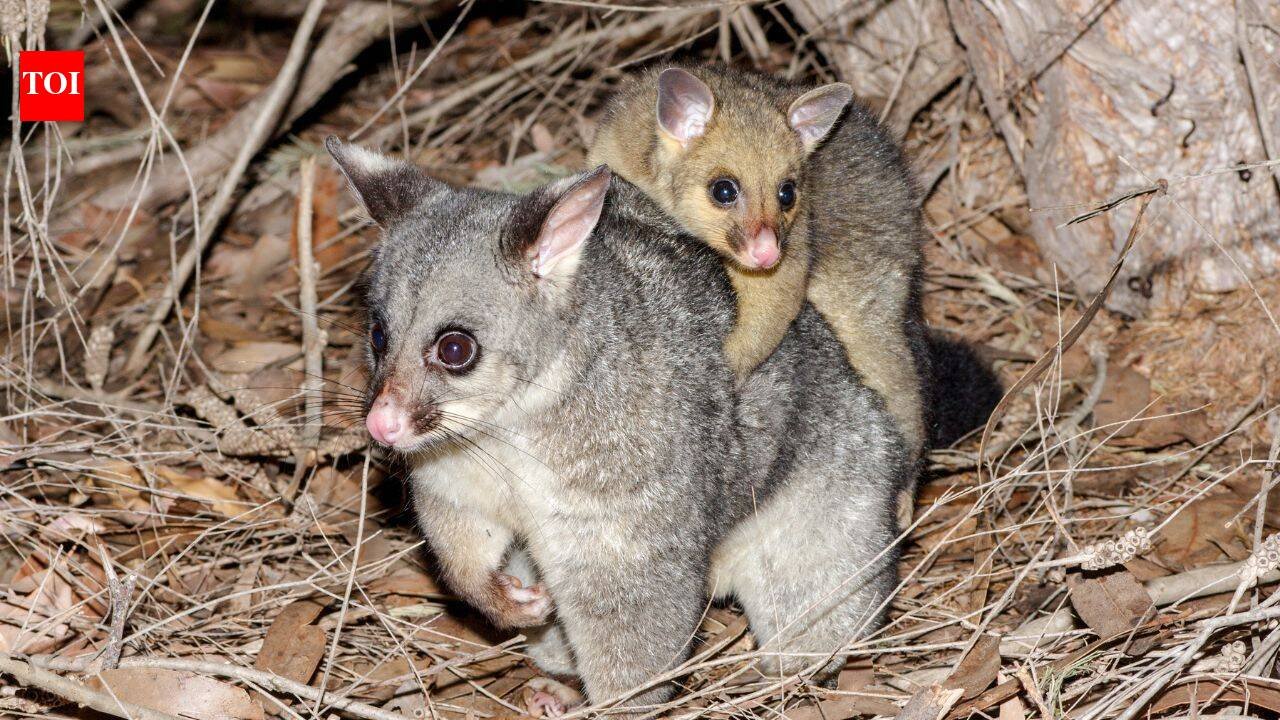
In 1837, New Zealand imported possums for a fur trade; 189 years later, aerial photos show they have damaged about half the vulnerable trees in one rare South Island forest

In 1837, New Zealand imported possums for a fur trade; 189 years later, aerial photos show they have damaged about half the vulnerable trees in one rare South Island forest

PossumsRepresentative image In 1837, New Zealand introduced Australian brushtail possums in the hope of building a profitable fur industry. The animals were expected to provide valuable pelts and help create a new rural economy, but the experiment had consequences that stretched far beyond anyone’s expectations. Nearly two centuries later, possums have become one of the … Read more

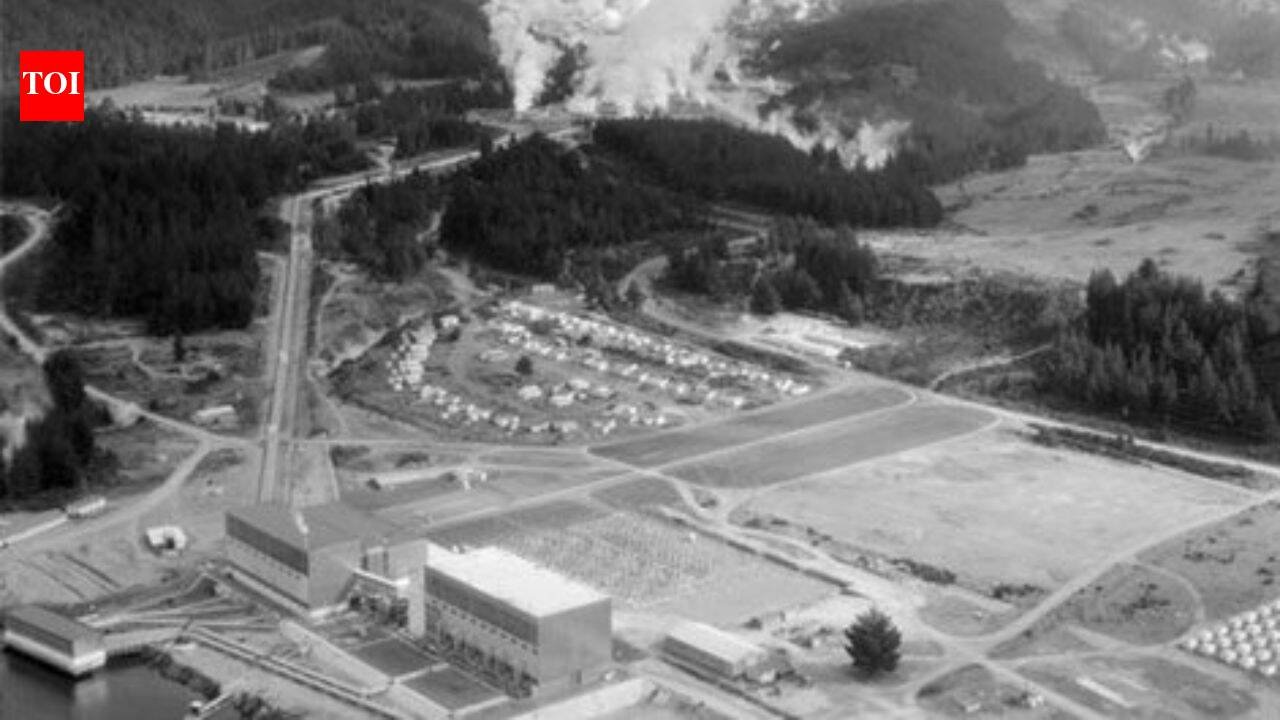
In 1958, New Zealand built a power station over a volcanic field; it became the world’s first to generate electricity from geothermal flash steam

In 1958, New Zealand built a power station over a volcanic field; it became the world's first to generate electricity from geothermal flash steam

Wairākei geothermal field in July 1978. Image Credit: Engineering New Zealand Wairākei Power Station in New Zealand changed the way geothermal heat could be turned into electricity when it was commissioned in 1958. Built beside the Waikato River, north of Taupō, the station drew on hot underground water beneath an active volcanic zone. Instead of … Read more

A New Zealand sailor spent years living alone on a remote Cook Islands atoll across three separate stays; a year after his final stay ended, Suwarrow was declared a national park

A New Zealand sailor spent years living alone on a remote Cook Islands atoll across three separate stays; a year after his final stay ended, Suwarrow was declared a national park

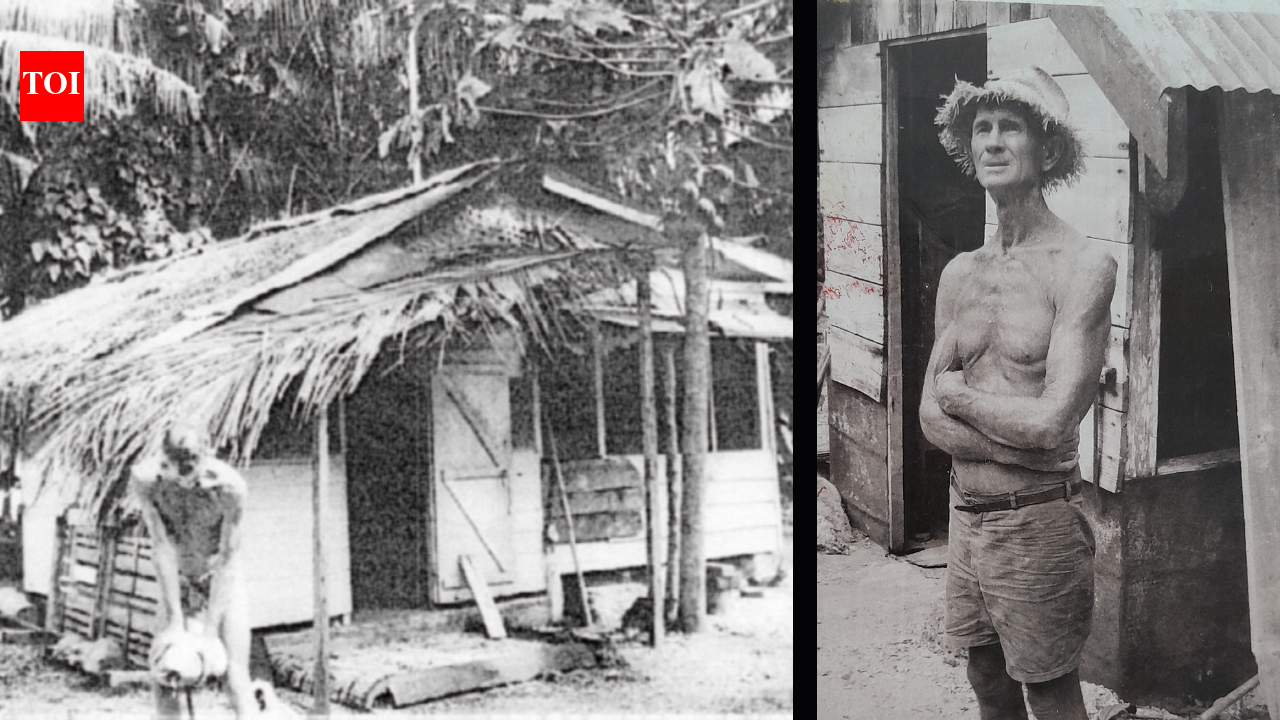
Tom Neale on Suwarrow: Highlights the story’s main protagonist living his solitary life on the remote Cook Islands atoll. A remote Pacific atoll that was once the solitary kingdom of a New Zealand sailor has secured a lasting future, transforming from a hermit’s retreat into the first conservation sanctuary in the Cook Islands. Suwarrow, an … Read more

In 1867, New Zealand introduced brown trout for sport fishing; more than 60 million were released by 1921, and the invader later caused local extinctions and fragmented native fish populations

In 1867, New Zealand introduced brown trout for sport fishing; more than 60 million were released by 1921, and the invader later caused local extinctions and fragmented native fish populations

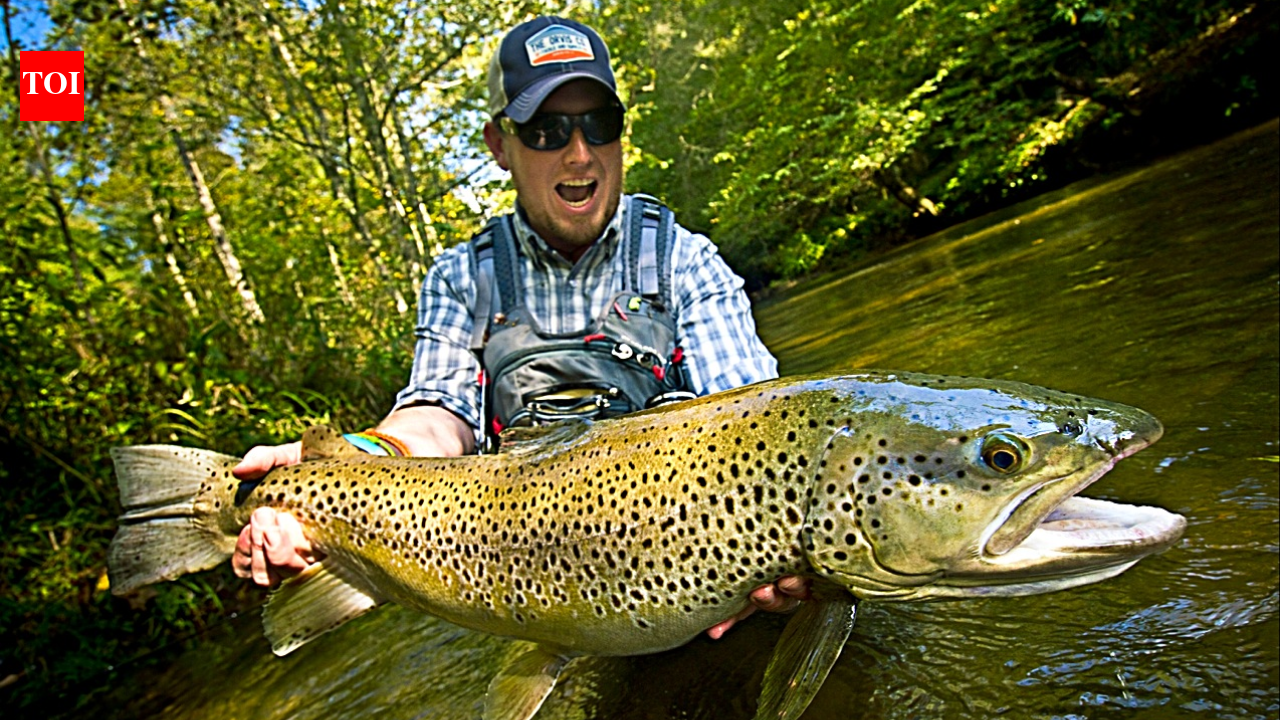
New Zealand introduced brown trout for sport fishing When British settlers packed thousands of brown trout ova onto ships bound for the Antipodes in 1867, they hoped to recreate the sport fishing they knew from Europe. Over the next five decades, acclimatisation societies bred and released more than 60 million brown trout into waterways across … Read more

In 1885, New Zealand released European hedgehogs as garden pest killers; 140 years later, DOC calls them a major threat to native wildlife and one can empty an endangered tern colony of nesting birds

In 1885, New Zealand released European hedgehogs as garden pest killers; 140 years later, DOC calls them a major threat to native wildlife and one can empty an endangered tern colony of nesting birds

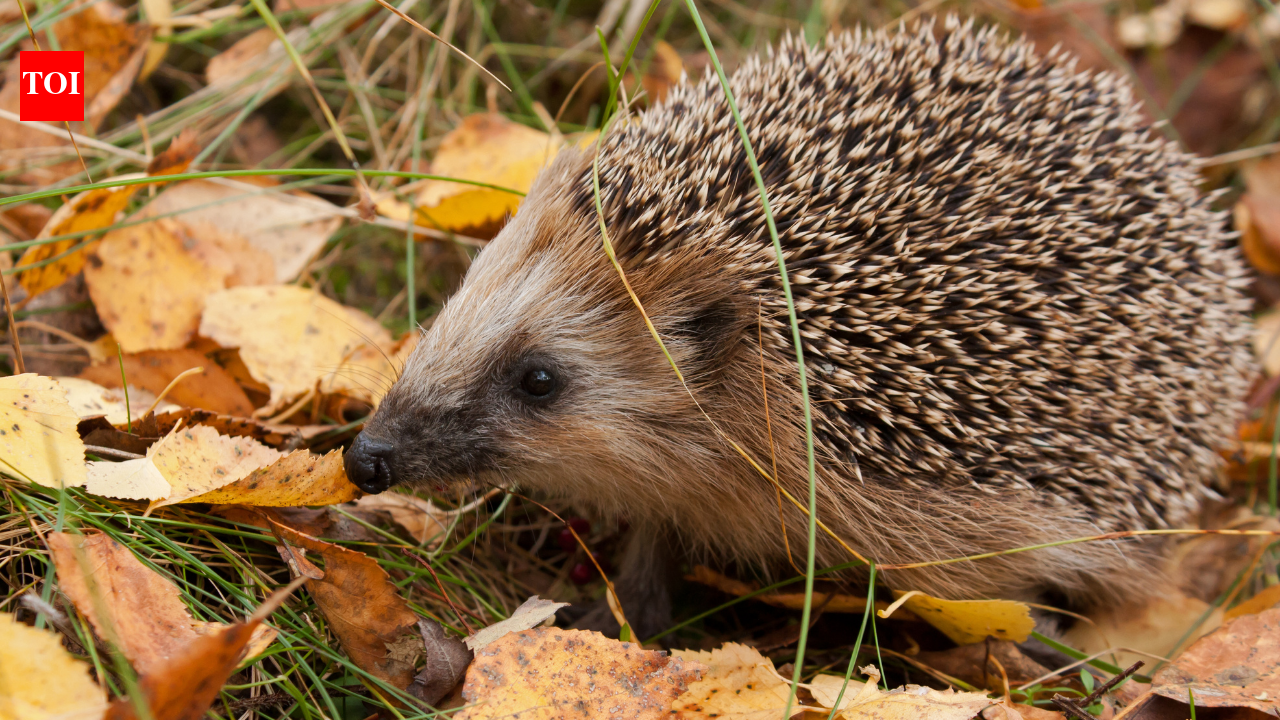
European hedgehog (Image Credit: Canva) What was once seen as a useful garden helper in New Zealand has become an unexpected threat to some of the country’s most vulnerable wildlife. European hedgehogs were deliberately introduced to New Zealand in the 19th century, with acclimatisation societies releasing them in the hope that they would help control … Read more