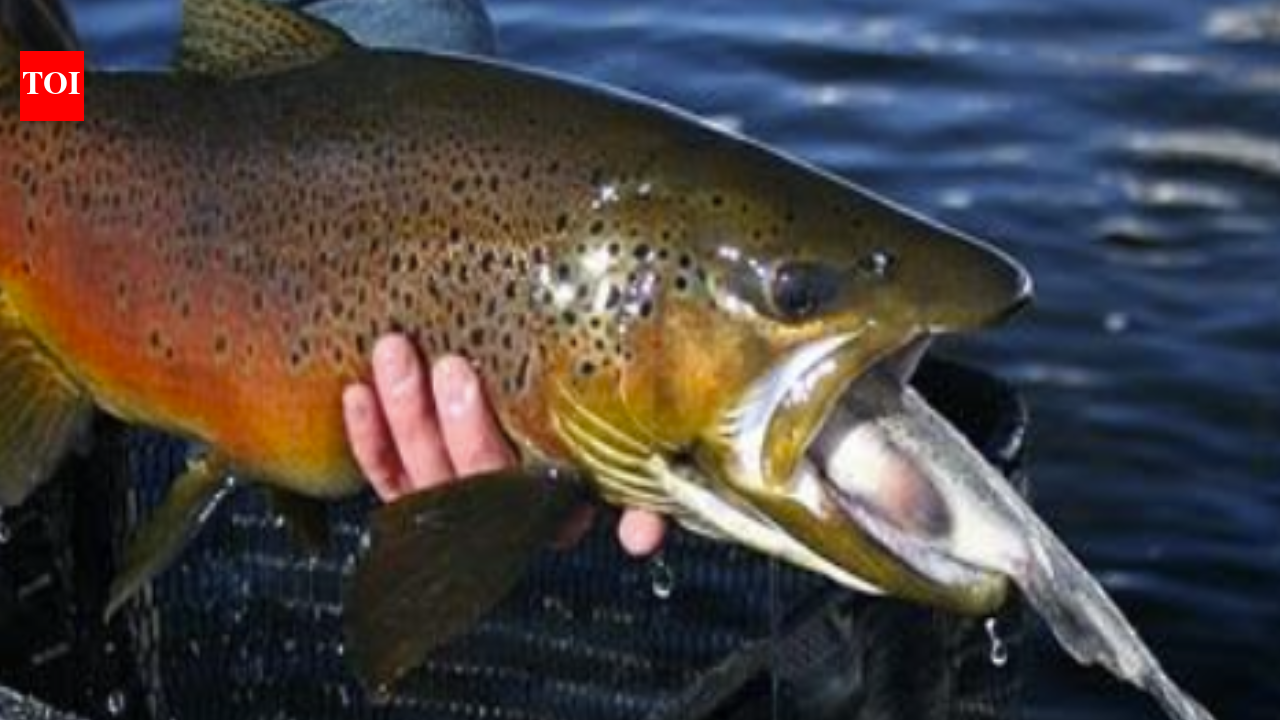
In 2001, California began removing non-native trout from high-Sierra lakes; by 2011 nearly 44,000 fish were removed from 19 lakes, as frogs in three restoration lakes rose from about 190 to over 18,800
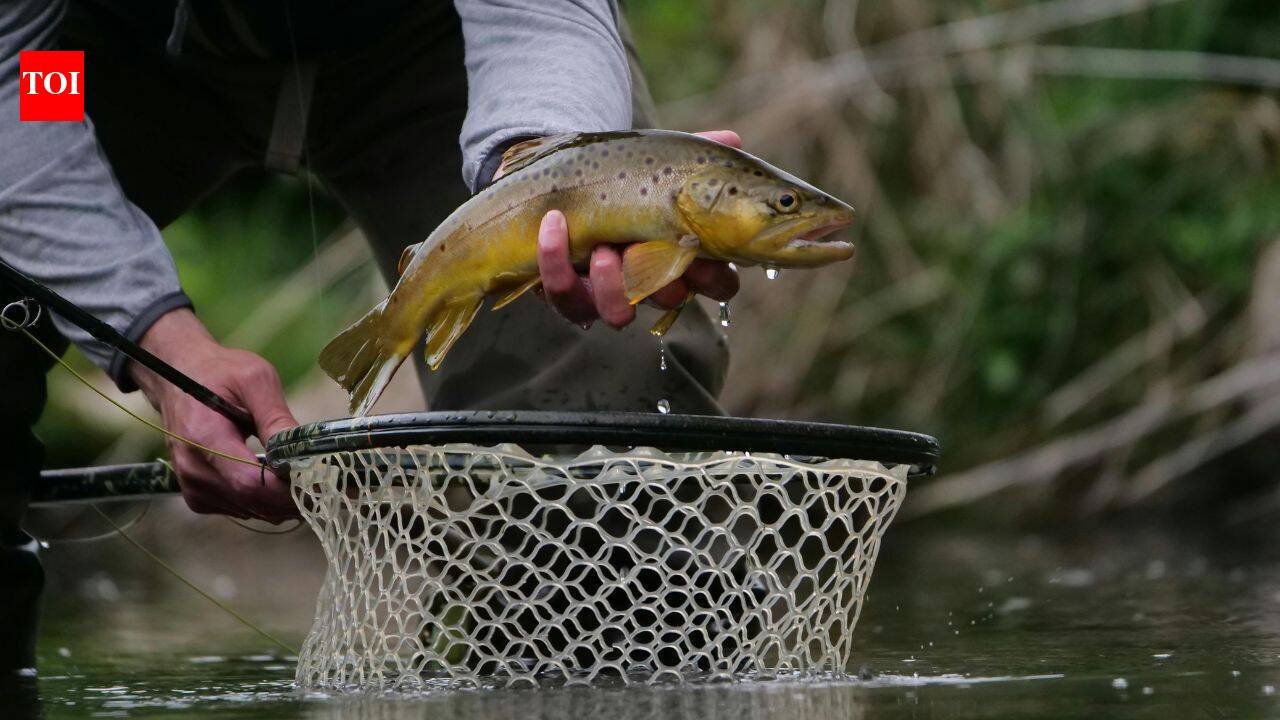
In 2001, California began removing non-native trout from high-Sierra lakes; by 2011 nearly 44,000 fish were removed from 19 lakes, as frogs in three restoration lakes rose from about 190 to over 18,800

High in California’s Sierra Nevada, a conservation project changed the future of a disappearing amphibian. In 2001, staff at Sequoia and Kings Canyon National Parks began removing non-native trout from selected lakes and streams, restoring water bodies that had historically been home to mountain yellow-legged frogs but were naturally fishless. By 2011, nearly 44,000 trout … Read more
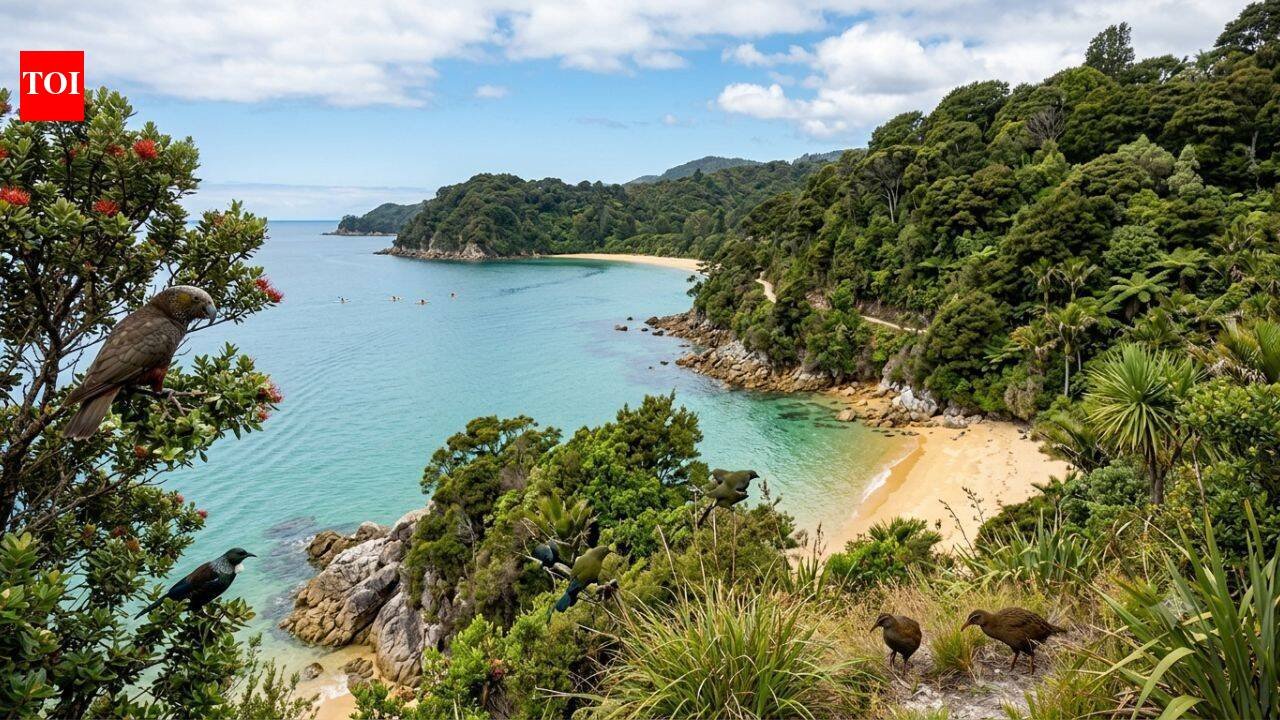
New Zealand spent 14 years removing pests and weeds from Abel Tasman; the national park now has flourishing native wildlife and restored forest

New Zealand spent 14 years removing pests and weeds from Abel Tasman; the national park now has flourishing native wildlife and restored forest

AI Representational Image The Abel Tasman National Park can still look much as visitors might expect from a New Zealand wilderness: forest, rivers, beaches and a coastline opening onto the sea. Yet beneath that familiar scenery, the park has undergone a long ecological repair. According to the Project Janszoon official website it began in 2012, … Read more

In 2013, St Agnes and Gugh began removing invasive rats brought by 18th-century shipwrecks; 12 years later, Manx shearwater breeding sites rose from 22 to a record 225

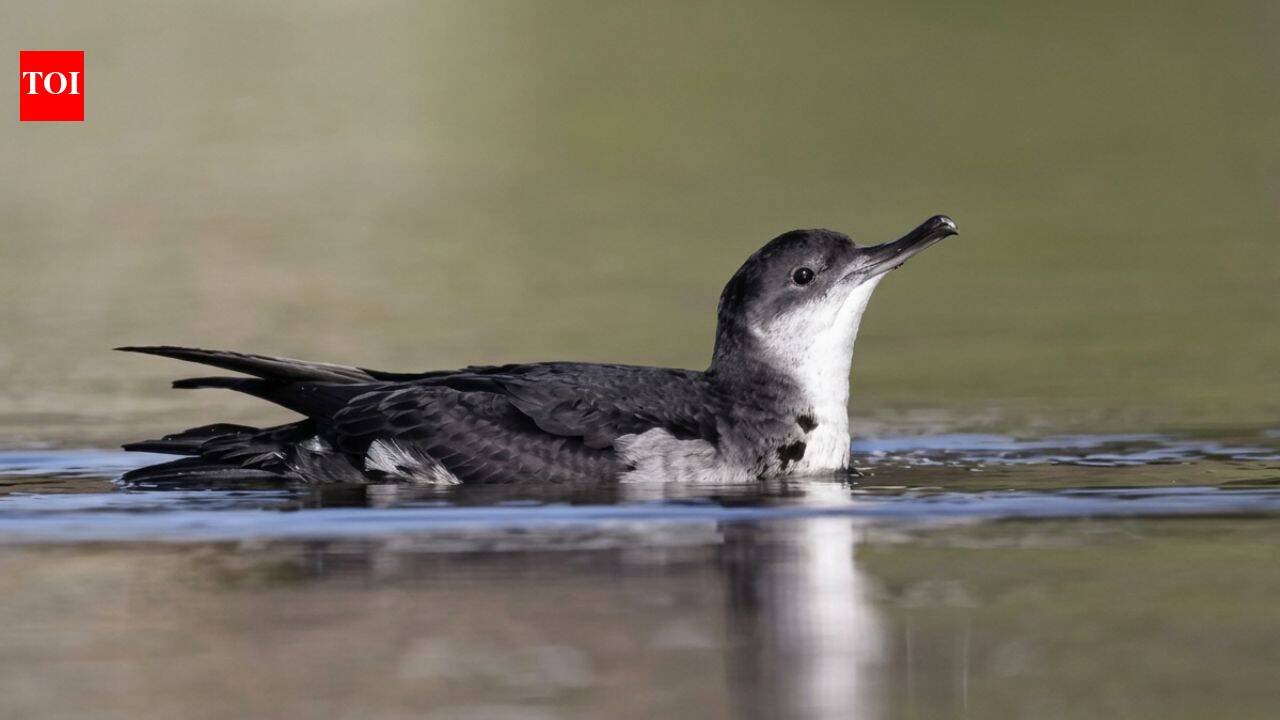
In 2013, St Agnes and Gugh began removing invasive rats brought by 18th-century shipwrecks; 12 years later, Manx shearwater breeding sites rose from 22 to a record 225

In the latest 2025 monitoring data, St Agnes and Gugh recorded 225 apparently occupied breeding sites (AOBs) for Manx shearwaters In 2013, a major conservation effort began on St Agnes and Gugh in the Isles of Scilly to remove brown rats that had been harming nesting seabirds. According to the Isles of Scilly Wildlife Trust, … Read more

In 2013, California began removing millions of purple urchins from barren reefs; seven years later, more than 55 acres of kelp forest had returned

In 2013, California began removing millions of purple urchins from barren reefs; seven years later, more than 55 acres of kelp forest had returned

Kelp forests are among the most productive ecosystems in the ocean. They provide habitat for fish and invertebrates while supporting marine mammals and other wildlife. [Photo credit: Enric Sala, National Geographic] Beneath the waves off Southern California, a once-lush underwater forest had been reduced to something resembling a desert. Kelp that had provided shelter and … Read more

Do we want to deport foreign doctors? Immigration firm CEO asks if US is ready to lose medical professionals, AI engineers by removing 60-day grace period

Do we want to deport foreign doctors? Immigration firm CEO asks if US is ready to lose medical professionals, AI engineers by removing 60-day grace period

US CEO asks if US is ready to deport foreign doctors or AI engineers through the elimination of the 60-day grace period. The CEO of an immigration firm in Seattle, Xiao Wang, questioned the DHS proposal to eliminate the 60-day grace period allowed to job visa holders in case they get laid off and asked … Read more

​​For years, visitors covered Seattle’s Gum Wall with chewed gum; in 2015 workers spent 130 hours removing 2,350 pounds to stop the sugar from eroding its bricks

​​For years, visitors covered Seattle's Gum Wall with chewed gum; in 2015 workers spent 130 hours removing 2,350 pounds to stop the sugar from eroding its bricks

By 2015, estimates suggested that around one million pieces of chewing gum had found their way onto the wall. Some landmarks are built with steel, stone or glass. Seattle has one made largely of something far less permanent: chewing gum. Tucked beneath the famous Pike Place Market, the Seattle Gum Wall has spent decades attracting … Read more

Canada planted a pine forest where a rare savanna once stood; removing the trees later brought back a richer ecosystem

Canada planted a pine forest where a rare savanna once stood; removing the trees later brought back a richer ecosystem

​Representative Image of a thriving savanna ecosystem flourishing after pine forest removal, with diverse native plants and insects (AI-generated image) A patch of rare savanna habitat in the Ottawa Valley has recovered remarkably well after decades under a planted pine forest, according to a study examining restoration efforts at a site called The Sandhills near … Read more

In 2003, crews began removing non-native fish from the Grand Canyon; by 2006 rainbow trout’s share of the catch had fallen from about 90% to under 10%

In 2003, crews began removing non-native fish from the Grand Canyon; by 2006 rainbow trout’s share of the catch had fallen from about 90% to under 10%

In the depths of the Grand Canyon, scientists were trying to give native fish a better chance of survival, by taking other fish out of the Colorado River. A four-year fish-removal experiment conducted between 2003 and 2006 dramatically changed the composition of fish being caught in one section of the river. According to a 2011 … Read more

In the 1960s, Florida drained land for a giant subdivision; in 2026, restoration finished after removing 260 miles of roads and plugging 48 miles of canals across 55,000 acres

In the 1960s, Florida drained land for a giant subdivision; in 2026, restoration finished after removing 260 miles of roads and plugging 48 miles of canals across 55,000 acres

Restoration work at Picayune Strand is helping restore wetlands across 55,000 acres in Southwest Florida. A major restoration project in Southwest Florida has been completed after years of work to bring the natural flow of water back to 55,000 acres of wetlands.According to officials, the Picayune Strand Restoration Project covers area between Alligator Alley and … Read more