
Hawaii introduced predatory beetles 13 times to control crop pests; the only species that established was one scientists never meant to introduce
Hawaii introduced predatory beetles 13 times to control crop pests; the only species that established was one scientists never meant to introduce

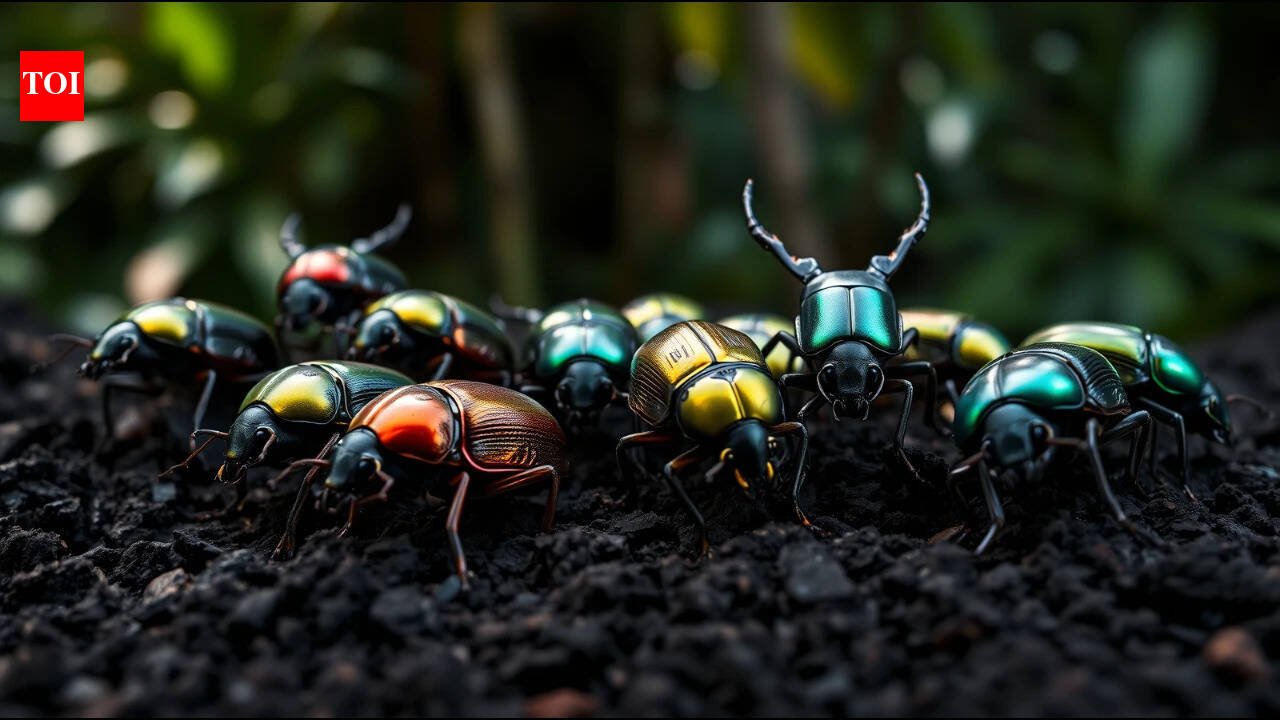
Representative Image of diverse Calosoma beetle species with a focus on their failed introductions to Hawaii (AI Generated Image) For six decades, scientists repeatedly introduced predatory beetles to Hawaii in an effort to control crop-damaging caterpillars, but none of the intentionally released species established a lasting population. A study published in Biological Control titled Calosoma … Read more

New Zealand spent 14 years removing pests and weeds from Abel Tasman; the national park now has flourishing native wildlife and restored forest

New Zealand spent 14 years removing pests and weeds from Abel Tasman; the national park now has flourishing native wildlife and restored forest

AI Representational Image The Abel Tasman National Park can still look much as visitors might expect from a New Zealand wilderness: forest, rivers, beaches and a coastline opening onto the sea. Yet beneath that familiar scenery, the park has undergone a long ecological repair. According to the Project Janszoon official website it began in 2012, … Read more

In 1935, black drongos were introduced on Rota to control crop pests; decades later the aggressive birds spread to Guam and became a threat to native birds

In 1935, black drongos were introduced on Rota to control crop pests; decades later the aggressive birds spread to Guam and became a threat to native birds

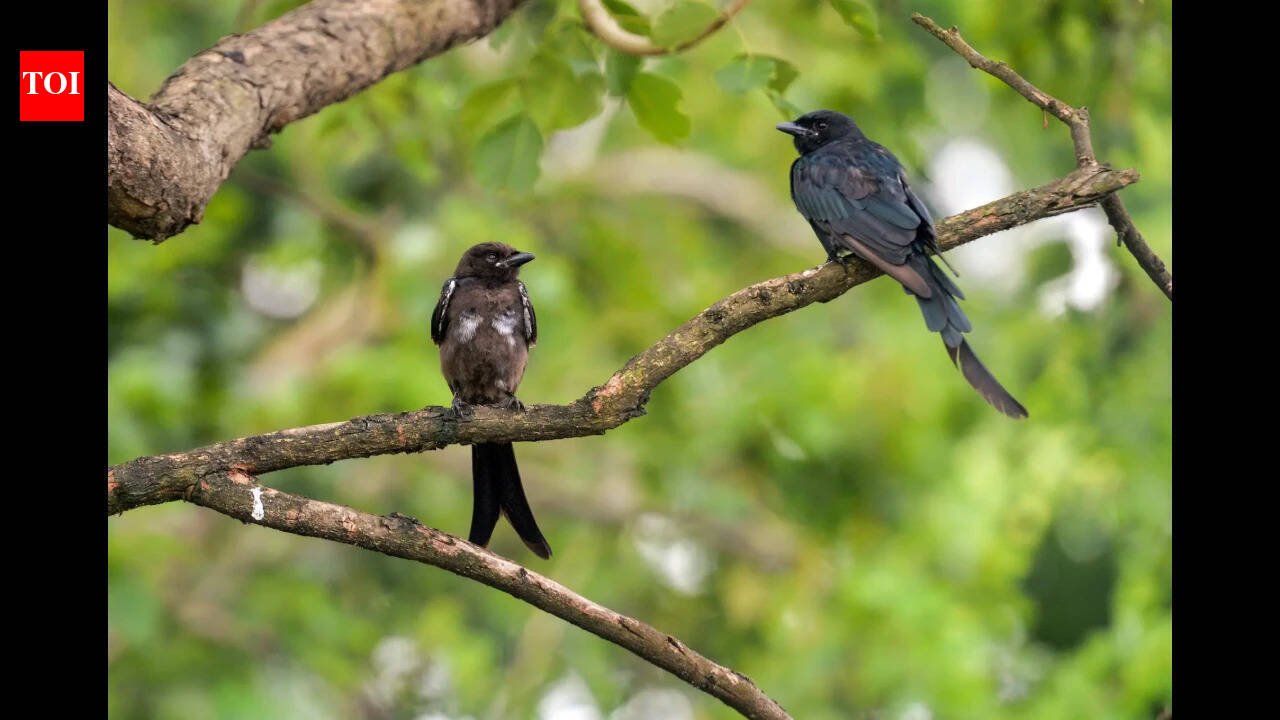
A juvenile and an adult Black Drongo perch on a tree branch (ANI Photo) In 1935, the Japanese South Seas Development Company made a decision that would have repercussions for Mariana Islands’ ecosystems for nearly 100 years. In search of a natural method for controlling agricultural pests, they imported black drongos (Dicrurus macrocercus) from Taiwan … Read more