In 2019, Arizona scientists withheld rain from Biosphere 2s rainforest for 9.5 weeks; carbon storage fell 70% before rain returned and recovery began
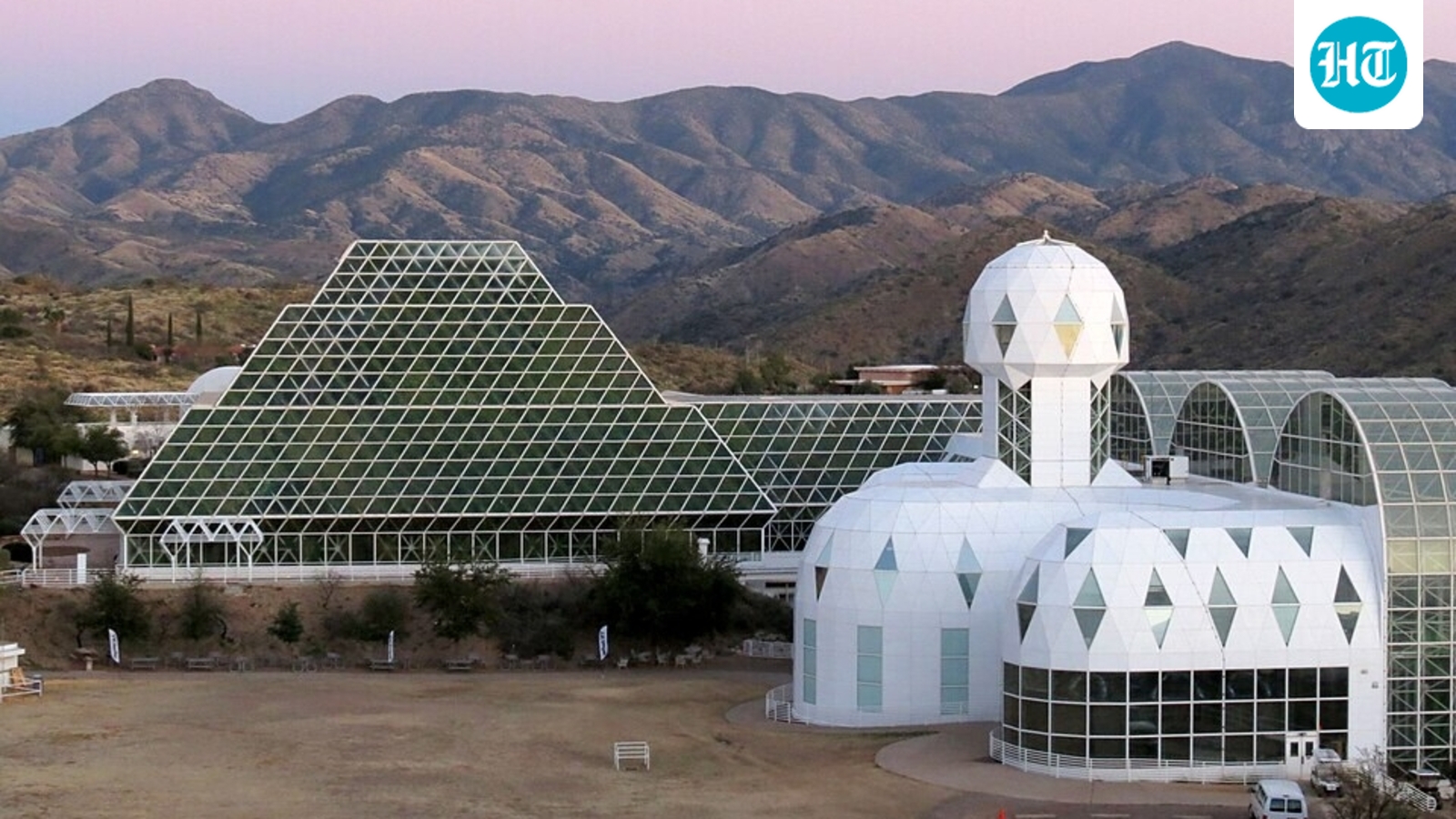
Biosphere 2, a University of Arizona research site in Oracle, Arizona, houses a glass-enclosed rainforest where scientists ran a drought experiment in 2019. (Wikimedia Commons)

If you forget to water a houseplant for a week or two, it will droop quickly. Now imagine doing that to an entire rainforest on purpose. That is what scientists at Biosphere 2 in Arizona did in 2019. In a Science paper, Werner and colleagues describe how they turned off the rain for 9.5 weeks … Read more
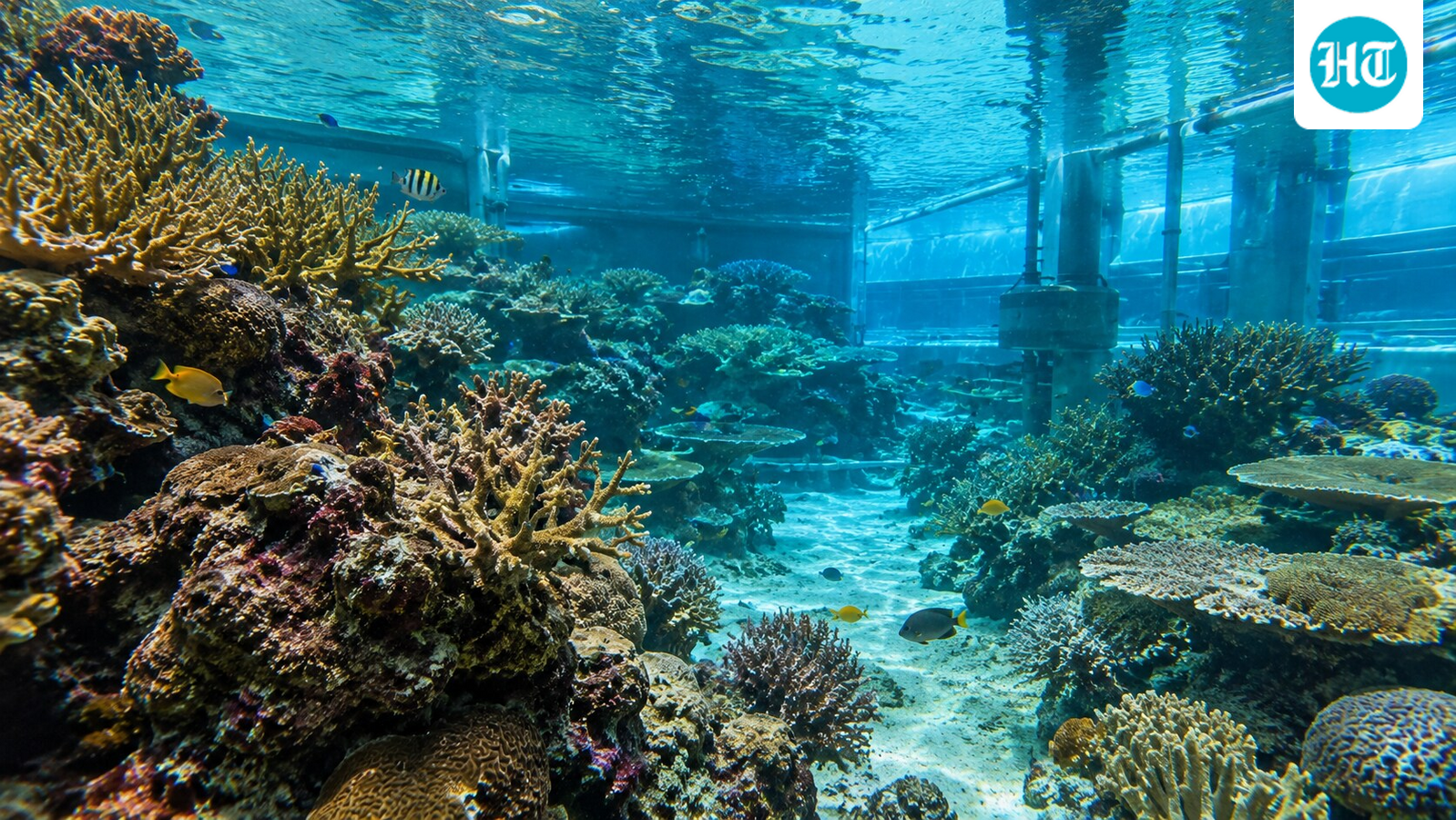

In 1996, Columbia scientists tested Biosphere 2s ocean under ice-age, modern, and future CO2 levels; future conditions cut coral calcification by 40%

After decades without new corals, researchers introduced 108 coral fragments into Biosphere 2’s 2.6-million-liter ocean habitat. (AI-generated/ ChatGPT)

Every three months, an ocean in the Arizona desert took a trip through time. In 1996, Columbia University researchers used Biosphere 2’s marine mesocosm to recreate three sets of ocean conditions: those of a glacial ice age, the present day, and the 22nd century. According to the University of Arizona’s Biosphere 2 ecosystems page, the … Read more

In 2015, scientists released pink dye off California to mimic pollution; waves drove it nearly 8 miles a day, carrying the plume toward San Diego Bay

Researchers used bright pink dye as a stand-in for pollution in a 2015 coastal experiment. (AI-generated/ChatGPT)

Imagine a beach where the waves suddenly turn bright pink. In 2015, scientists made that happen on purpose off Southern California. According to Scripps Institution of Oceanography, researchers conducted three experiments near Imperial Beach, releasing non-toxic, bright pink fluorescent dye to see how it moved along the coast. The dye was used to simulate pollution. … Read more

Optogenetics wins Nobel: One neuroscience breakthrough in line of tech innovations helping scientists map, control brain

Optogenetics wins Nobel: One neuroscience breakthrough in line of tech innovations helping scientists map, control brain

Tempe , The brain is unbelievably complicated, which is both daunting and fascinating for neuroscientists like me. Optogenetics wins Nobel: One neuroscience breakthrough in line of tech innovations helping scientists map, control brain In the space of a cubic millimeter – about the size of a single poppy seed – there are tens of thousands … Read more

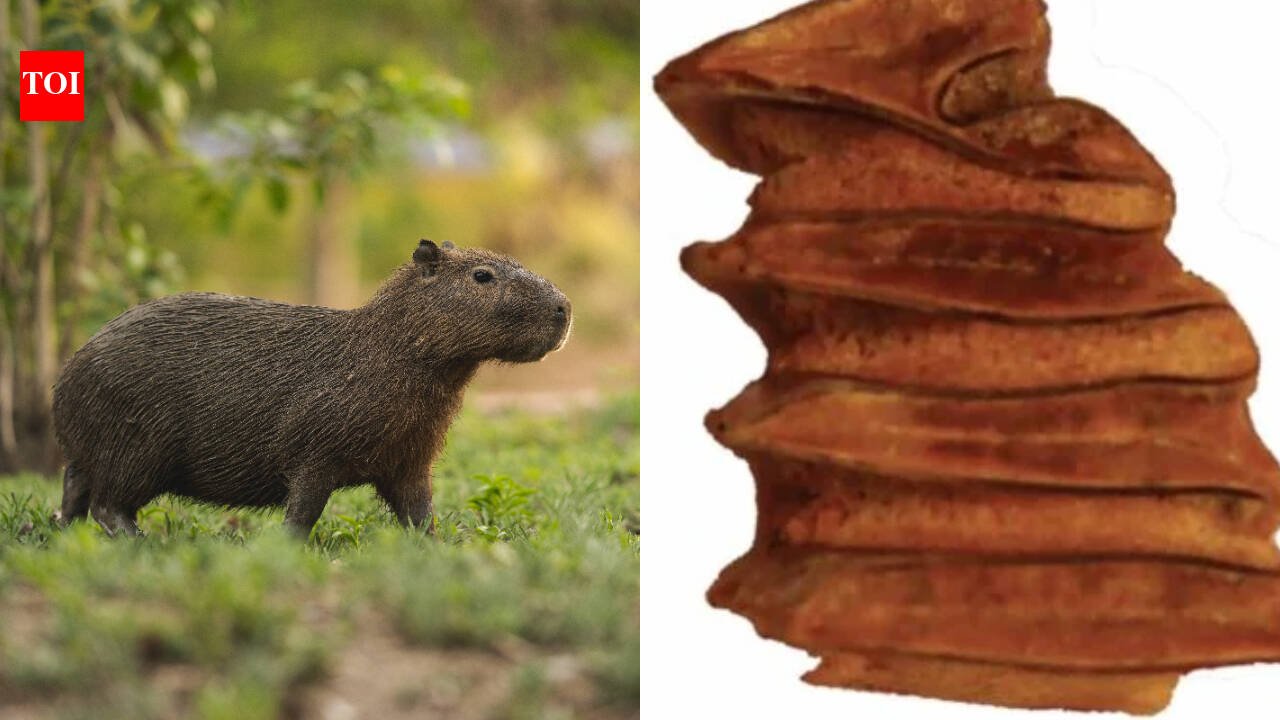
Scientists found a 9-million-year-old capybara relative’s tooth in Chile’s Atacama Desert, one of Earth’s driest places; the water-loving animal adds evidence that the region once supported wetlands and a much wetter climate

Scientists found a 9-million-year-old capybara relative's tooth in Chile's Atacama Desert, one of Earth's driest places; the water-loving animal adds evidence that the region once supported wetlands and a much wetter climate

The newly discovered tooth provides another reason to reconsider how the region looked in the distant past, the report claims. The Atacama Desert is a landscape where water is measured in millimetres, not rivers. Today, parts of this vast Chilean desert receive almost no rain, making the discovery of an animal that depended on plentiful … Read more

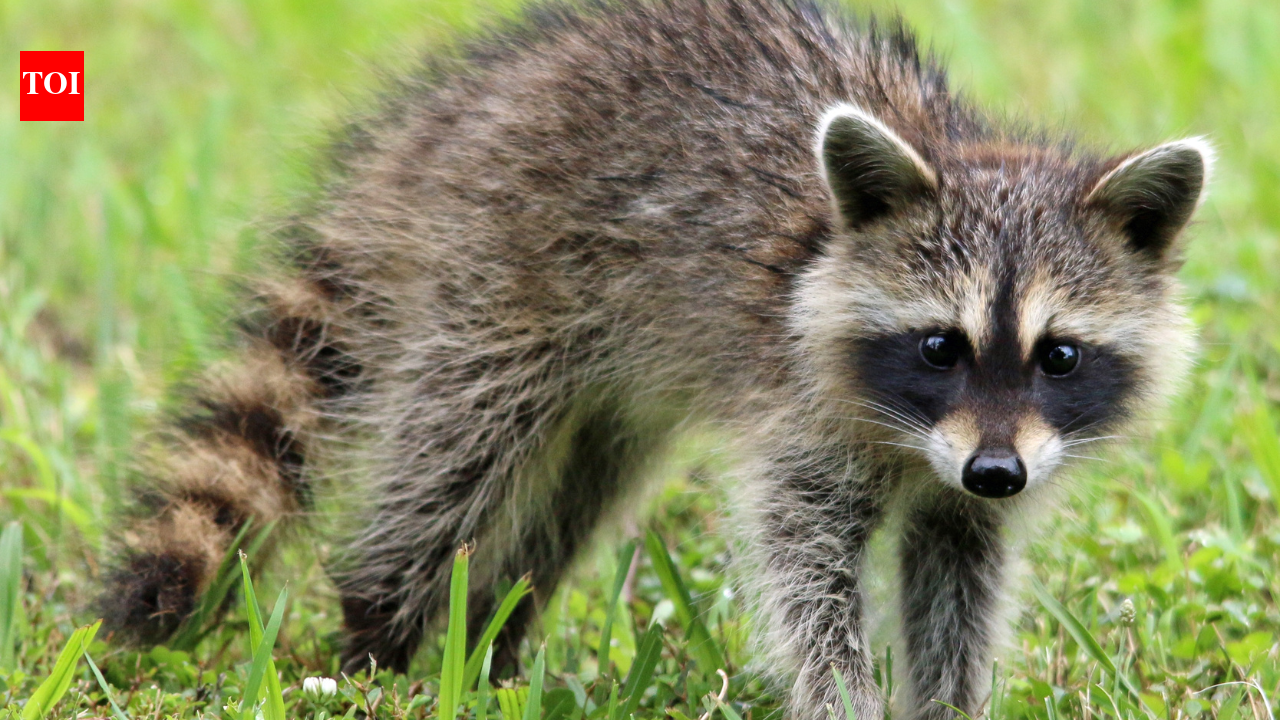
Scientists gave raccoons a nine-way puzzle with one marshmallow; they kept solving it even after the food was gone

Scientists gave raccoons a nine-way puzzle with one marshmallow; they kept solving it even after the food was gone

Raccoons have long been credited with outwitting latches, and a study has tested that reputation. University of British Columbia researchers Hannah Griebling and Dr Sarah Benson-Amram gave captive raccoons a custom puzzle box with nine entry points, grouped as easy, medium and hard. Each 20-minute trial held a single marshmallow; the raccoons often kept opening … Read more

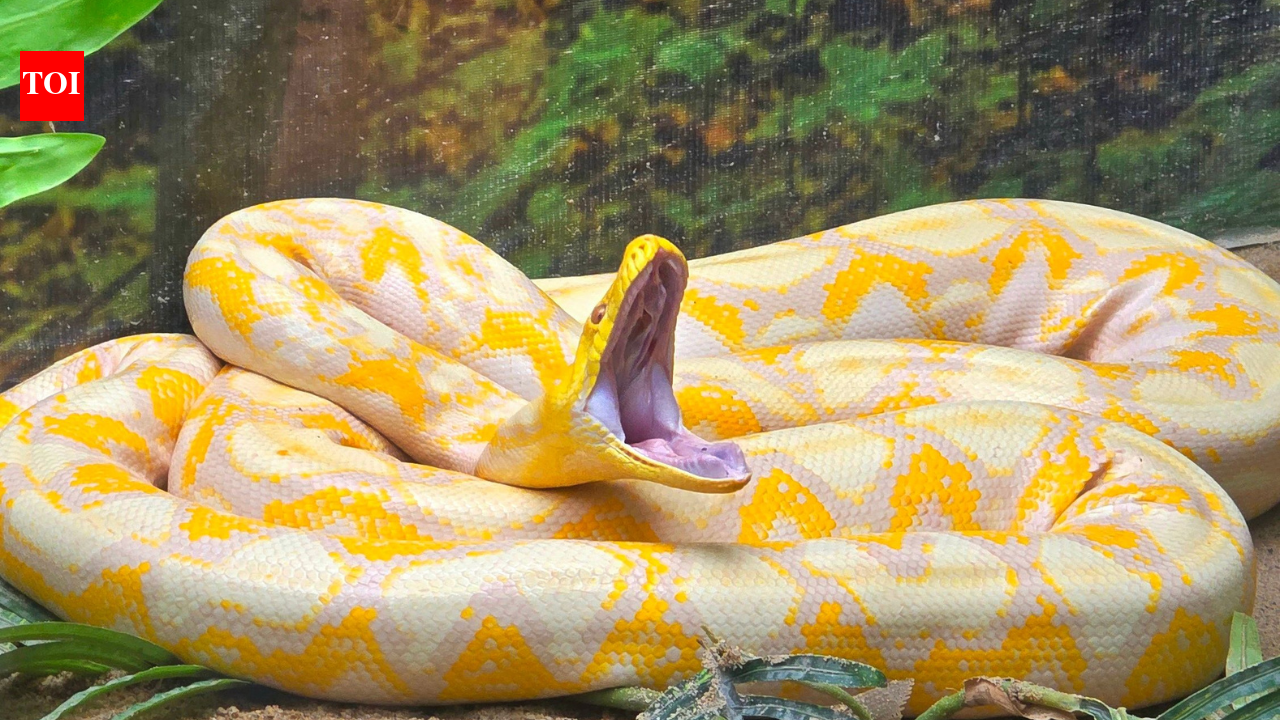
A 16-foot Burmese python weighing 147.9 pounds was released after radio-tagging in Florida; US scientists are now testing drones to track invasive snakes across the Everglades

A 16-foot Burmese python weighing 147.9 pounds was released after radio-tagging in Florida; US scientists are now testing drones to track invasive snakes across the Everglades

Deep in the Florida Everglades, a vast and difficult landscape, scientists are trying a new way to find invasive Burmese pythons; they are looking from above. Researchers are testing small drones fitted with radio tracking equipment or cameras to locate snakes more efficiently, follow their movements across difficult terrain, and cut the cost of searching … Read more

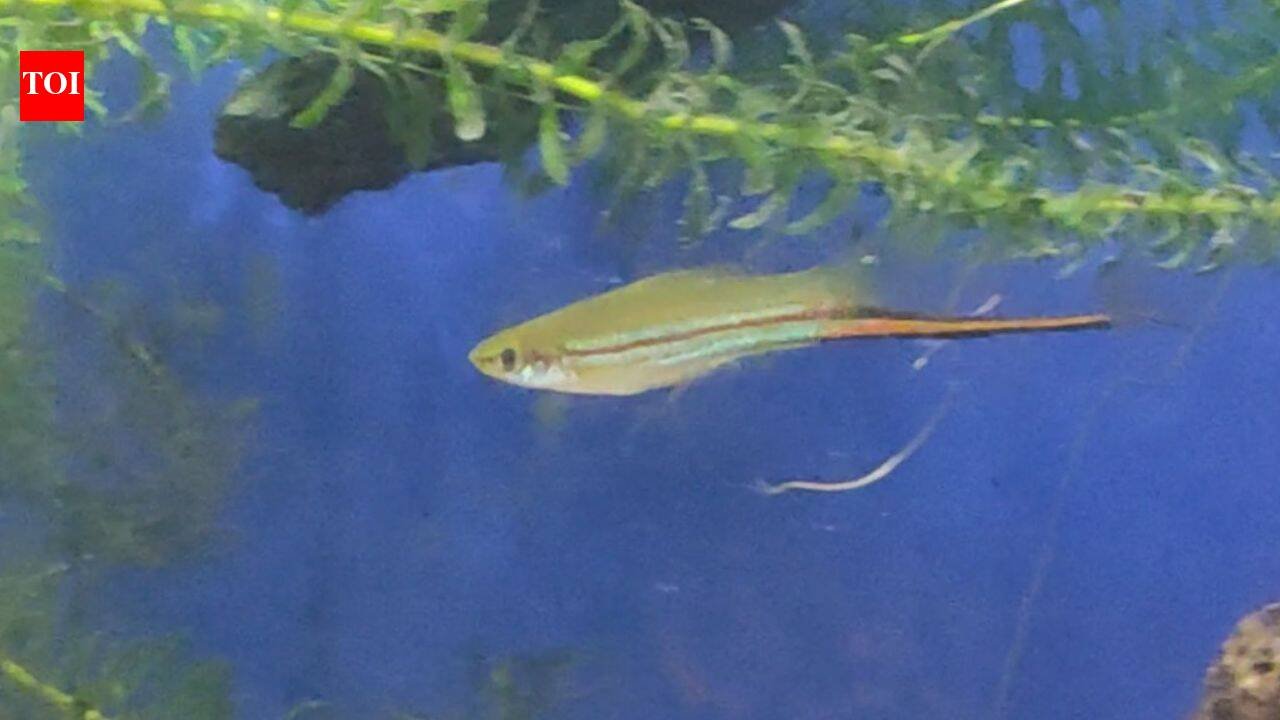
Scientists let swordtail fish choose their mates for nine generations; males kept picking larger females while female preferences varied

Scientists let swordtail fish choose their mates for nine generations; males kept picking larger females while female preferences varied

Green swordtail fish have taken part in a digital dating game to help scientists understand how animals choose their mates. Researchers from the University of Exeter placed individual fish in tanks with screens showing virtual partners. The fish could then spend time near the partner they preferred.Those choices were used to create new virtual fish … Read more

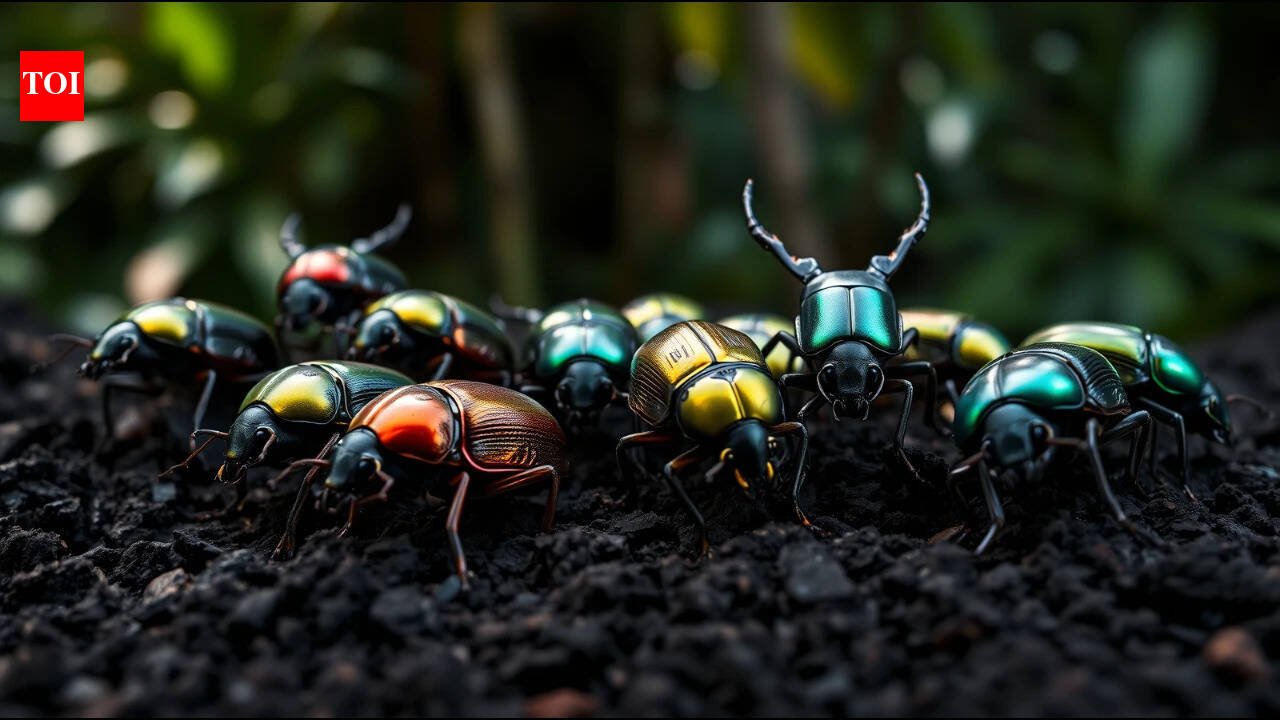
Hawaii introduced predatory beetles 13 times to control crop pests; the only species that established was one scientists never meant to introduce

Hawaii introduced predatory beetles 13 times to control crop pests; the only species that established was one scientists never meant to introduce

Representative Image of diverse Calosoma beetle species with a focus on their failed introductions to Hawaii (AI Generated Image) For six decades, scientists repeatedly introduced predatory beetles to Hawaii in an effort to control crop-damaging caterpillars, but none of the intentionally released species established a lasting population. A study published in Biological Control titled Calosoma … Read more

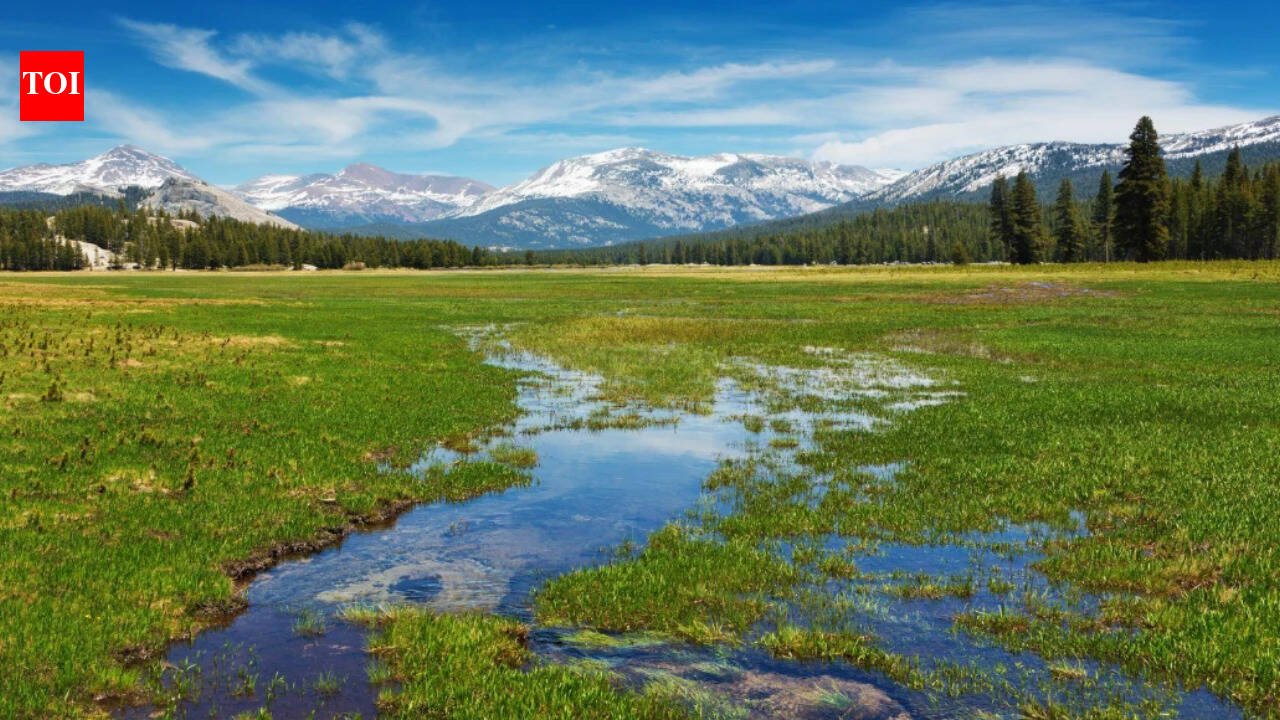
Scientists planted 40,000 native seedlings in Yosemite’s damaged Tuolumne Meadows; three years later, soil organic matter was improving, but the meadow was still losing more carbon than it gained

Scientists planted 40,000 native seedlings in Yosemite's damaged Tuolumne Meadows; three years later, soil organic matter was improving, but the meadow was still losing more carbon than it gained

Native sedges growing in a wet meadow (Representational photo) Scientists who planted 40,000 native sedge seedling to restore the damaged Tuolumne Meadows in California’s Yosemite National Park, have found early signs of improvement after. The results, however, also show that restoring the meadow’s soil and its ability to store carbon could take several decades. Three … Read more