In 2022, crews removed an 8-foot dam from Californias Cedar Creek, reopening 9 miles of habitat; 34 juvenile coho were counted in 2023

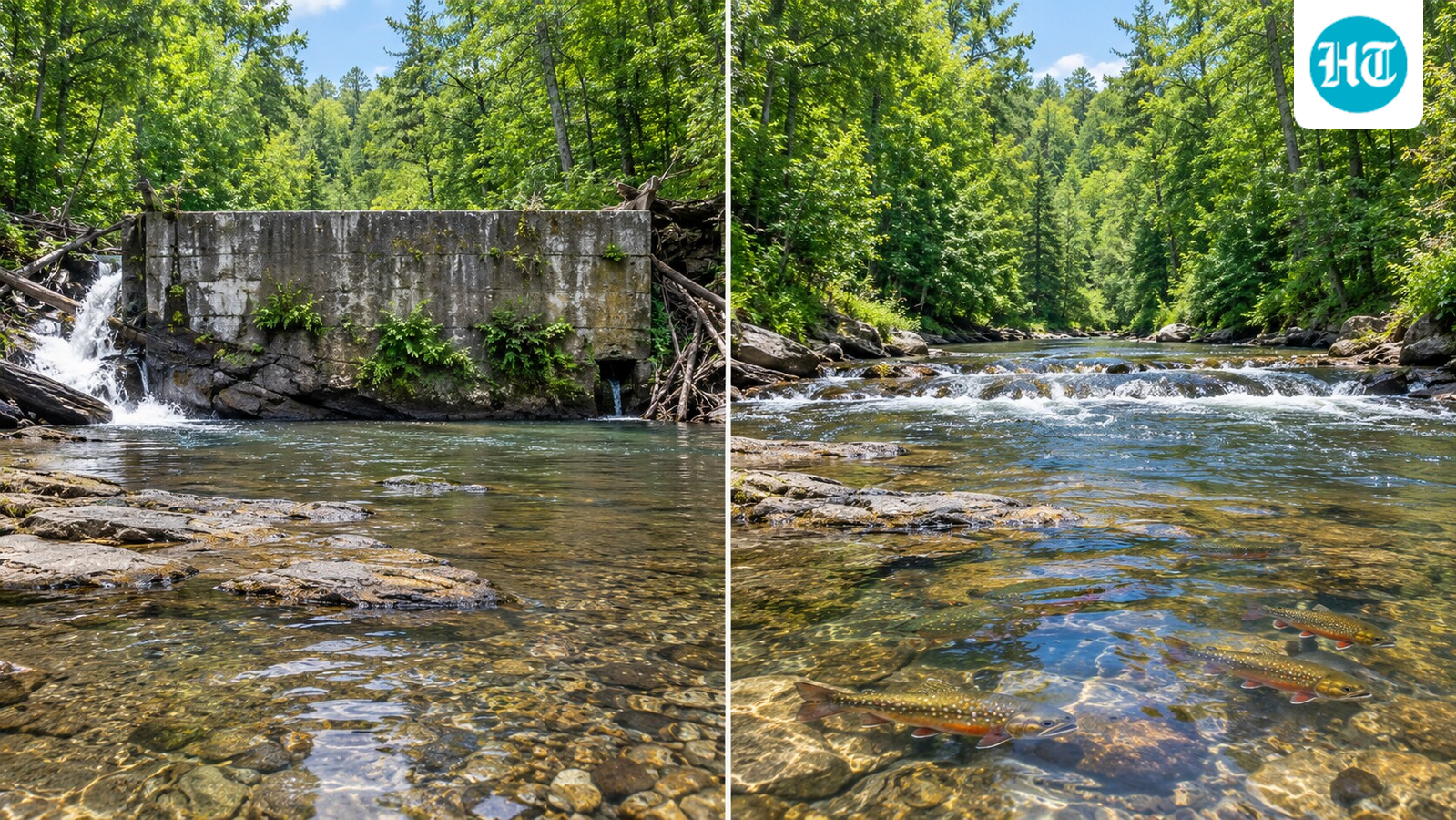
Representative image of dam removal and river restoration, reopening freshwater habitat for migrating salmon and supporting the return of juvenile coho. (AI-generated/ ChatGPT)

In the western US, old dams have hindered the natural migration of salmon and steelhead, making it harder for them to reproduce successfully. This is evidenced by the case study in California where a small dam was removed from Cedar Creek. In 2022, California Trout (CalTrout), in partnership, pulled down a concrete dam measuring 8 … Read more
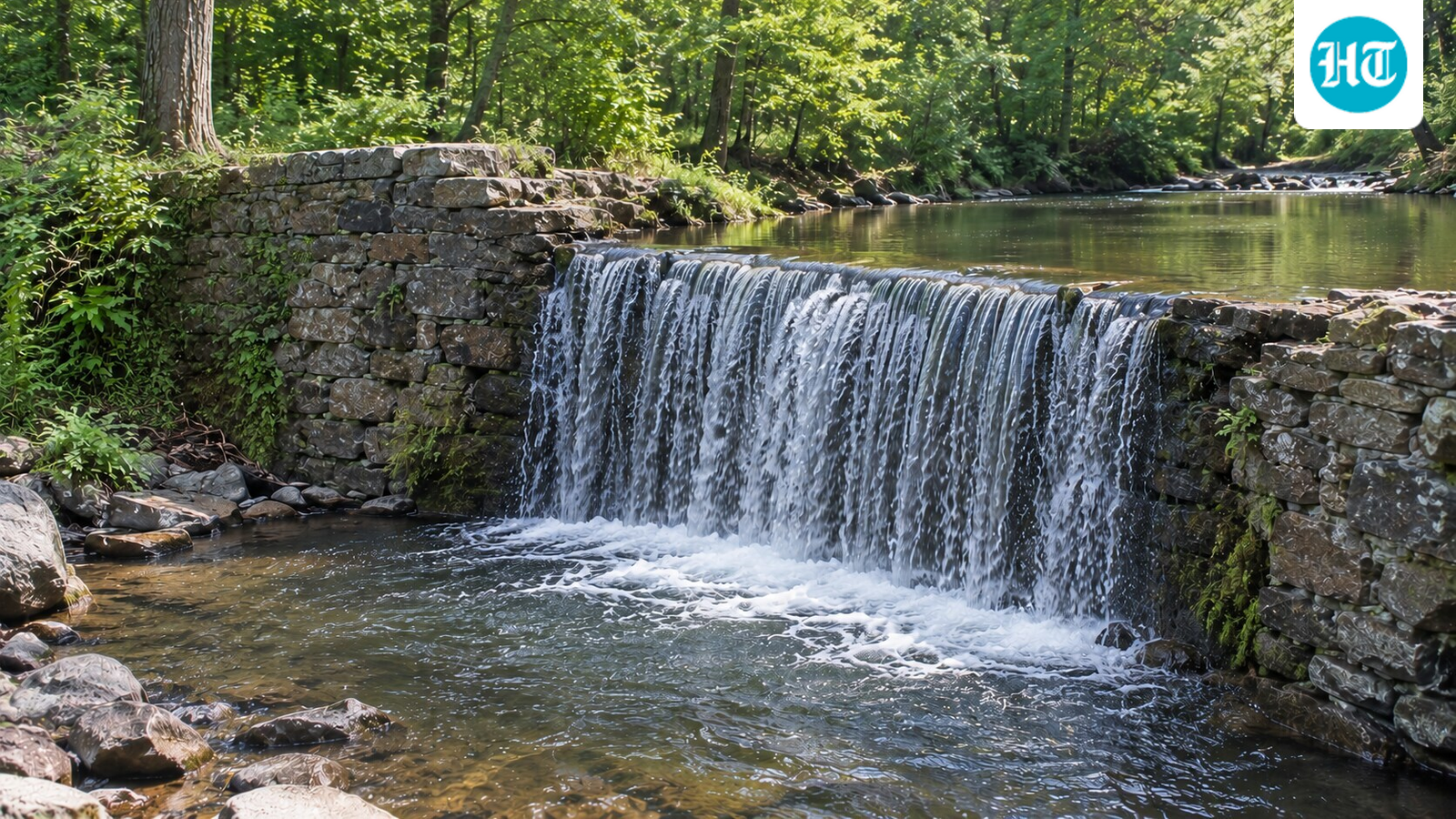
Maryland replaced a 4-foot dam at Bishopville with pools and weirs, opening 7 miles of habitat; alewives were spotted upstream

Replacing a four-foot dam on Bunting’s Branch with a natural stream channel and wetlands opened seven miles of habitat for alewives, herring, and eels. Image for representational purposes. (Pexels)

Sometimes the best way to solve a problem might just be to take something away. That’s what happened in Bishopville, Maryland. A 2015 news release from the Maryland Department of Natural Resources explained that a four-foot sheet metal dam was replaced by 635 linear feet of stable stream channel and wetland habitat. The project spanned … Read more

A Pennsylvania landowners 7-foot stone dam was built as a swimming hole; removal aimed to improve Smithtown Creeks water quality and fish habitat

Pennsylvania removed the 7-foot Lochner Dam in 2006, but a downstream barrier continued to block migratory fish. The project was part of a broader national trend: 2,119 dams were removed from 1912 to 2023, including 390 in Pennsylvania. (AI-generated/ChatGPT)

Lochner Dam, built to create a swimming hole, is not what most people picture when they think of river restoration. However, that is precisely what happened with the Lochner Dam, which used to exist on Smithtown Creek, a Delaware River tributary in Bucks County, Pennsylvania. According to the Dam Removal Summary 2023 by American Rivers, … Read more

After beetles were released in 2001 to control tamarisk, predicted flycatcher habitat along the lower Virgin River fell 94.2% between 2010 and 2015

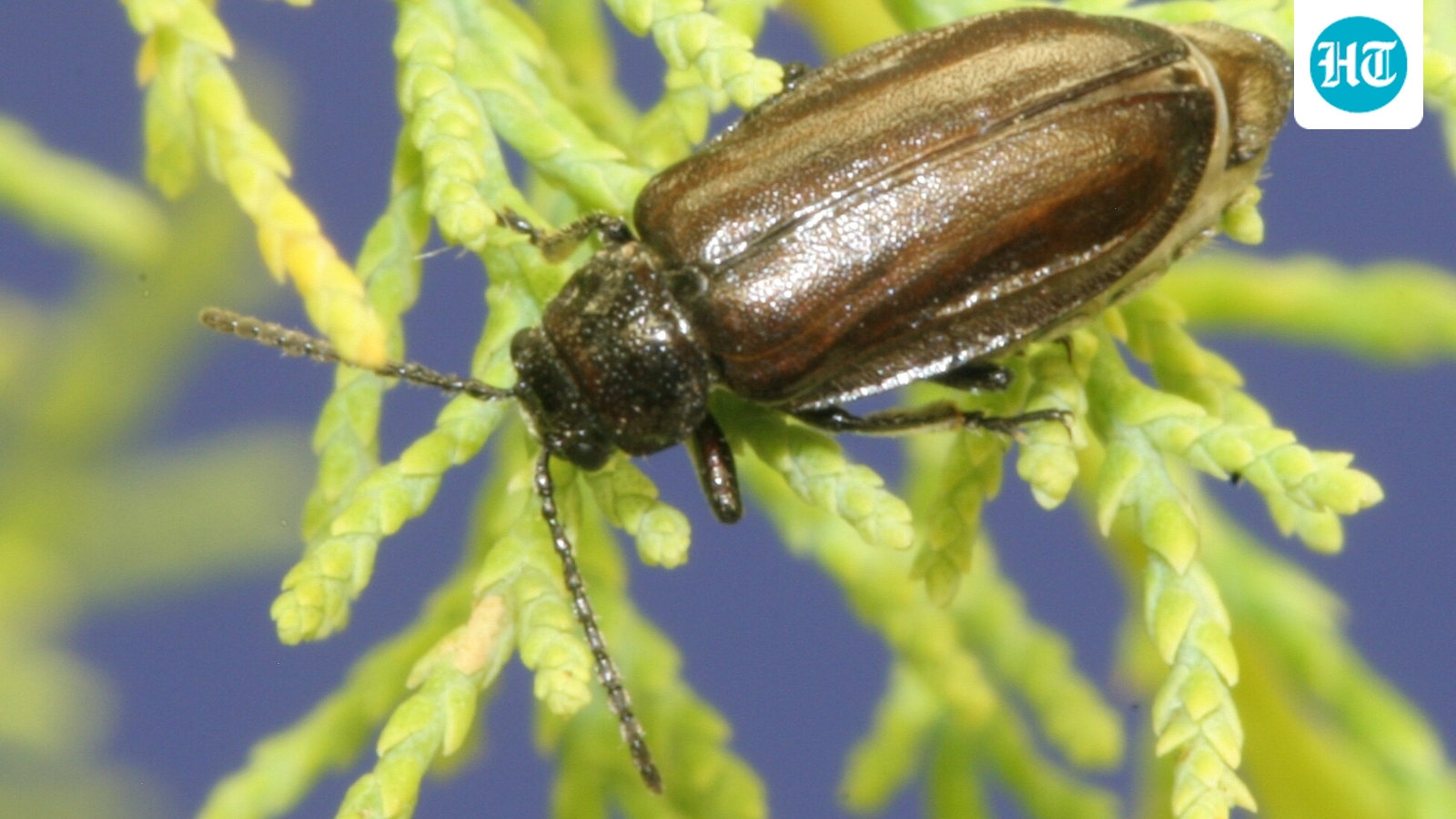
Tamarisk leaf beetles were introduced to control an invasive shrub, but their damage coincided with a 90.7% decline in predicted flycatcher habitat along part of the Virgin River. (Wikimedia Commons)

In one desert river in the Southwest, there is a small bug and a small bird that are intertwined together. From satellite photos, it is found that when beetles were introduced to eat an invasive bush, 90 percent of the habitat required by the rare songbird has been reduced. The reason behind such reduction tells … Read more

Hawaii introduced red mangroves in 1902 to stabilize Molokai mudflats; they spread to canals and reduced habitat for endangered waterbirds

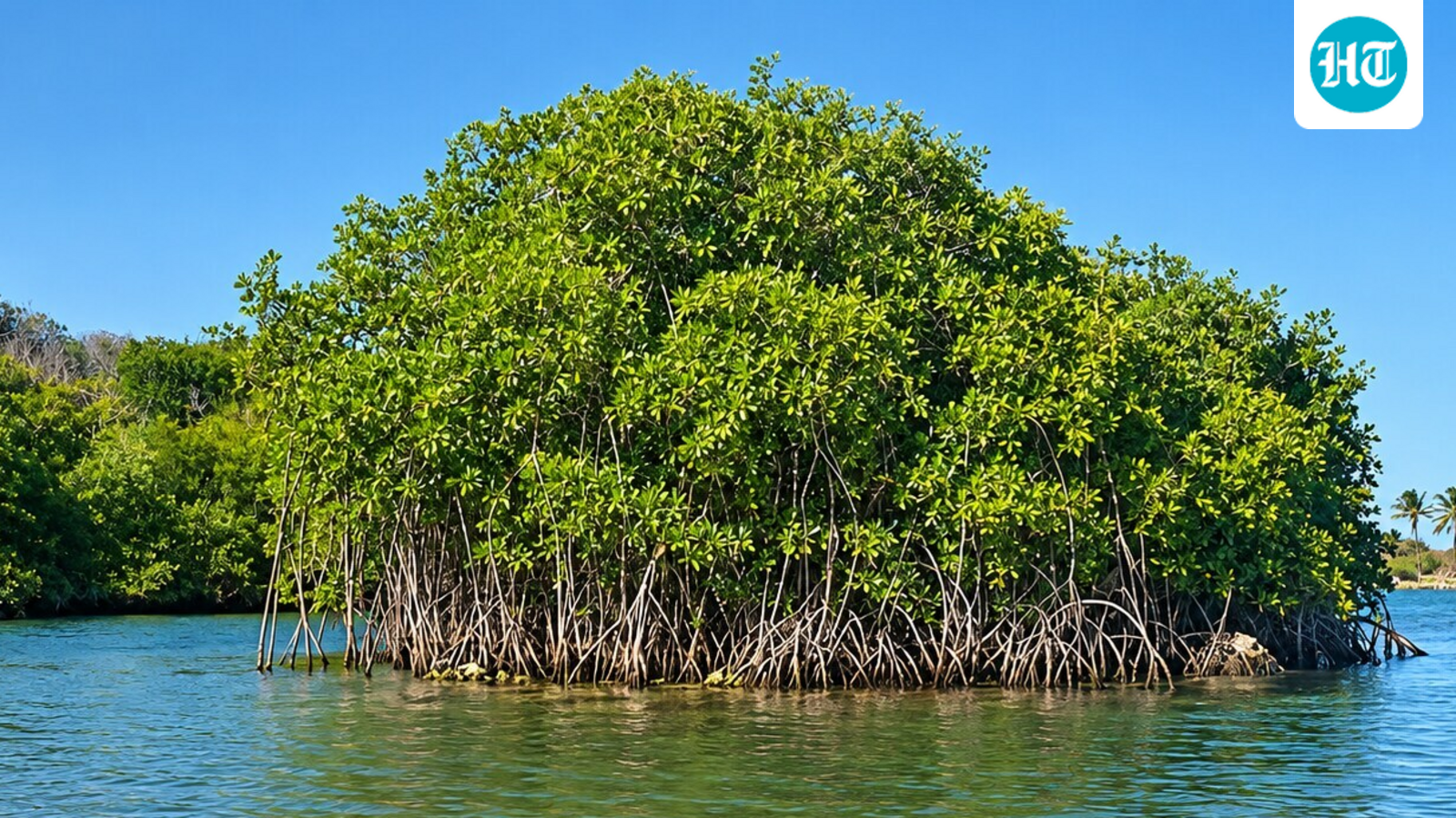
Red mangroves, introduced to Hawaii in 1902 to stabilize Molokai mudflats, now line parts of the coast and its canals. (Wikimedia Commons)

Most of us have probably tried a quick fix at some point that solved one problem but ended up causing another. Hawaii did something like that, but with a tree. A 1998 paper by U.S. Forest Service researcher James Allen explains that red mangroves arrived on the island of Molokai in 1902. They were mainly … Read more

Texas brought aoudad sheep from Africa for hunters in the 1950s; they spread widely and now compete with native bighorn for food and habitat

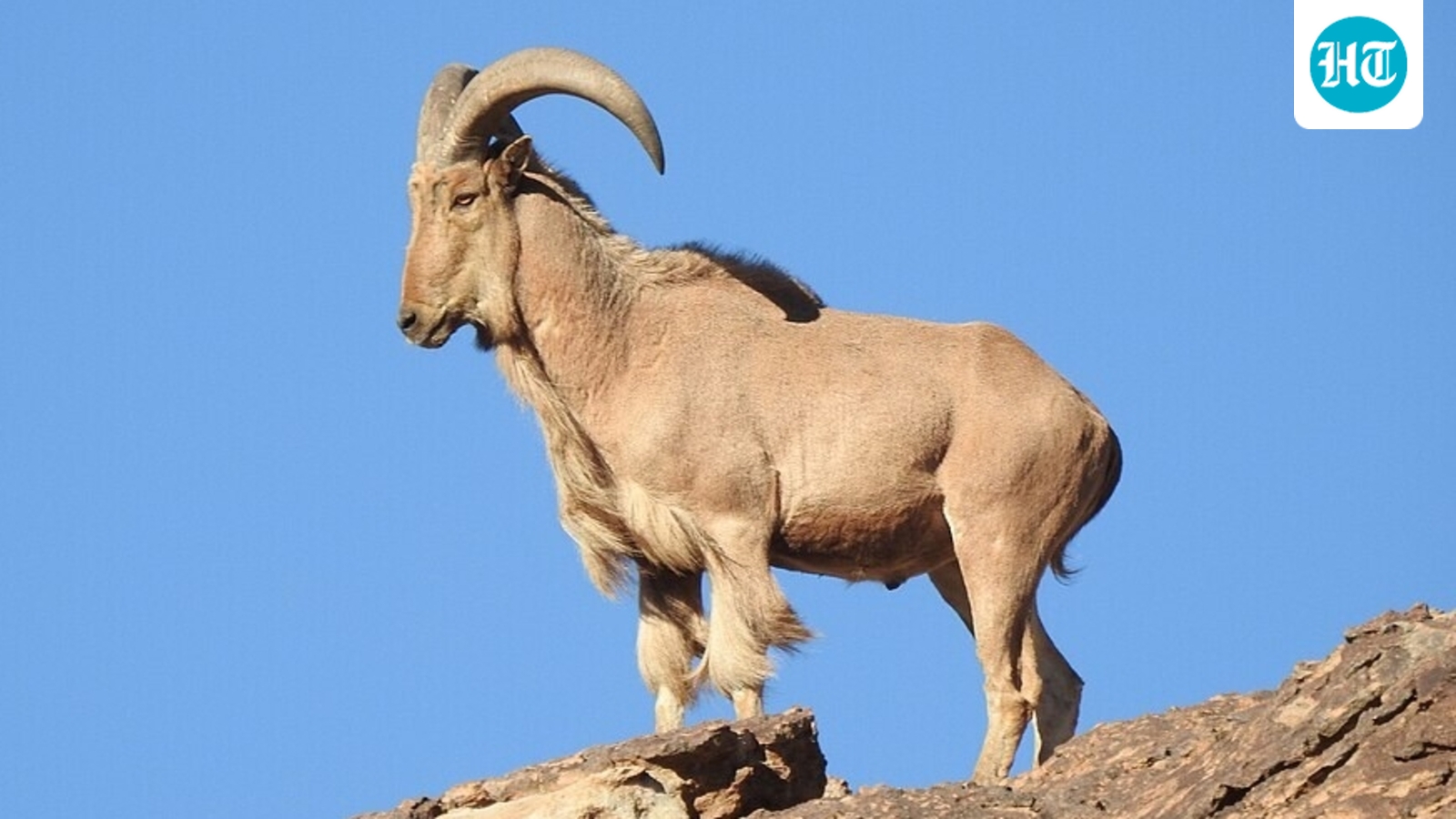
Aoudad (Barbary sheep), native to northern Africa and first released in Texas in 1957. (Wikimedia Commons)

A new animal can often seem like a small addition to a landscape, but things can go wrong very fast. Aoudad are native to northern Africa, but were introduced into the wild in Palo Duro Canyon, Texas, in 1957, according to a 2025 Texas A&M AgriLife Extension fact sheet. Since then, these long-horned sheep have … Read more

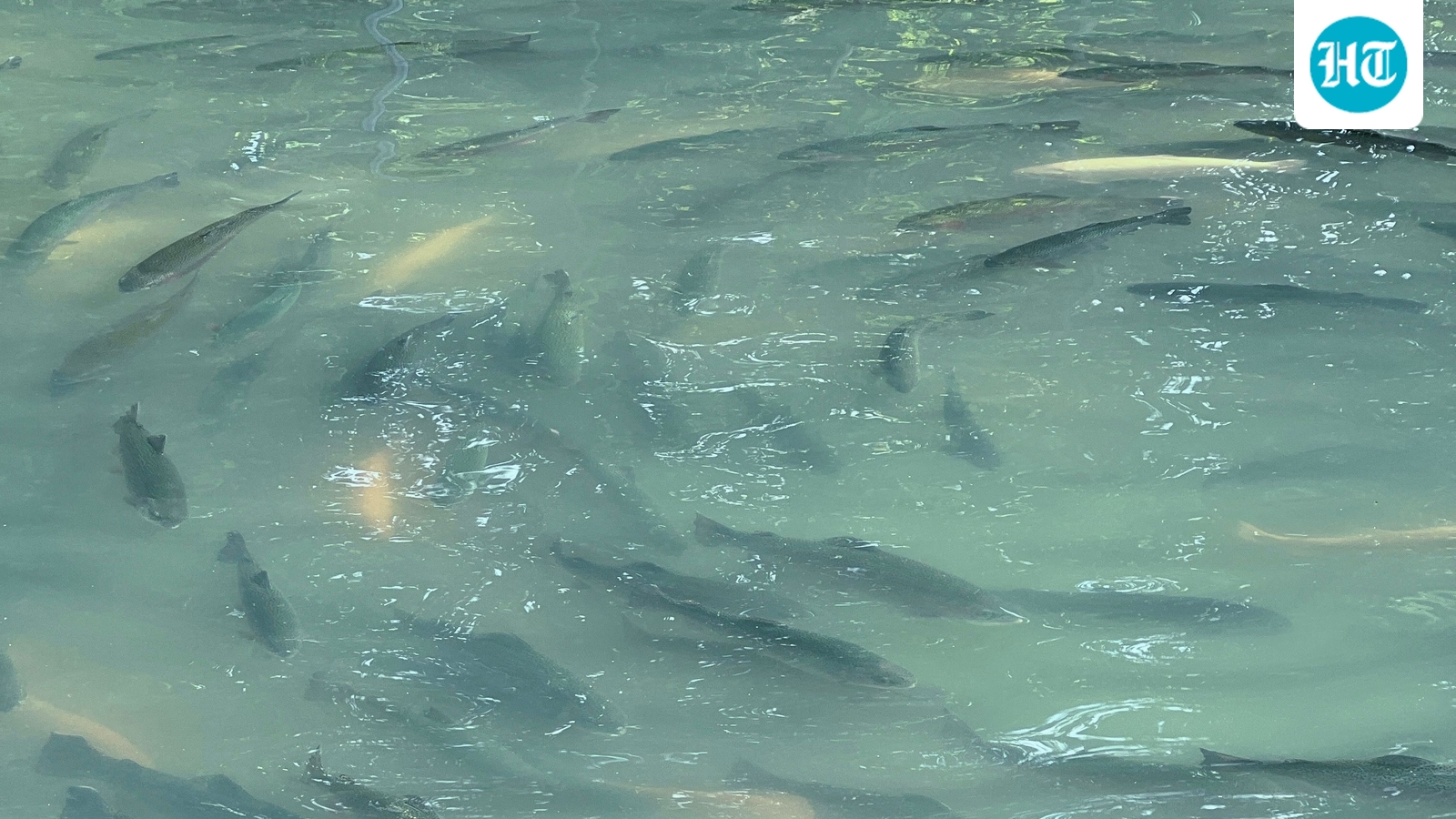
A New Hampshire dam built in 1929 to power one sawmill outlived the mill by decades; its 2024 removal reopened nearly 40 miles of brook trout habitat

With the dam gone, the river runs free again, and brook trout have access to cold, clean upstream water. (AI-generated/ChatGPT)

Some old structures just refuse to go away. One stood in a river in Colebrook, New Hampshire, for 95 years. According to a January 2025 story from the U.S. Fish and Wildlife Service, the complete removal of the Washburn Mill Dam in October 2024 has restored access to nearly 40 miles of excellent brook trout … Read more

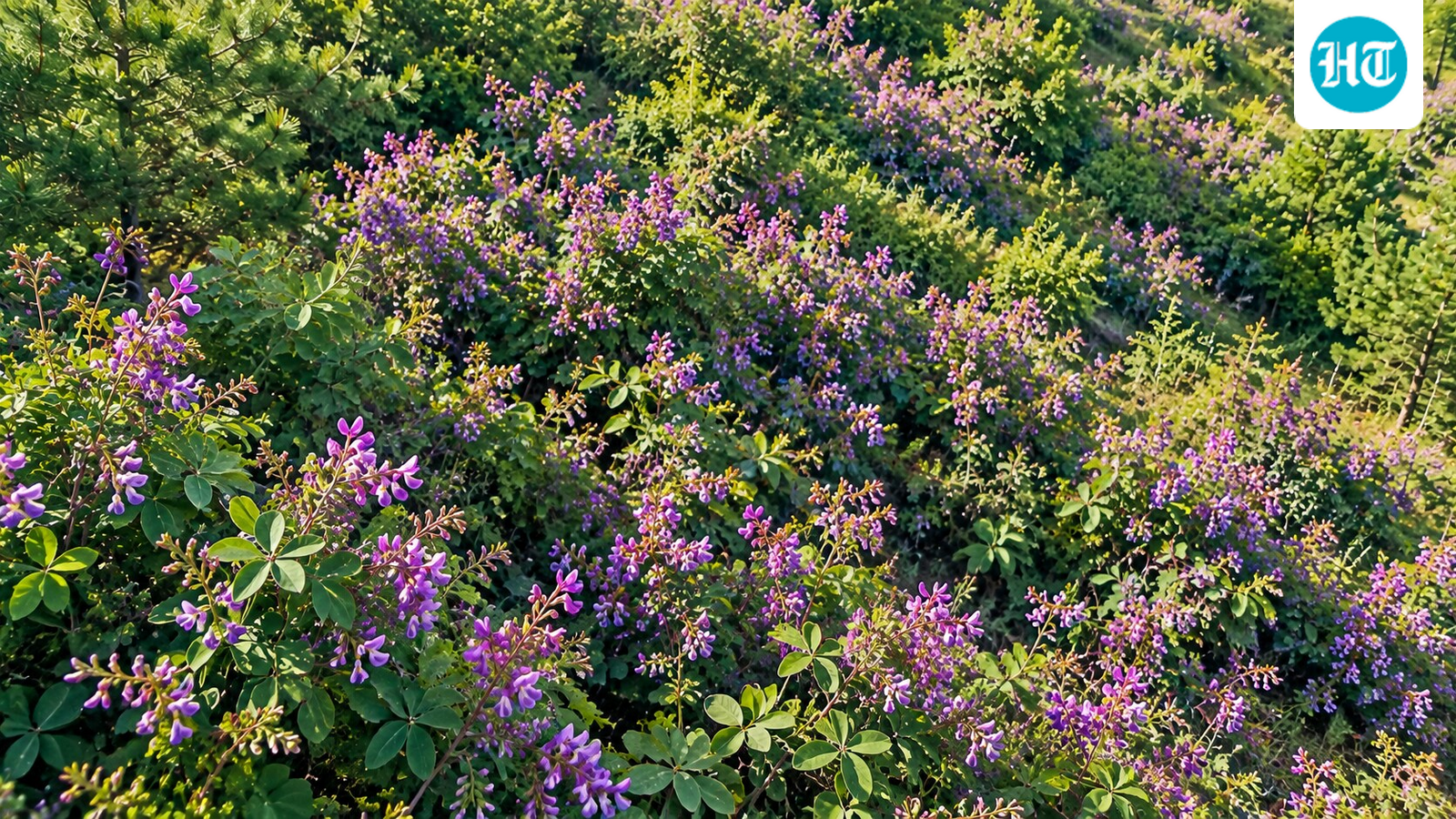
In the 1930s, US agencies planted bicolor lespedeza for erosion control and wildlife habitat; it later reached an estimated 115,550 forest acres

A fix that grew bigger than planned: Bicolor lespedeza, once planted to hold soil in place, now grows across an estimated 115,550 forest acres. (AI-generated/ChatGPT)

Most generations have a magic fix they believe in. For us today, it might be planting millions of trees. For the agencies in the U.S. back in the 1930s, it was a tough little shrub called bicolor lespedeza. According to the USDA Forest Service’s Fire Effects Information System, it was promoted and widely planted for … Read more

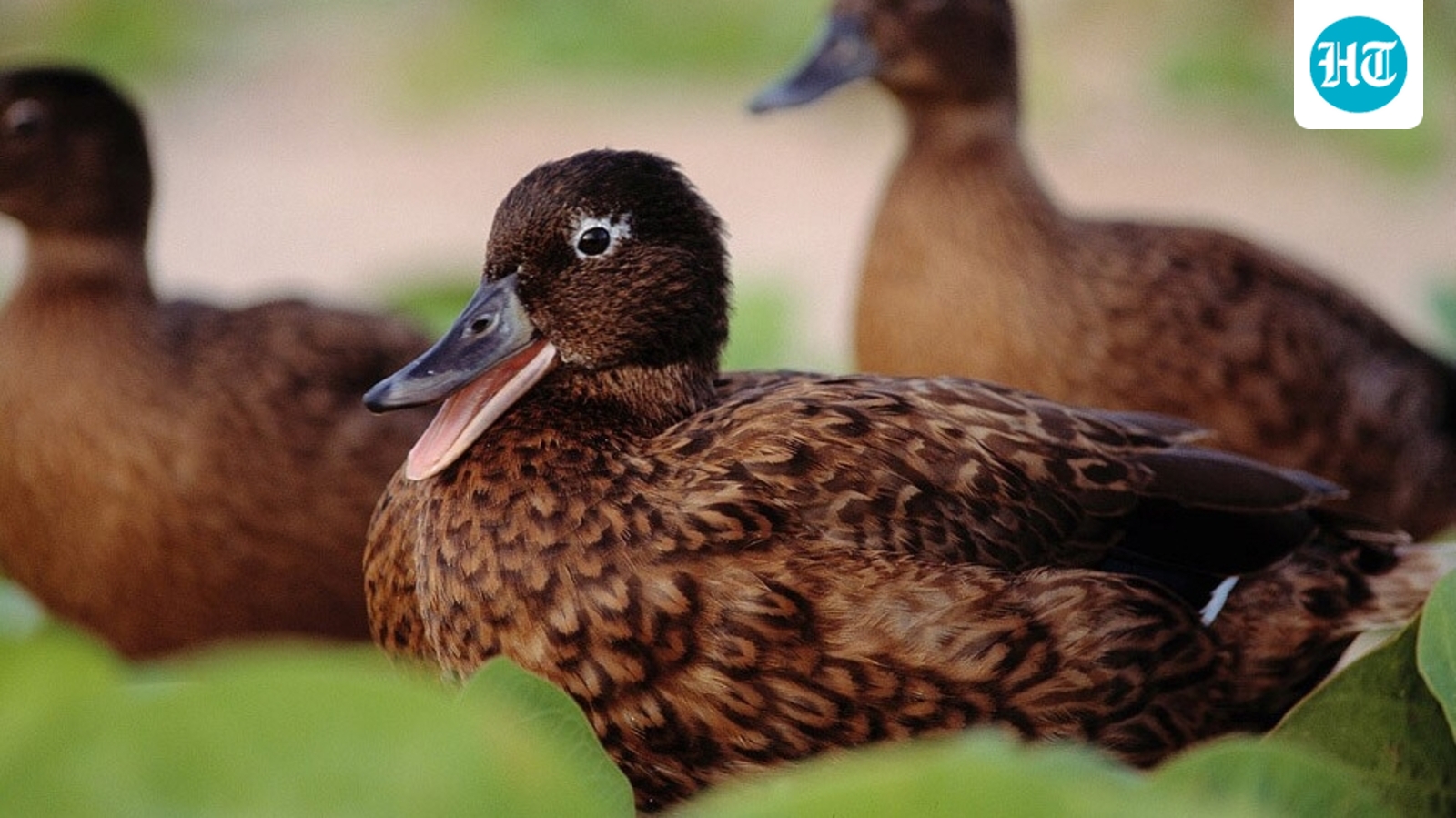
In 1903, rabbits devastated Laysan Island’s habitat, leaving just 7 adult ducks; in 2026, Midway counted a record 1,239 Laysan ducks

A record 1,239 adult Laysan ducks were counted at Midway Atoll in 2026, about 400 more than any previous annual total. The increase marks a major recovery at the refuge, but the endangered species remains vulnerable to habitat loss, rising seas, flooding and environmental disasters. (Wikimedia Commons)

A Hawaiian bird species has made a notable recovery in numbers at a location far from its native island. According to the U.S. Fish and Wildlife Servicestaff and volunteers counted 1,239 adult Laysan ducks at Midway Atoll National Wildlife Refuge in 2026, setting a record for the refuge. The total was about 400 birds higher … Read more

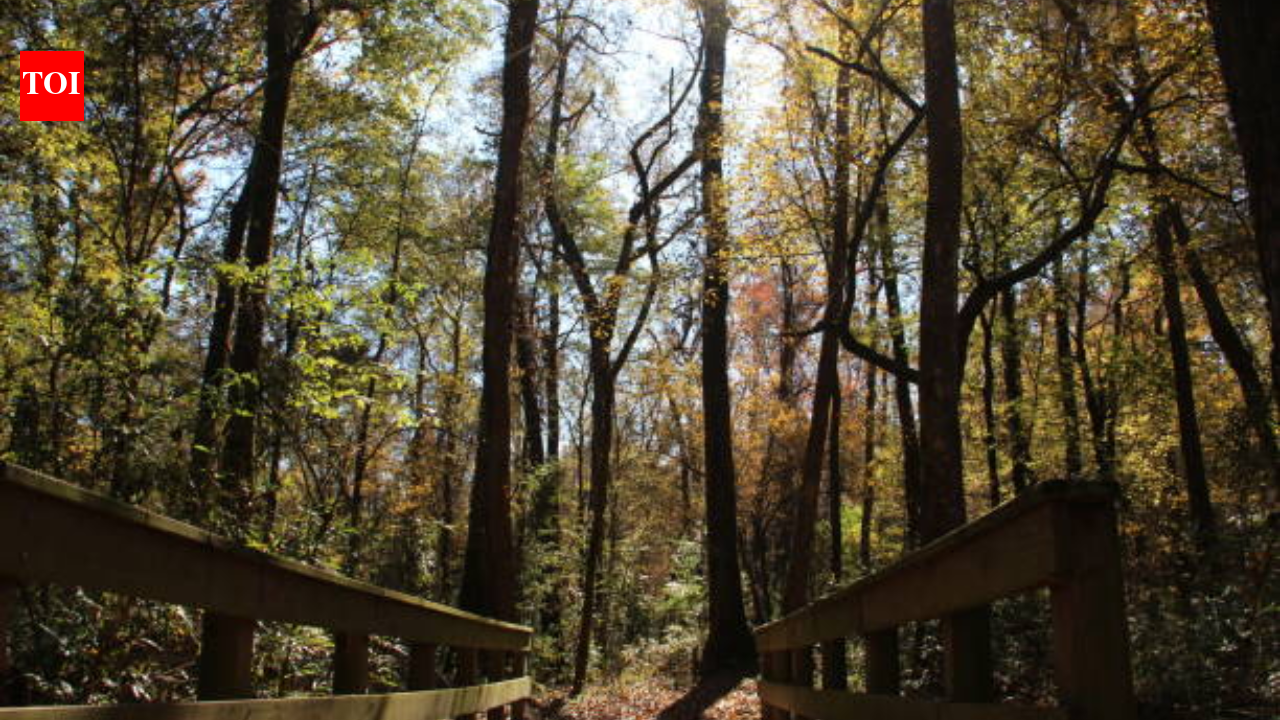
Georgia has begun a 10-year restoration of 132 acres at Towaliga Preserve, using a data-centre partnership to rebuild forest habitat on one of Henry County’s largest undeveloped properties

Georgia has begun a 10-year restoration of 132 acres at Towaliga Preserve, using a data-centre partnership to rebuild forest habitat on one of Henry County's largest undeveloped properties

A 132-acre section of one of Henry County, Georgia’s largest remaining undeveloped properties is set for a 10-year forest restoration project, with a data-centre company funding the effort as part of a broader environmental partnership. The Southern Conservation Trust (SCT) is leading the restoration at Towaliga Preserve, a 403-acre protected property in Hampton, with support … Read more