Indonesia replanted mangroves on Flores in 2013; 10 years later, restored forests supported 10 fauna species and stored up to 70 Mg CO2 per hectare
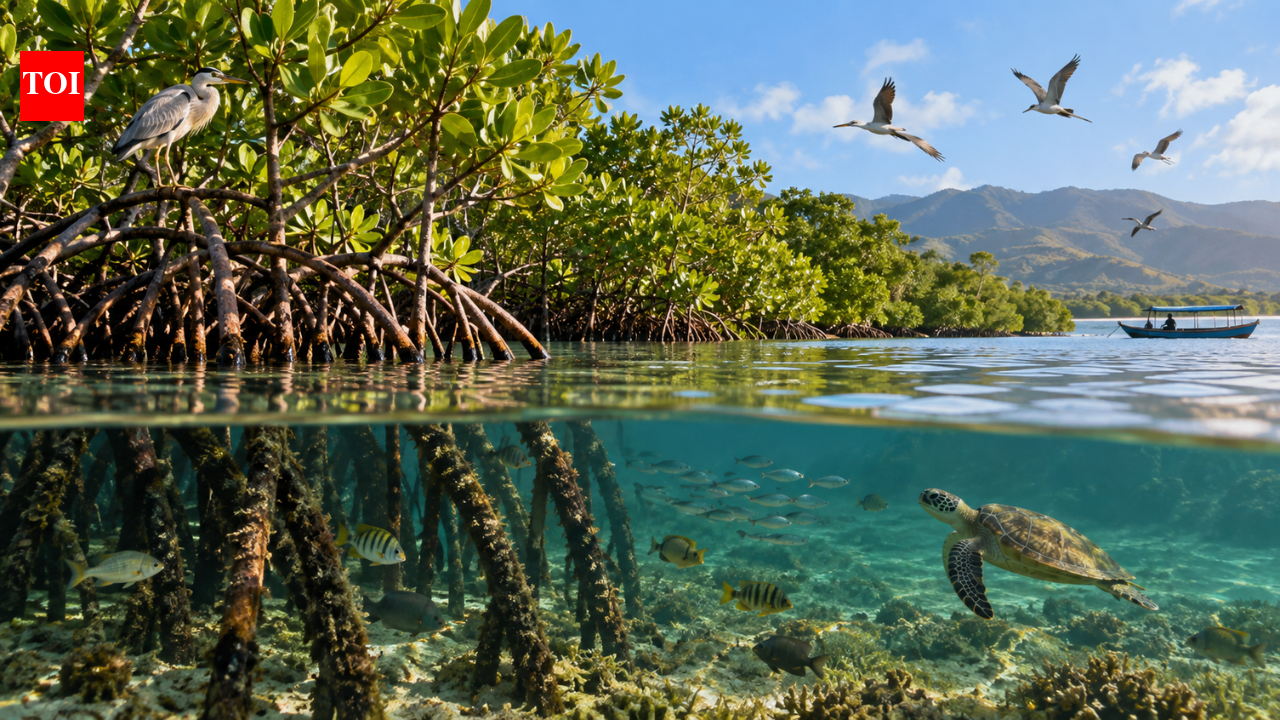
Indonesia replanted mangroves on Flores in 2013; 10 years later, restored forests supported 10 fauna species and stored up to 70 Mg CO2 per hectare

Indonesia’s Flores Island was the site of a mangrove reforestation project launched in 2013, with native seedlings planted along the coast between Ende and Sikka. Ten years later, researchers surveyed restored areas at Bangkoor, Kolisia and Talibura to assess plant and animal diversity, carbon sequestration and energy storage. The study recorded 10 mangrove species and … Read more
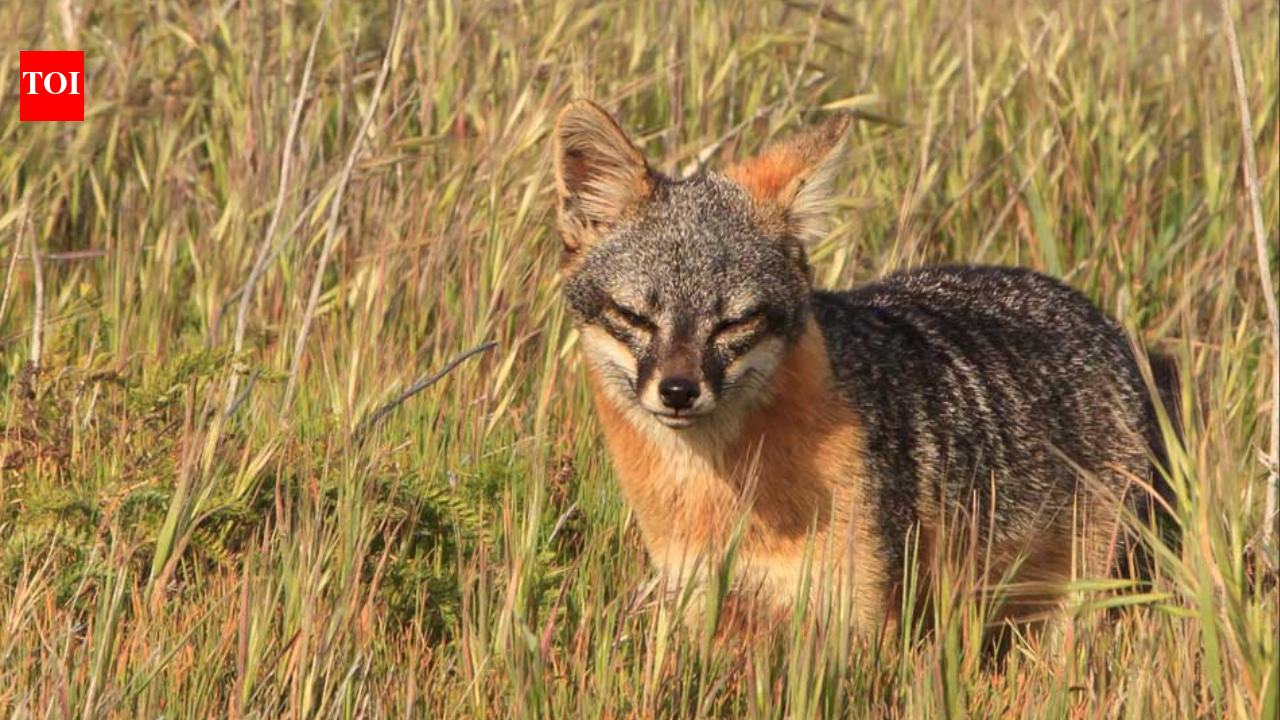
In 1999, just 15 island foxes remained on each of two California islands; captive breeding and ecosystem restoration pulled the species back from extinction

In 1999, just 15 island foxes remained on each of two California islands; captive breeding and ecosystem restoration pulled the species back from extinction

In 1999, conservation biologists monitoring California’s northern Channel Islands faced a serious crisis. Only 15 island foxes remained on San Miguel Island and another 15 on nearby Santa Rosa Island, leaving the small native species close to extinction. An emergency recovery program launched by Channel Islands National Park and partner organisations helped save the animals. … Read more

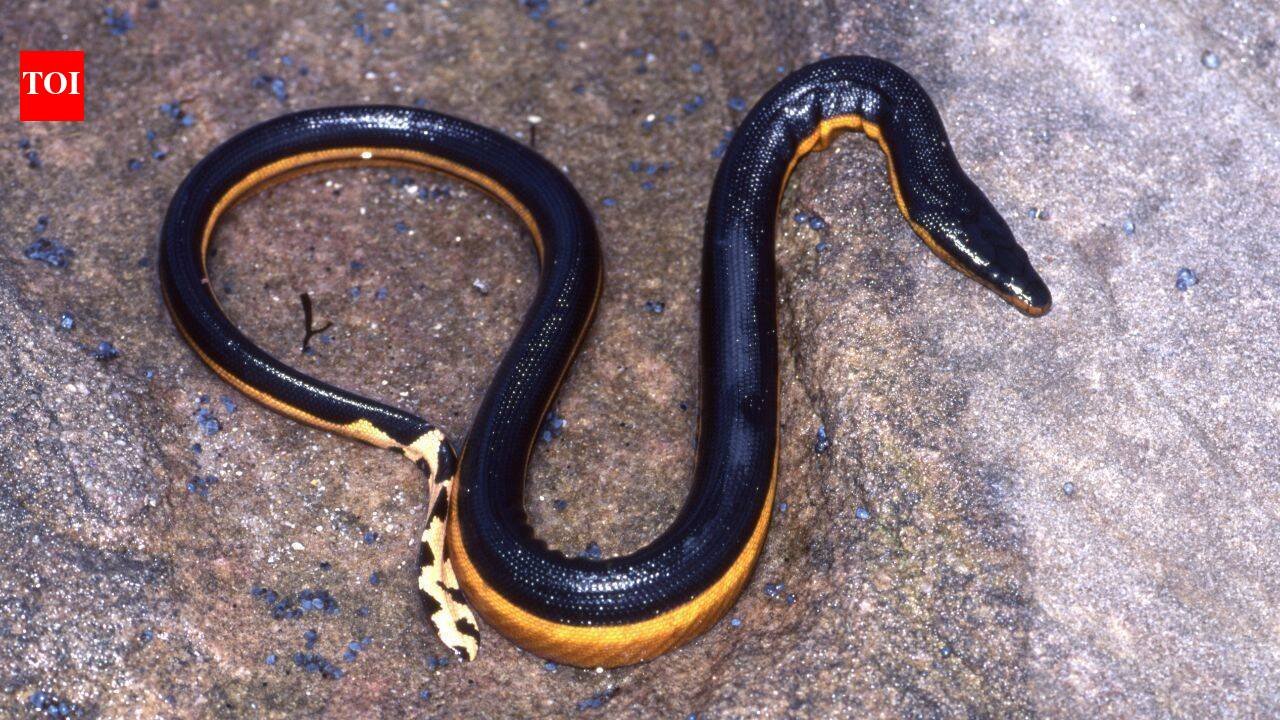
Yellow-bellied venomous sea snake returns to California beach after 8 years; rare reappearance after 2018 gives scientists clues about the species’ changing Pacific range

Yellow-bellied venomous sea snake returns to California beach after 8 years; rare reappearance after 2018 gives scientists clues about the species’ changing Pacific range

Yellow-bellied sea snake Representative image by Canva A yellow-bellied sea snake has washed ashore on an Orange County beach, marking the first reported appearance of the venomous species in California since 2018. The rare sighting took place at Crystal Cove, according to video footage cited by the Los Angeles Times. The snake’s return has drawn … Read more

In 1976, Buffalo turned a 264-acre industrial dump into a nature preserve; 50 years later, its 75-acre marsh is Erie County’s largest remnant wetland and 260+ bird species have been observed

In 1976, Buffalo turned a 264-acre industrial dump into a nature preserve; 50 years later, its 75-acre marsh is Erie County’s largest remnant wetland and 260+ bird species have been observed

Buffalo turned a 264-acre industrial dump into a nature preserve; 50 years later, its 75-acre marsh is Erie County’s largest remnant wetland (Image Credit: Tifft Nature Preserve) A former industrial site and municipal landfill on Buffalo’s Outer Harbor has spent the past five decades becoming something very different: a 264-acre urban nature preserve supporting wetlands, … Read more

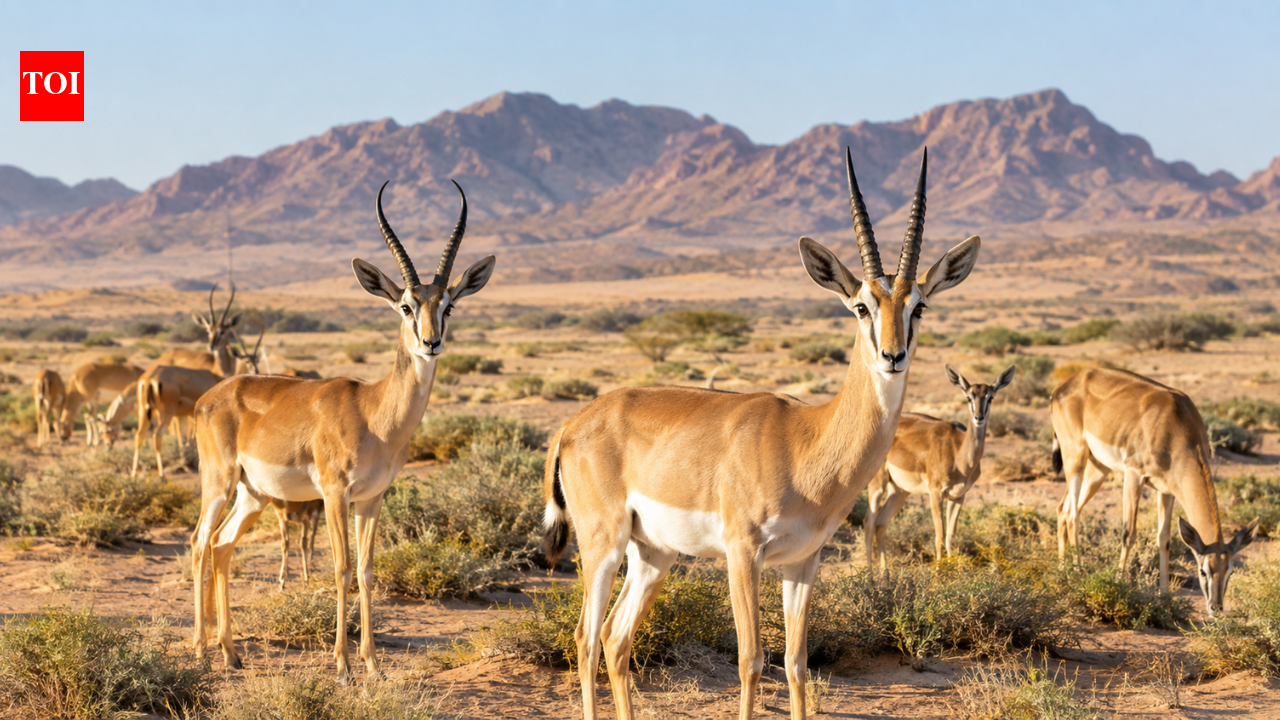
Saudi Arabia released 313 desert gazelles; 20 years later, both species had established in a vast protected desert

Saudi Arabia released 313 desert gazelles; 20 years later, both species had established in a vast protected desert

Across one of Saudi Arabia’s largest protected desert landscapes, a conservation experiment that began in the 1990s is still visible two decades later. A total of 313 captive-bred Arabian and sand gazelles were released into Uruq Bani Ma’arid, where their movements were first followed with radio tracking. When researchers returned in 2015–2016, a large camera-trap … Read more

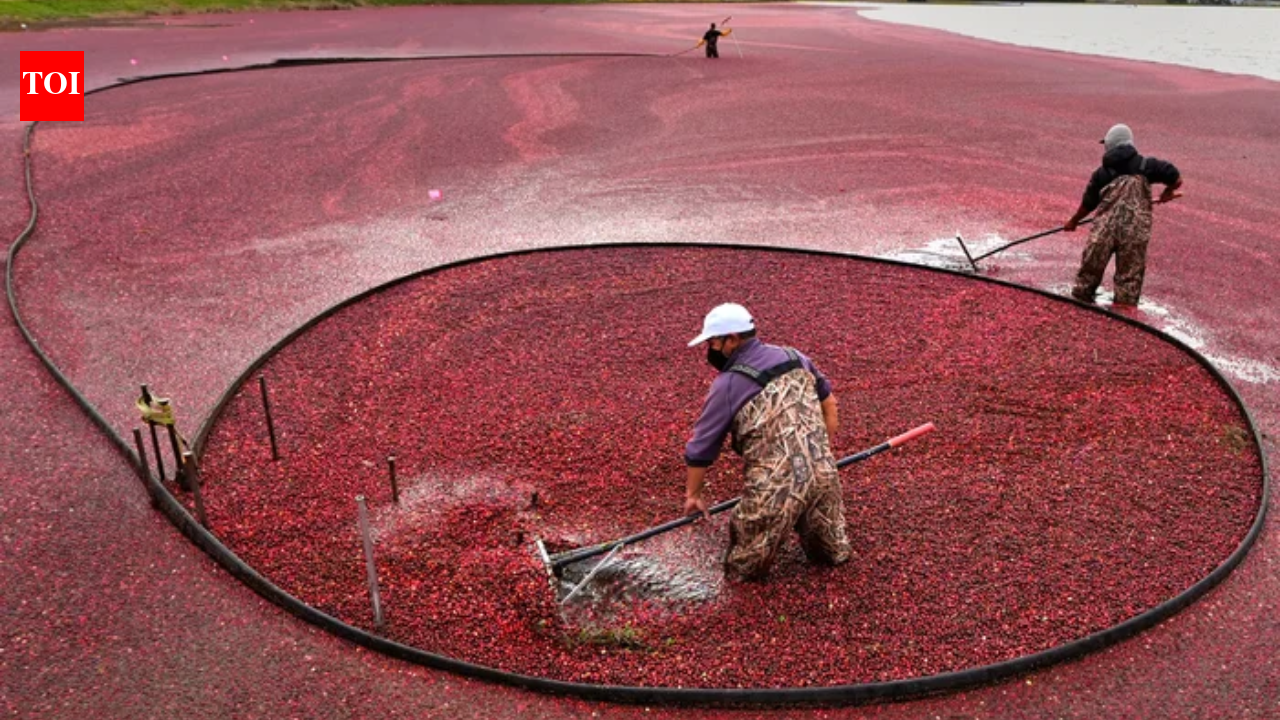
In 2018, Massachusetts removed the first of two old dams from former cranberry bogs; by 2020, 56 acres of wetlands had been rebuilt and 200+ native plant species had

In 2018, Massachusetts removed the first of two old dams from former cranberry bogs; by 2020, 56 acres of wetlands had been rebuilt and 200+ native plant species had

The removal of three old dams along Massachusetts’ Coonamessett River has turned former industrial farmland into a thriving coastal ecosystem, restoring fish passage and creating 56 acres of natural wetlands. According to feature reports from NOAA Fisheries, the town of Falmouth on Cape Cod worked with state and federal agencies to remove the historic barriers, … Read more

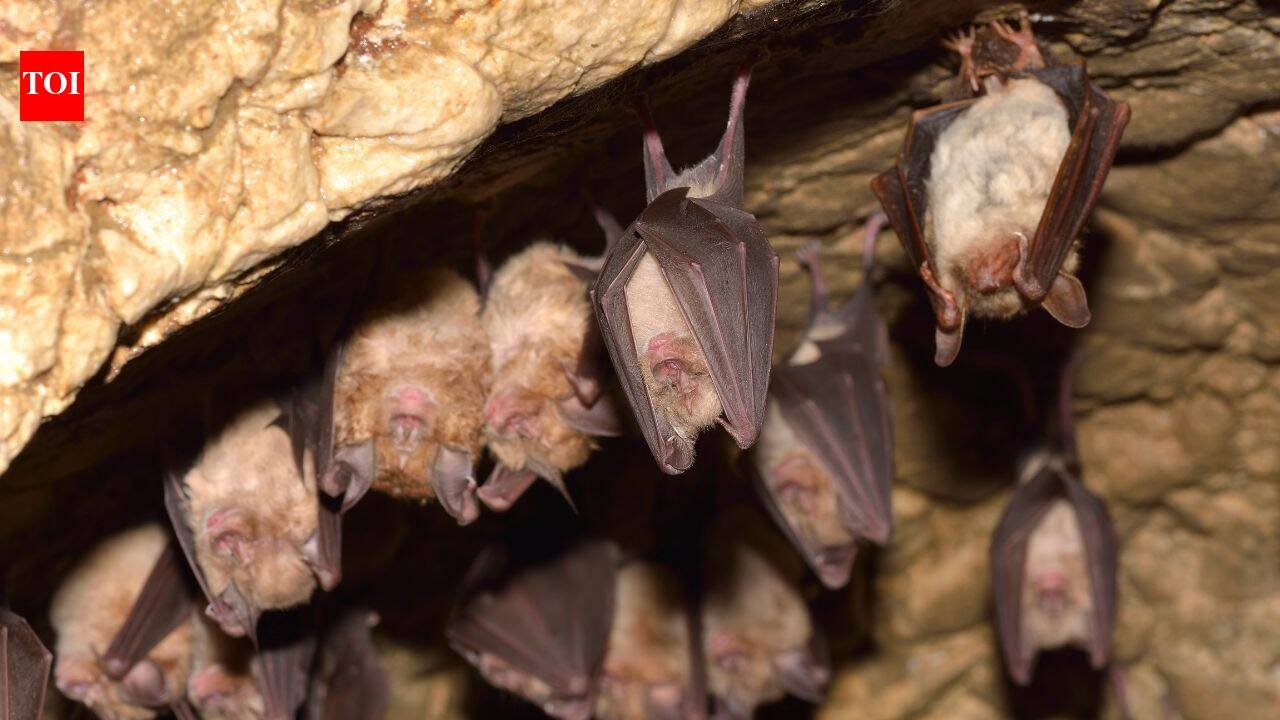
Some Myotis bats can live 50 years while close relatives live just 7; sequencing eight species found longevity genes overlapping with cancer and virus defenses

Some Myotis bats can live 50 years while close relatives live just 7; sequencing eight species found longevity genes overlapping with cancer and virus defenses

A mouse-sized bat that lives for decades appears to have evolved some of the same biological protections that help it resist cancer and viral disease. Researchers comparing eight closely related Myotis species found an extraordinary range of lifespans, from about seven years in some species to nearly 50 years in others. Their genome analysis revealed … Read more

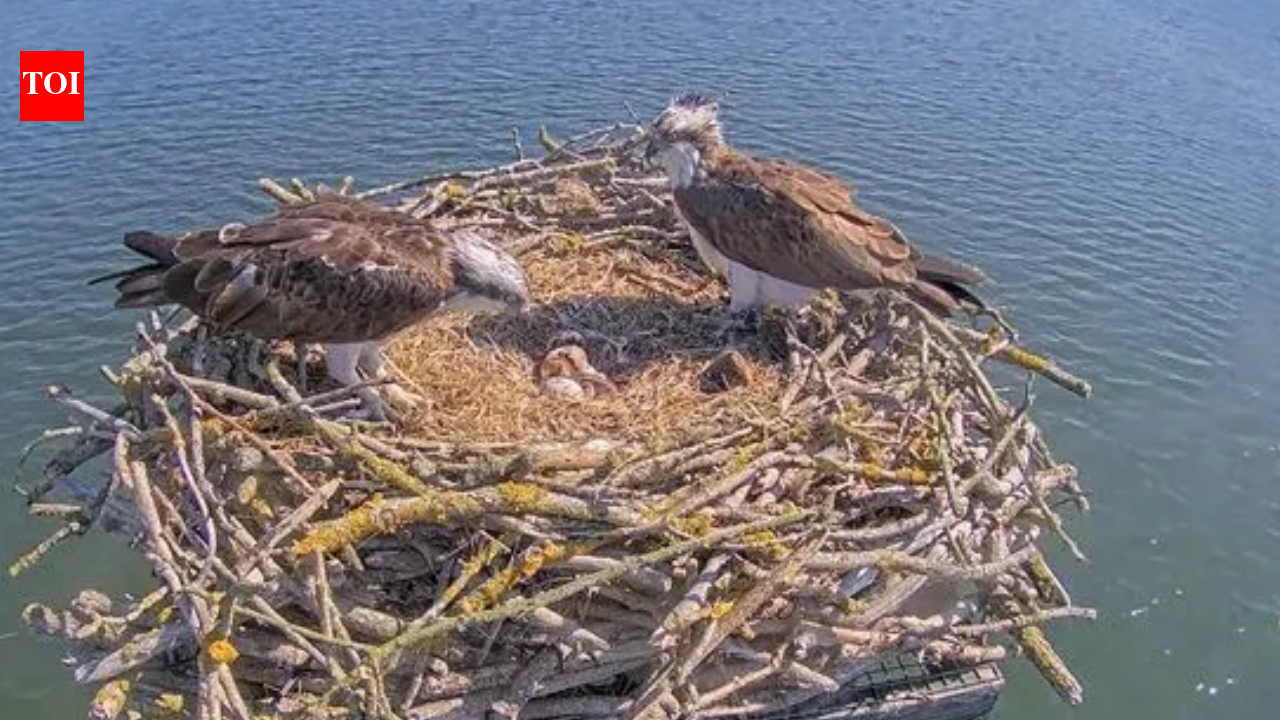
In 1996, England began moving Scottish osprey chicks to Rutland after the species vanished as a breeder in 1847; 30 years later, 300 have fledged and the population is self-sustaining

In 1996, England began moving Scottish osprey chicks to Rutland after the species vanished as a breeder in 1847; 30 years later, 300 have fledged and the population is self-sustaining

Thirty years ago, conservationists began an experiment at Rutland Water that was intended to bring a vanished bird back to England. Three decades later, the osprey has not only returned, it is breeding, spreading and producing new generations without the need for further translocations. According to the Leicestershire and Rutland Wildlife Trust (LRWT), which runs … Read more

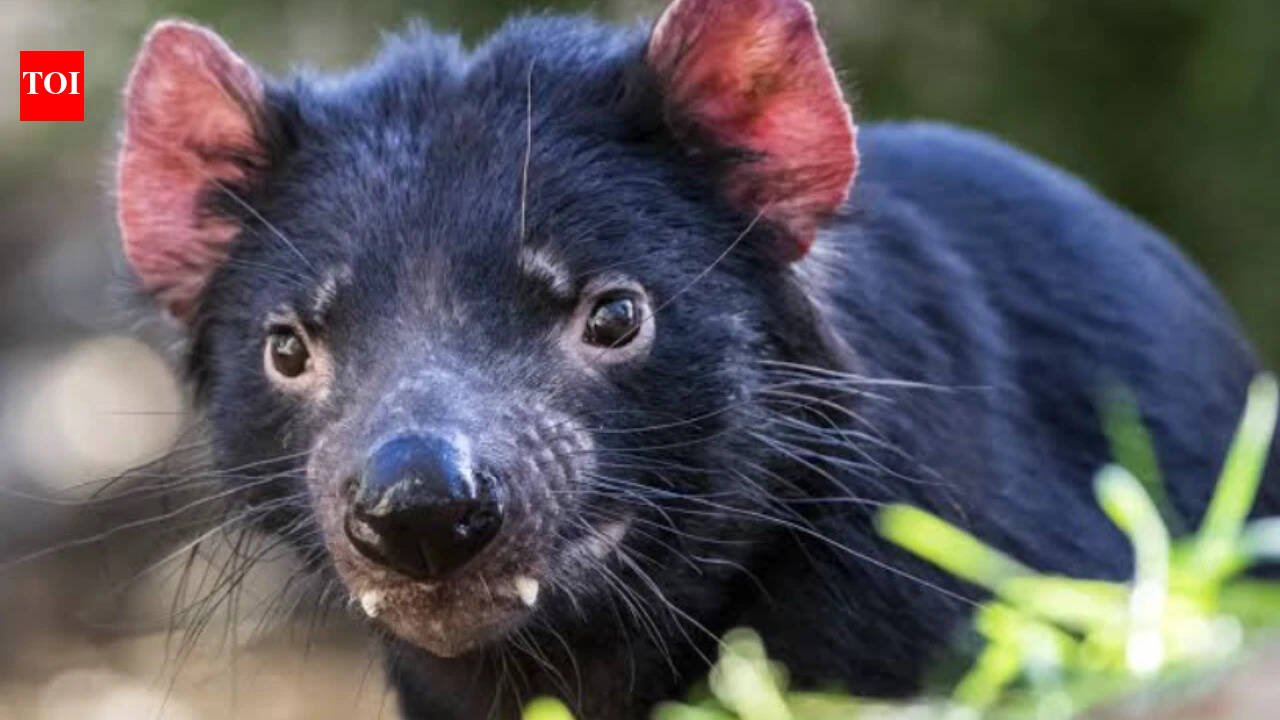
In 2012, Tasmania moved 15 devils to Maria Island to protect the species from facial-tumour disease; after 28 were released by 2013, a 3,000-pair penguin colony disappeared

In 2012, Tasmania moved 15 devils to Maria Island to protect the species from facial-tumour disease; after 28 were released by 2013, a 3,000-pair penguin colony disappeared

The facial tumour had severely affected devil populations in many parts of Tasmania In 2012, 28 Tasmanian devils were brought to Maria Island off Tasmania’s east coast as an “insurance population” when facial tumour disease was severely affecting the species. The devils have since thrived, with their numbers reaching up to 90. But their success … Read more

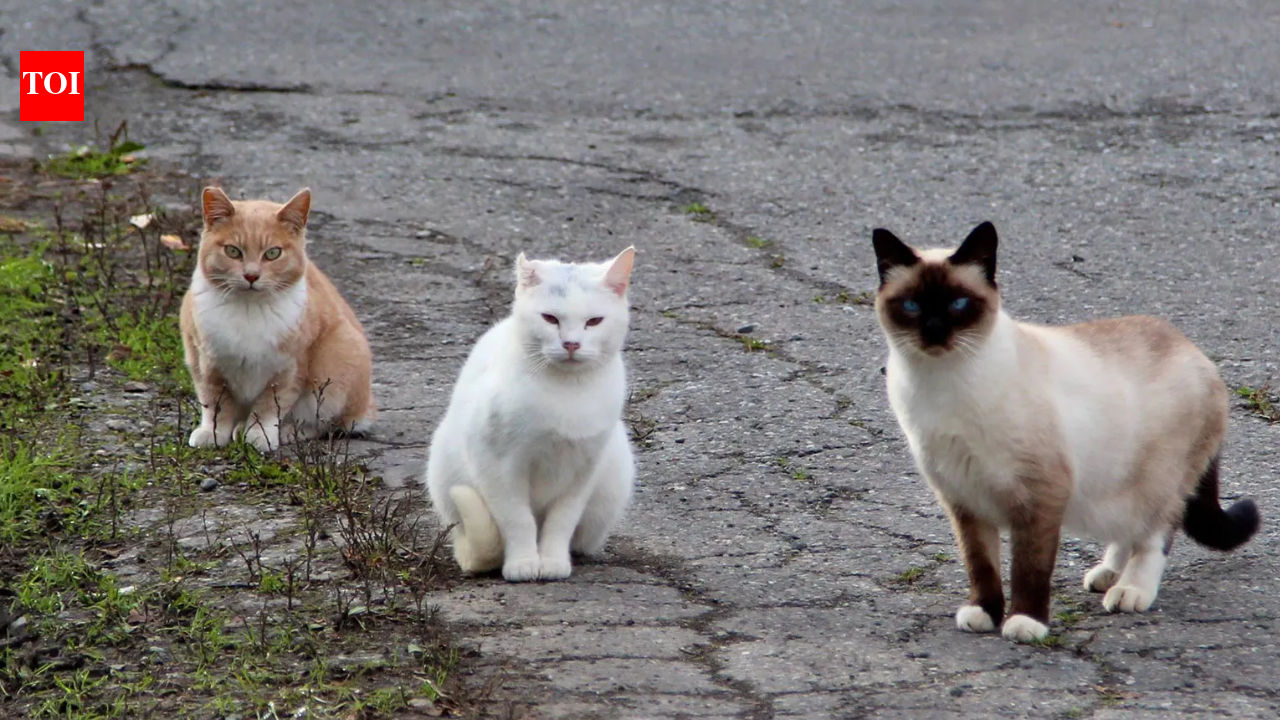
In 2016, NSW began fencing feral cats and foxes out of three reserves; 10 years later, 13 locally extinct species had returned, some after 100+ years, and were breeding again

In 2016, NSW began fencing feral cats and foxes out of three reserves; 10 years later, 13 locally extinct species had returned, some after 100+ years, and were breeding again

Thirteen native animal species that had become locally extinct in New South Wales have returned and started breeding again across three major conservation reserves. The recovery comes a decade after state authorities built large predator-proof fences to keep out feral cats and foxes. The results come from a 10-year conservation partnership involving the NSW National … Read more