In 2020, Tasmania treated invasive rice grass in Duck Bay; three years later, fish species had more than doubled from 5 to 11 and average catches rose from about 2 to 45 per net
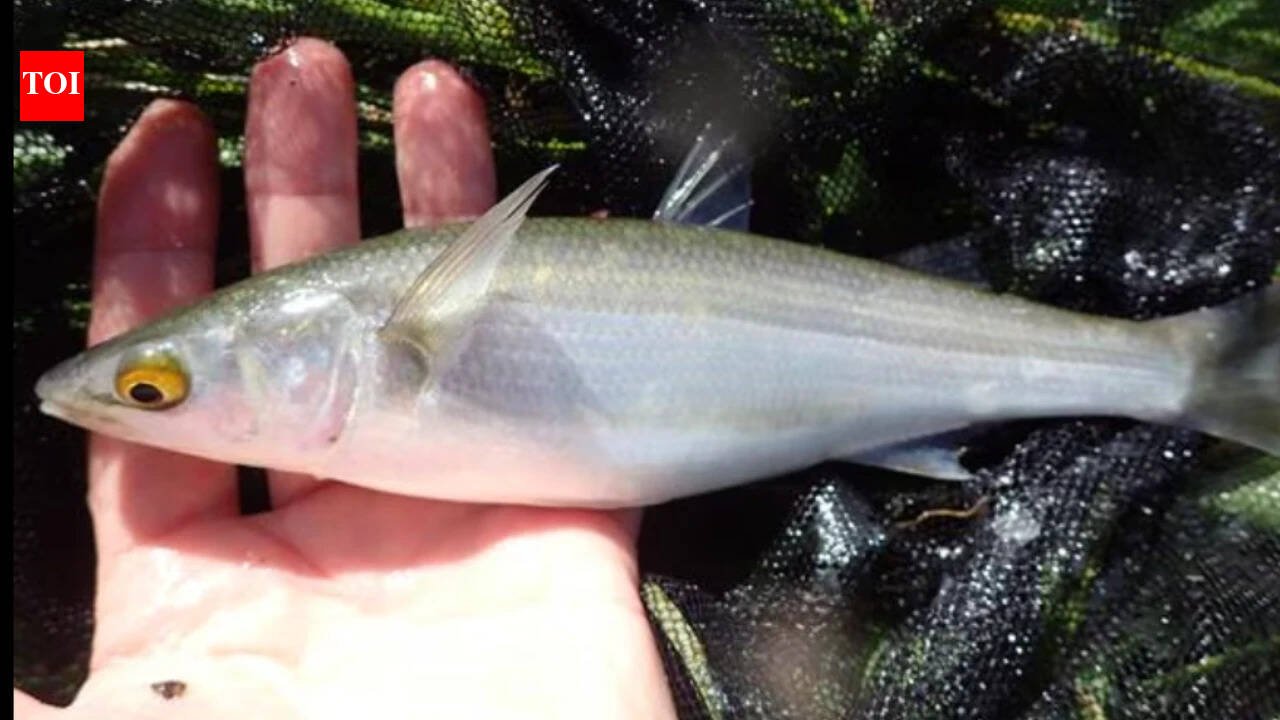
In 2020, Tasmania treated invasive rice grass in Duck Bay; three years later, fish species had more than doubled from 5 to 11 and average catches rose from about 2 to 45 per net

Among the species benefiting from the restoration are yellow-eye mullet. A major effort to remove invasive rice grass from Tasmania’s Duck Bay is showing major signs of recovery, with native vegetation returning and the number of fish species rising from five to 11. The changes came within just two to three years of the weed … Read more
An invasive insect first found in Pennsylvania in 2014 spread across 18 US states; Canada has now confirmed its first spotted lanternfly detection in Windsor, putting grape-growing regions on alert

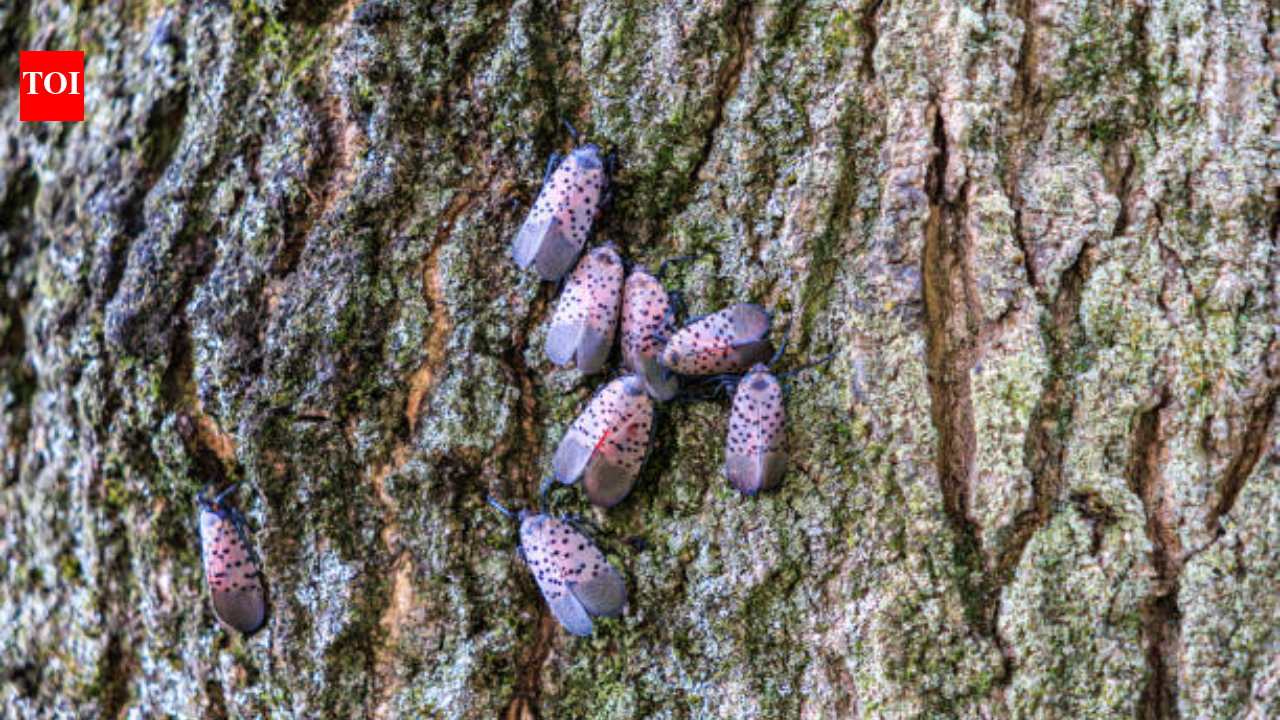
An invasive insect first found in Pennsylvania in 2014 spread across 18 US states; Canada has now confirmed its first spotted lanternfly detection in Windsor, putting grape-growing regions on alert

Canada has recently confirmed the first detection of spotted lanternfly in the country. On September 15, 2026, the Canadian Food Inspection Agency (CFIA) confirmed the first detection of SLF in Canada in Windsor, Ontario. Movement restrictions have been placed to prevent the movement of regulated materials, including potentially infested plant materials. Moreover, surrounding areas are … Read more

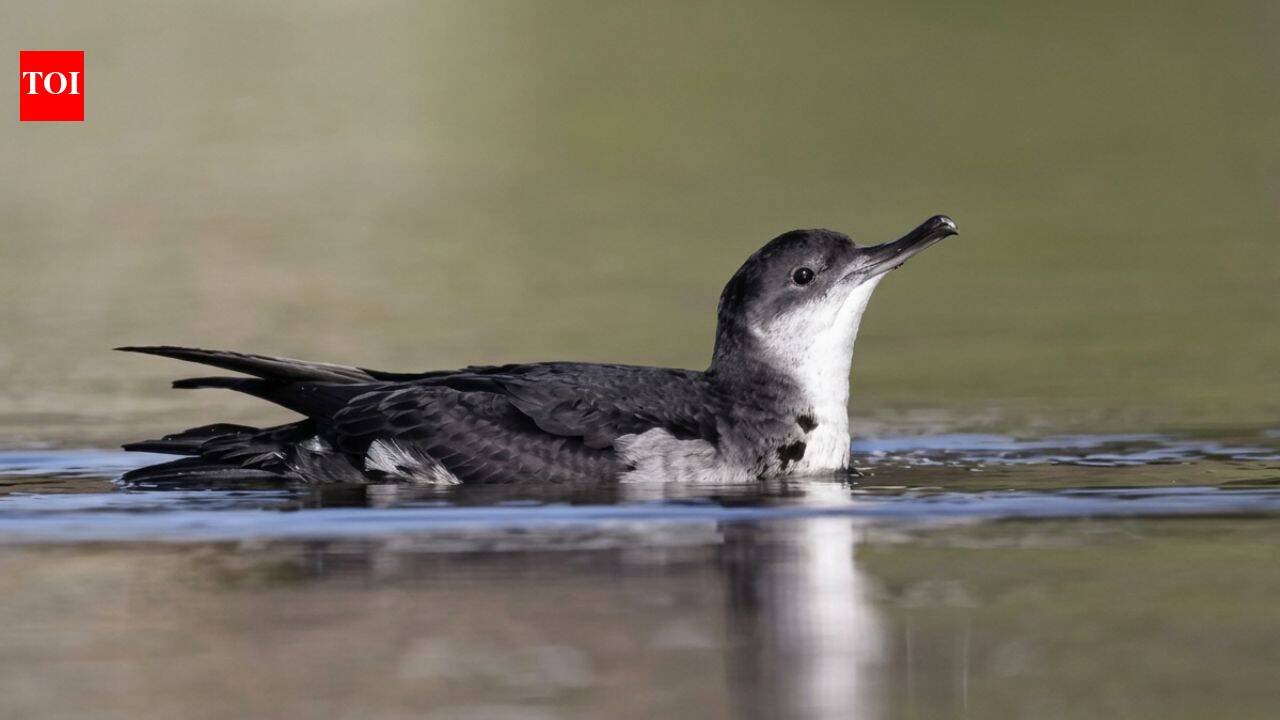
In 2013, St Agnes and Gugh began removing invasive rats brought by 18th-century shipwrecks; 12 years later, Manx shearwater breeding sites rose from 22 to a record 225

In 2013, St Agnes and Gugh began removing invasive rats brought by 18th-century shipwrecks; 12 years later, Manx shearwater breeding sites rose from 22 to a record 225

In the latest 2025 monitoring data, St Agnes and Gugh recorded 225 apparently occupied breeding sites (AOBs) for Manx shearwaters In 2013, a major conservation effort began on St Agnes and Gugh in the Isles of Scilly to remove brown rats that had been harming nesting seabirds. According to the Isles of Scilly Wildlife Trust, … Read more

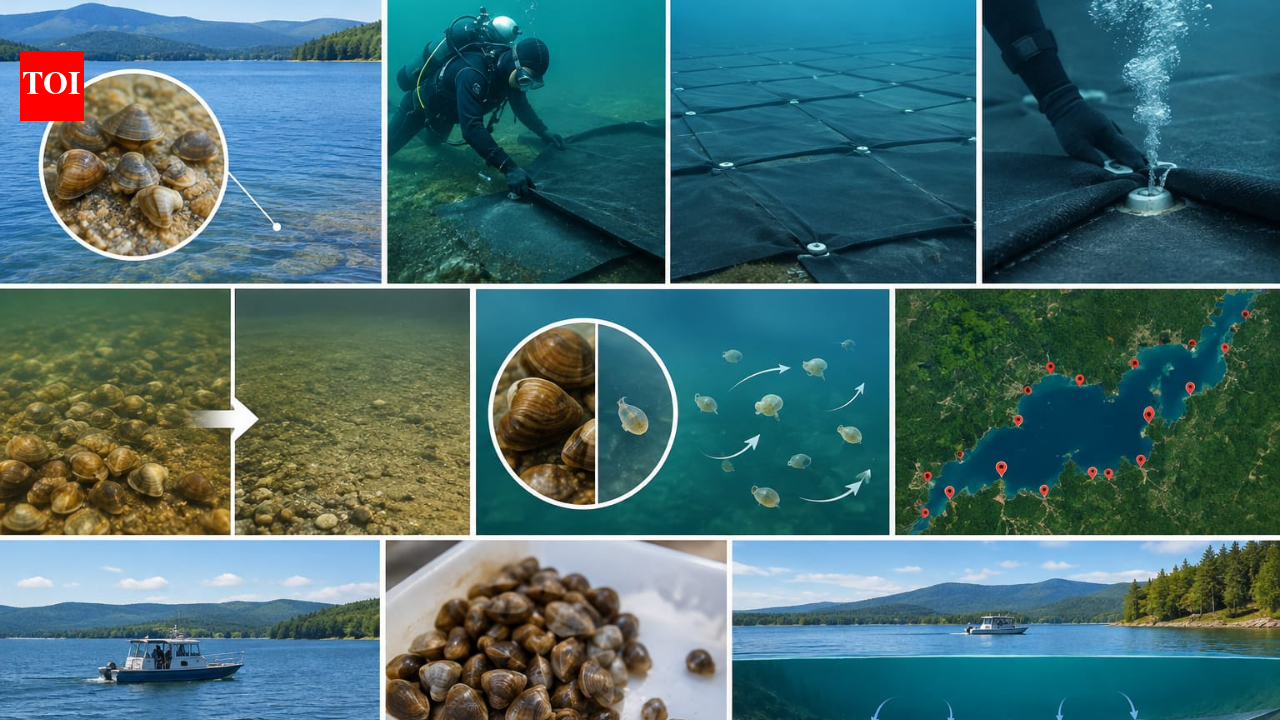
In 2011, New York covered five acres of Lake George with more than 700 mats to suffocate invasive Asian clams; 97% died, but the invader later spread to 27 locations

In 2011, New York covered five acres of Lake George with more than 700 mats to suffocate invasive Asian clams; 97% died, but the invader later spread to 27 locations

Representative Image (AI-generated) When invasive Asian clams were discovered in Lake George, New York, in 2010, researchers moved quickly to test whether covering the lakebed could stop the species from spreading. According to a final report by the Darrin Fresh Water Institute at Rensselaer Polytechnic Institute, published through the Lake Champlain Basin Program, a large-scale … Read more

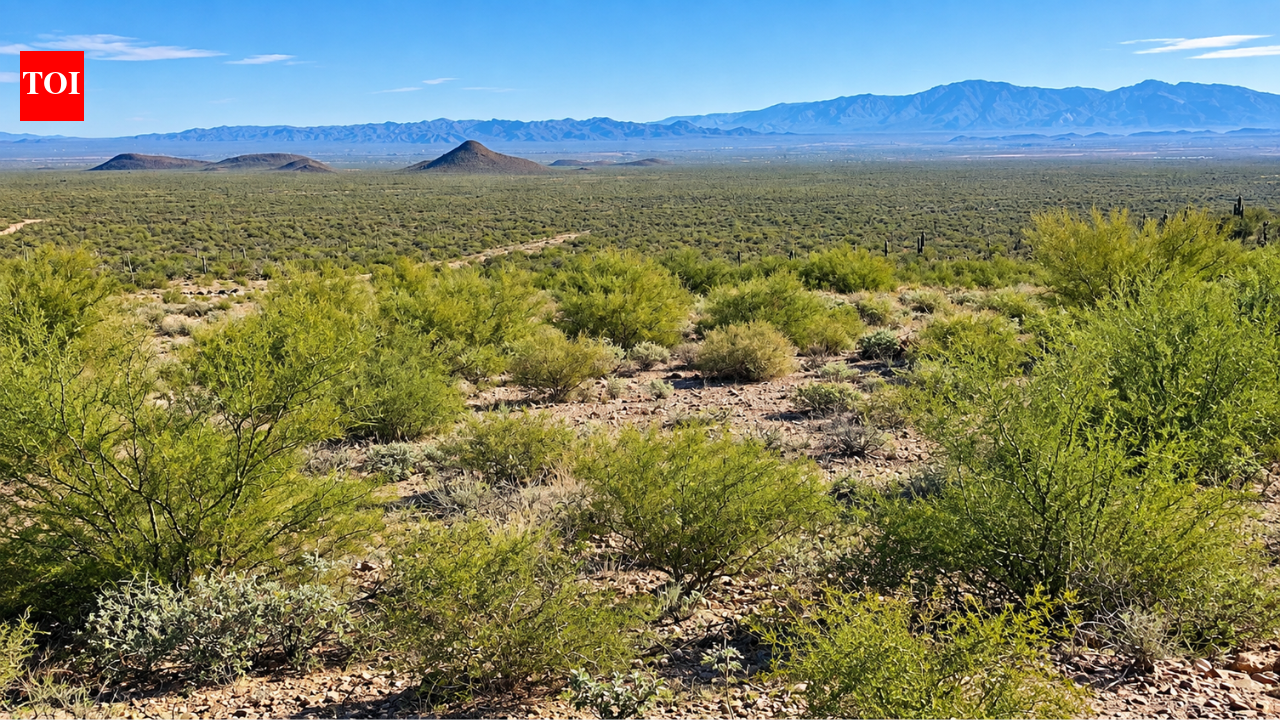
Volunteers spent 16 years restoring a damaged Arizona desert; 133 native plant species now thrive where invasive grass once ruled

Volunteers spent 16 years restoring a damaged Arizona desert; 133 native plant species now thrive where invasive grass once ruled

An 18-acre stretch of Arizona desert that was once heavily disturbed and overrun by invasive buffelgrass has been transformed through 16 years of sustained restoration work by volunteers and conservation partners. The Waterman Restoration Project, located on Bureau of Land Management land within Ironwood Forest National Monument near Marana, began in 2010 after earlier attempts … Read more

Baltimore kept an invasive pear as its official tree for 52 years; after Maryland banned its sale, six costumed native trees raced to reveal its replacement, the tulip poplar

Baltimore kept an invasive pear as its official tree for 52 years; after Maryland banned its sale, six costumed native trees raced to reveal its replacement, the tulip poplar

The six finalists were the tulip poplar, American sycamore, blackgum, bald cypress, bitternut hickory and overcup oak. (wbaltv photo) For 52 years, Baltimore had the Chanticleer pear, also known as the callery pear, as its official city tree. That changed last month after the city selected the tulip poplar as its new official tree, replacing … Read more

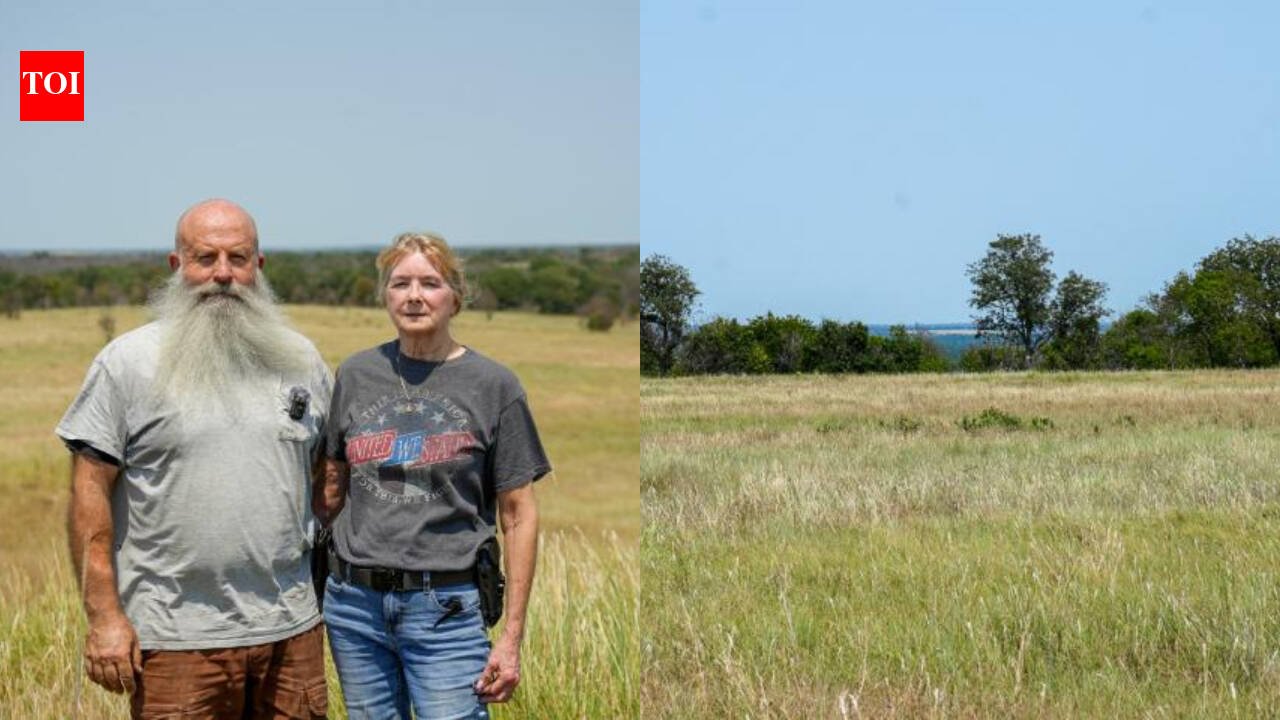
In Oklahoma, a veteran spent 5 years fighting back invasive cedars on his 400-acre ranch; now native grasses are returning and water is flowing into newly reappearing streams

In Oklahoma, a veteran spent 5 years fighting back invasive cedars on his 400-acre ranch; now native grasses are returning and water is flowing into newly reappearing streams

Heishman started working with Duel Brown, the Pawnee County conservationist for the Natural Resources Conservation Service, who helped find practical ways to improve the property. Retired Marine Corps veteran Brian Heishman has been slowly turning a 400-acre ranch near Pawnee, Oklahoma, into a cedar forest for five years. An overgrown property, choked by Eastern Red … Read more

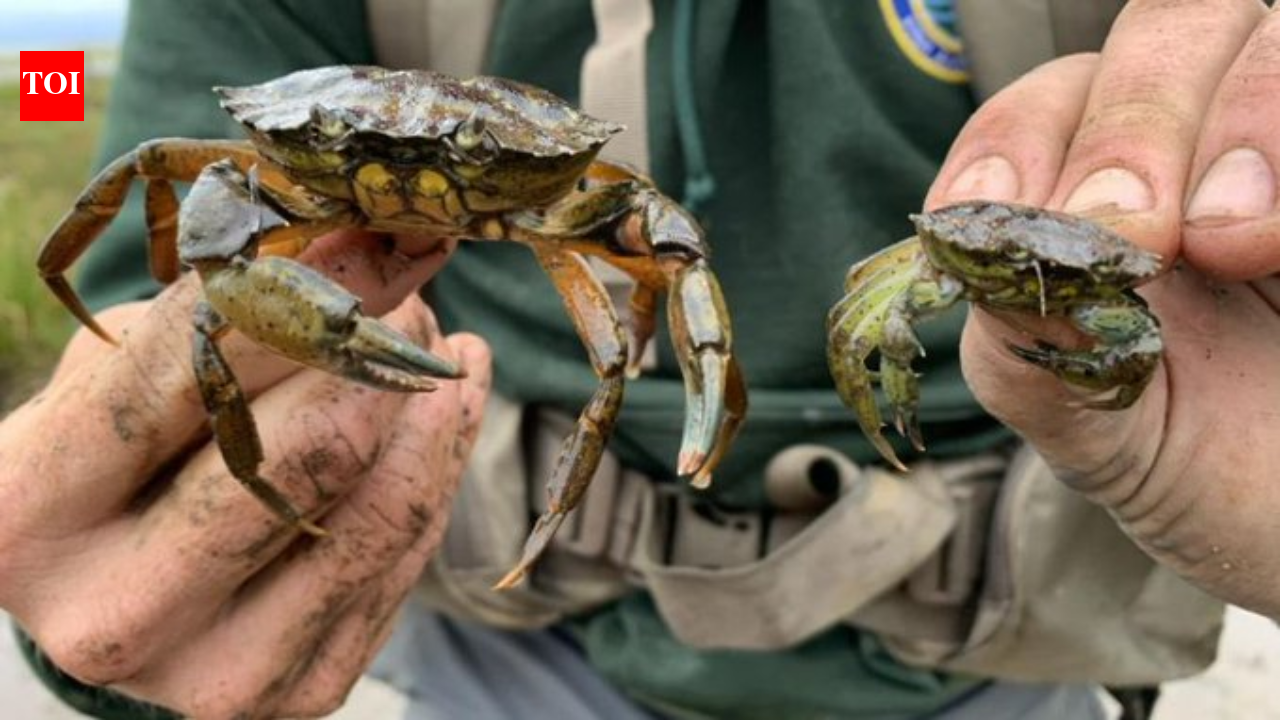
New England has battled invasive green crabs for more than 200 years; now people are eating the destructive species in a bid to protect shellfish, wetlands and coastal ecosystems

New England has battled invasive green crabs for more than 200 years; now people are eating the destructive species in a bid to protect shellfish, wetlands and coastal ecosystems

Since time immemorial, humans have been consuming food derived from the land, air and water. From vegetables and birds to even crabs, there is not much we have not used to survive on. But currently, people in New England are feasting on green crabs not to survive themselves but to help the native species subsist. … Read more

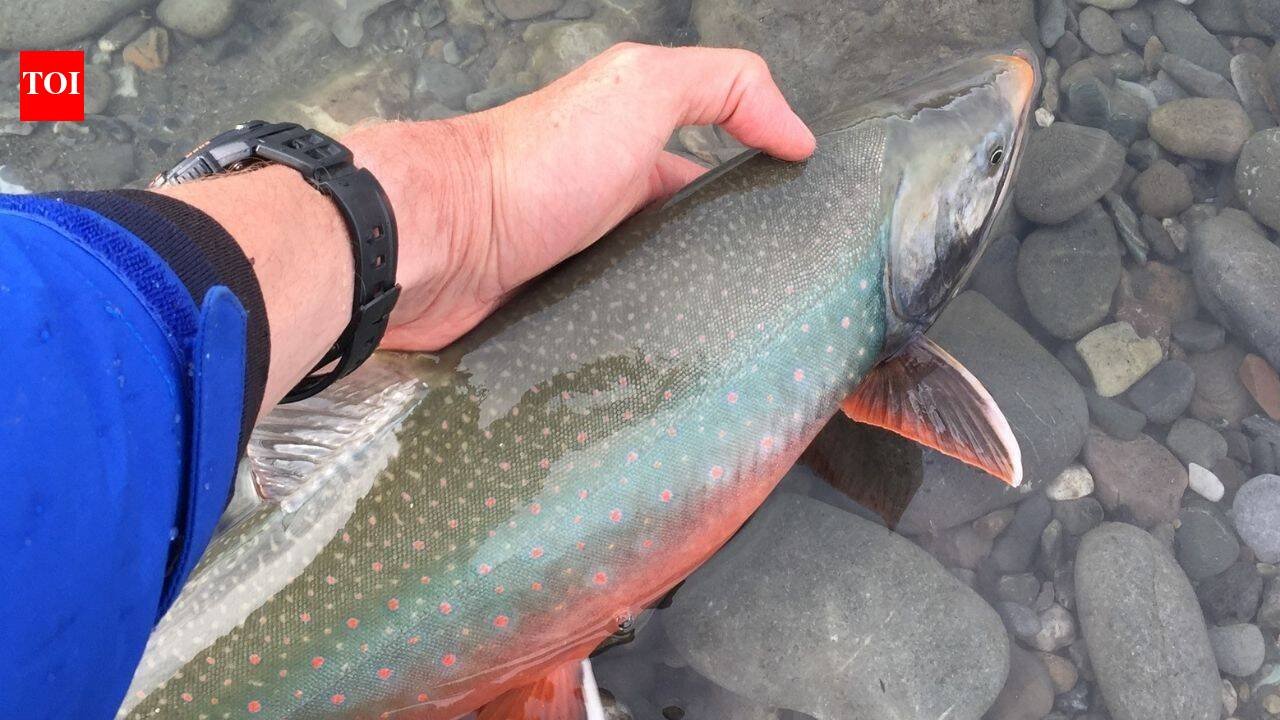
Alaska used rotenone to eliminate invasive pike from an entire lake; the pike vanished, and 6,836 Arctic char were later stocked to rebuild the native fishery

Alaska used rotenone to eliminate invasive pike from an entire lake; the pike vanished, and 6,836 Arctic char were later stocked to rebuild the native fishery

In a remote corner of Southcentral Alaska, state biologists carried out a dramatic restoration: they treated an entire lake with rotenone, a plant-derived piscicide, to wipe out an invasive population of northern pike. After the treatment, post-surveys confirmed the pike were gone. The next step was rebuilding what had been lost. In June 2013, the … Read more

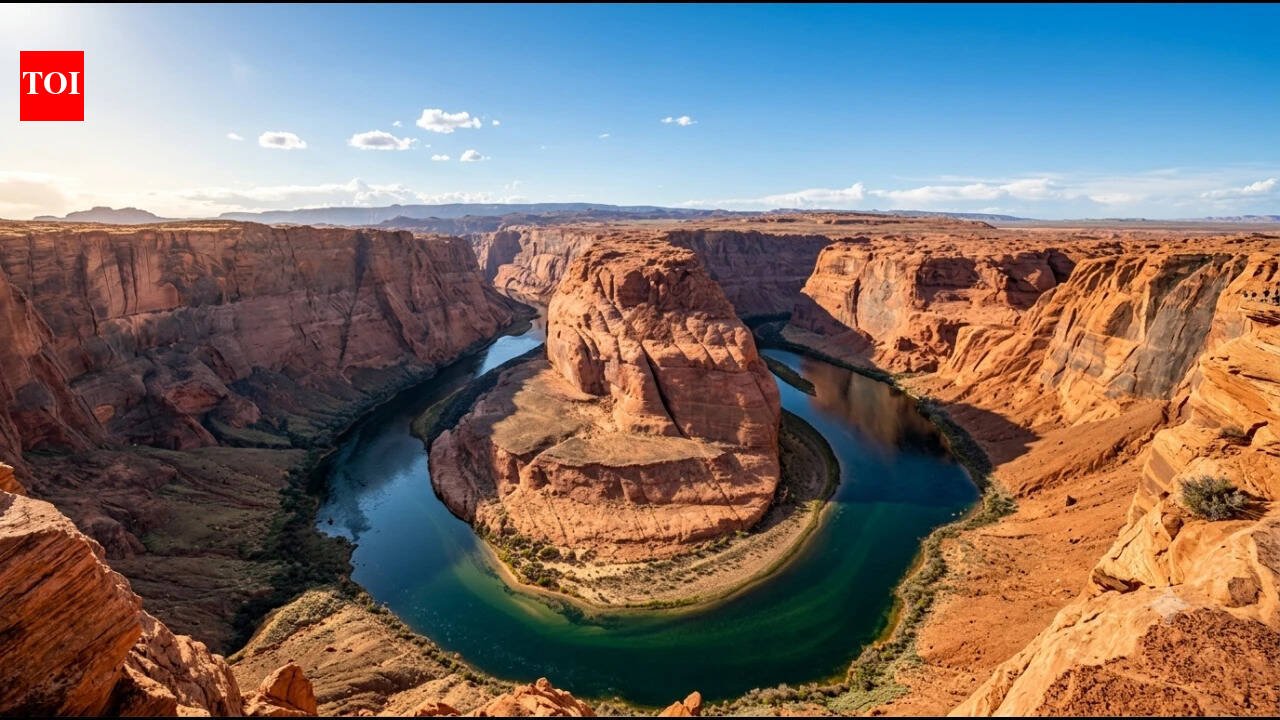
Zebra mussel DNA detected in Utah’s Colorado River for first time, raising alarm over invasive species threat across the Upper Colorado River basin

Zebra mussel DNA detected in Utah’s Colorado River for first time, raising alarm over invasive species threat across the Upper Colorado River basin

An invasive species threat has reached a new stretch of the Colorado River, after scientists detected zebra mussel DNA in Utah’s portion of the river for the first time. The discovery has raised concerns among wildlife officials because zebra mussels can spread rapidly once established, potentially damaging infrastructure, disrupting recreation and altering freshwater ecosystems. The … Read more