In the 1960s, a Tucson couple built a carport from discarded bottles; it grew into a 2,700-square-foot home that later hit the market for $432,500
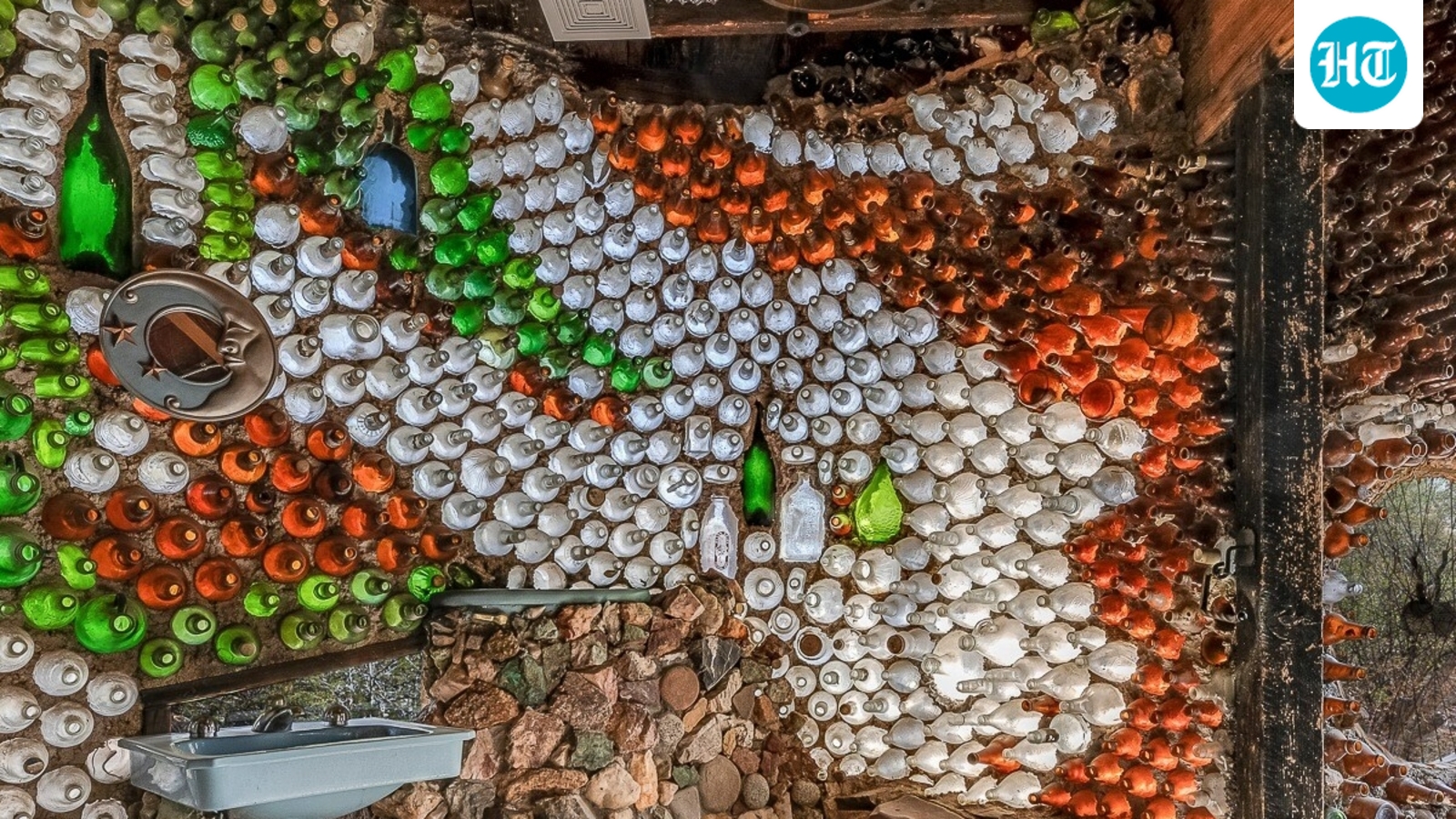
Thousands of glass bottles, set in rock and mortar, form the walls of this Tucson home. (@tucsonbottlehouse/Instagram)

Most of us toss an empty bottle without a second thought. Ted and Mel Bryson saw something else: walls. KGUN 9, the local station, reports the Tucson couple built the original house out of rock, mortar, and thousands of glass bottles in 1965. Architectural Digest (AD), which also covered the listing, noted the house was … Read more
In the late 1950s and early 1960s, Nile perch were introduced into Lake Victoria to improve fisheries; decades later the predator was linked to the loss of many native cichlids and transformation of the lake’s fishery

In the late 1950s and early 1960s, Nile perch were introduced into Lake Victoria to improve fisheries; decades later the predator was linked to the loss of many native cichlids and transformation of the lake’s fishery

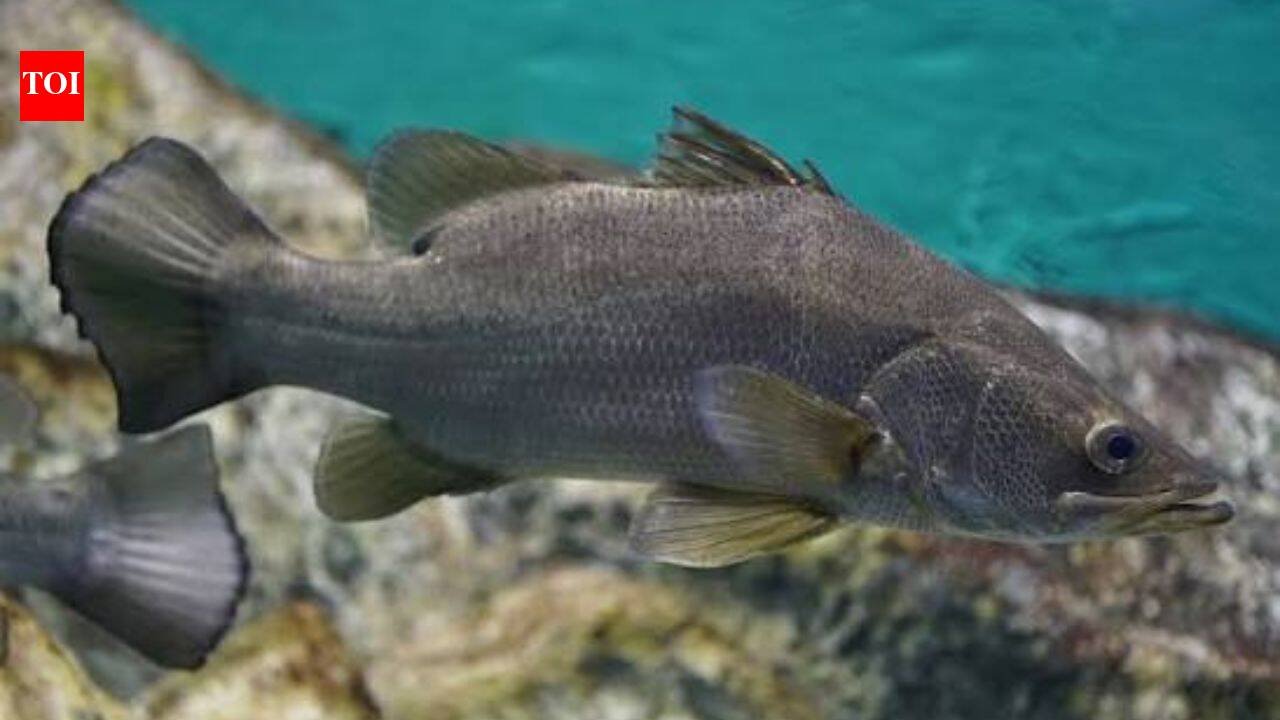
Nile PerchPhoto: Wikipedia In the late 1950s and early 1960s, Nile perch were introduced into Lake Victoria with the hope that the large predatory fish would strengthen local fisheries. The decision was intended to create new commercial opportunities and increase the supply of valuable fish. Instead, the species spread through one of the world’s largest … Read more

A Cleveland district fell from nearly 100,000 residents in the 1960s to fewer than 20,000, leaving blocks looking like countryside; a new plan now aims to build 200 homes and could generate up to $182 million for streets, parks and sewers

A Cleveland district fell from nearly 100,000 residents in the 1960s to fewer than 20,000, leaving blocks looking like countryside; a new plan now aims to build 200 homes and could generate up to $182 million for streets, parks and sewers

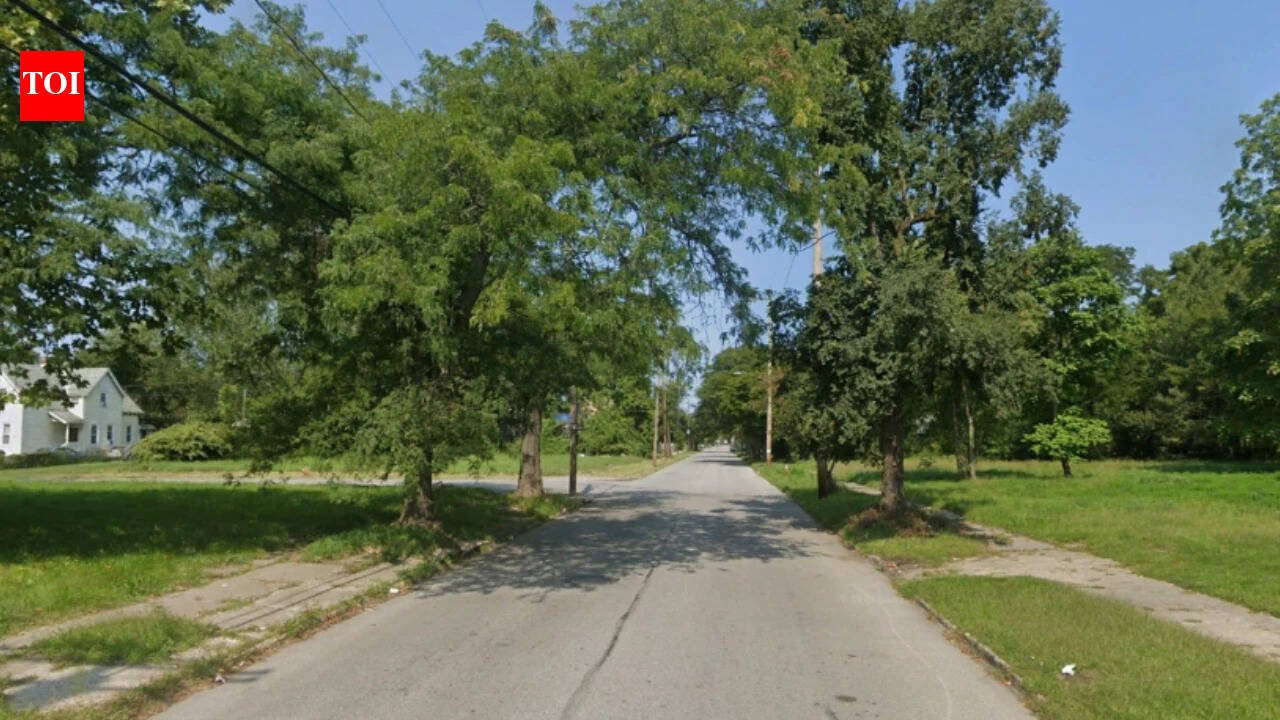
Parts of the East Side look rural, with the loss of population creating what it called an “urban prairie” A Cleveland district that once had nearly 100,000 residents in the 1960s now has fewer than 20,000, leaving large areas with open green space that can resemble the countryside. The city is now trying to reverse … Read more

In the early 1960s, developers sold 5,850 lots for a private resort on Assateague Island; one five-day storm wiped out nearly every house and helped turn it into a national seashore

In the early 1960s, developers sold 5,850 lots for a private resort on Assateague Island; one five-day storm wiped out nearly every house and helped turn it into a national seashore

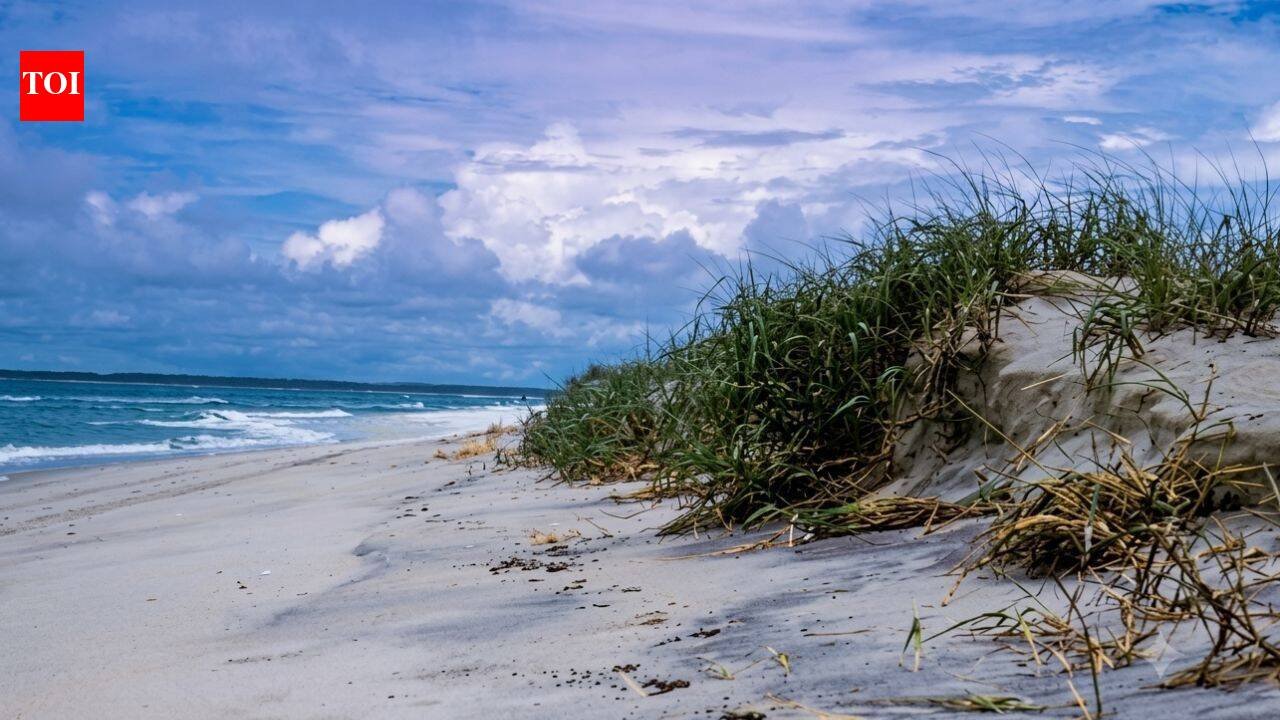
The island was protected as a National Seashore in 1965. (Picture: NPS) Assateague Island National Seashore in Maryland is known for its undeveloped beaches, wildlife and natural coastal habitats. But plans were once in place to turn large parts of Assateague into a resort community with homes, roads, commercial areas and other infrastructure.The island’s story … Read more

In the 1960s, the US began displacing around 600 families for a 40-mile reservoir; in 1975 the dam was shelved and their land became a 70,000-acre national park

In the 1960s, the US began displacing around 600 families for a 40-mile reservoir; in 1975 the dam was shelved and their land became a 70,000-acre national park

Origin Story: The Tocks Island Dam Controversy The US government once planned to flood a 40-mile stretch of the Delaware River valley to build a massive reservoir, only to cancel the project and turn the acquired land into a sprawling federal parkland. The Delaware Water Gap National Recreation Area, a 70,000-acre national park spanning Pennsylvania … Read more

In the 1960s, Florida drained land for a giant subdivision; in 2026, restoration finished after removing 260 miles of roads and plugging 48 miles of canals across 55,000 acres

In the 1960s, Florida drained land for a giant subdivision; in 2026, restoration finished after removing 260 miles of roads and plugging 48 miles of canals across 55,000 acres

Restoration work at Picayune Strand is helping restore wetlands across 55,000 acres in Southwest Florida. A major restoration project in Southwest Florida has been completed after years of work to bring the natural flow of water back to 55,000 acres of wetlands.According to officials, the Picayune Strand Restoration Project covers area between Alligator Alley and … Read more