In the late 1990s, golden eagle predation left 15 foxes on Santa Rosa Island; after the eagles were removed, numbers recovered to about 1,200 by 2015
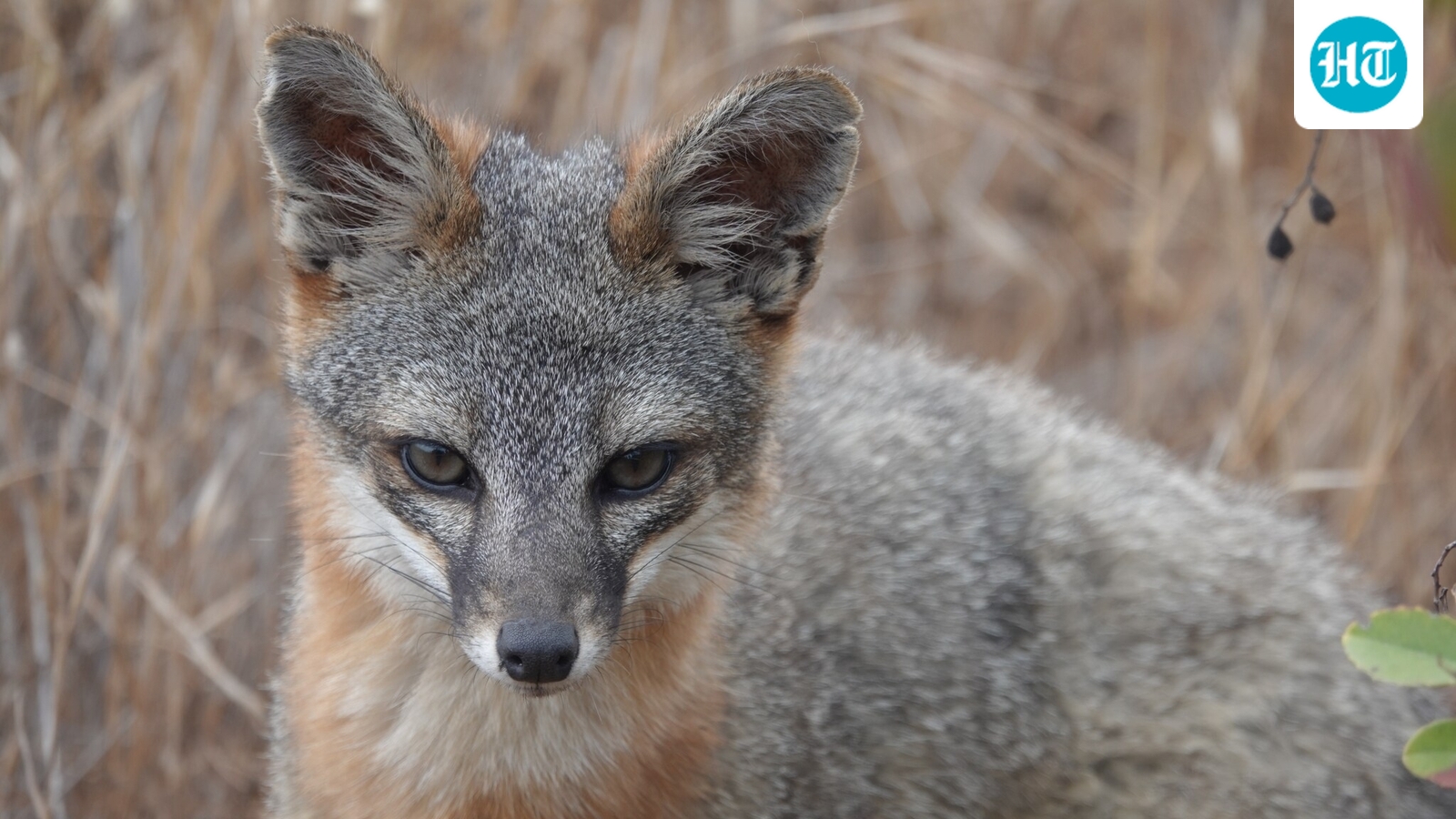
After island fox populations plunged by more than 90% on parts of California’s Channel Islands, a coordinated recovery effort addressed predation, disease and habitat pressures. (Wikimedia Commons)

Santa Rosa Island’s island fox population fell from an estimated 1,780 in 1994 to just 15 in the late 1990s, according to the U.S. Department of the Interior. By 2015, the population had rebounded to about 1,200 following a coordinated conservation effort. After island fox populations plunged by more than 90% on parts of California’s … Read more
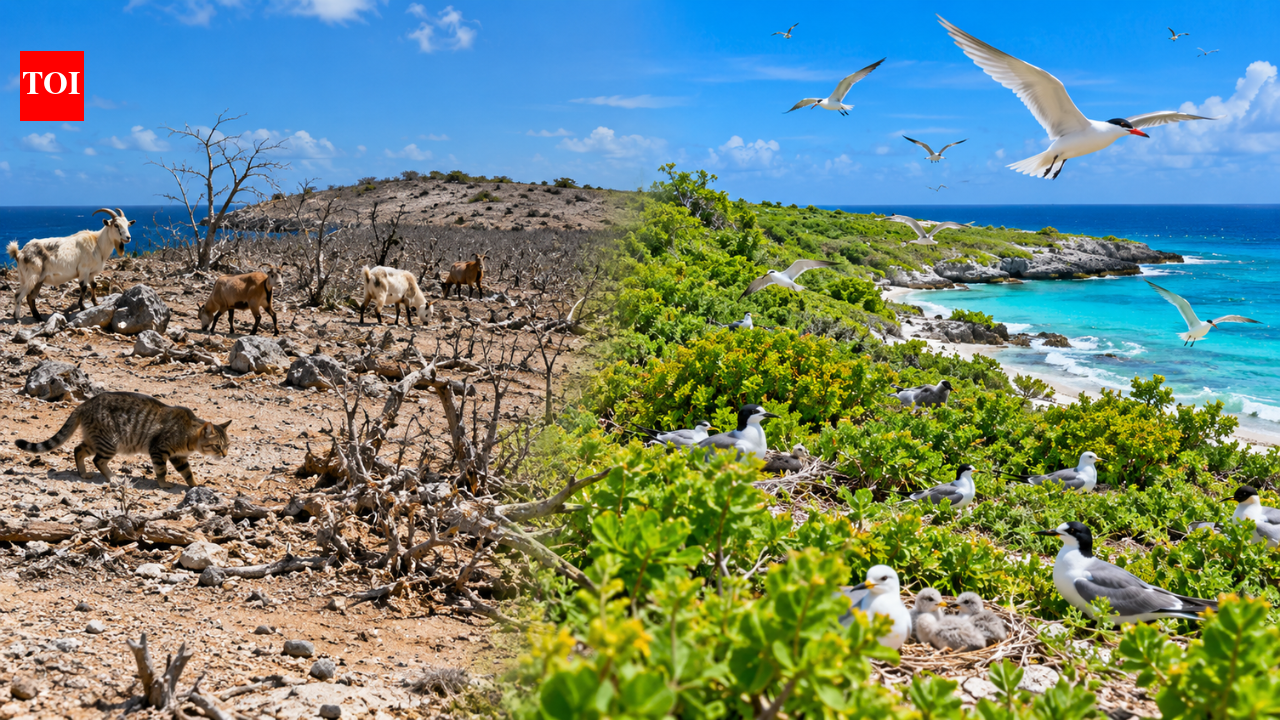
After goats were removed in the 1990s and cats in 2001, Klein Curacao island restored native plants, helping nine bird species breed by 2022

After goats were removed in the 1990s and cats in 2001, Klein Curacao island restored native plants, helping nine bird species breed by 2022

Klein Curacao, a flat 130-hectare coral island about 10 km southeast of Curacao, was left bare by guano mining and overgrazing by goats and sheep. Feral goats were removed in the 1990s and cats in October 2001, while native planting ran from 2000 to 2005. For decades, the Least Tern was the only seabird confirmed … Read more

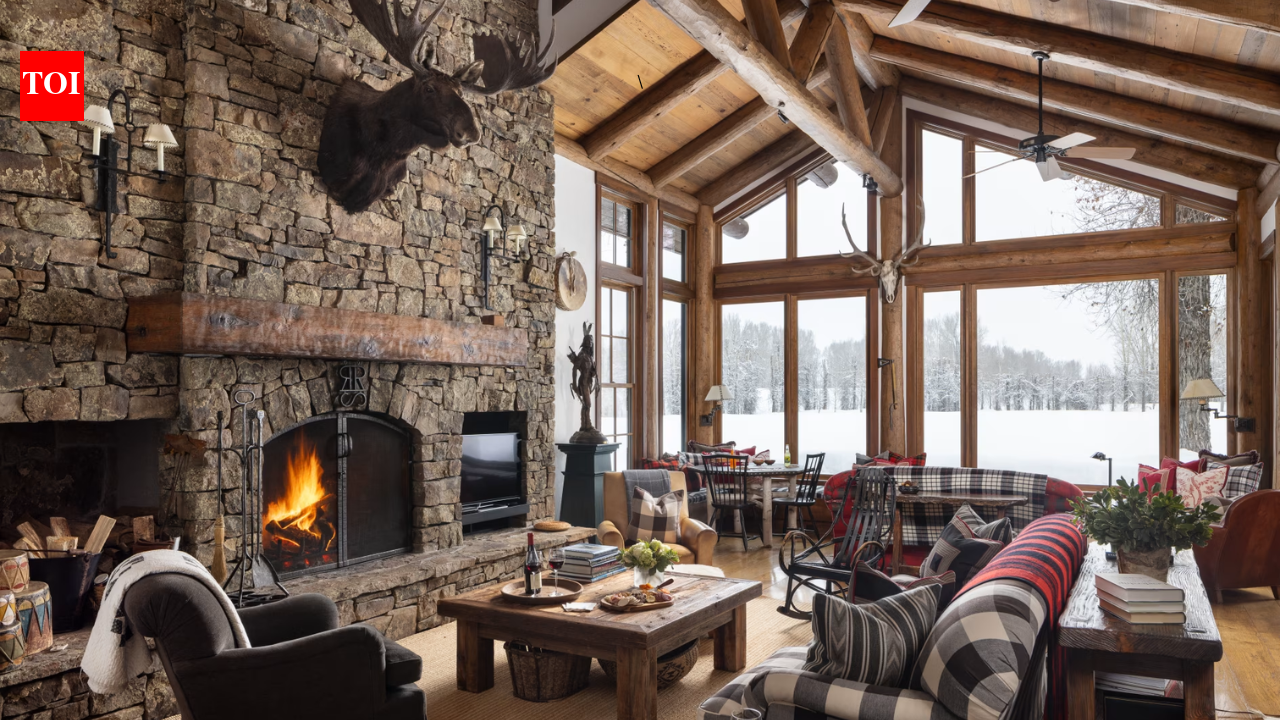
An Alabama couple bought 21 acres in Jackson Hole in the 1990s; decades later, their family retreat is asking $40 million

An Alabama couple bought 21 acres in Jackson Hole in the 1990s; decades later, their family retreat is asking $40 million

PC: LATHAM JENKINS/ The Wall Street Journal An Alabama couple who bought a 21-acre property in Jackson Hole in the 1990s has spent decades turning it into a family retreat with a Western-style lodge, guest cottage and creek and riverfront grounds. Investor Jon Rotenstreich and his wife, Susan, initially lived in the two-bedroom guest cottage … Read more

A 5,000-acre Wyoming ranch was bought by conservationists in the 1990s; instead of ending ranching, they kept cattle grazing to protect the ecosystem

A 5,000-acre Wyoming ranch was bought by conservationists in the 1990s; instead of ending ranching, they kept cattle grazing to protect the ecosystem

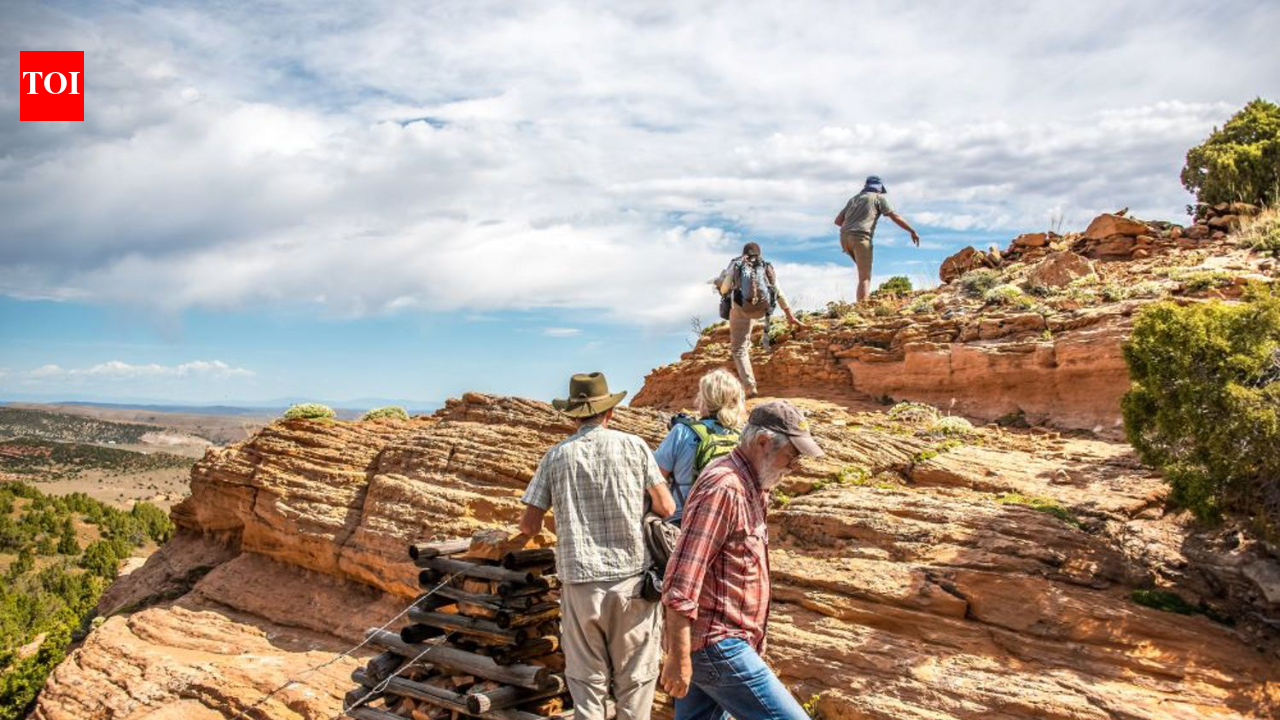
When conservationists bought a Wyoming cattle ranch in the 1990s, most people assumed the herds would disappear. Instead, they discovered something surprising: keeping cattle on the land, managed carefully, could actually protect it. This is the story of Red Canyon Ranch near Lander, Wyoming, purchased by The Nature Conservancy as an experiment in coexistence between … Read more

In the early 1990s, fewer than 1,000 threatened chum salmon returned to this Washington watershed; recent returns average 32,600 a year as a $9.7 million river restoration nears completion

In the early 1990s, fewer than 1,000 threatened chum salmon returned to this Washington watershed; recent returns average 32,600 a year as a $9.7 million river restoration nears completion

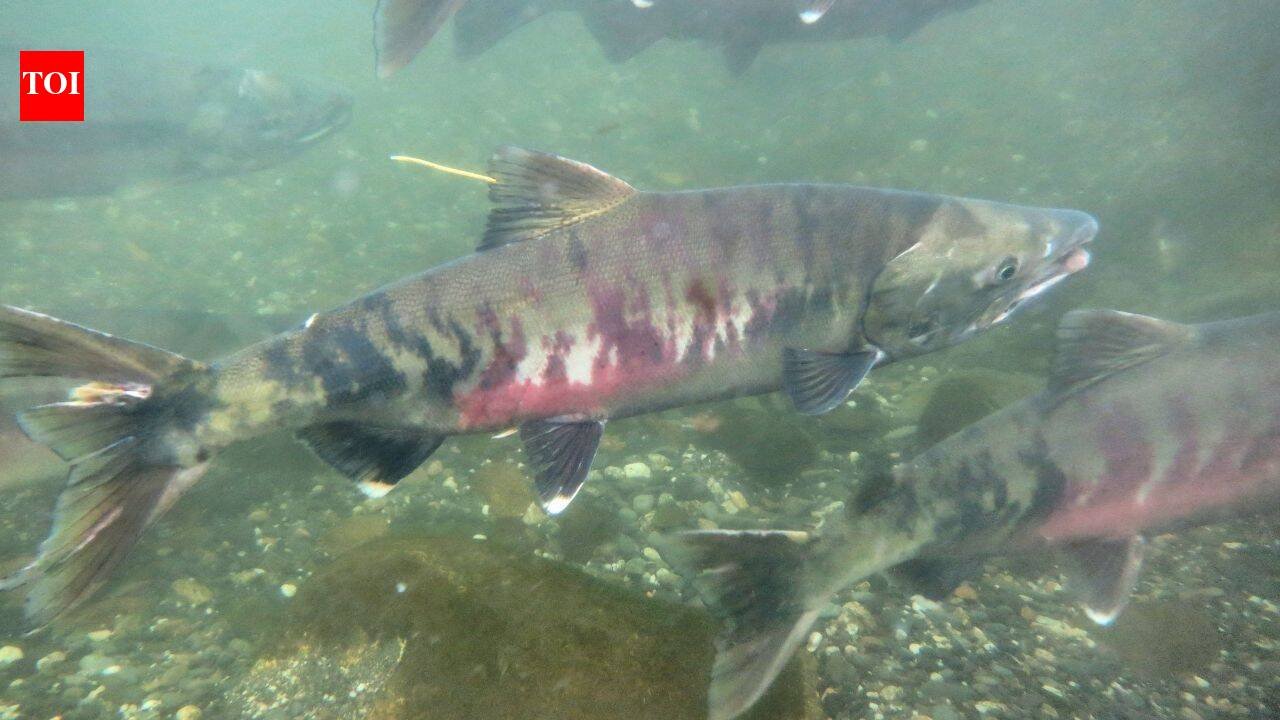
chum salmon Representative image In the early 1990s, fewer than 1,000 threatened summer-run chum salmon made it back to the Big Quilcene River on Washington’s Olympic Peninsula each year. Decades of logging, road building and habitat degradation had left the river choked with sediment, its gravel spawning beds buried and its side channels disconnected. Today, … Read more

In the 1990s, New York chose wetlands over conventional storm sewers on Staten Island; the Bluebelt strategy saved taxpayers $80 million in infrastructure costs

In the 1990s, New York chose wetlands over conventional storm sewers on Staten Island; the Bluebelt strategy saved taxpayers $80 million in infrastructure costs

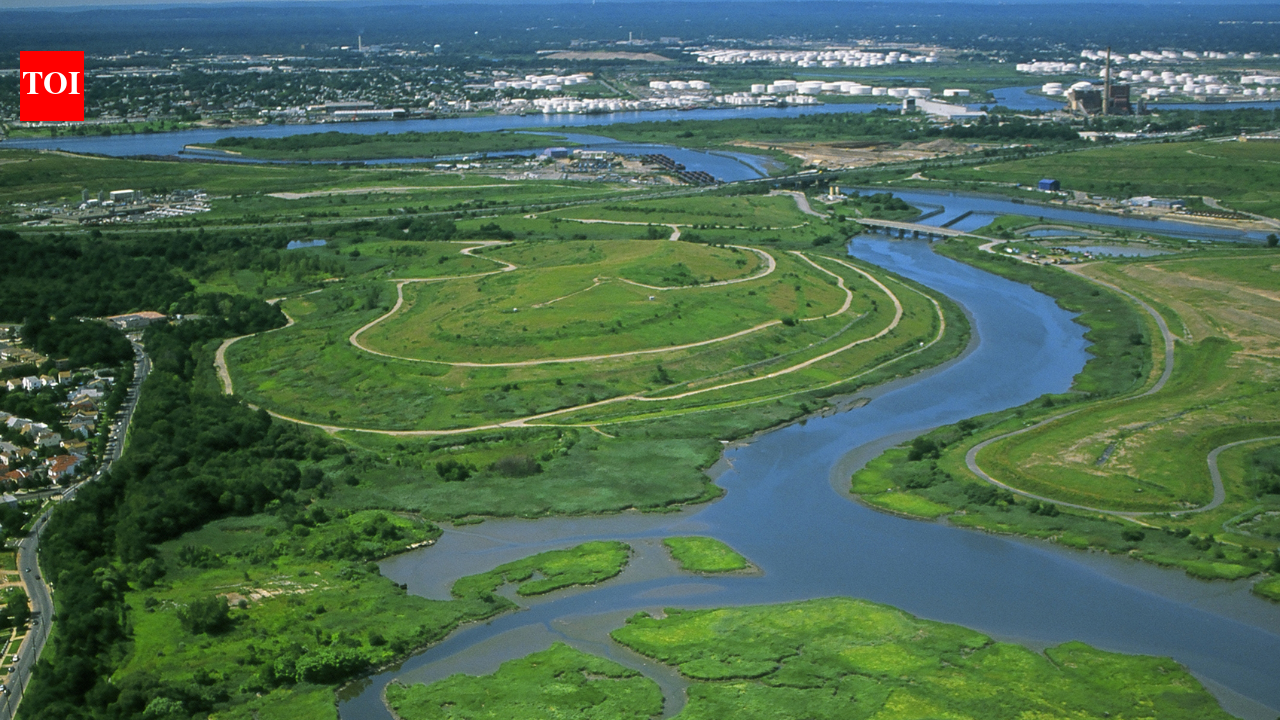
New York City The City of New York Mayor Michael R. Bloomberg Wetlands Strategy In the 1990s, New York chose wetlands over conventional storm sewers on Staten Island; the Bluebelt strategy saved taxpayers $80 million in infrastructure costs. Instead of laying miles of underground concrete pipes, the city preserved and restored natural streams, ponds, and … Read more