From 1946, NSW planted South African bitou bush to stabilise coastal sand dunes; decades later it had spread along 46% of the state’s coastline and threatened native ecosystems
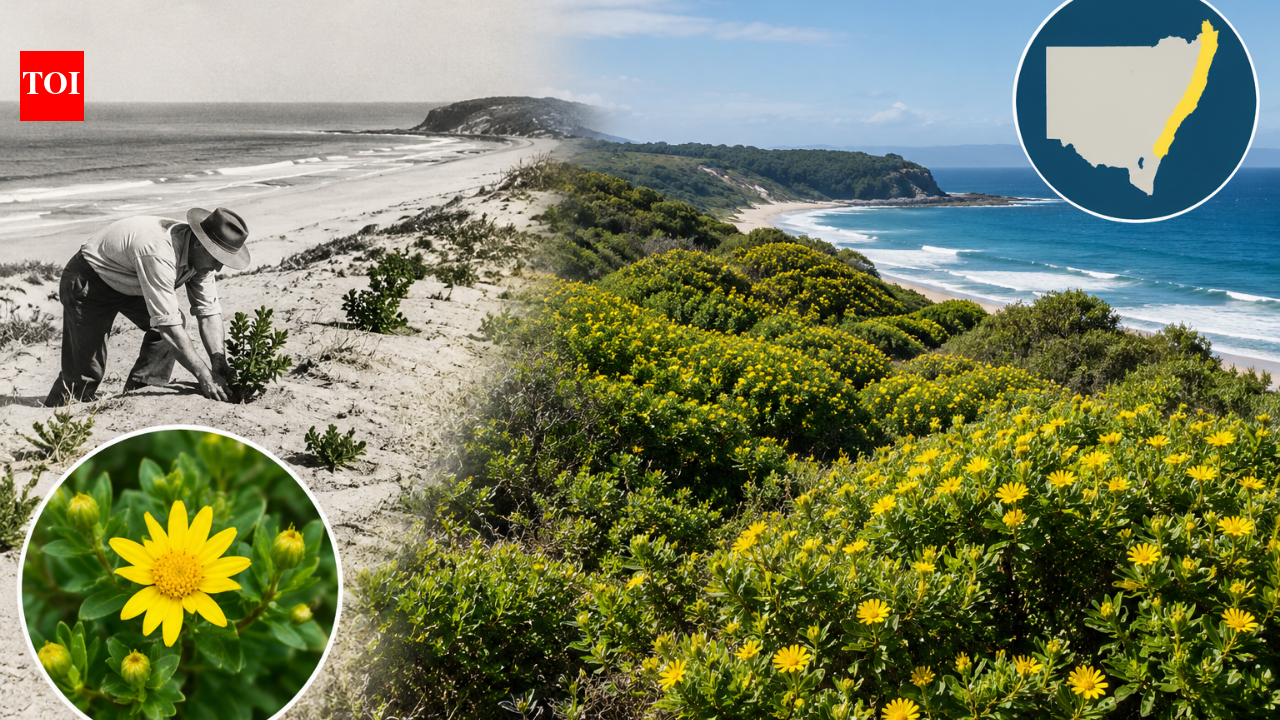
From 1946, NSW planted South African bitou bush to stabilise coastal sand dunes; decades later it had spread along 46% of the state's coastline and threatened native ecosystems

Representative Image (AI-generated) A plant introduced with a practical purpose along the New South Wales (NSW) coast eventually became a major environmental weed. South African bitou bush was deliberately planted along the NSW coastline between 1946 and 1968 to help stabilise sand dunes, according to the NSW Environment and Heritage department. The fast-growing shrub later … Read more

NYT executive shot dead: Bombshell gender transition, divorce and custody battle details out, ‘He threatened to kill…’

Jonathan McKinsey was killed allegedly by in-laws amid child custody dispute. (Jonathan McKinsey/Facebook)

A transgender New York Times executive was killed allegedly by his 77-year-old in-laws in a Bay Area parking lot during daylight hours. He had previously made alleged threats against his wife and extended family members, as documented in court filings. Jonathan McKinsey was killed allegedly by in-laws amid child custody dispute. (Jonathan McKinsey/Facebook) Jonathan McKinsey, … Read more

Los Angeles Getty Fire map and evacuation updates: Is Getty Center threatened as blaze burns near I-405?

Los Angeles firefighters tackled a brush fire near the Getty Center in Brentwood on Wednesday afternoon, September 9. The fire, dubbed the Getty Fire by crews, was reported just after 4:15 p.m. in the hills above northbound lanes of the 405 Freeway, according to Los Angeles Fire Department officials. Los Angeles Getty Fire map and … Read more

From 1886 to 1968, more than 20 million fish were stocked in waters that became Rocky Mountain National Park; in 2026 crews treated 14.3 miles to remove non-native fish and restore threatened greenback trout

From 1886 to 1968, more than 20 million fish were stocked in waters that became Rocky Mountain National Park; in 2026 crews treated 14.3 miles to remove non-native fish and restore threatened greenback trout

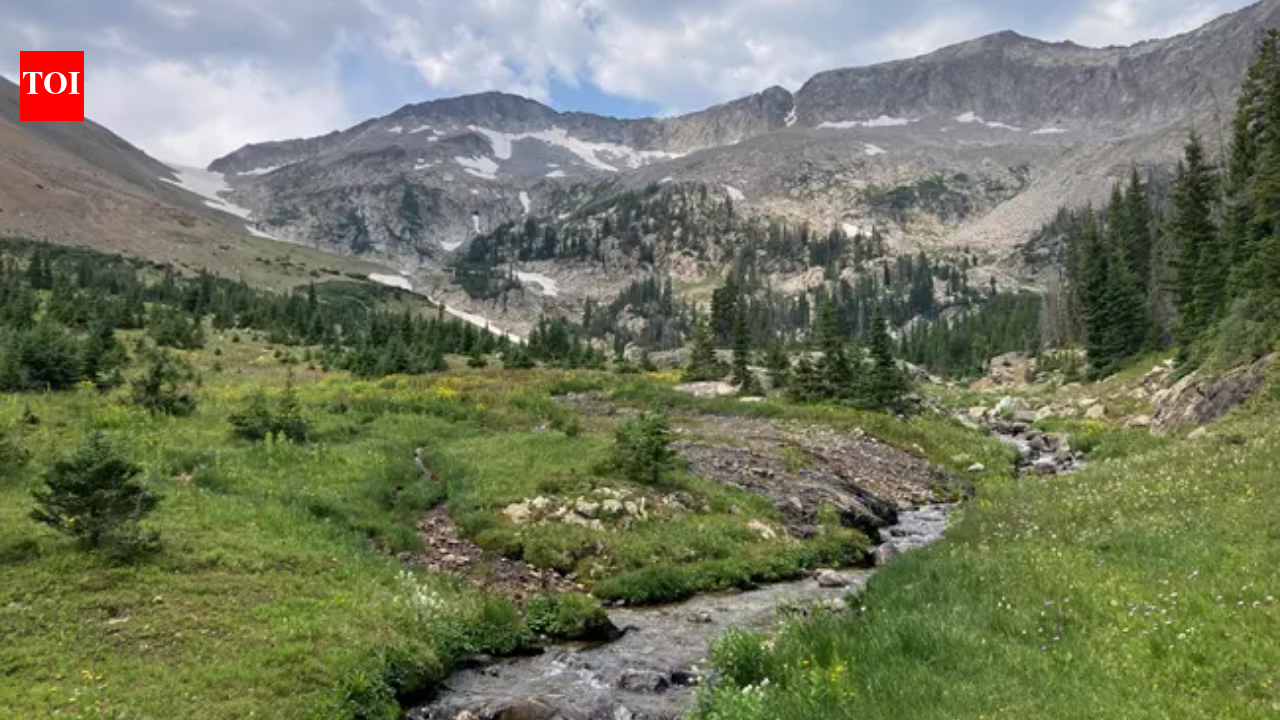
Rocky Mountain National Park (Image Credit: National Park Service) For more than 80 years, fish were deliberately introduced into the waters that would become Rocky Mountain National Park. According to the National Park Service (NPS), more than 20 million fish were stocked in waters that are now part of Rocky Mountain National Park between 1886 … Read more

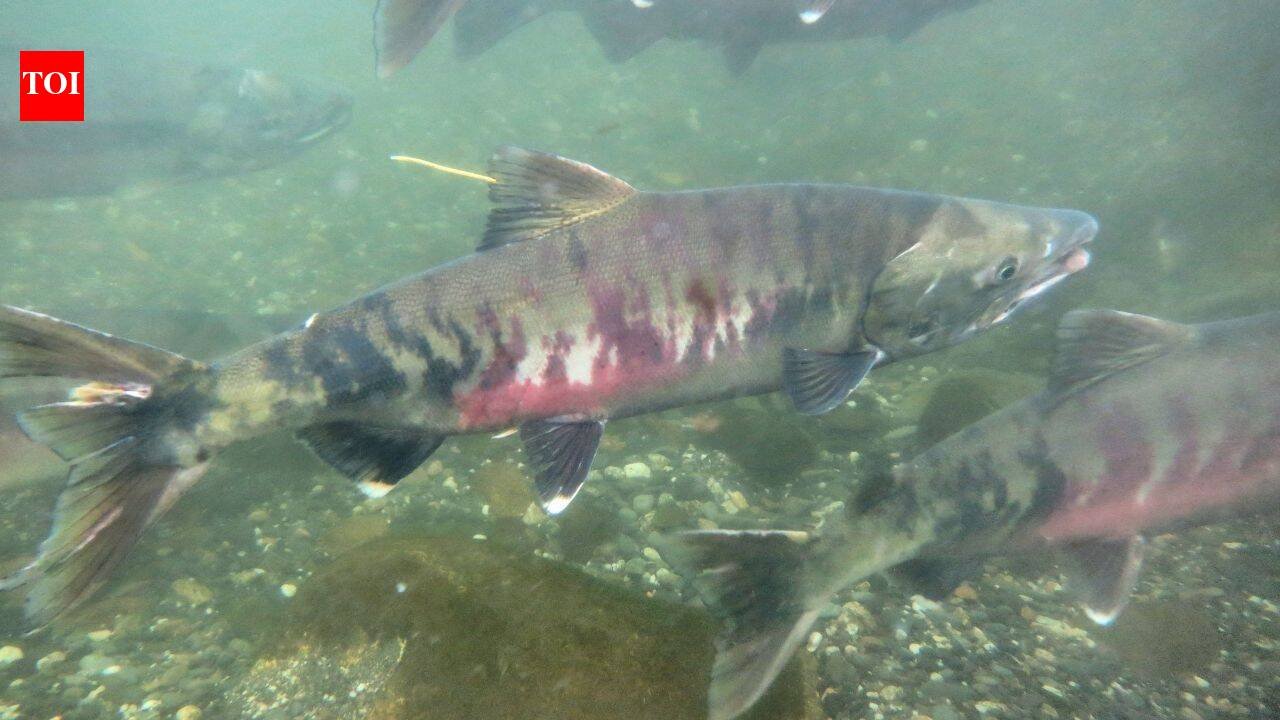
In the early 1990s, fewer than 1,000 threatened chum salmon returned to this Washington watershed; recent returns average 32,600 a year as a $9.7 million river restoration nears completion

In the early 1990s, fewer than 1,000 threatened chum salmon returned to this Washington watershed; recent returns average 32,600 a year as a $9.7 million river restoration nears completion

chum salmon Representative image In the early 1990s, fewer than 1,000 threatened summer-run chum salmon made it back to the Big Quilcene River on Washington’s Olympic Peninsula each year. Decades of logging, road building and habitat degradation had left the river choked with sediment, its gravel spawning beds buried and its side channels disconnected. Today, … Read more

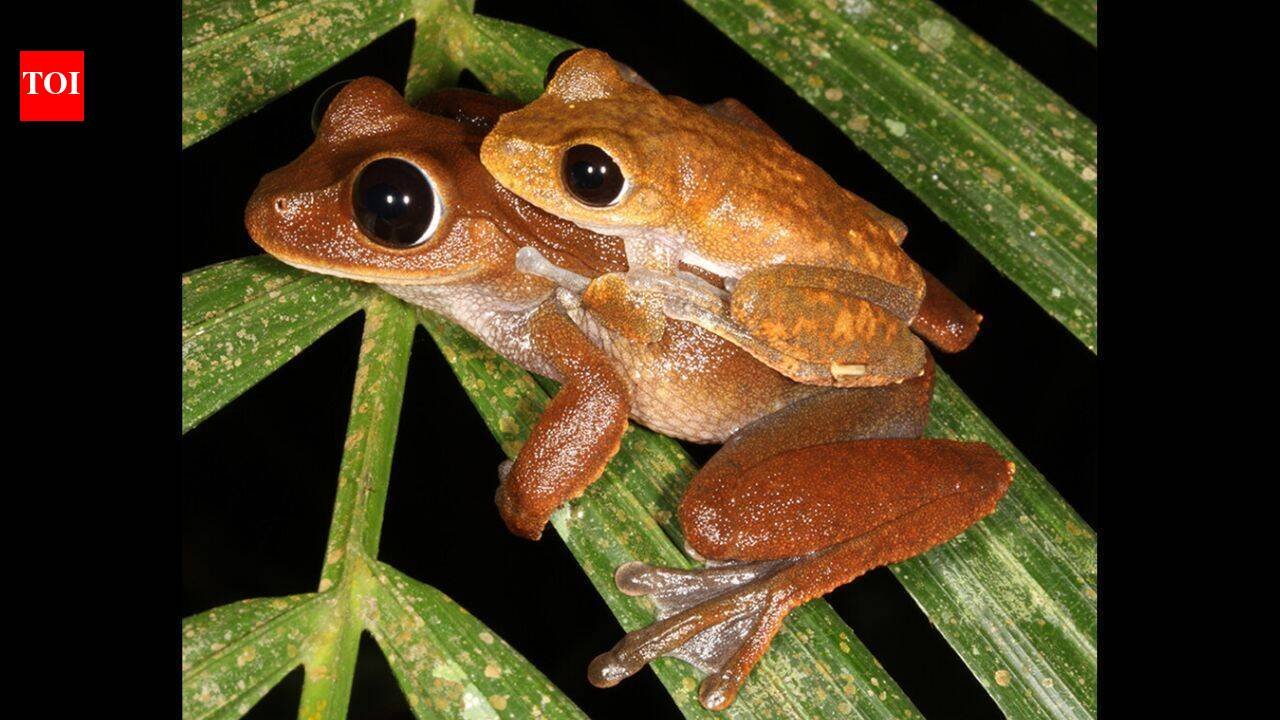
Scientists searched for threatened Australian rainforest frogs without seeing or hearing them; DNA in creek water collected up to 22 km downstream revealed populations in places where the frogs had disappeared

Scientists searched for threatened Australian rainforest frogs without seeing or hearing them; DNA in creek water collected up to 22 km downstream revealed populations in places where the frogs had disappeared

​Photos of a study species: the Australian Lace-lid (L. dayi)Photo credit: Conrad J Hoskin. In the cool, wet upland streams of Queensland’s Wet Tropics, several species of rainforest frog were pushed to the brink in the 1980s and 1990s by chytrid fungus, an aquatic pathogen that attacks frog skin and has driven extinctions worldwide. For … Read more

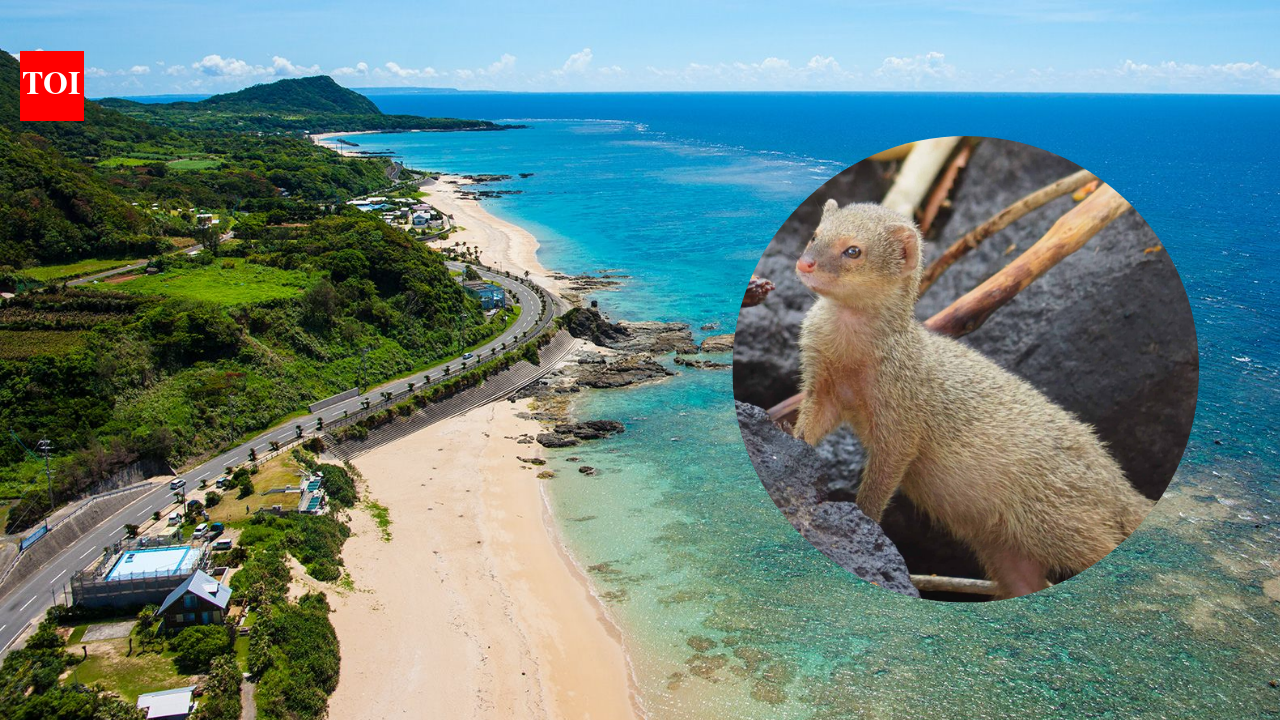
In 1979, about 30 mongooses were released on Japan’s Amami Oshima to control habu snakes; their population later grew to roughly 10,000 and threatened rare wildlife, but after decades of trapping Japan declared them eradicated in 2024

In 1979, about 30 mongooses were released on Japan’s Amami Oshima to control habu snakes; their population later grew to roughly 10,000 and threatened rare wildlife, but after decades of trapping Japan declared them eradicated in 2024

In 1979, about 30 mongooses were released on Japan’s Amami Oshima to control habu snakes Japan has officially declared the successful eradication of the invasive small Indian mongoose on Amami Oshima, ending a decades-long ecological crisis on the UNESCO World Heritage-listed island. According to an official announcement from Japan’s ministry of the environment, expert panels … Read more