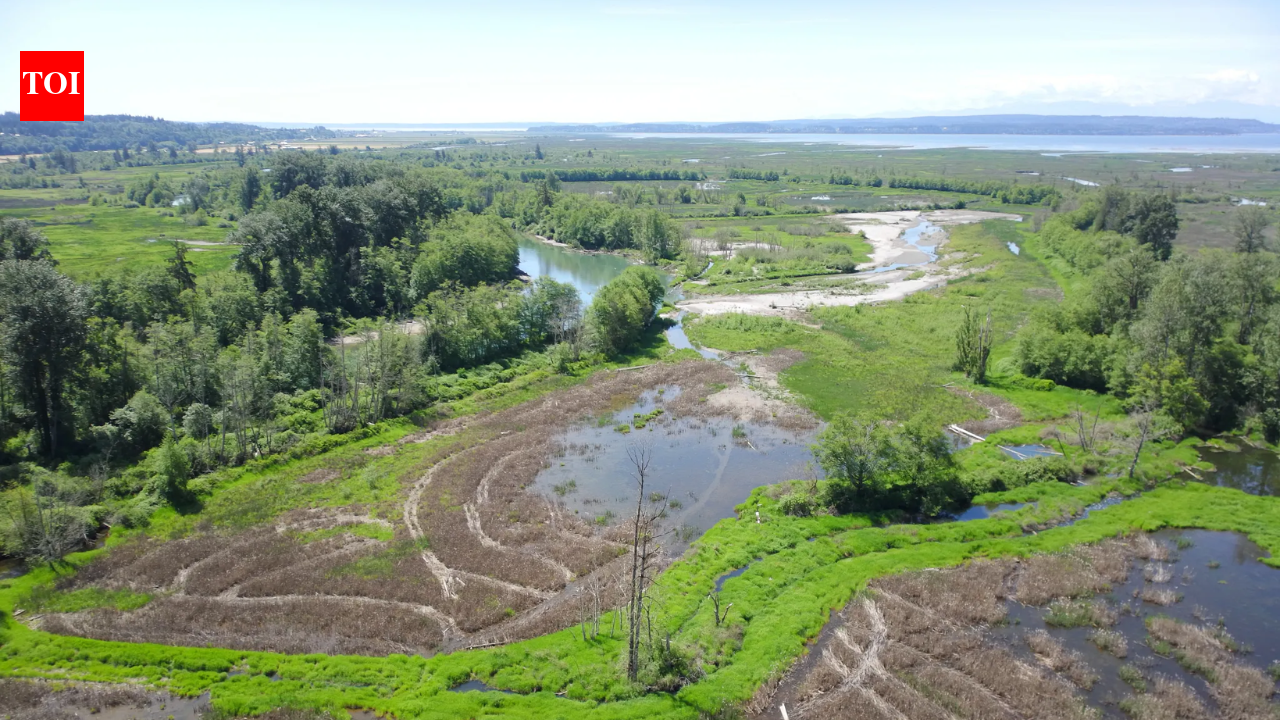
In 2018, California began turning 1,187 acres of Delta dairy and grazing land back into tidal marsh to create a safe home for young salmon
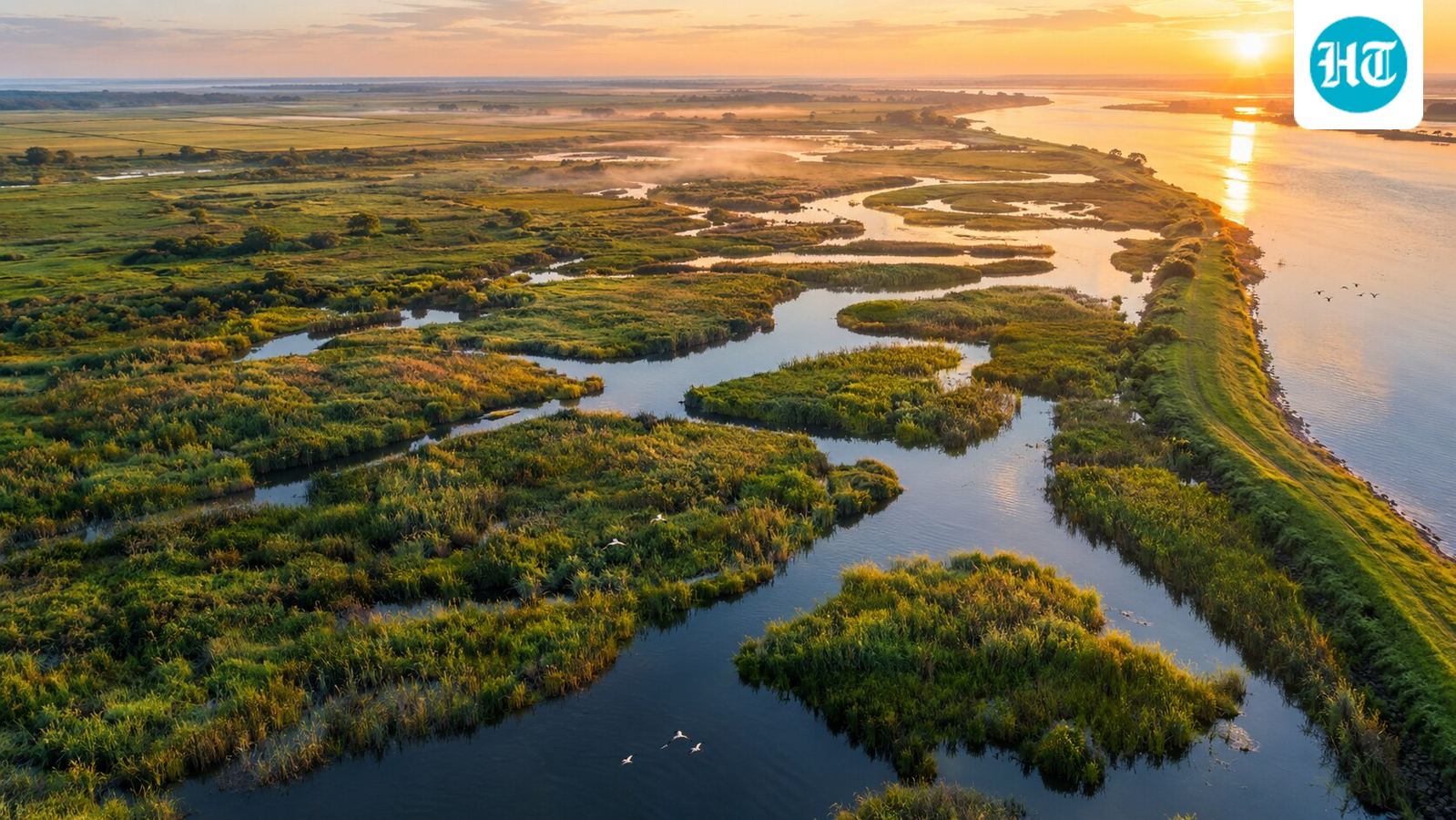
Representative image of a restored tidal marsh in the Sacramento-San Joaquin Delta, where young salmon find food and shelter. (AI-generated/ChatGPT)

All young creatures need a safe place to grow up, and baby salmon are no exception. One project in California’s Delta is using the tide to create that habitat. A 2024 paper published in San Francisco Estuary and Watershed Science notes that tidal wetland restoration for at-risk fish has gained momentum over the past decade. … Read more
Maine removed a 60-year-old river barrier where only about 25 wild adult Atlantic salmon return each year; a new nature-like fishway aims to reopen migration routes

Maine removed a 60-year-old river barrier where only about 25 wild adult Atlantic salmon return each year; a new nature-like fishway aims to reopen migration routes

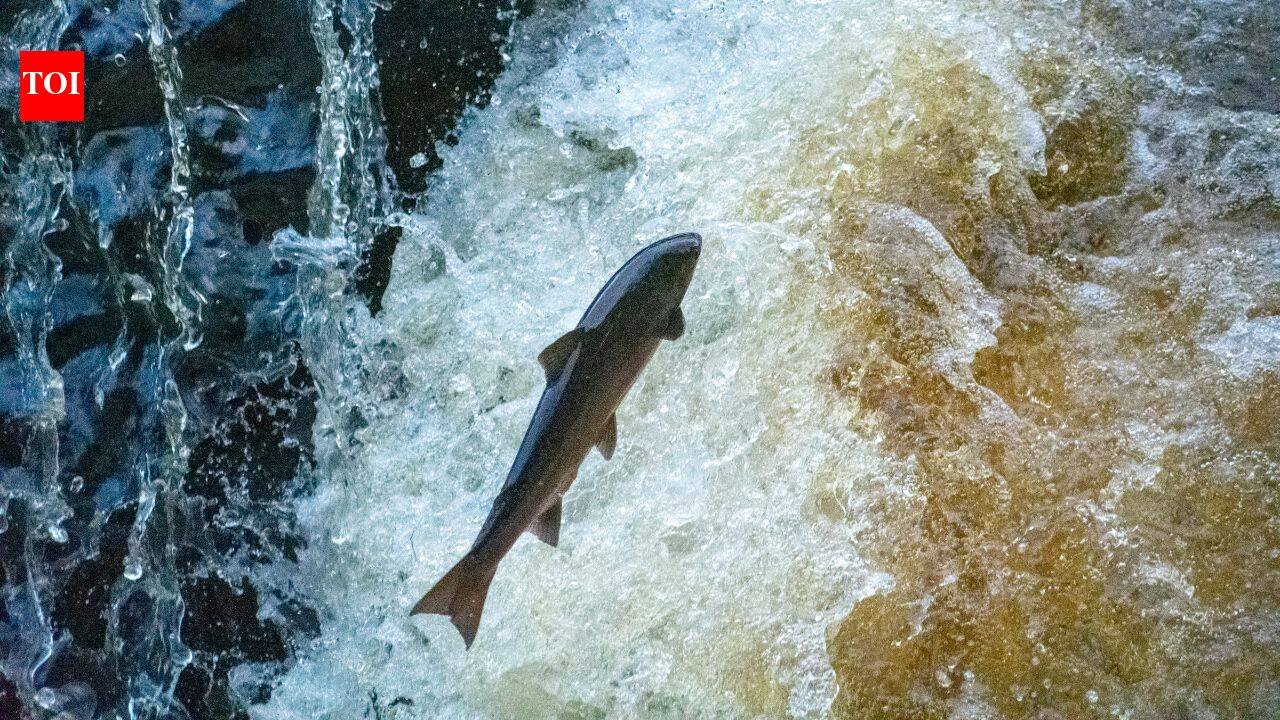
Atlantic Salmon leaping waterfalls (Photo credit: Canva) Maine has removed a 60-year-old river barrier on the Narraguagus River where only about 25 wild adult Atlantic salmon return each year, replacing it with a nature-like fishway designed to reopen migration routes for endangered fish. The old ice-control dam in Cherryfield, built by the US Army Corps … Read more

In 2024, California removed an 18-foot dam from Neefus Gulch and restored 1,600 feet of stream; by January 2026, 8 spawning nests were recorded above barriers salmon had been unable to pass for 70+ years

In 2024, California removed an 18-foot dam from Neefus Gulch and restored 1,600 feet of stream; by January 2026, 8 spawning nests were recorded above barriers salmon had been unable to pass for 70+ years

In 2024, California removed an 18-foot dam from Neefus Gulch and restored 1,600 feet of stream, reopening habitat that salmon had been unable to reach for more than seven decades. By January 2026, surveys recorded eight spawning nests, known as redds, in the newly accessible reaches above the former barrier, a sign that endangered Central … Read more

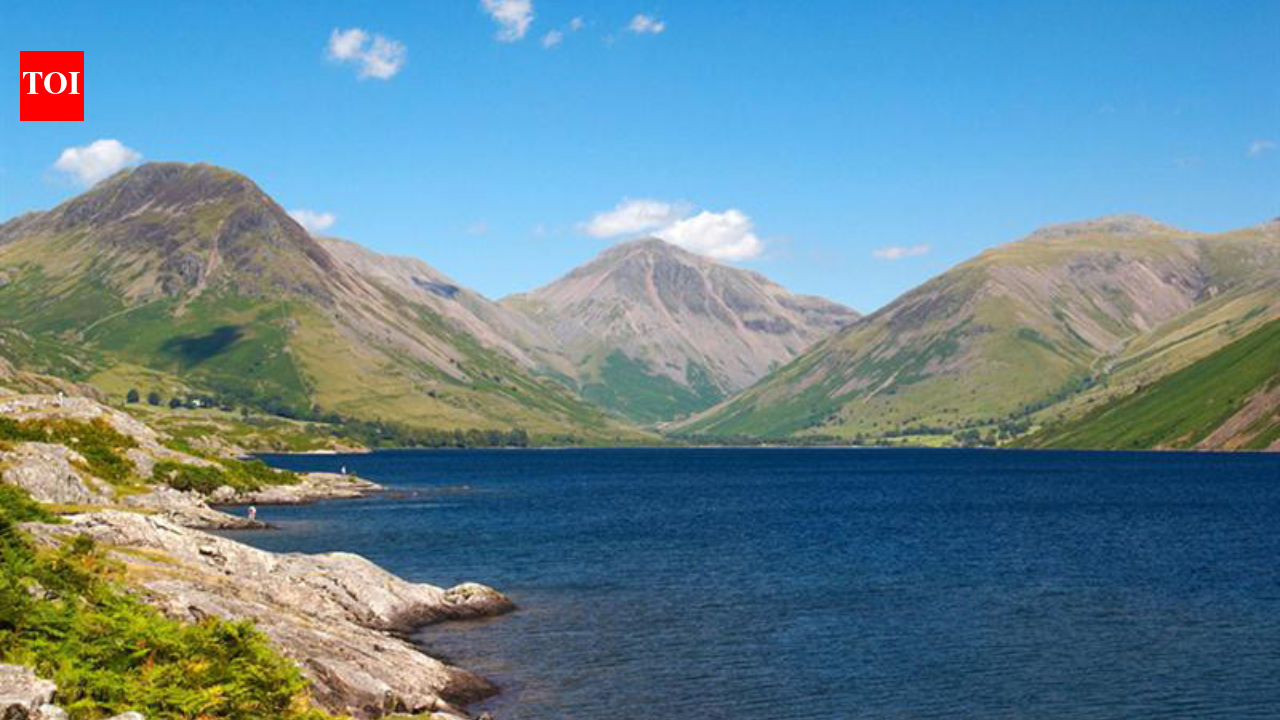
In 2016, conservationists put the bends back into a Lake District river straightened 200 years earlier; within months, Atlantic salmon were spawning there for the first time in centuries

In 2016, conservationists put the bends back into a Lake District river straightened 200 years earlier; within months, Atlantic salmon were spawning there for the first time in centuries

Centuries after people forced a Cumbrian river into a straight, artificial channel, nature has reclaimed its original course in the Lake District, bringing endangered wild fish back to historic spawning grounds almost immediately. In the summer of 2016, conservationists restored a 1.1-kilometre stretch of Swindale Beck near Haweswater by putting its natural bends back into … Read more

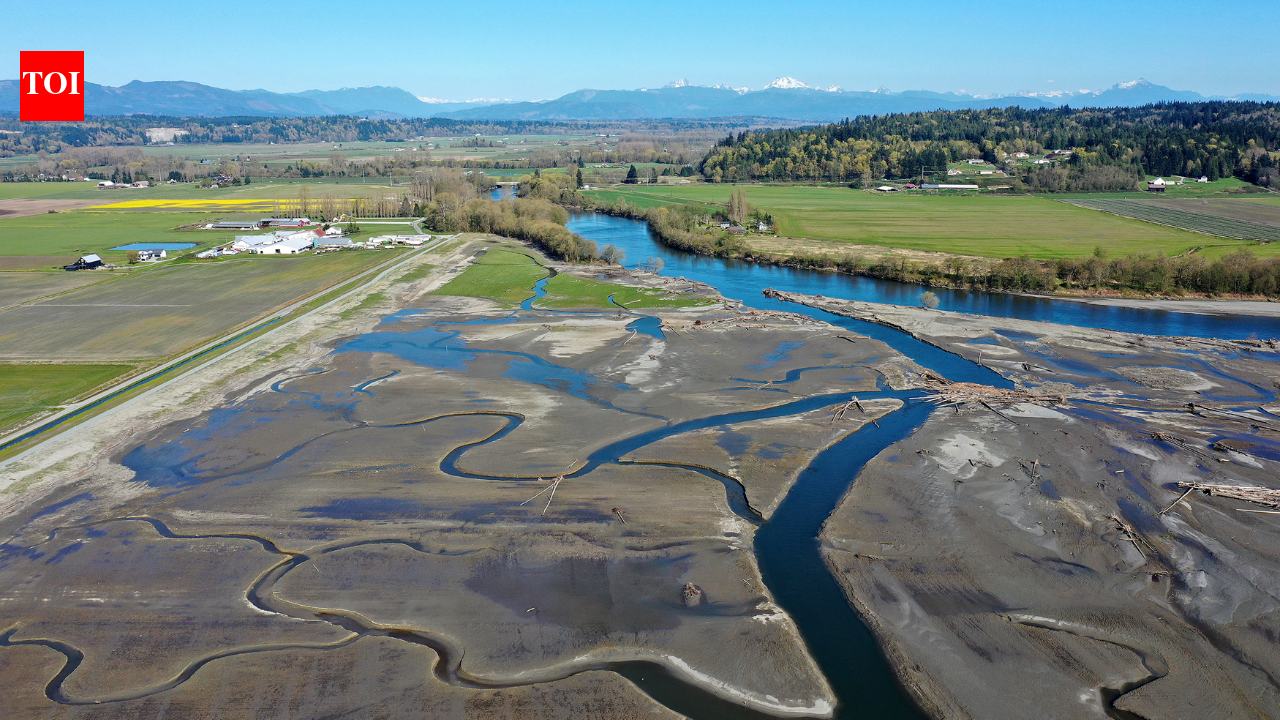
In 2009, Washington removed a century-old dike and let tides reclaim 762 acres; 21 miles of channels reopened, and young Chinook salmon entered the restored marsh in their first migration season

In 2009, Washington removed a century-old dike and let tides reclaim 762 acres; 21 miles of channels reopened, and young Chinook salmon entered the restored marsh in their first migration season

Tidal water flowed back into the Nisqually River Delta for the first time in nearly a century after conservationists removed a large network of sea dikes, quickly reopening miles of historic estuary habitat for threatened Pacific salmon. In autumn 2009, workers removed 4.5 miles of earthen dikes built in the early 1900s to turn the … Read more

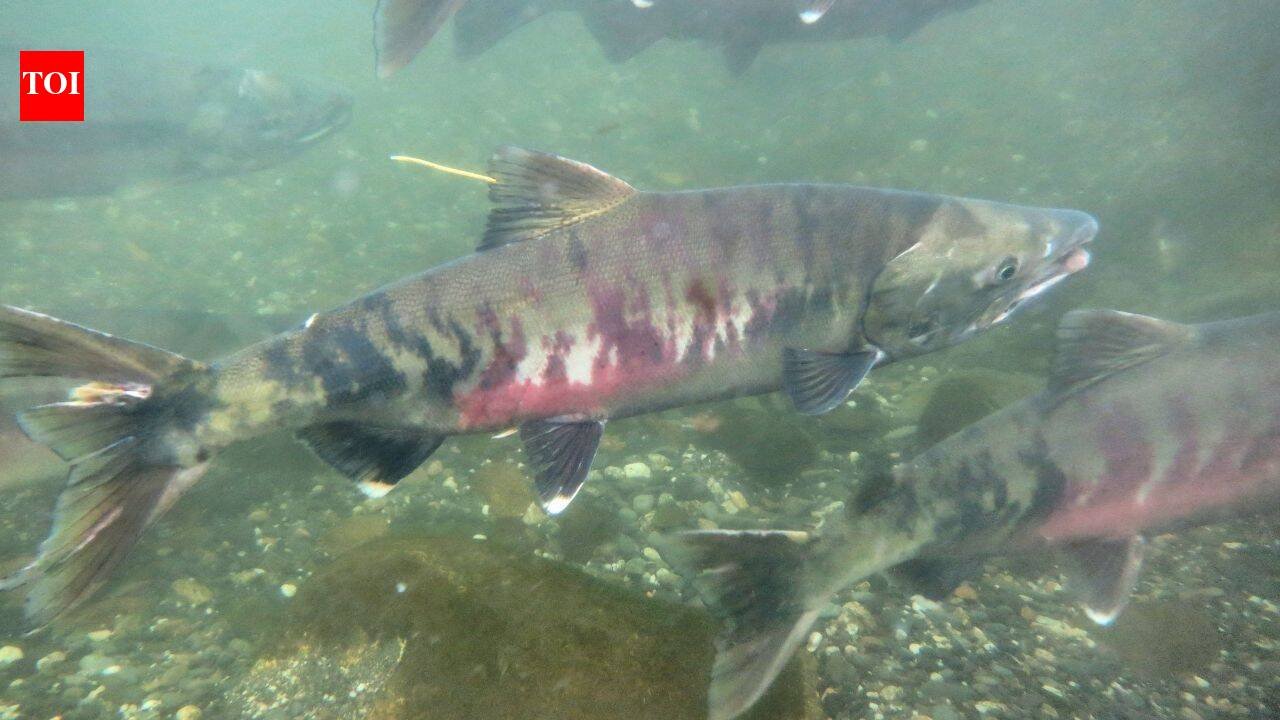
In the early 1990s, fewer than 1,000 threatened chum salmon returned to this Washington watershed; recent returns average 32,600 a year as a $9.7 million river restoration nears completion

In the early 1990s, fewer than 1,000 threatened chum salmon returned to this Washington watershed; recent returns average 32,600 a year as a $9.7 million river restoration nears completion

chum salmon Representative image In the early 1990s, fewer than 1,000 threatened summer-run chum salmon made it back to the Big Quilcene River on Washington’s Olympic Peninsula each year. Decades of logging, road building and habitat degradation had left the river choked with sediment, its gravel spawning beds buried and its side channels disconnected. Today, … Read more

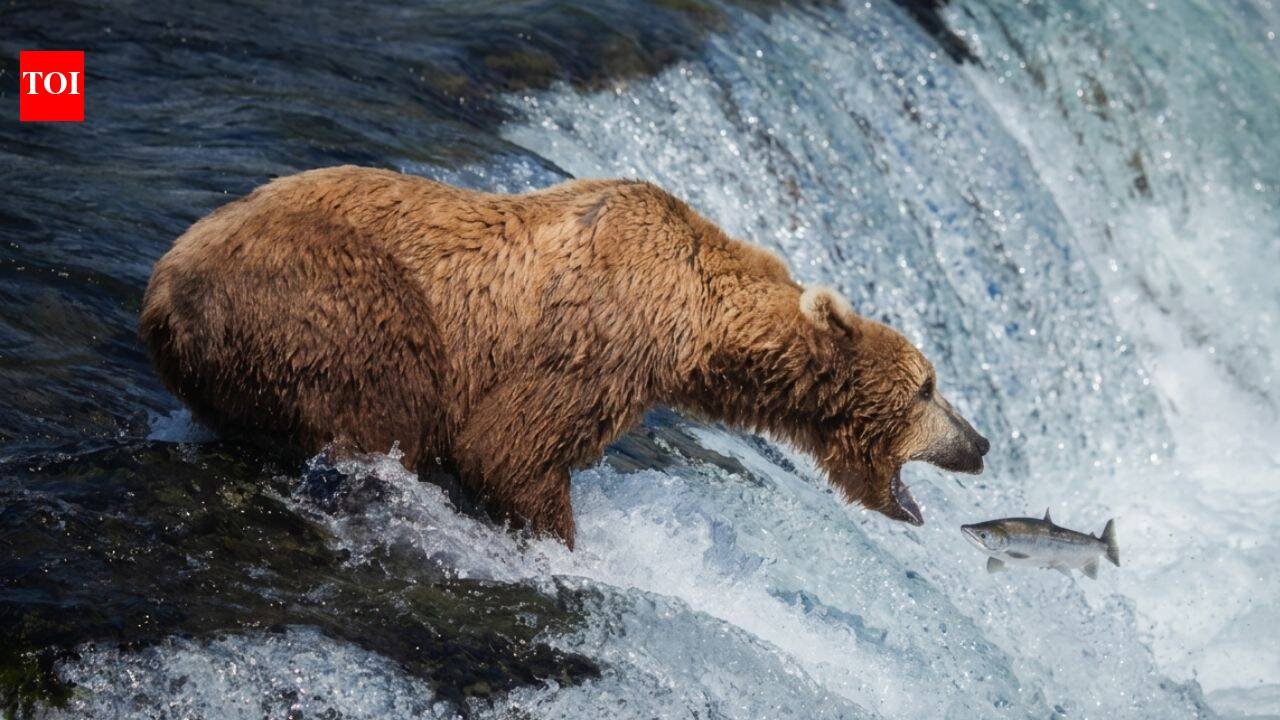
Alaska’s live bearcam has become a summer hit: 7.3 million views in six weeks as brown bears gather at Brooks Falls to catch salmon

Alaska's live bearcam has become a summer hit: 7.3 million views in six weeks as brown bears gather at Brooks Falls to catch salmon

The cameras show brown bears waiting around Brooks Falls as sockeye salmon travel upstream. (Getty images) A livestream showing brown bears catching and eating salmon at a waterfall in Alaska has become an unexpected online hit this summer. The Brooks Falls bearcam at Katmai National Park has drawn millions of views as large numbers of … Read more

In June 2026, Washington began restoring 270 acres across two river islands; the project will reconnect the South Fork Skagit estuary to natural tides and hundreds more acres for endangered Chinook salmon

In June 2026, Washington began restoring 270 acres across two river islands; the project will reconnect the South Fork Skagit estuary to natural tides and hundreds more acres for endangered Chinook salmon

Construction begins on project to restore estuary habitat in South Fork Skagit River (Photo by: WDFW) Heavy earth-moving equipment began work in June 2026 on a major coastal restoration project in Skagit County, Washington. The project will remove old sea defences and breach river levees across two islands in the South Fork Skagit River delta.The … Read more

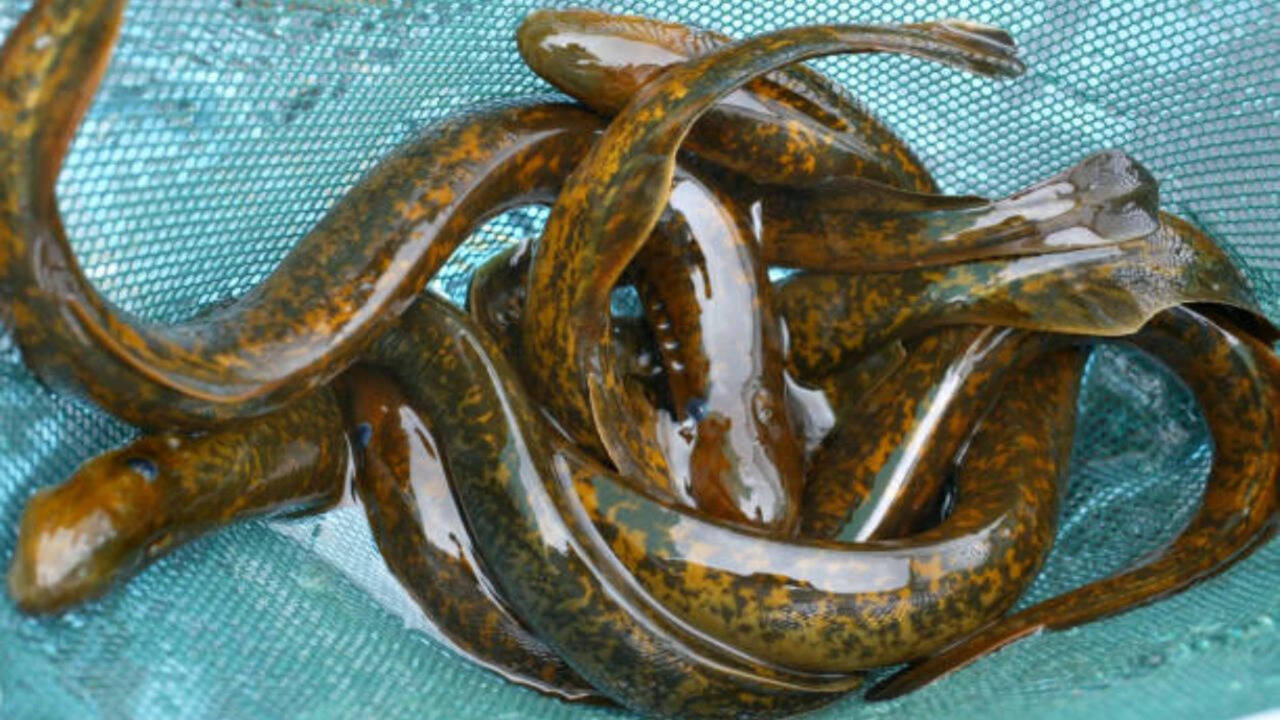
Demystifying Science’s ‘Forbidden Experiment’: Why Scientists Kill 9 Million Lampreys Every Year in America’s Great Lakes

Demystifying Science's 'Forbidden Experiment': Why Scientists Kill 9 Million Lampreys Every Year in America's Great Lakes

Six sea lampreys pose for the camera at the Capitol during a meet-and-greet organized by GLFC in June. One even sucked on Rep. Bill Huizenga’s palm, according to CNN. One of the few things the entire Congress agreed on was this: the invasive sea lampreys must be eradicated.For U.S. coasts that thrive on seafood, the … Read more