In 2013, California began removing millions of purple urchins from barren reefs; seven years later, more than 55 acres of kelp forest had returned

In 2013, California began removing millions of purple urchins from barren reefs; seven years later, more than 55 acres of kelp forest had returned

Kelp forests are among the most productive ecosystems in the ocean. They provide habitat for fish and invertebrates while supporting marine mammals and other wildlife. [Photo credit: Enric Sala, National Geographic] Beneath the waves off Southern California, a once-lush underwater forest had been reduced to something resembling a desert. Kelp that had provided shelter and … Read more
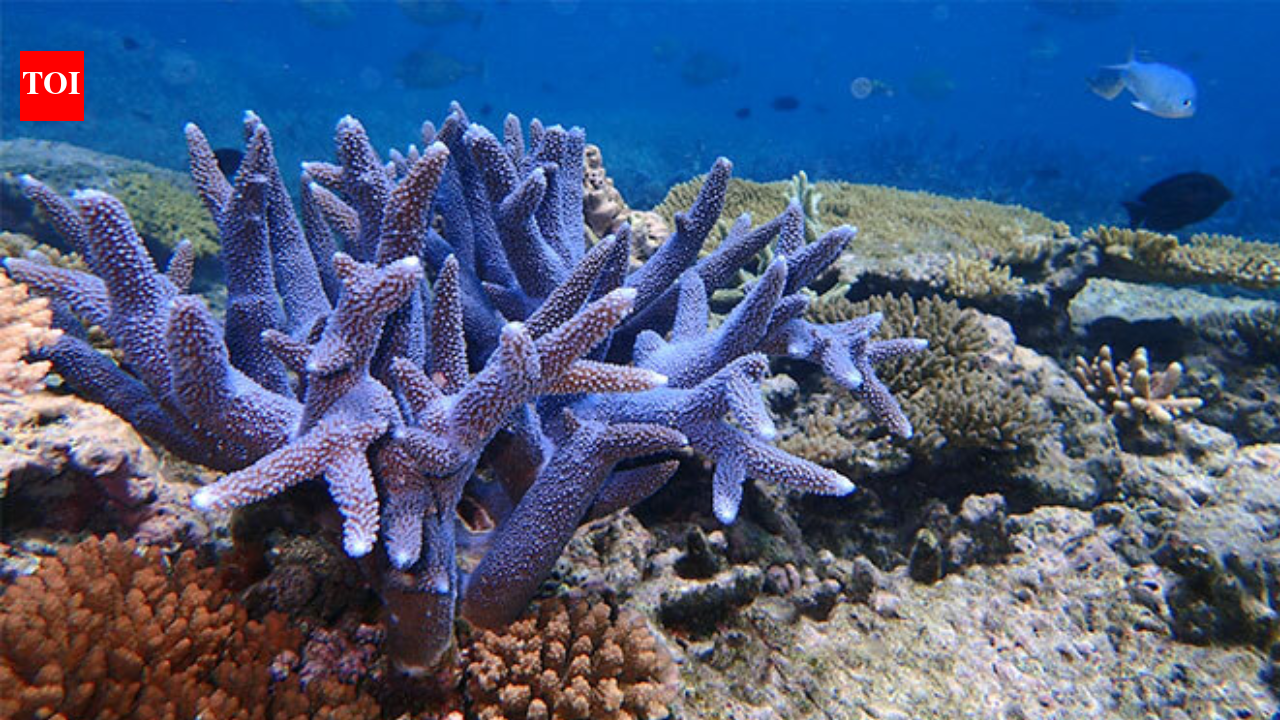

In 2015, Hawaii rescued fragments of a coral found only in Kaneohe Bay; after its wild colonies disappeared, scientists grew it in a nursery and returned it to the reef

In 2015, Hawaii rescued fragments of a coral found only in Kaneohe Bay; after its wild colonies disappeared, scientists grew it in a nursery and returned it to the reef

Acropora muricata, Heron Island, Australia. (Photo Credit: Claire Lager, Smithsonian) A rare coral species found nowhere else on Earth except Kaneohe Bay in Hawaii has been successfully returned to its natural habitat after completely disappearing from the wild. The recovery project was led by the Hawaii Coral Restoration Nursery, a facility run by the state … Read more

Built in 1966, San Francisco’s Empress of China closed in 2016; 10 years later, a collaborative founded by six nonprofits returned it to community ownership and reopened its doors

Built in 1966, San Francisco's Empress of China closed in 2016; 10 years later, a collaborative founded by six nonprofits returned it to community ownership and reopened its doors

San Francisco Empress of China San Francisco’s historic Empress of China building has returned to community ownership a decade after closing, following its purchase by a group formed by six leading Asian American non-profit organisations. The Chinatown Media and Arts Collaborative announced the purchase of the landmark six-storey property at 838 Grant Avenue, clearing the … Read more

In 2016, NSW began fencing feral cats and foxes out of three reserves; 10 years later, 13 locally extinct species had returned, some after 100+ years, and were breeding again

In 2016, NSW began fencing feral cats and foxes out of three reserves; 10 years later, 13 locally extinct species had returned, some after 100+ years, and were breeding again

Thirteen native animal species that had become locally extinct in New South Wales have returned and started breeding again across three major conservation reserves. The recovery comes a decade after state authorities built large predator-proof fences to keep out feral cats and foxes. The results come from a 10-year conservation partnership involving the NSW National … Read more

In 1976, a Texas Czech festival began as a fundraiser; 50 years later, couples married that year returned to its parade as grandparents with their children and grandchildren

In 1976, a Texas Czech festival began as a fundraiser; 50 years later, couples married that year returned to its parade as grandparents with their children and grandchildren

Representative image from Canva In the small city of West, Texas, a annual celebration of Czech heritage began in 1976 as a modest fundraiser to support the local community. What started as a single day of polka music, kolaches and a hometown parade has grown over five decades into one of the state’s most beloved … Read more

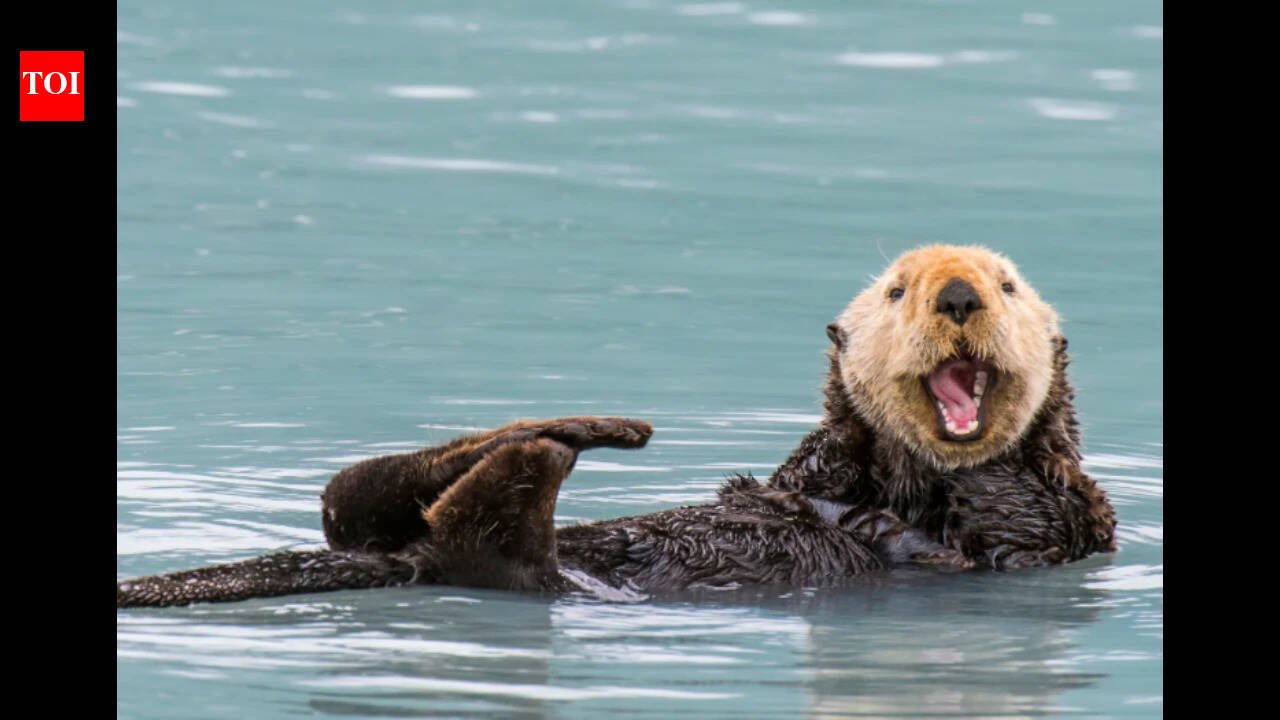
Sea otters returned to a polluted California estuary in 1984; eelgrass expanded 600%, while marsh-edge erosion later slowed by 69% on average

Sea otters returned to a polluted California estuary in 1984; eelgrass expanded 600%, while marsh-edge erosion later slowed by 69% on average

Sea otters returned to California’s Elkhorn Slough in 1984 when pollution had severely affected its ecosystem. When sea otters returned to California’s Elkhorn Slough in 1984, the estuary was already facing severe environmental pressure. The coastal wetland had high nutrient levels linked to its agriculture-dominated watershed, while eelgrass had fallen to an all-time low of … Read more

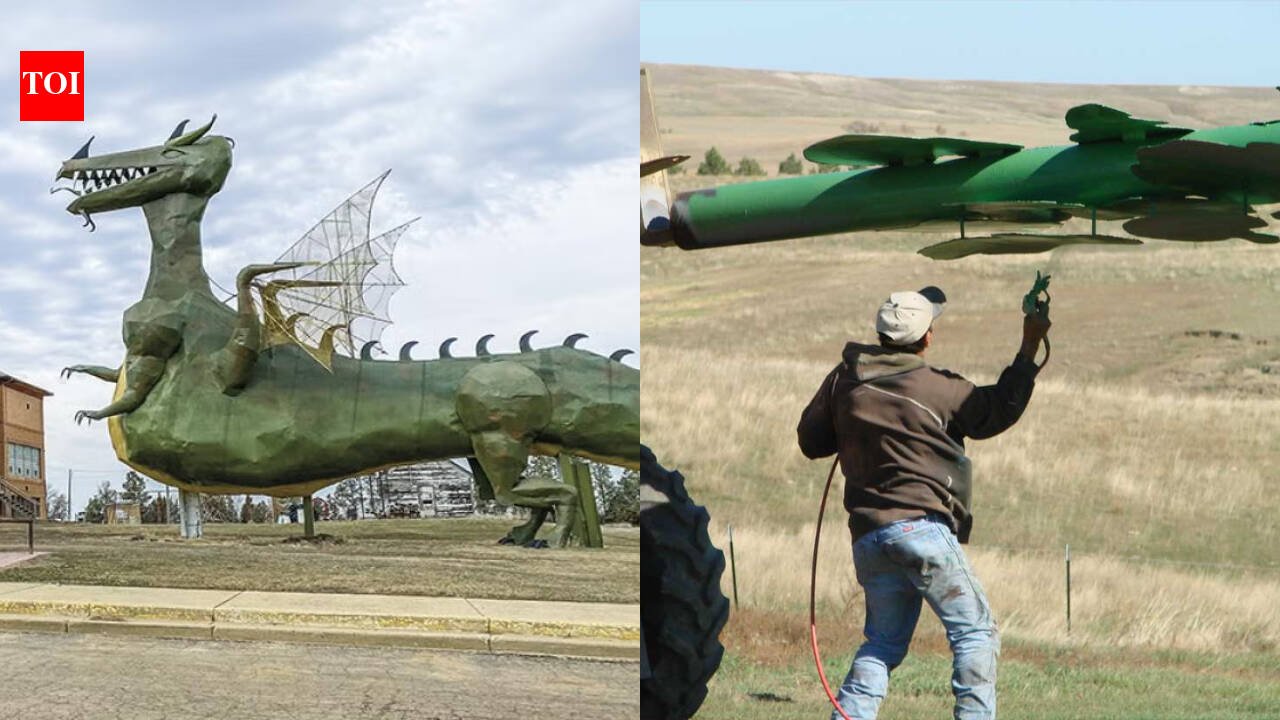
In 1989, teacher Gary Greff returned to his shrinking North Dakota hometown and learned to weld; his plan to lure travelers became a 32-mile highway of giant sculptures, including a Guinness world record

In 1989, teacher Gary Greff returned to his shrinking North Dakota hometown and learned to weld; his plan to lure travelers became a 32-mile highway of giant sculptures, including a Guinness world record

There are now eight sculpture scenes along the highway, including giant grasshoppers, a massive fisherman-themed creation and the Tin Family. On a stretch of North Dakota highway where golden fields meet an endless prairie sky, a giant metal knight stands guard over a castle, protecting it from a fire-breathing dragon. It sounds like something out … Read more

In 1940, Nazis seized a 3-inch painting from a Jewish collector in Vienna; 86 years later, Austria returned it to his heir in Minnesota

In 1940, Nazis seized a 3-inch painting from a Jewish collector in Vienna; 86 years later, Austria returned it to his heir in Minnesota

An 1847 painting made by a not-so-popular artist wouldn’t have much historical or monetary value for most. But to Jackie Sondell, whose three grandparents died in the Holocaust, it’s a priceless family heirloom. The Austrian deputy consul general in the Twin Cities, from his posting in New York, lifted the top off a cardboard box … Read more

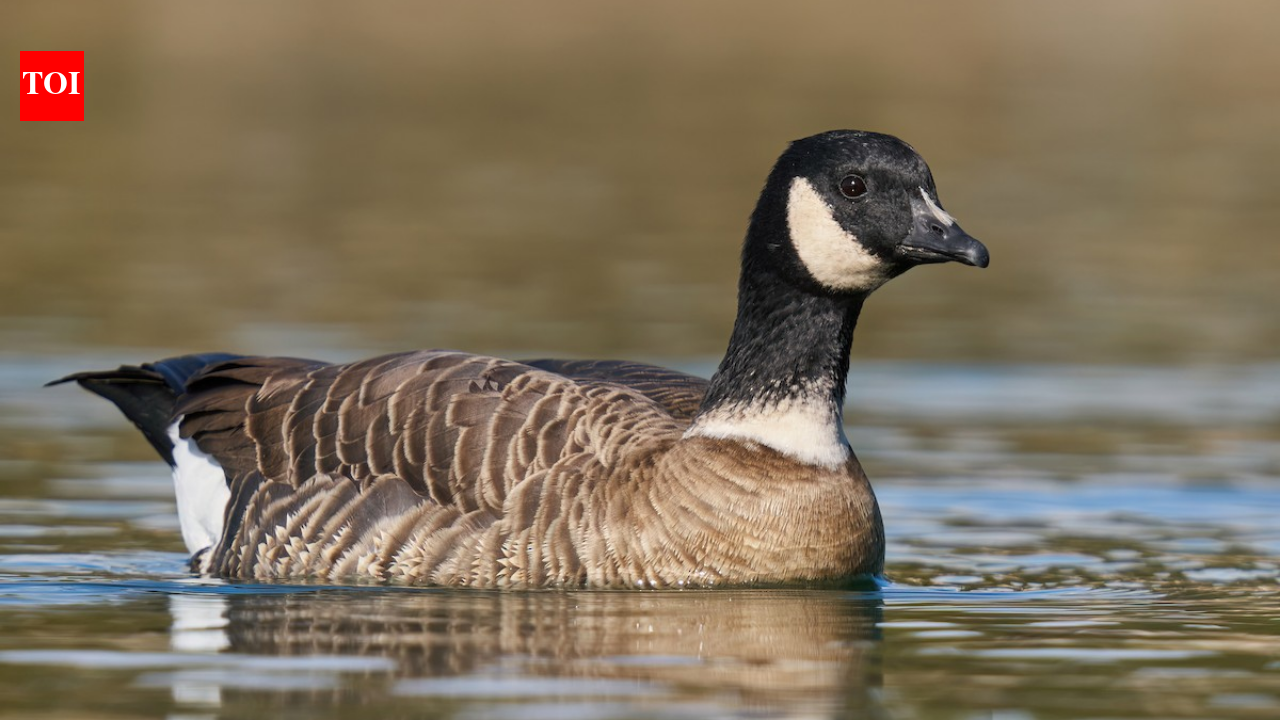
In 1975, fewer than 800 Aleutian cackling geese remained; fox removal and habitat protection helped the population rebound to around 200,000, and regulated hunting later returned

In 1975, fewer than 800 Aleutian cackling geese remained; fox removal and habitat protection helped the population rebound to around 200,000, and regulated hunting later returned

Fewer than 800 Aleutian cackling geese remained in 1975, with the birds restricted to a single rocky island in Alaska after introduced Arctic foxes destroyed nesting colonies across the Aleutian Islands. Fifty years later, predator removal, the creation of protected wetlands in California and coordinated management along the Pacific Flyway have helped the population recover … Read more

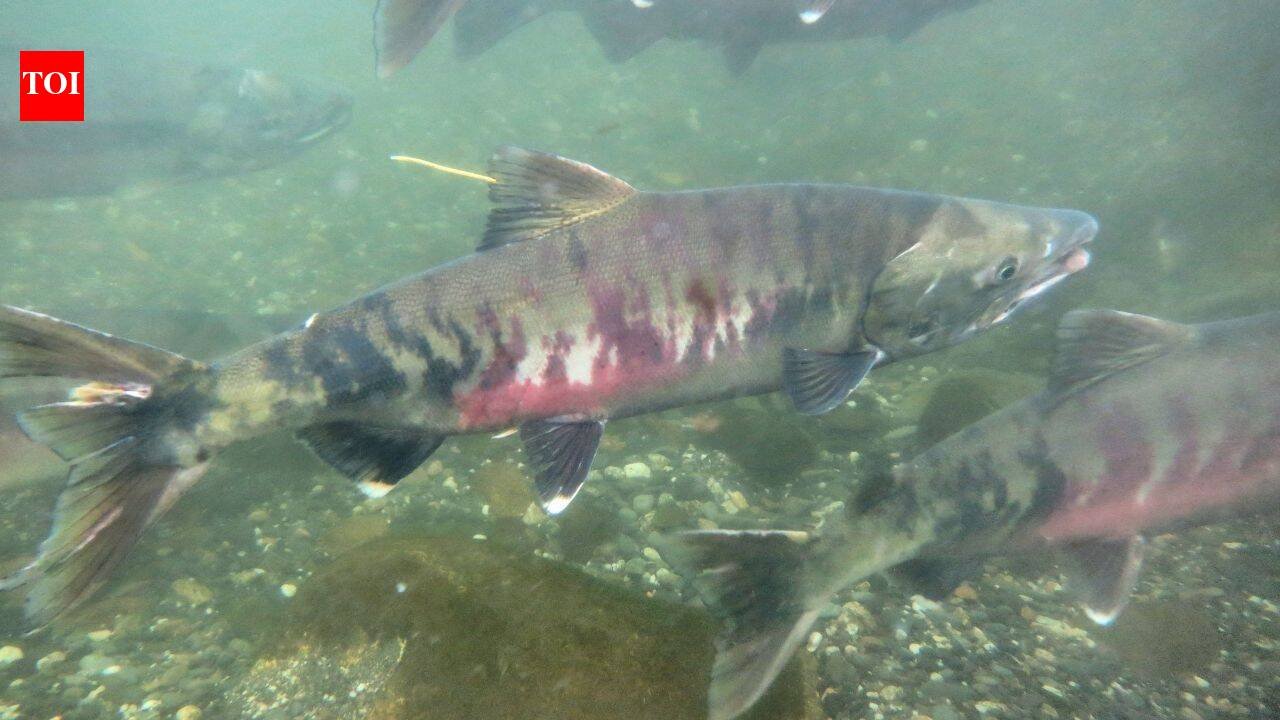
In the early 1990s, fewer than 1,000 threatened chum salmon returned to this Washington watershed; recent returns average 32,600 a year as a $9.7 million river restoration nears completion

In the early 1990s, fewer than 1,000 threatened chum salmon returned to this Washington watershed; recent returns average 32,600 a year as a $9.7 million river restoration nears completion

chum salmon Representative image In the early 1990s, fewer than 1,000 threatened summer-run chum salmon made it back to the Big Quilcene River on Washington’s Olympic Peninsula each year. Decades of logging, road building and habitat degradation had left the river choked with sediment, its gravel spawning beds buried and its side channels disconnected. Today, … Read more