
From 1915 to 1972, Mount Rainier stocked more than 9 million fish into naturally fishless waters; today 35 mountain lakes still hold breeding non-native populations that displace amphibians and alter ecosystems
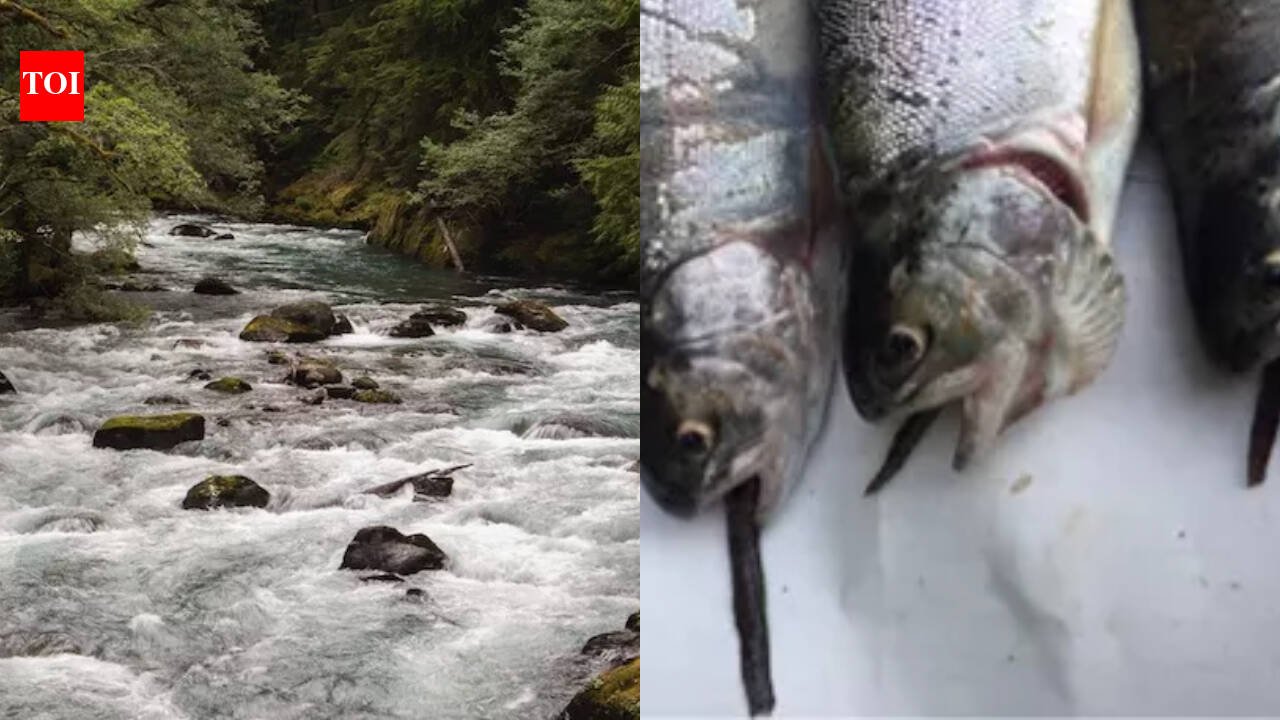
From 1915 to 1972, Mount Rainier stocked more than 9 million fish into naturally fishless waters; today 35 mountain lakes still hold breeding non-native populations that displace amphibians and alter ecosystems

View of the Ohanapecosh River and predated Northwestern Salamanders (Ambrystoma gracile) eaten by introduced trout. Mount Rainier’s glaciers and snowfields feed a magnificent system of icy streams and mountain lakes. On the surface, these waters look pristine, scattered pools in one of America’s most iconic landscapes. But beneath the surface, scientists are looking at a … Read more
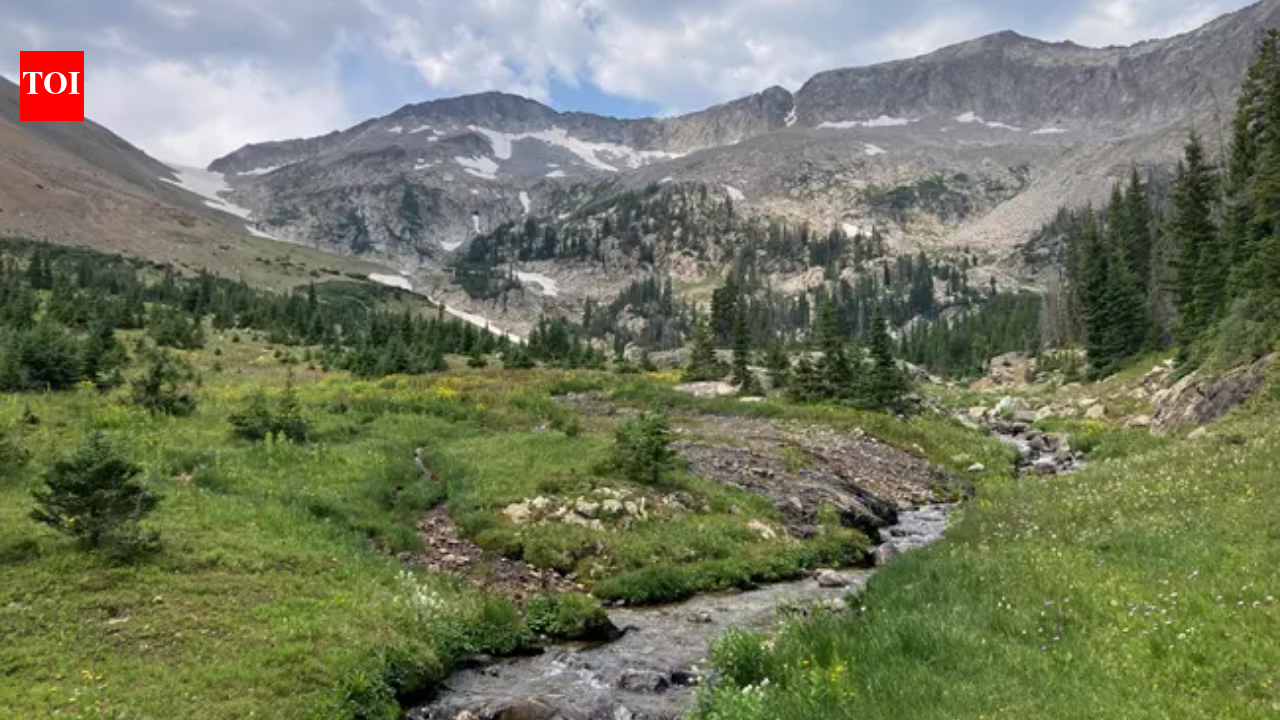
From 1886 to 1968, more than 20 million fish were stocked in waters that became Rocky Mountain National Park; in 2026 crews treated 14.3 miles to remove non-native fish and restore threatened greenback trout

From 1886 to 1968, more than 20 million fish were stocked in waters that became Rocky Mountain National Park; in 2026 crews treated 14.3 miles to remove non-native fish and restore threatened greenback trout

Rocky Mountain National Park (Image Credit: National Park Service) For more than 80 years, fish were deliberately introduced into the waters that would become Rocky Mountain National Park. According to the National Park Service (NPS), more than 20 million fish were stocked in waters that are now part of Rocky Mountain National Park between 1886 … Read more

Alaska used rotenone to eliminate invasive pike from an entire lake; the pike vanished, and 6,836 Arctic char were later stocked to rebuild the native fishery

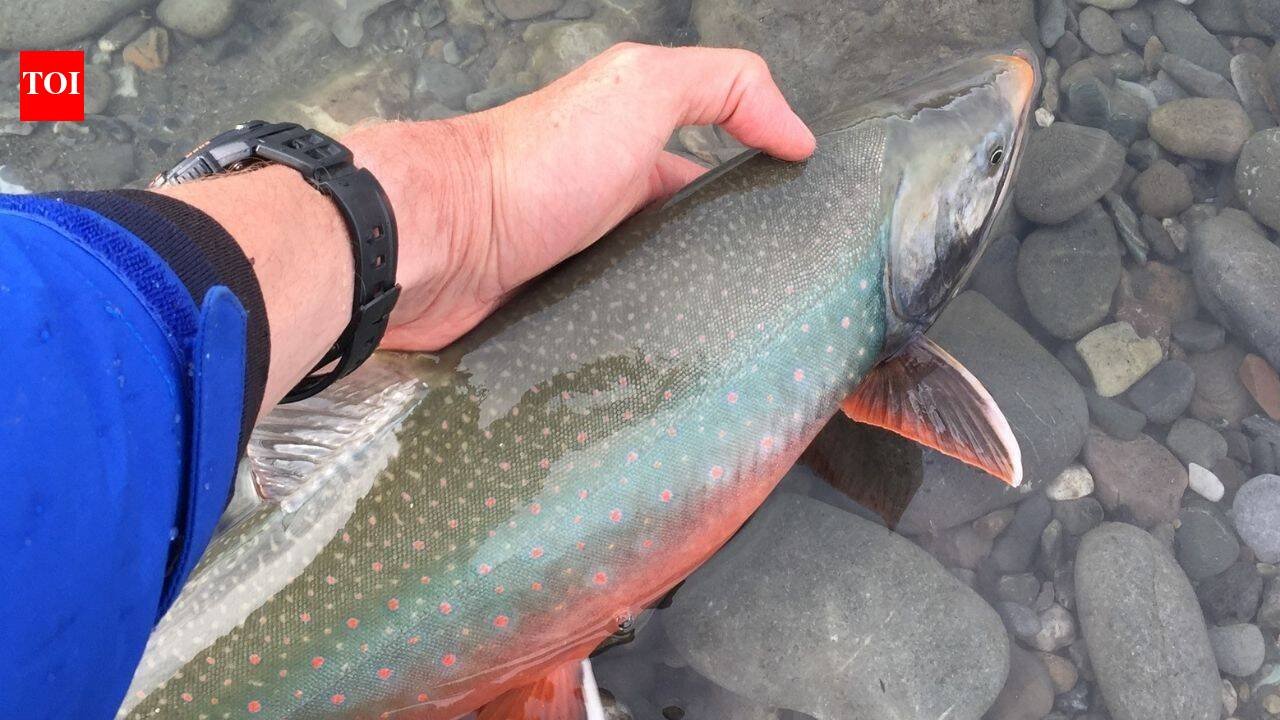
Alaska used rotenone to eliminate invasive pike from an entire lake; the pike vanished, and 6,836 Arctic char were later stocked to rebuild the native fishery

In a remote corner of Southcentral Alaska, state biologists carried out a dramatic restoration: they treated an entire lake with rotenone, a plant-derived piscicide, to wipe out an invasive population of northern pike. After the treatment, post-surveys confirmed the pike were gone. The next step was rebuilding what had been lost. In June 2013, the … Read more