Arizona introduced bullfrogs for food and sport in 1926; invasive frogs now prey on young northern Mexican garter snakes
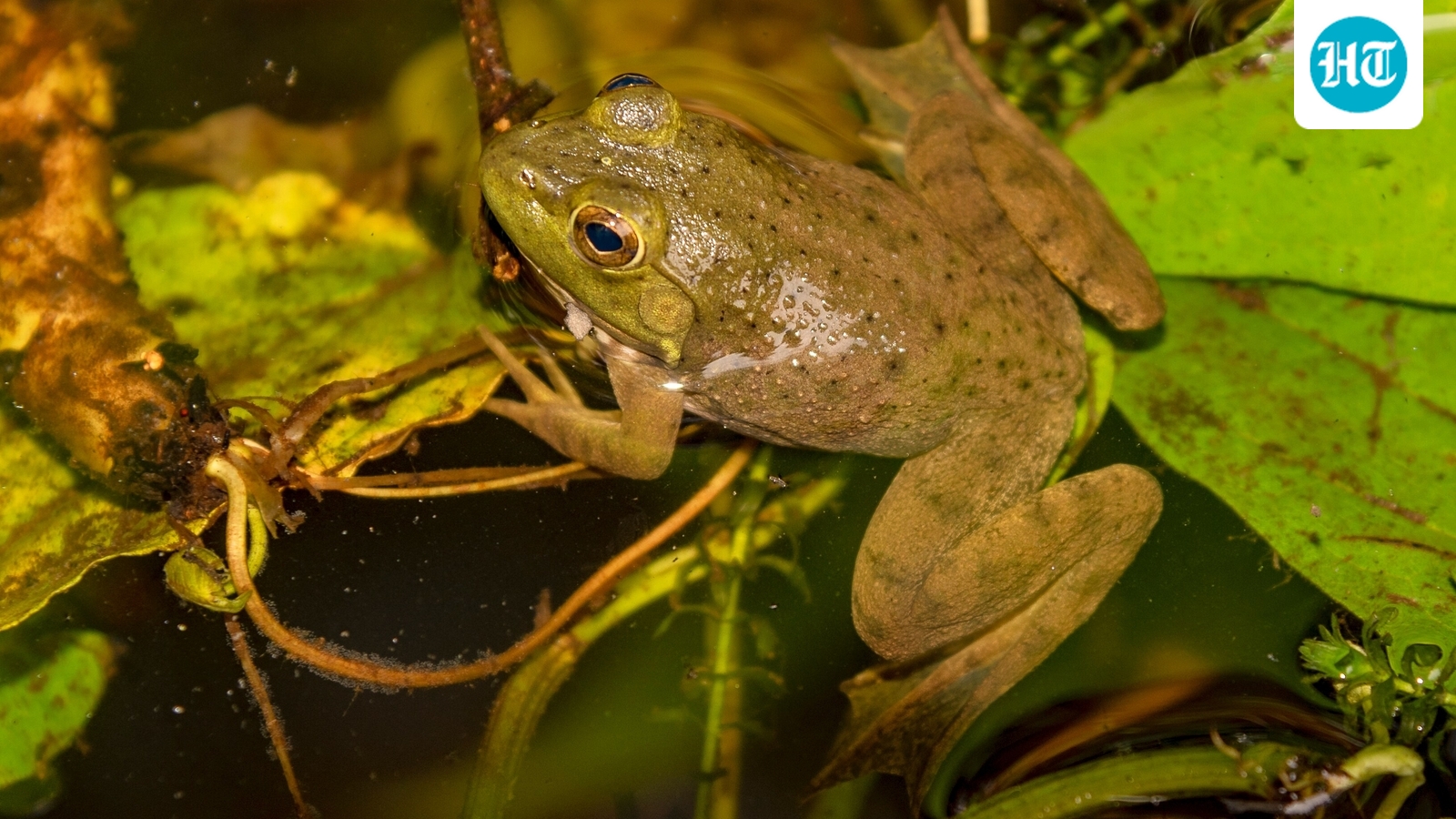
Introduced to Arizona in 1926 for hunting and food, bullfrogs now threaten the northern Mexican garter snake by preying on juveniles and reducing native prey. Conservation teams are removing bullfrogs and restoring native frogs, but continued monitoring and funding are needed to prevent their return. (Wikimedia Commons)

A frog introduced for hunting and food has become a threat to one of Arizona’s native snakes. A U.S. Fish and Wildlife Service species assessment traces bullfrogs’ arrival in Arizona to 1926, following a systematic introduction effort by the State Game Department to provide opportunities for sport hunting and a source of food. The assessment … Read more

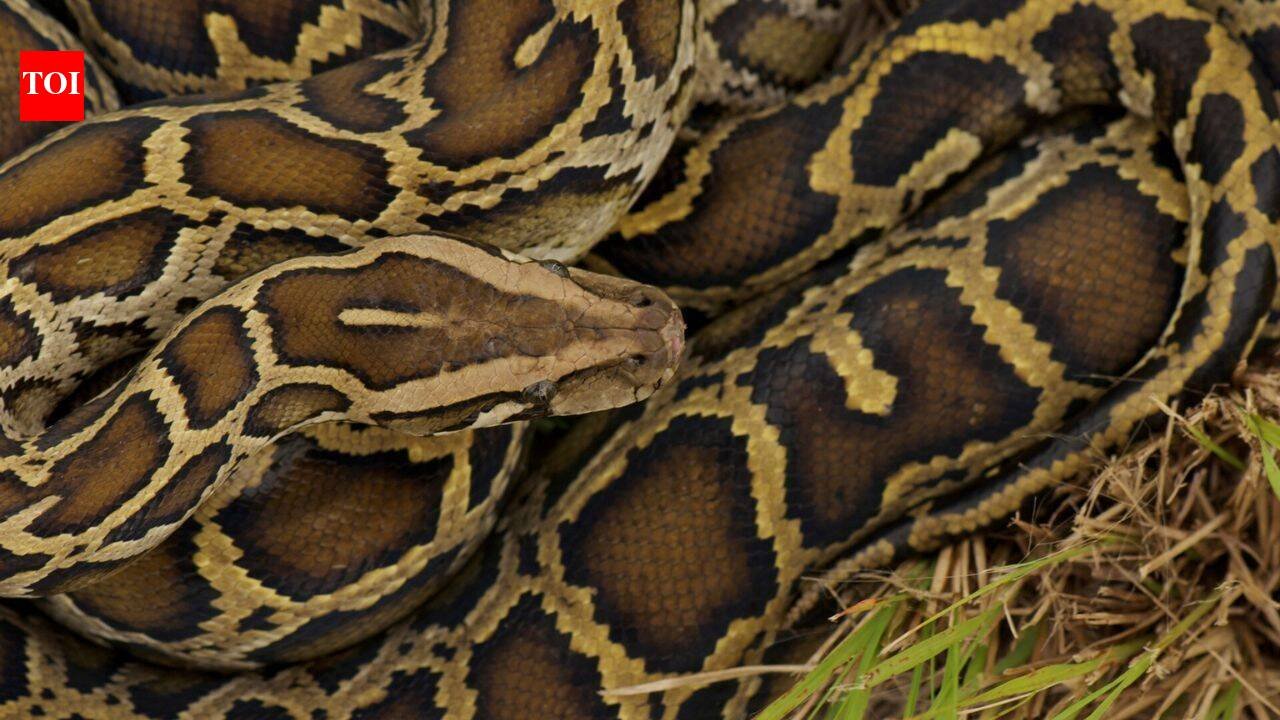
A 16-foot Burmese python weighing 147.9 pounds was released after radio-tagging in Florida; US scientists are now testing drones to track invasive snakes across the Everglades

A 16-foot Burmese python weighing 147.9 pounds was released after radio-tagging in Florida; US scientists are now testing drones to track invasive snakes across the Everglades

Deep in the Florida Everglades, a vast and difficult landscape, scientists are trying a new way to find invasive Burmese pythons; they are looking from above. Researchers are testing small drones fitted with radio tracking equipment or cameras to locate snakes more efficiently, follow their movements across difficult terrain, and cut the cost of searching … Read more

Burmese python males undergo a dramatic seasonal hormone shift before breeding; scientists tracked testosterone and corticosterone in Florida snakes

Burmese python males undergo a dramatic seasonal hormone shift before breeding; scientists tracked testosterone and corticosterone in Florida snakes

Burmese python coiled in the grass in the Everglades. Image Credit: Wikipedia Burmese python males in South Florida undergo a marked seasonal change in testosterone as the breeding period approaches, while another hormone linked to stress and energy use follows a less predictable pattern. A study published in General and Comparative Endocrinology tracked testosterone and … Read more

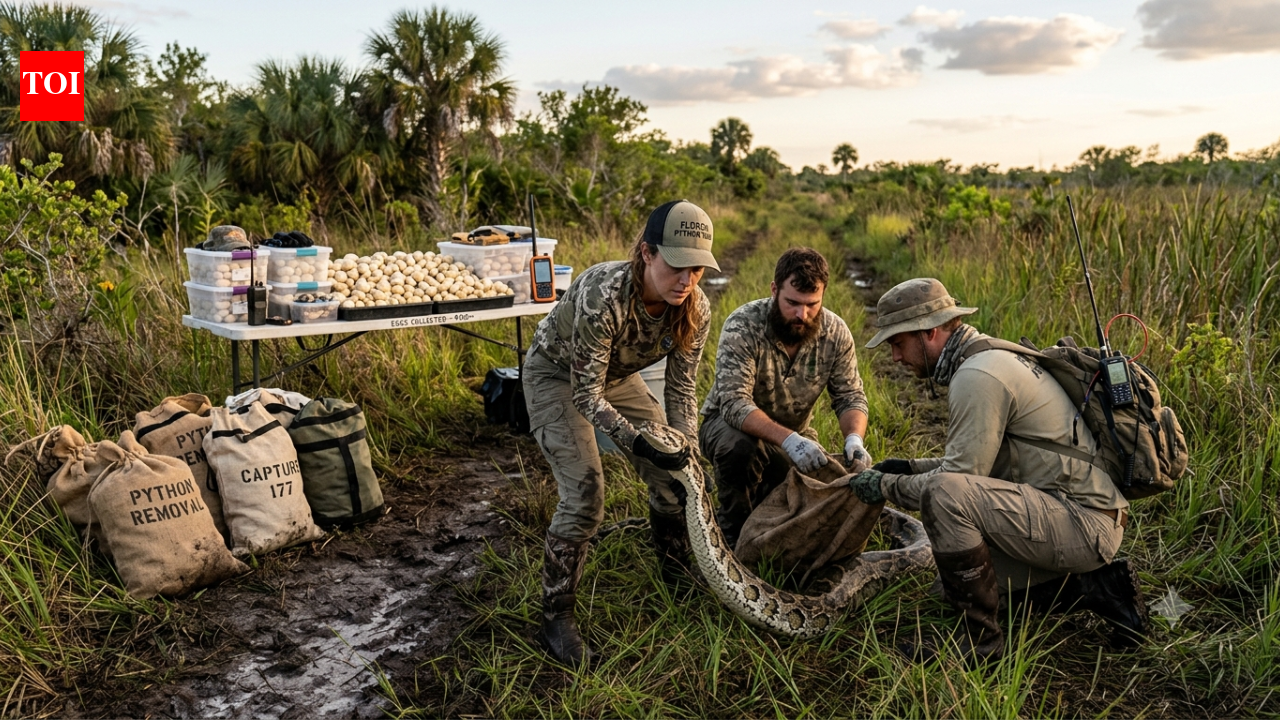
Florida’s python team followed 40 tagged male snakes and ended the season with 177 Burmese pythons removed and more than 4,100 eggs taken from the ecosystem

Florida’s python team followed 40 tagged male snakes and ended the season with 177 Burmese pythons removed and more than 4,100 eggs taken from the ecosystem

A season of tracking Burmese pythons across the difficult terrain of southwest Florida ended with 177 snakes removed and more than 4,100 eggs taken out of the ecosystem. The work, carried out by the Conservancy of Southwest Florida and its python action team, covered about 200 square miles of Collier County between November 2025 and … Read more

In 1995, just 51 rare snakes survived on one tiny Caribbean island; 21 years later their population topped 1,100

In 1995, just 51 rare snakes survived on one tiny Caribbean island; 21 years later their population topped 1,100

In 1995, the Antiguan racer was perilously close to disappearing from the wild. Just 51 of these rare Caribbean snakes were estimated to survive, all confined to tiny Great Bird Island off the coast of Antigua. The species had little room to recover. Yet what followed became an extraordinary conservation turnaround. Over the next 21 … Read more

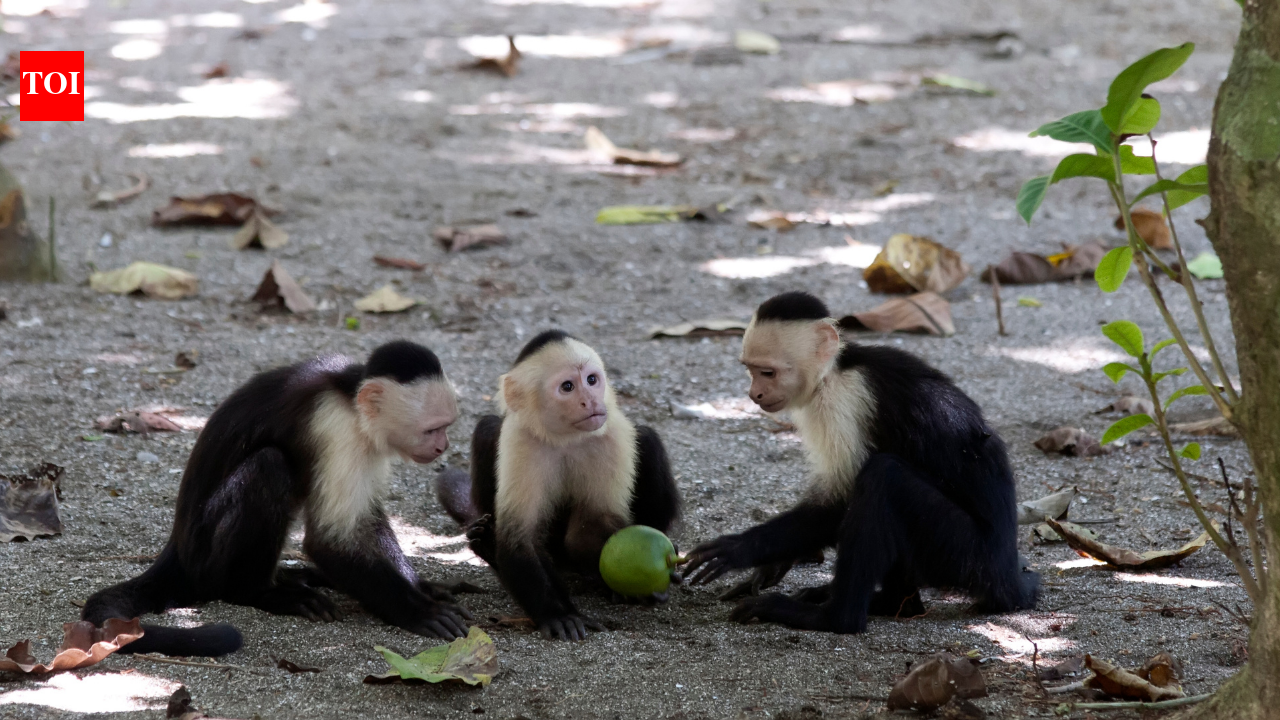
Scientists watched wild capuchin monkeys for 45 months and recorded around 280 vertebrate-eating events; when fruit became scarce, the monkeys increasingly turned to lizards, snakes and other animals for food

Scientists watched wild capuchin monkeys for 45 months and recorded around 280 vertebrate-eating events; when fruit became scarce, the monkeys increasingly turned to lizards, snakes and other animals for food

Capuchin monkeys (Representative Image/ Canva) For most people, monkeys are closely associated with fruit, leaves and insects. But when their preferred plant foods become harder to find, some capuchin monkeys appear willing to switch strategies. They hunt and eat small vertebrates, including mammals and reptiles, turning to animal prey as an important source of energy … Read more

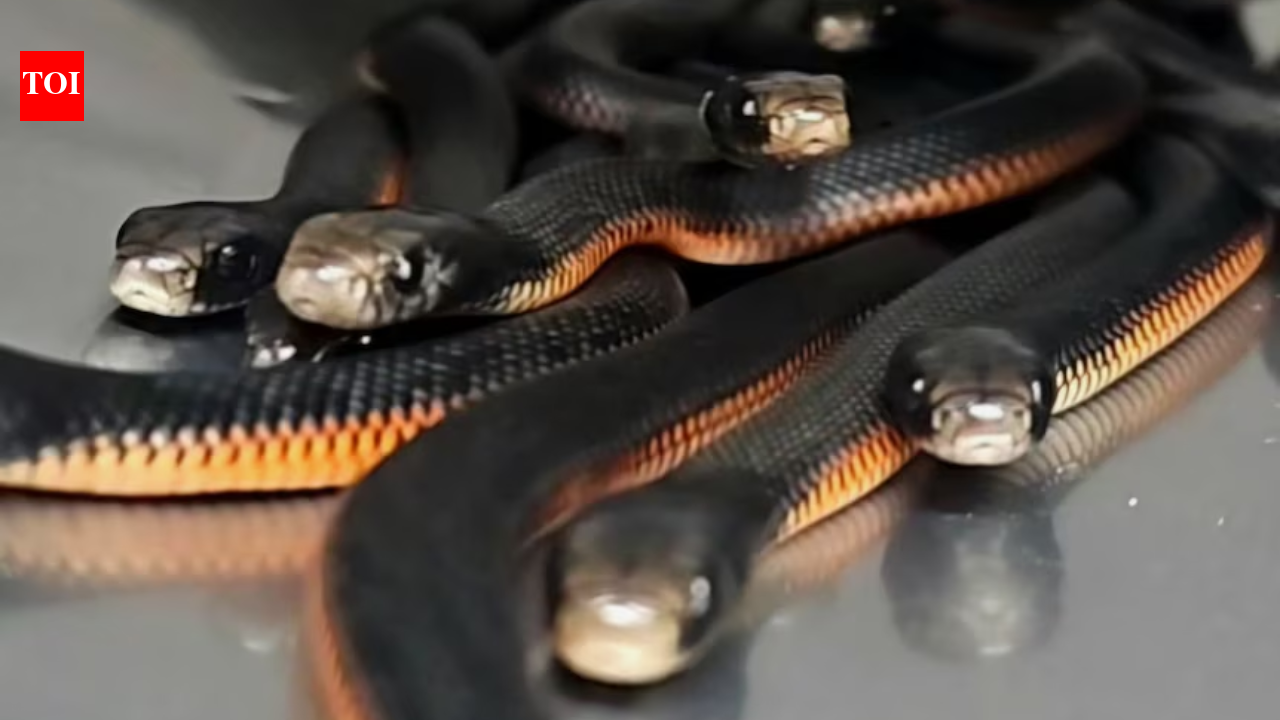
An Australian family noticed snakes disappearing into a backyard mulch pile; snake catchers found 102 venomous snakes underneath

An Australian family noticed snakes disappearing into a backyard mulch pile; snake catchers found 102 venomous snakes underneath

A few snakes disappearing into a backyard mulch pile had seemed like a worrying but manageable problem for a family in Sydney’s west. Then snake catchers started digging through it. At a property in Horsley Park, the reptiles had been slipping into the mulch for about two weeks, prompting the homeowners to call professionals after … Read more

In 1979, about 30 mongooses were released on Japan’s Amami Oshima to control habu snakes; their population later grew to roughly 10,000 and threatened rare wildlife, but after decades of trapping Japan declared them eradicated in 2024

In 1979, about 30 mongooses were released on Japan’s Amami Oshima to control habu snakes; their population later grew to roughly 10,000 and threatened rare wildlife, but after decades of trapping Japan declared them eradicated in 2024

In 1979, about 30 mongooses were released on Japan’s Amami Oshima to control habu snakes Japan has officially declared the successful eradication of the invasive small Indian mongoose on Amami Oshima, ending a decades-long ecological crisis on the UNESCO World Heritage-listed island. According to an official announcement from Japan’s ministry of the environment, expert panels … Read more

Ancient humans in Israel ate snakes and lizards 15,000 years ago; 3,000 bones reveal what was on the menu

Ancient humans in Israel ate snakes and lizards 15,000 years ago; 3,000 bones reveal what was on the menu

At a cave on the slopes of Mount Carmel, thousands of small reptile bones accumulated alongside the remains of animals hunted and gathered by people more than 11,000 years ago. For years, their presence raised a straightforward but difficult question: were the snakes and lizards food, or had they ended up there through the activity … Read more

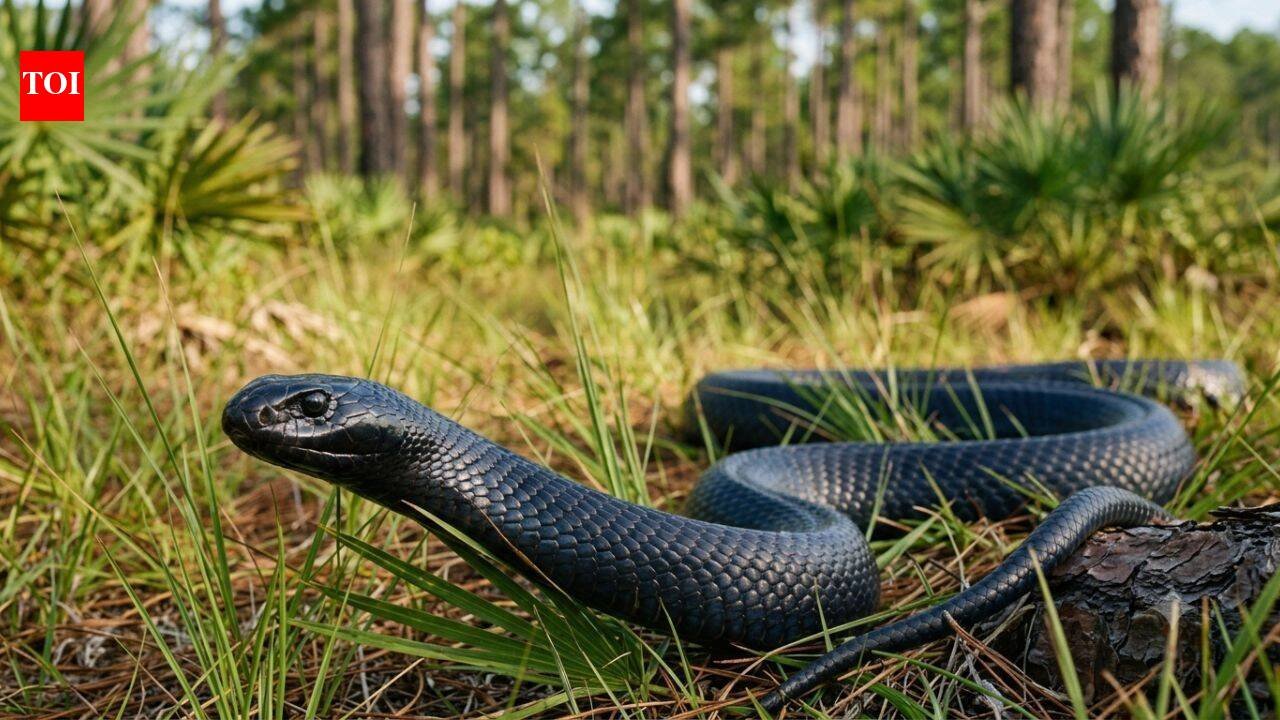
A giant snake vanished from parts of the US decades ago. Scientists are now releasing 42 eastern indigo snakes to bring it back

A giant snake vanished from parts of the US decades ago. Scientists are now releasing 42 eastern indigo snakes to bring it back

In Spring 2026, conservationists released 42 eastern indigo snakes into their historical habitats in Florida and Alabama. After a year of specialized care, these reptiles have adapted well, with monitoring indicating successful survival and breeding in the wild. This significant reintroduction effort seeks to restore self-sustaining populations of this unique snake species to their native … Read more