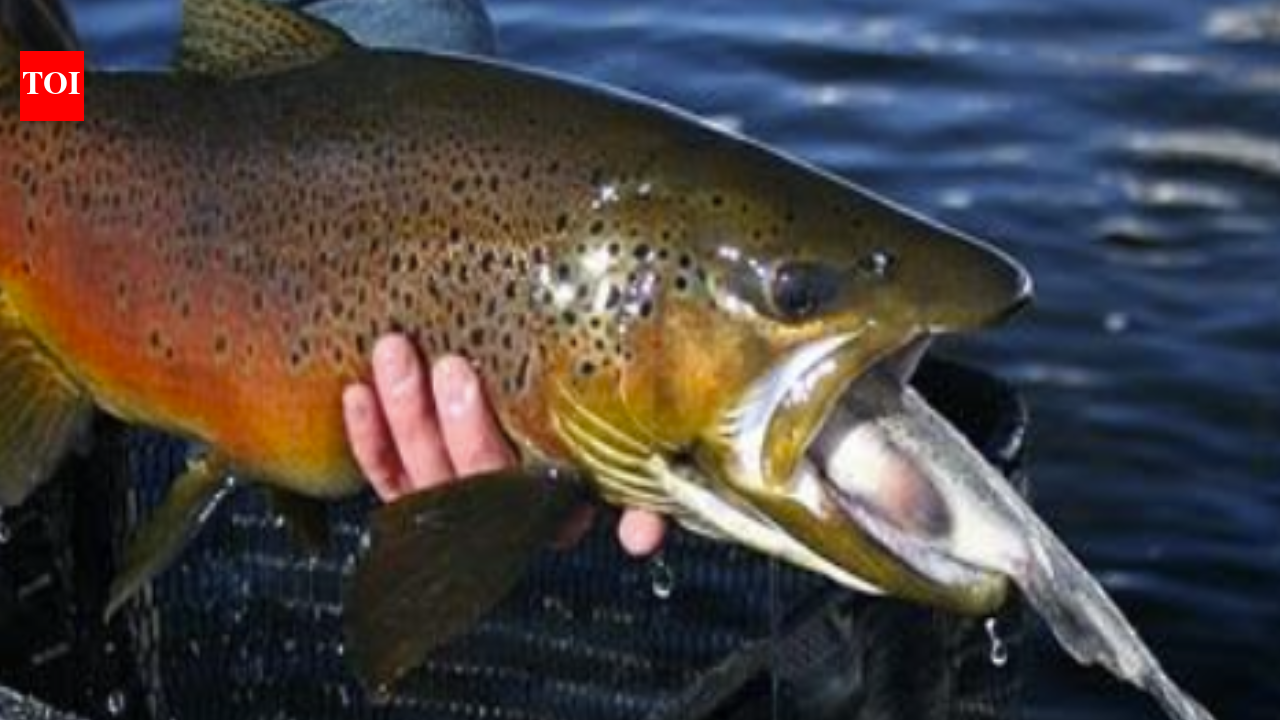
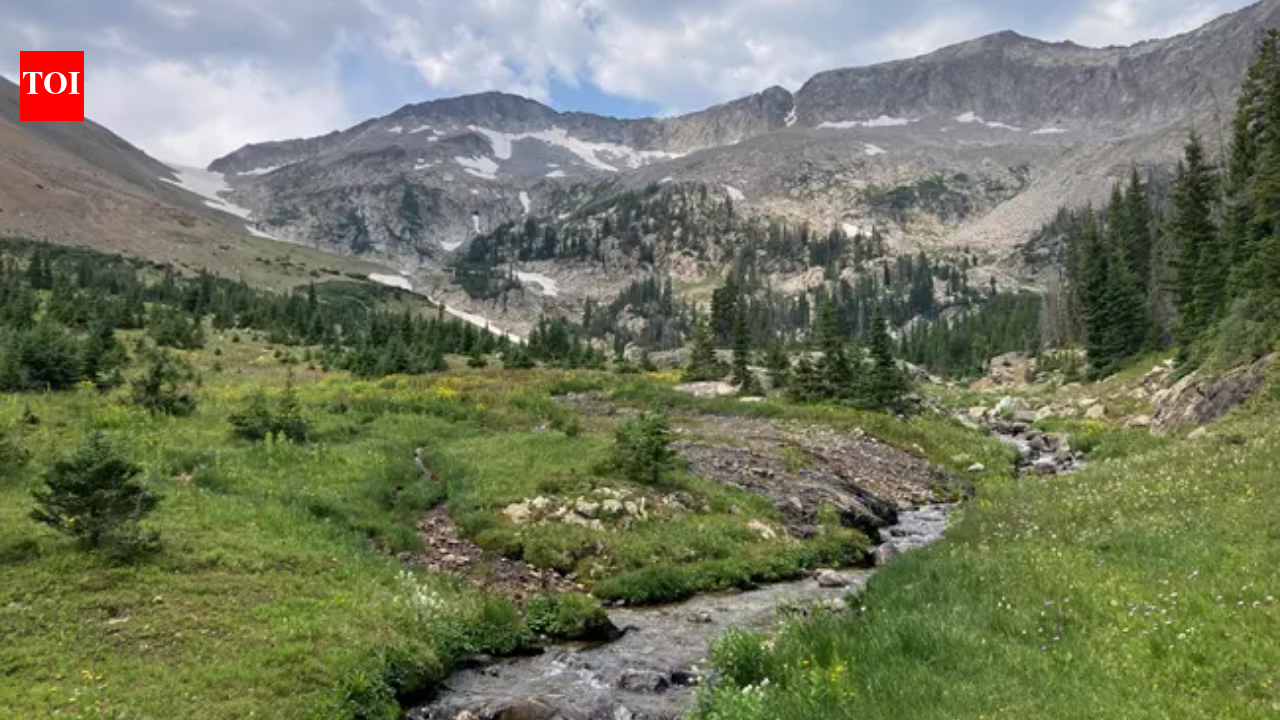
In 1979, nonnative trout pushed Arizonas Apache trout into 30 stream miles; today, 30 populations occupy 175 miles, and its off the endangered list
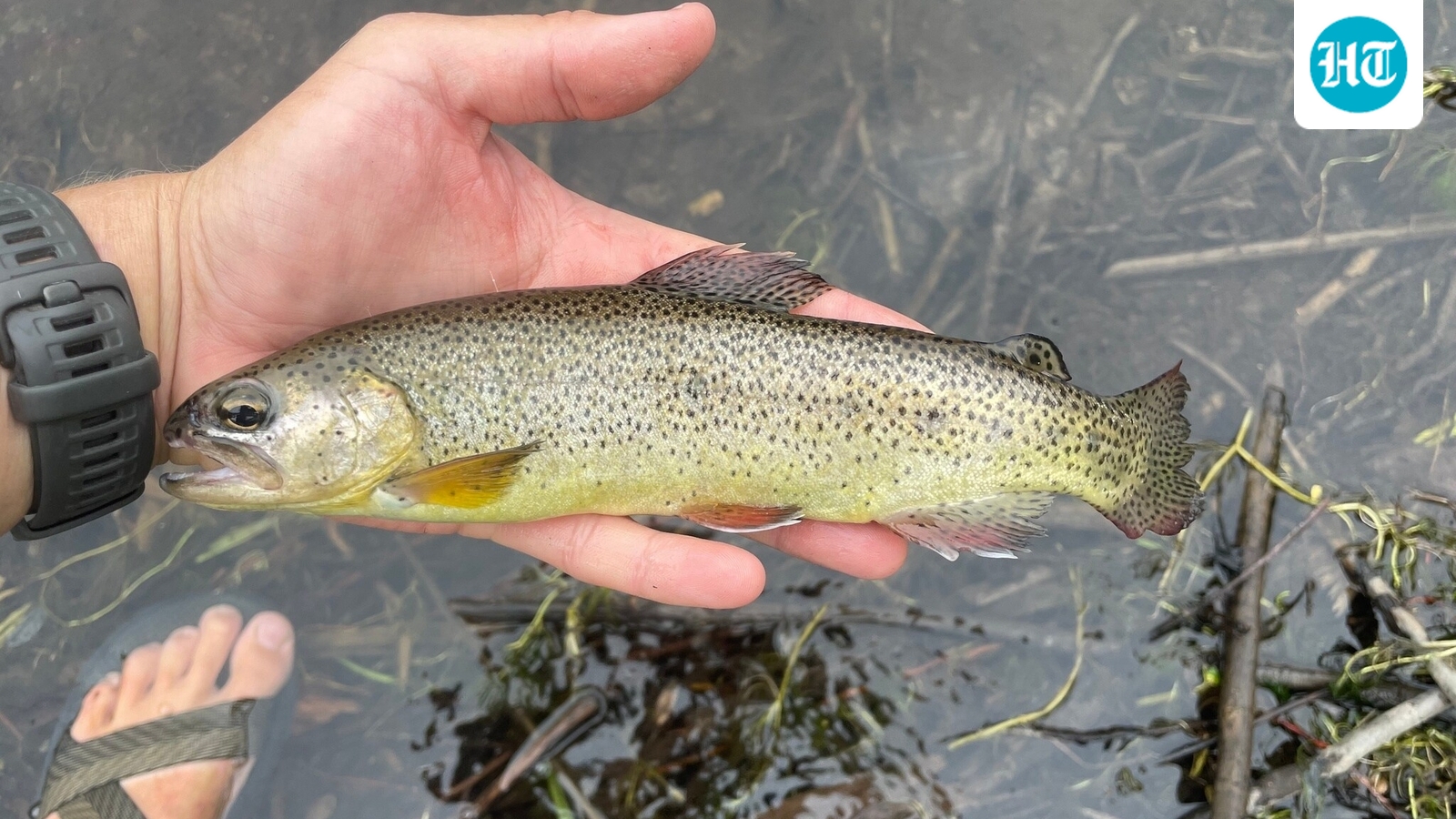
Arizona’s Apache trout was removed from the endangered species list in 2024 after decades of habitat protection and nonnative fish control. Thirty genetically pure populations now remain, but small population sizes, wildfire risk, and the species’ limited range mean continued conservation management is essential. (Wikimedia Commons)

The White Mountains of Arizona are home to a trout species found naturally nowhere else. The U.S. Fish and Wildlife Service’s 2022 species status assessment places the Apache trout’s native range within the White and Black River drainages and the Little Colorado River basin, historically at elevations of about 5,900 to 6,900 feet and above. … Read more
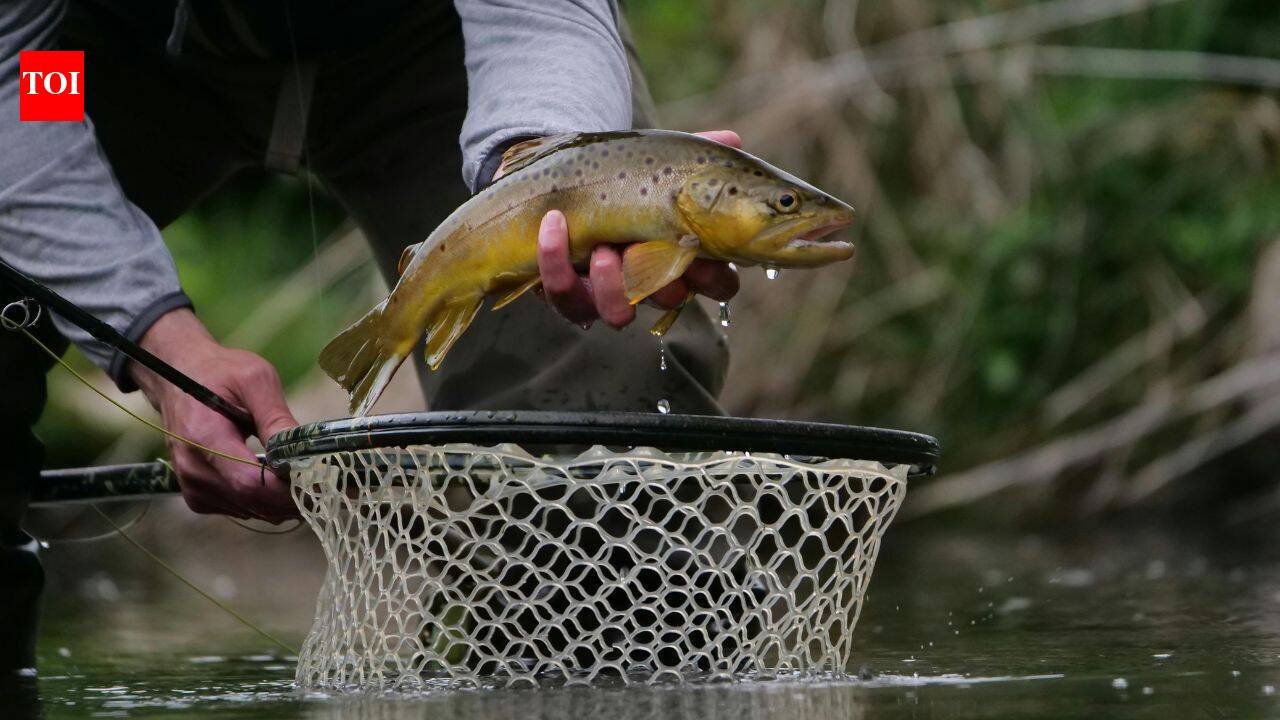
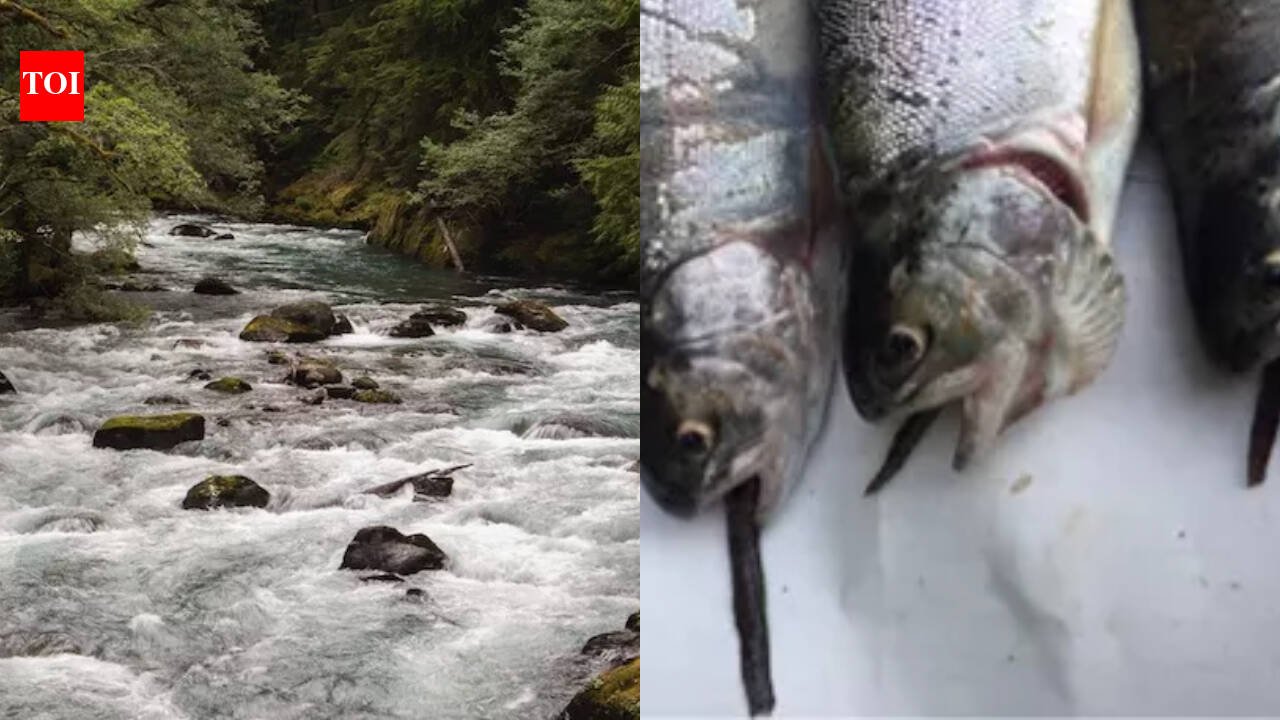
In 2001, California began removing non-native trout from high-Sierra lakes; by 2011 nearly 44,000 fish were removed from 19 lakes, as frogs in three restoration lakes rose from about 190 to over 18,800

In 2001, California began removing non-native trout from high-Sierra lakes; by 2011 nearly 44,000 fish were removed from 19 lakes, as frogs in three restoration lakes rose from about 190 to over 18,800

High in California’s Sierra Nevada, a conservation project changed the future of a disappearing amphibian. In 2001, staff at Sequoia and Kings Canyon National Parks began removing non-native trout from selected lakes and streams, restoring water bodies that had historically been home to mountain yellow-legged frogs but were naturally fishless. By 2011, nearly 44,000 trout … Read more

From 1915 to 1972, Mount Rainier stocked more than 9 million fish into naturally fishless waters; today 35 mountain lakes still hold breeding non-native populations that displace amphibians and alter ecosystems

From 1915 to 1972, Mount Rainier stocked more than 9 million fish into naturally fishless waters; today 35 mountain lakes still hold breeding non-native populations that displace amphibians and alter ecosystems

View of the Ohanapecosh River and predated Northwestern Salamanders (Ambrystoma gracile) eaten by introduced trout. Mount Rainier’s glaciers and snowfields feed a magnificent system of icy streams and mountain lakes. On the surface, these waters look pristine, scattered pools in one of America’s most iconic landscapes. But beneath the surface, scientists are looking at a … Read more

In 2003, crews began removing non-native fish from the Grand Canyon; by 2006 rainbow trout’s share of the catch had fallen from about 90% to under 10%

In 2003, crews began removing non-native fish from the Grand Canyon; by 2006 rainbow trout’s share of the catch had fallen from about 90% to under 10%

In the depths of the Grand Canyon, scientists were trying to give native fish a better chance of survival, by taking other fish out of the Colorado River. A four-year fish-removal experiment conducted between 2003 and 2006 dramatically changed the composition of fish being caught in one section of the river. According to a 2011 … Read more

From 1886 to 1968, more than 20 million fish were stocked in waters that became Rocky Mountain National Park; in 2026 crews treated 14.3 miles to remove non-native fish and restore threatened greenback trout

From 1886 to 1968, more than 20 million fish were stocked in waters that became Rocky Mountain National Park; in 2026 crews treated 14.3 miles to remove non-native fish and restore threatened greenback trout

Rocky Mountain National Park (Image Credit: National Park Service) For more than 80 years, fish were deliberately introduced into the waters that would become Rocky Mountain National Park. According to the National Park Service (NPS), more than 20 million fish were stocked in waters that are now part of Rocky Mountain National Park between 1886 … Read more