In 2001, California began removing non-native trout from high-Sierra lakes; by 2011 nearly 44,000 fish were removed from 19 lakes, as frogs in three restoration lakes rose from about 190 to over 18,800
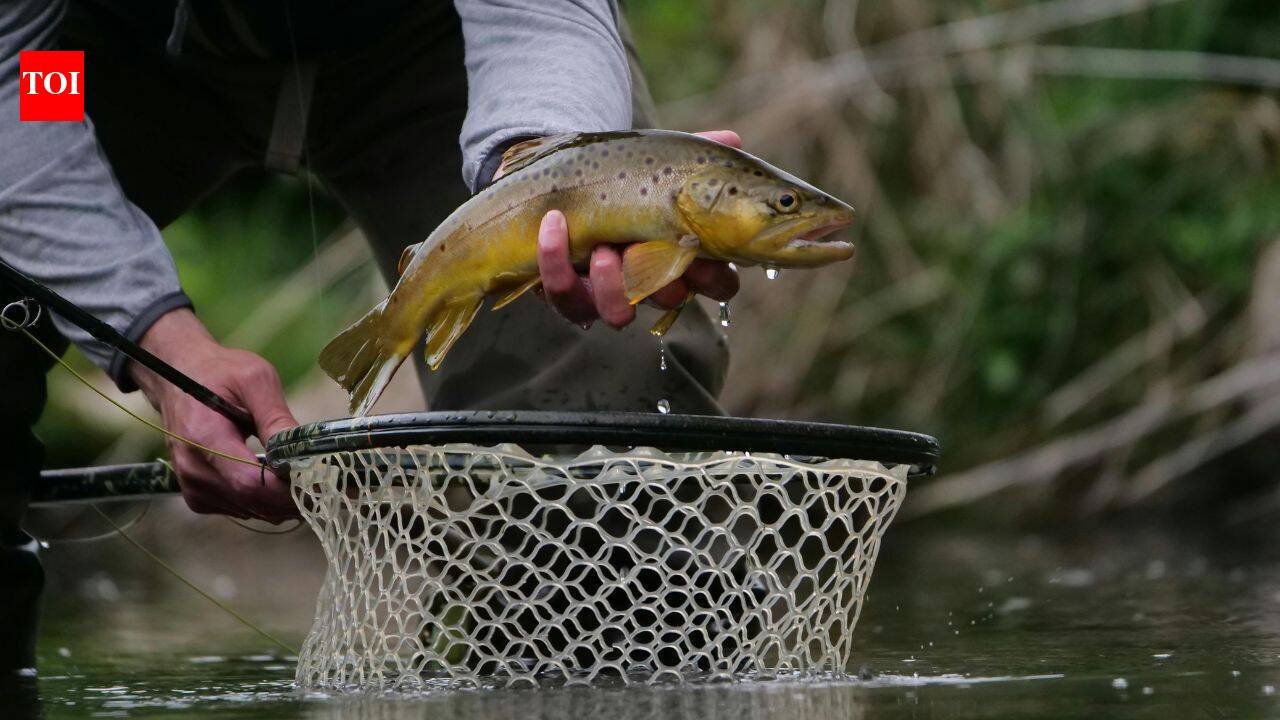
In 2001, California began removing non-native trout from high-Sierra lakes; by 2011 nearly 44,000 fish were removed from 19 lakes, as frogs in three restoration lakes rose from about 190 to over 18,800

High in California’s Sierra Nevada, a conservation project changed the future of a disappearing amphibian. In 2001, staff at Sequoia and Kings Canyon National Parks began removing non-native trout from selected lakes and streams, restoring water bodies that had historically been home to mountain yellow-legged frogs but were naturally fishless. By 2011, nearly 44,000 trout … Read more
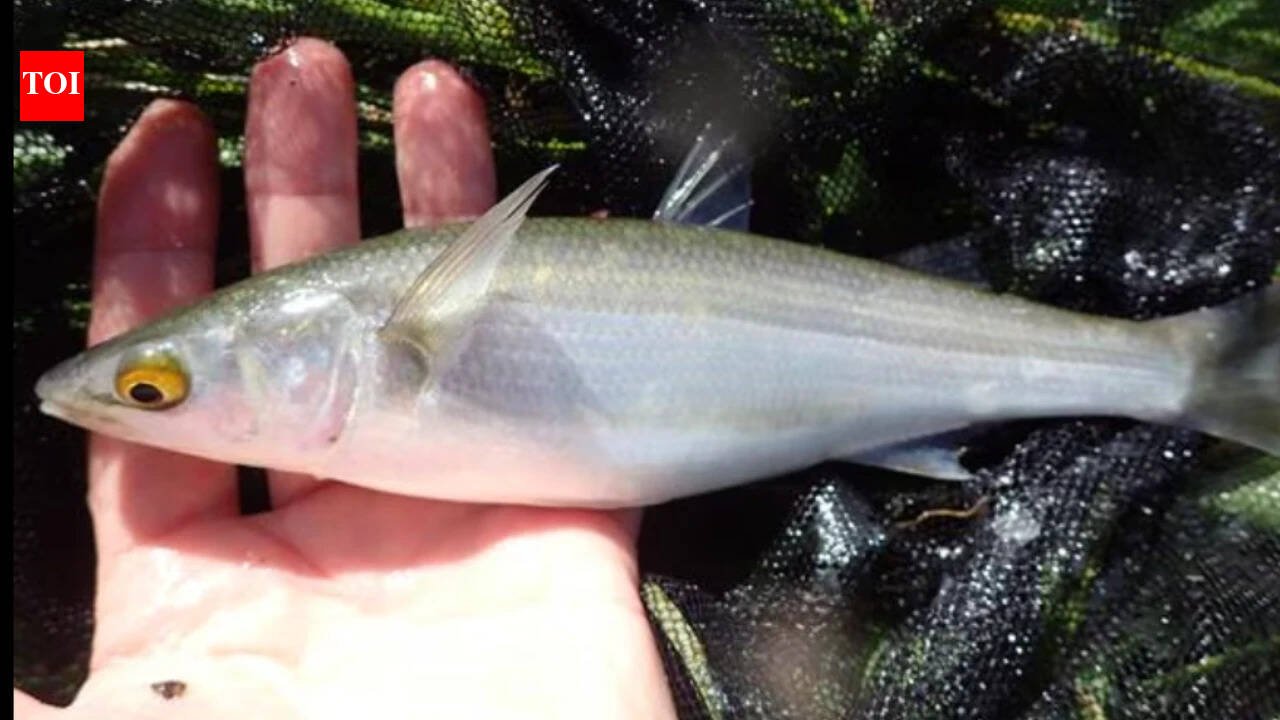
In 2020, Tasmania treated invasive rice grass in Duck Bay; three years later, fish species had more than doubled from 5 to 11 and average catches rose from about 2 to 45 per net

In 2020, Tasmania treated invasive rice grass in Duck Bay; three years later, fish species had more than doubled from 5 to 11 and average catches rose from about 2 to 45 per net

Among the species benefiting from the restoration are yellow-eye mullet. A major effort to remove invasive rice grass from Tasmania’s Duck Bay is showing major signs of recovery, with native vegetation returning and the number of fish species rising from five to 11. The changes came within just two to three years of the weed … Read more

In 2017, Dubuque turned recycled plastic equal to about 67,000 water bottles into 14 floating islands; the 2,674-sq-ft system now adds plant, fish and bird habitat to Bee Branch Creek

In 2017, Dubuque turned recycled plastic equal to about 67,000 water bottles into 14 floating islands; the 2,674-sq-ft system now adds plant, fish and bird habitat to Bee Branch Creek

There are 14 islands totaling 2,674 square feet. Each island is a miniature replica of the natural archipelagos of the Mississippi River. Before the islands were placed in the creek, four prototype designs in a variety of shapes and sizes were developed. Sometimes the answer for a city that has fought floodwaters for years isn’t … Read more

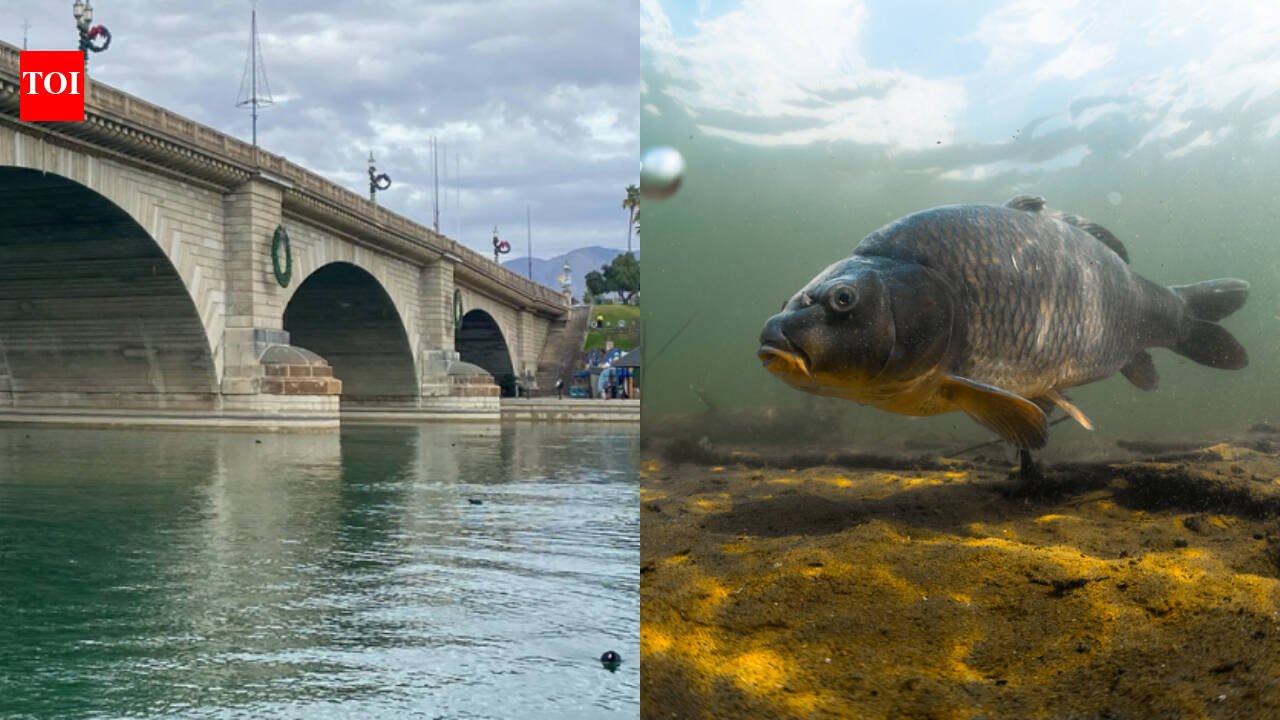
In 1992, a partnership began rebuilding Lake Havasu’s declining fish habitat; 90 acres of artificial habitat helped improve about 875 acres of coves, with habitat now created across 124 coves

In 1992, a partnership began rebuilding Lake Havasu’s declining fish habitat; 90 acres of artificial habitat helped improve about 875 acres of coves, with habitat now created across 124 coves

During its first decade, the partnership installed approximately 90 acres of artificial habitat, improving about 875 acres of cove complexes. Lake Havasu is famous for striped bass, redear sunfish, world-class fishing tournaments and unforgettable days on the water. But beneath that success is a decades-long conservation effort that many visitors never see. For more than … Read more

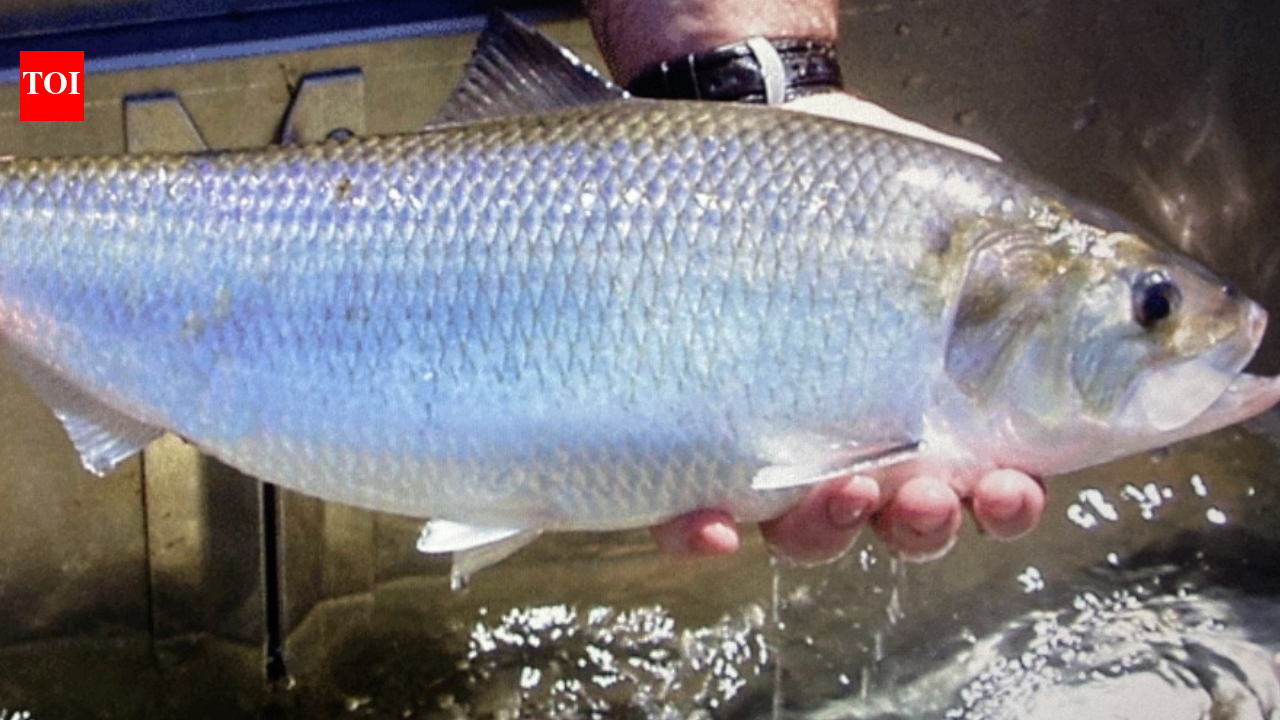
In 2014, Virginia removed a dam that had blocked migrating fish for over 70 years; nearly 130 miles of upstream spawning and nursery habitat reopened

In 2014, Virginia removed a dam that had blocked migrating fish for over 70 years; nearly 130 miles of upstream spawning and nursery habitat reopened

For decades, a concrete barrier on Virginia’s Appomattox River stood between migratory fish and more than 120 miles of upstream habitat. In 2014, its removal changed that. The Harvell Dam in Petersburg was taken out as part of a collaborative restoration effort, reconnecting roughly 127 miles of river for migratory and resident fish, according to … Read more

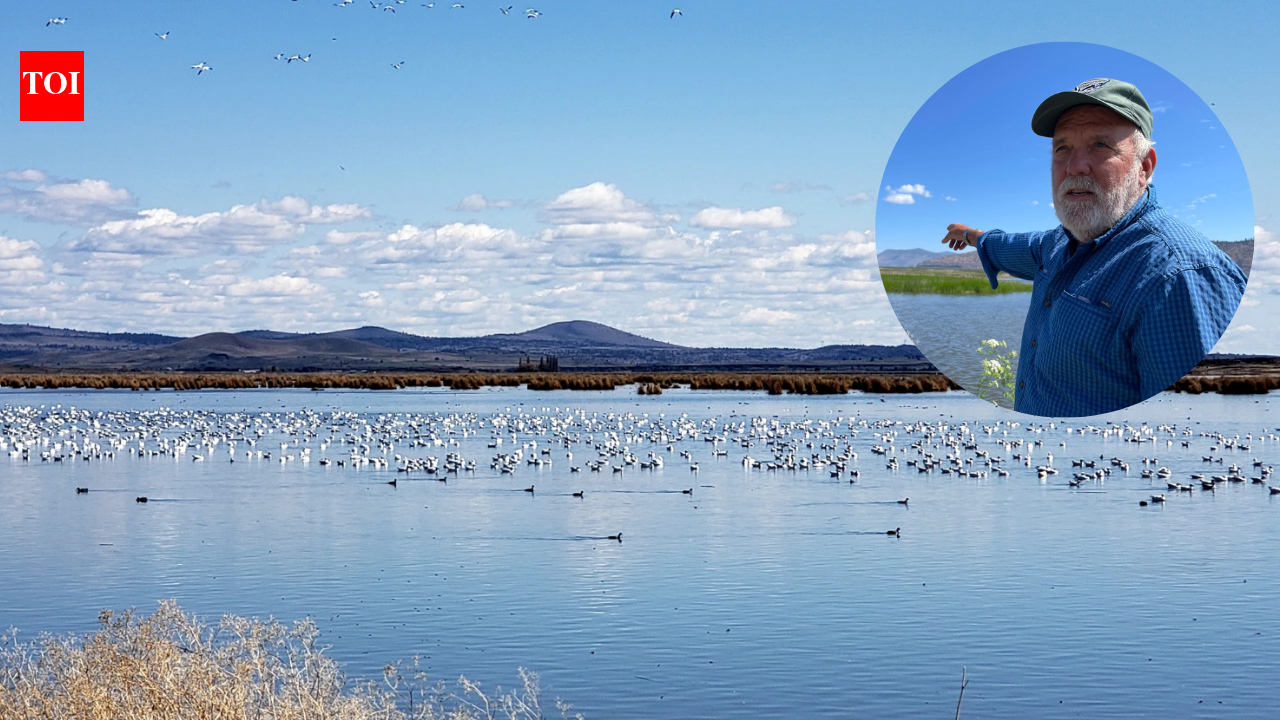
A farmer turned 70 acres of his Oregon barley farm into a wetland; now it hosts 140 bird species and endangered fish

A farmer turned 70 acres of his Oregon barley farm into a wetland; now it hosts 140 bird species and endangered fish

A farmer in southern Oregon transformed 70 acres of his 400-acre barley farm into a wetland in 2021, creating an unexpected refuge for wildlife while helping address agricultural water pollution. Karl Wenner, a co-owner of Lakeside Farms near Klamath Falls, worked with conservation agencies and other partners to convert flood-prone farmland into a managed wetland. … Read more

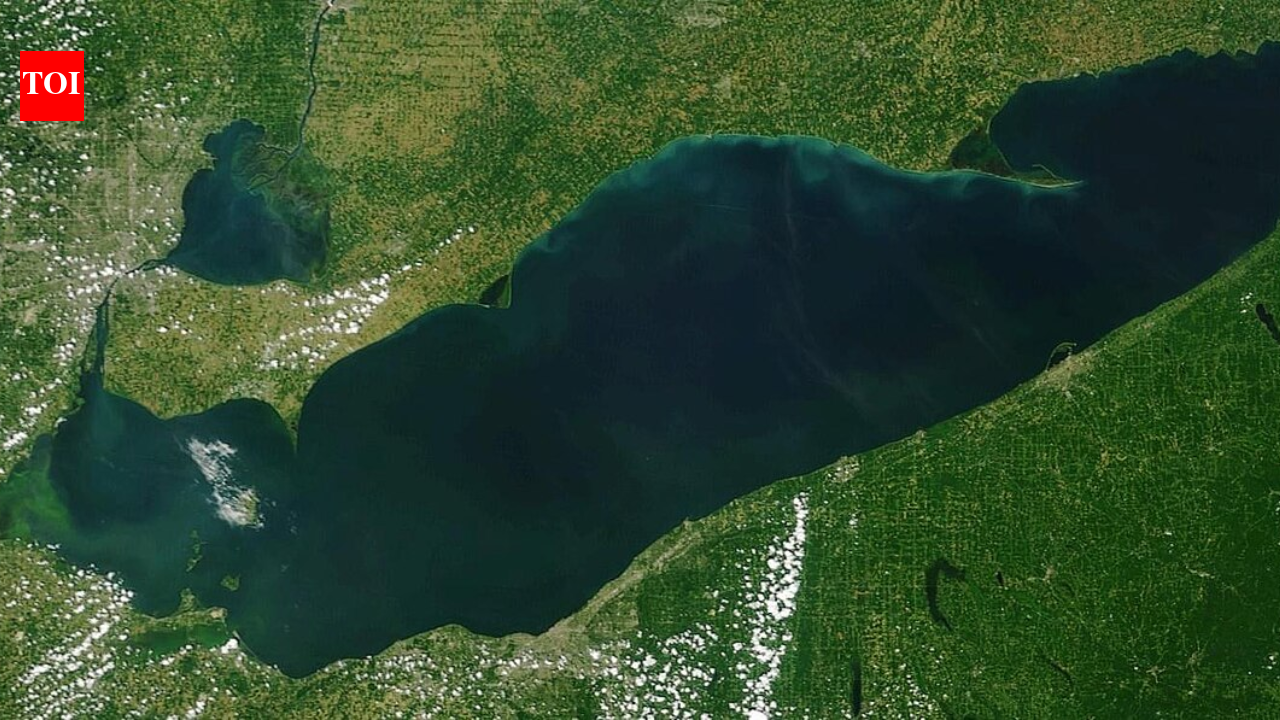
After a 25-acre Lake Erie wetland was reconnected, sonar recorded 3.44 million fish detections over 2,022 monitoring hours across four years, showing the restored habitat was used continuously

After a 25-acre Lake Erie wetland was reconnected, sonar recorded 3.44 million fish detections over 2,022 monitoring hours across four years, showing the restored habitat was used continuously

After a 25-acre Lake Erie wetland was reconnected A restored 25-acre coastal wetland on the southern shore of western Lake Erie was used continuously by millions of aquatic animals after it was reconnected to nearby waterways, according to a four-year acoustic monitoring study led by researchers at the United States Geological Survey (USGS). The scientific … Read more

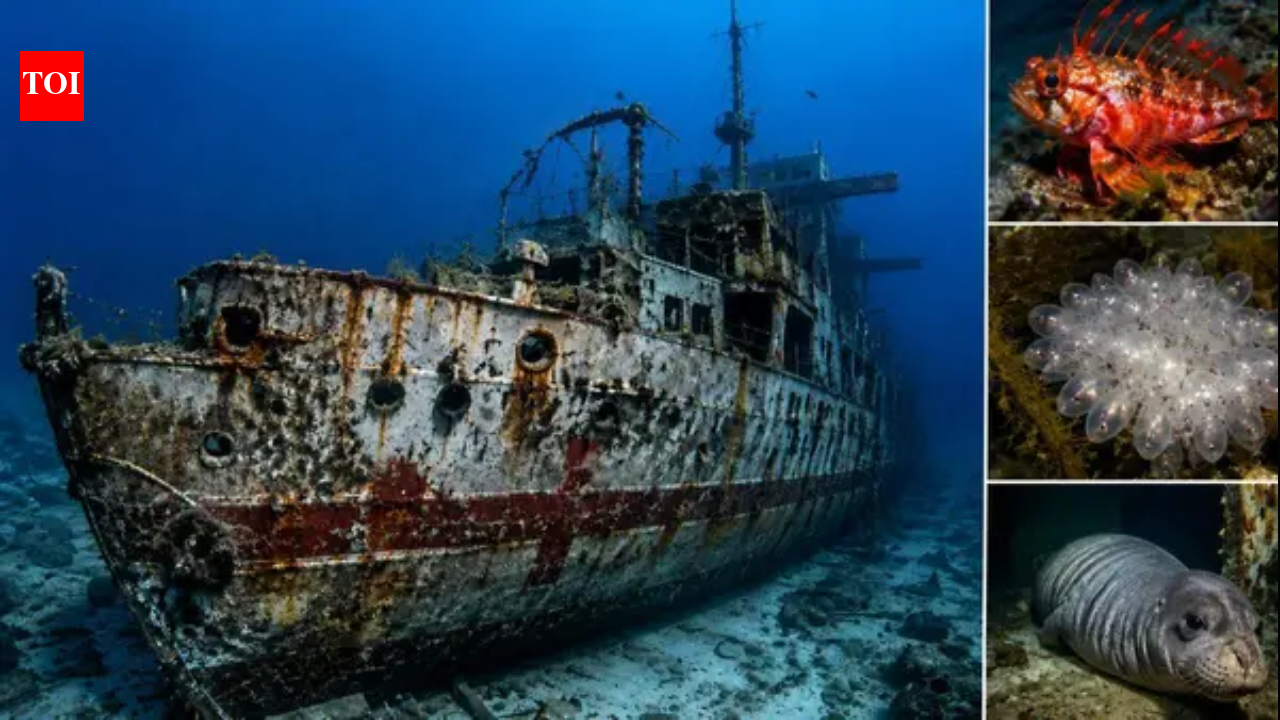
In 2002, South Australia sank ex-HMAS Hobart in under 3 minutes; 18 years later, a marine survey recorded more than 50 fish species around the destroyer

In 2002, South Australia sank ex-HMAS Hobart in under 3 minutes; 18 years later, a marine survey recorded more than 50 fish species around the destroyer

In 2002, South Australia sank ex-HMAS Hobart in under 3 minutes A 134-metre decommissioned guided-missile destroyer lying 30 metres below the surface of Yankalilla Bay has become one of South Australia’s most diverse marine habitats, less than two decades after it was deliberately sunk. The ex-HMAS Hobart was scuttled on 5 November 2002. It sank … Read more

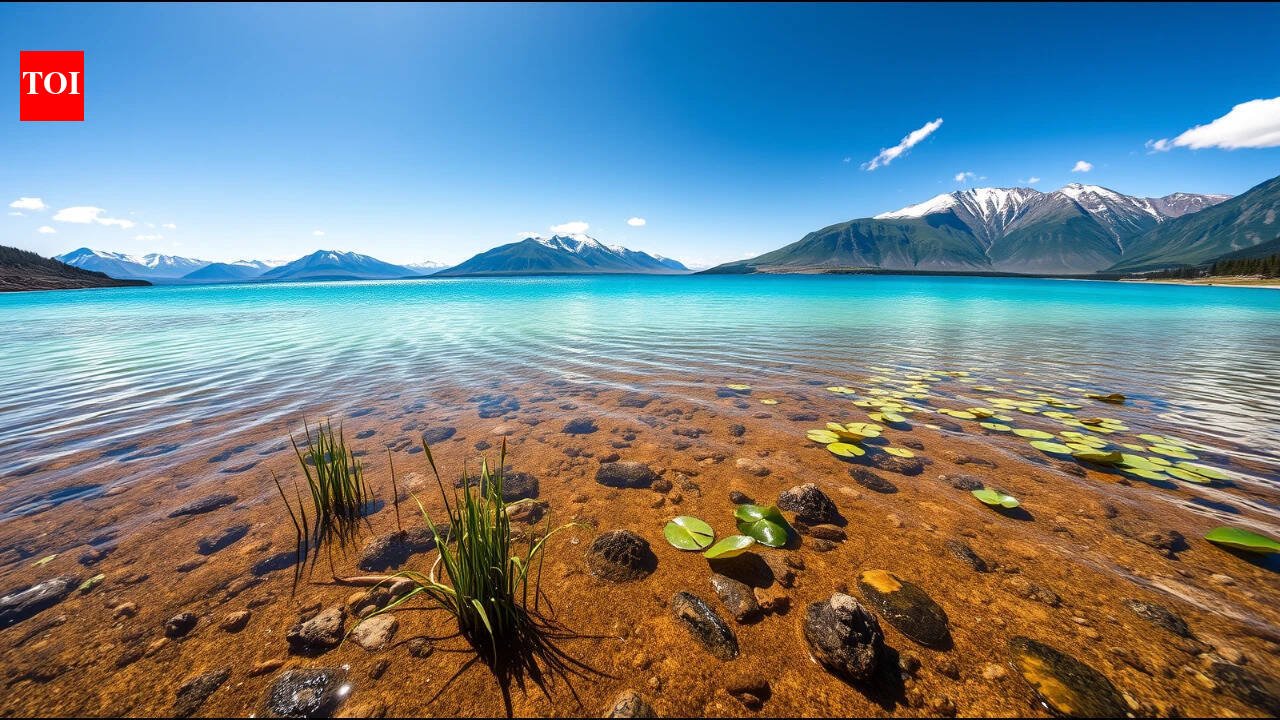
Scientists removed just 20–40% of fish from a degraded Chinese lake; underwater plants and water clarity began recovering

Scientists removed just 20–40% of fish from a degraded Chinese lake; underwater plants and water clarity began recovering

Representative Image of a pristine highland lake transitioning from murky water to clear, with submerged plants thriving (AI Generated Image) Caohai Lake, a highland lake in southwest China, began losing its underwater vegetation after 2016. By 2019, submerged plants covered less than 10 per cent of the lake, down from around 70 per cent just … Read more

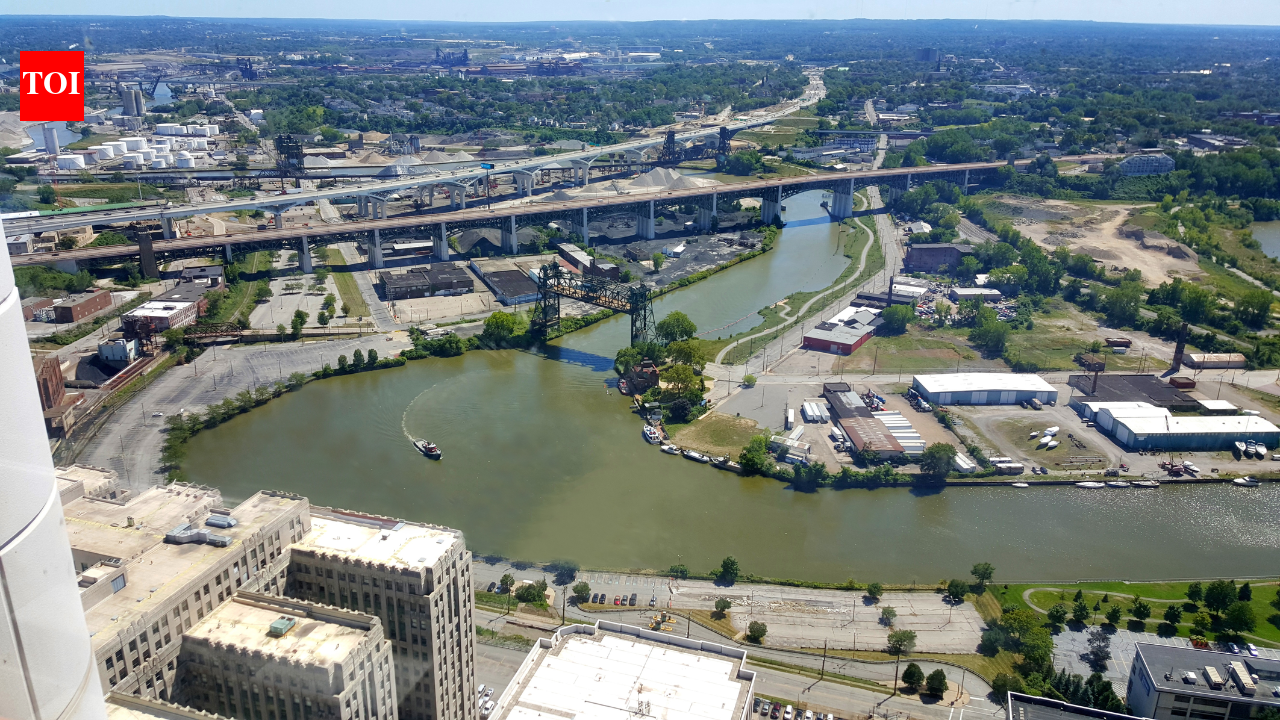
In 2020, Ohio removed a dam from the once-polluted Cuyahoga River; it reopened 39 km of habitat, and scientists later detected 15 additional fish taxa

In 2020, Ohio removed a dam from the once-polluted Cuyahoga River; it reopened 39 km of habitat, and scientists later detected 15 additional fish taxa

An 18-metre concrete dam on Ohio’s Cuyahoga River once stopped migrating fish from reaching important spawning areas for more than a century. Today, aquatic life is quickly returning to the river. Researchers from the US Geological Survey, working with state biological agencies, have released new long-term monitoring data showing a major ecological recovery. After the … Read more