Meet Aditi Paudel, a 17-year-old high school student appointed as Japan’s first literacy ambassador

Meet Aditi Paudel, a 17-year-old high school student appointed as Japan's first literacy ambassador

Born in Japan, and raised in Nepal during her early childhood, Aditi Paudel had always shown an affinity towards reading. Her earliest memory of reading is of her grandfather handing her a newspaper filled with intricate Devanagari script when she was still in preschool. But to the surprise of those around her, she was still … Read more

Researchers analysing hardened plaque from eight people buried in Edo-era Osaka detected 38 dietary proteins, including luxury red sea bream and cold-water fish imported through Japan’s shipping networks

Researchers analysing hardened plaque from eight people buried in Edo-era Osaka detected 38 dietary proteins, including luxury red sea bream and cold-water fish imported through Japan’s shipping networks

Nearly 400 years ago, people living in Osaka had no refrigerators, supermarkets or modern food supply chains. Yet an unusual scientific discovery suggests that their diets were far more varied than expected. Researchers analysing hardened dental plaque from eight people buried at the Umeda cemetery in Osaka identified 38 dietary proteins from 17 types of … Read more

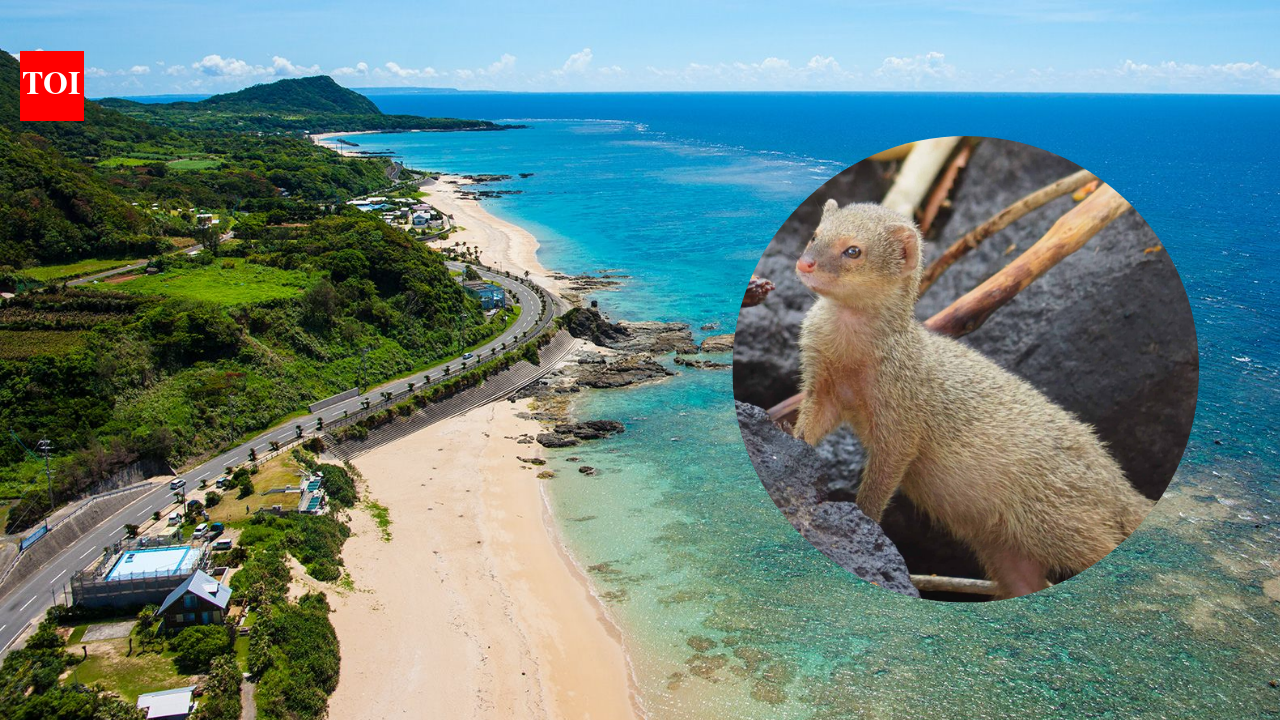
In 1979, about 30 mongooses were released on Japan’s Amami Oshima to control habu snakes; their population later grew to roughly 10,000 and threatened rare wildlife, but after decades of trapping Japan declared them eradicated in 2024

In 1979, about 30 mongooses were released on Japan’s Amami Oshima to control habu snakes; their population later grew to roughly 10,000 and threatened rare wildlife, but after decades of trapping Japan declared them eradicated in 2024

In 1979, about 30 mongooses were released on Japan’s Amami Oshima to control habu snakes Japan has officially declared the successful eradication of the invasive small Indian mongoose on Amami Oshima, ending a decades-long ecological crisis on the UNESCO World Heritage-listed island. According to an official announcement from Japan’s ministry of the environment, expert panels … Read more

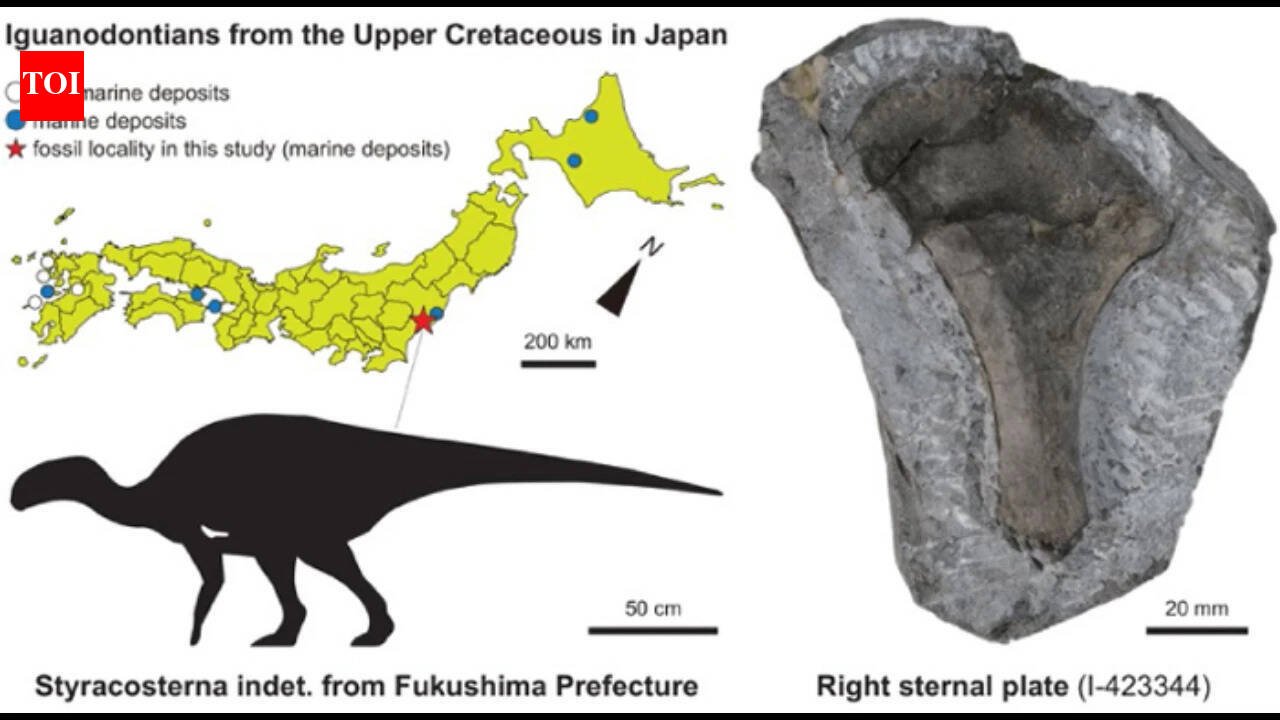
In 1999, a dinosaur bone was found on Japan’s Fukushima coast and left unstudied; in 2026, scientists identified it belonged to a 3-metre iguanodontian that lived 90 million years ago

In 1999, a dinosaur bone was found on Japan’s Fukushima coast and left unstudied; in 2026, scientists identified it belonged to a 3-metre iguanodontian that lived 90 million years ago

Photo credit: Jstage.jst.go.jp A small dinosaur bone discovered in Fukushima, Japan, more than two decades ago has given scientists a new glimpse into the diversity of ancient life along East Asia’s coast.The fossil, found in 1999 and left largely unexamined for years, has now been identified as part of the breastbone of a plant-eating dinosaur … Read more