In 2021, scientists released fluorescent dye 1,870 metres deep in the North Atlantic; tracking it revealed canyon water rising about 100 metres a day, around 10,000 times the global average
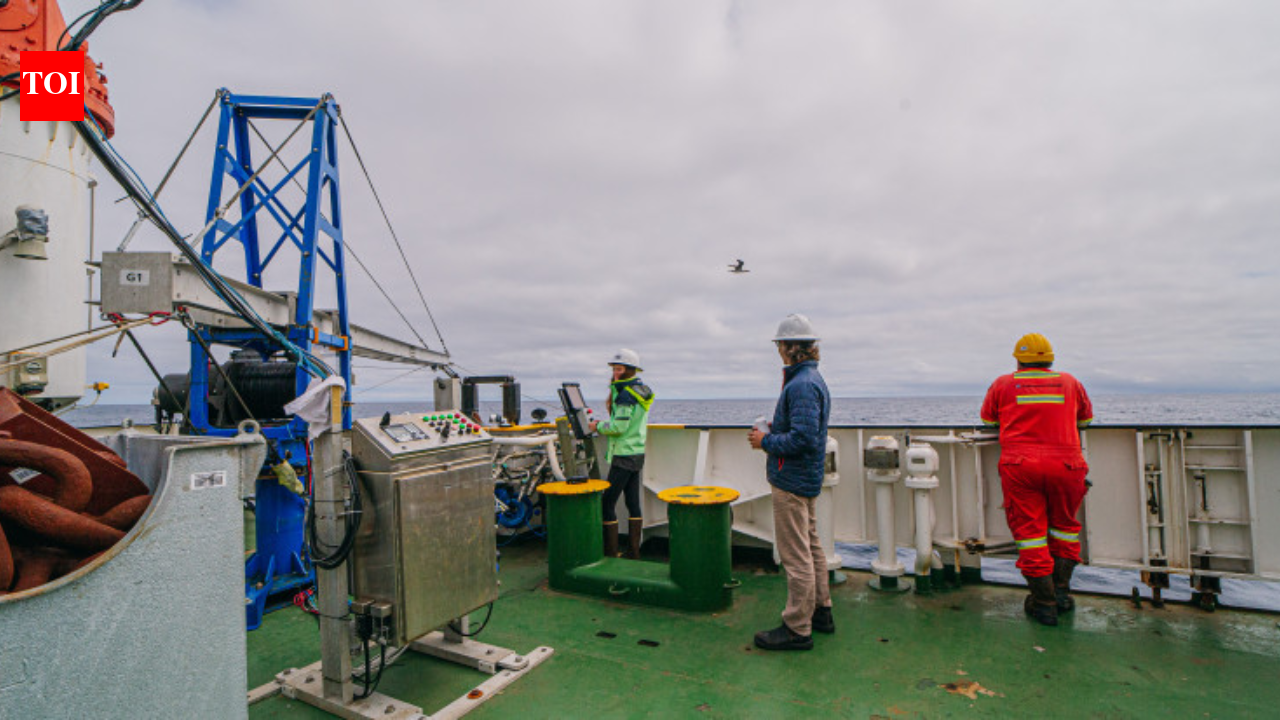
In 2021, scientists released fluorescent dye 1,870 metres deep in the North Atlantic; tracking it revealed canyon water rising about 100 metres a day, around 10,000 times the global average

A fluorescent green dye released nearly 1,870 metres below the surface of the North Atlantic has helped scientists directly observe a long-suspected movement of deep ocean water, and the water was rising far faster at the study site than the global average previously estimated.In an experiment conducted in 2021, researchers released about 55 gallons of … Read more
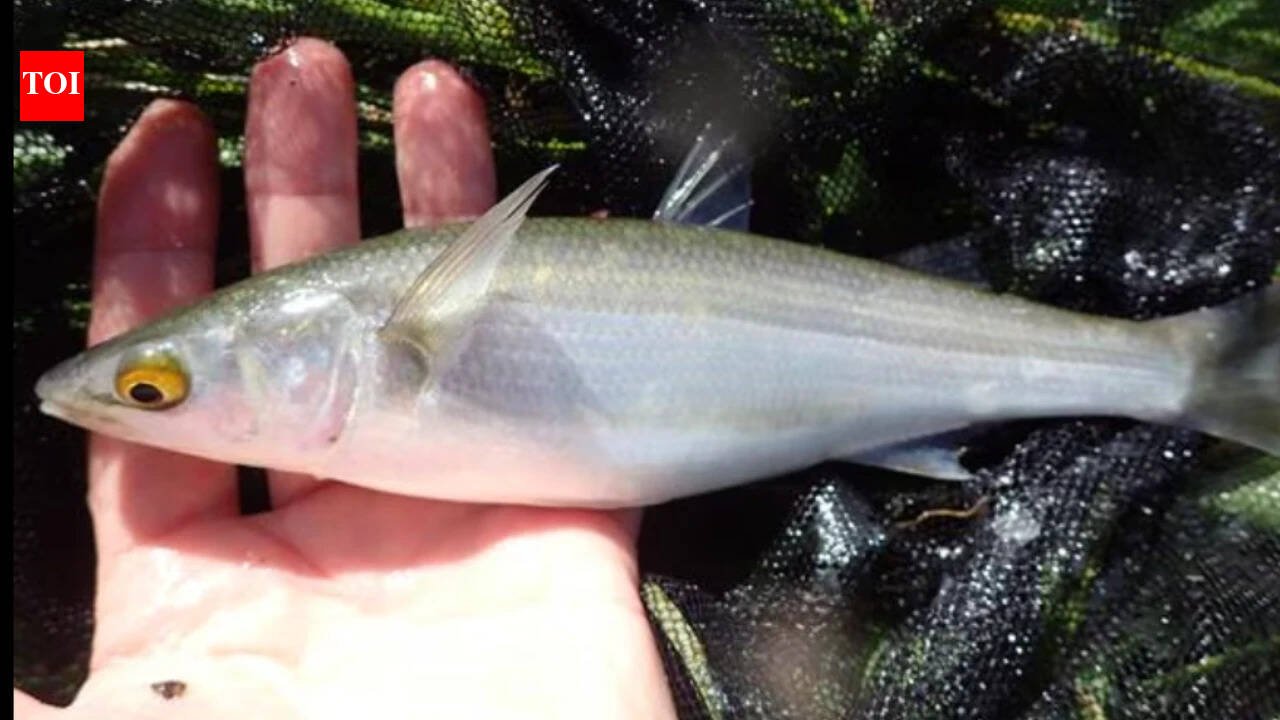
In 2020, Tasmania treated invasive rice grass in Duck Bay; three years later, fish species had more than doubled from 5 to 11 and average catches rose from about 2 to 45 per net

In 2020, Tasmania treated invasive rice grass in Duck Bay; three years later, fish species had more than doubled from 5 to 11 and average catches rose from about 2 to 45 per net

Among the species benefiting from the restoration are yellow-eye mullet. A major effort to remove invasive rice grass from Tasmania’s Duck Bay is showing major signs of recovery, with native vegetation returning and the number of fish species rising from five to 11. The changes came within just two to three years of the weed … Read more

In 2019, a Norfolk farm began giving 500 acres of marginal farmland back to nature; three years later, average plant diversity had doubled and ex-arable plots rose from 7 to 32 species

In 2019, a Norfolk farm began giving 500 acres of marginal farmland back to nature; three years later, average plant diversity had doubled and ex-arable plots rose from 7 to 32 species

When Wild Ken Hill, a coastal farm in Norfolk, began transforming 500 acres of poor, marginal farmland in 2019, the aim was to let nature recover with as little intervention as possible. Three years later, a repeat vegetation survey found that the average number of plant species in open parts of the rewilding area had … Read more

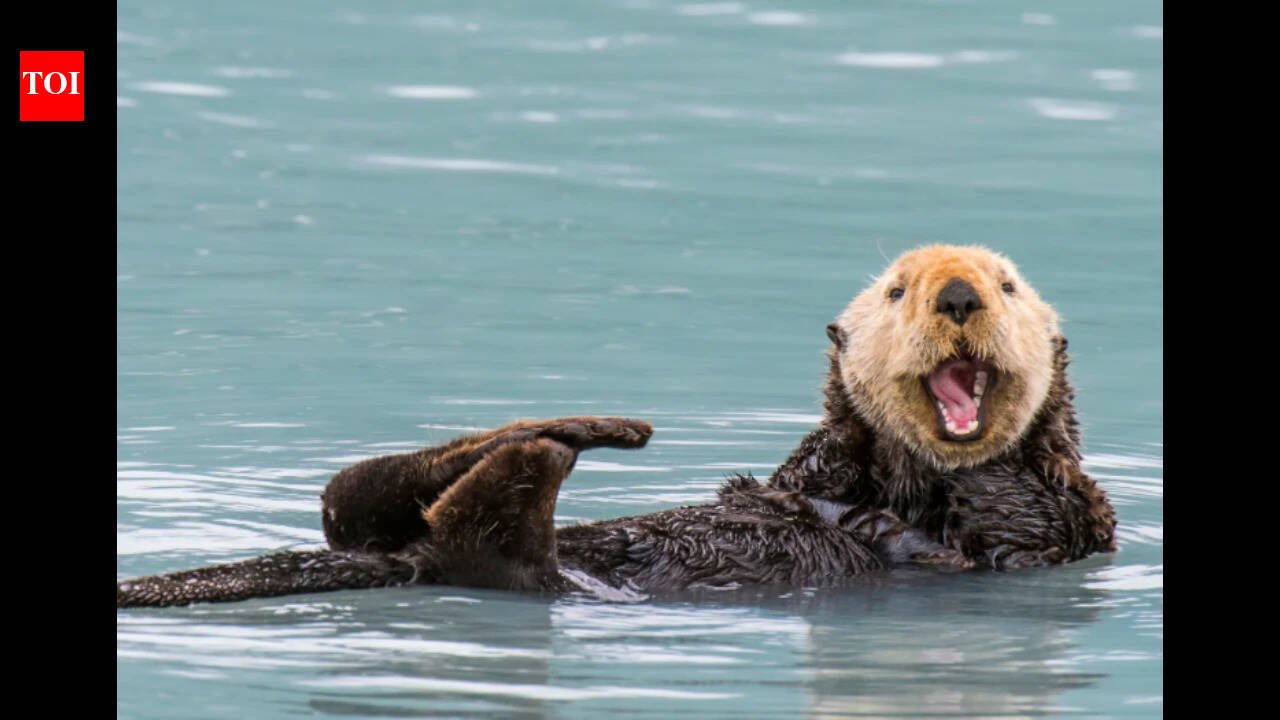
Sea otters returned to a polluted California estuary in 1984; eelgrass expanded 600%, while marsh-edge erosion later slowed by 69% on average

Sea otters returned to a polluted California estuary in 1984; eelgrass expanded 600%, while marsh-edge erosion later slowed by 69% on average

Sea otters returned to California’s Elkhorn Slough in 1984 when pollution had severely affected its ecosystem. When sea otters returned to California’s Elkhorn Slough in 1984, the estuary was already facing severe environmental pressure. The coastal wetland had high nutrient levels linked to its agriculture-dominated watershed, while eelgrass had fallen to an all-time low of … Read more

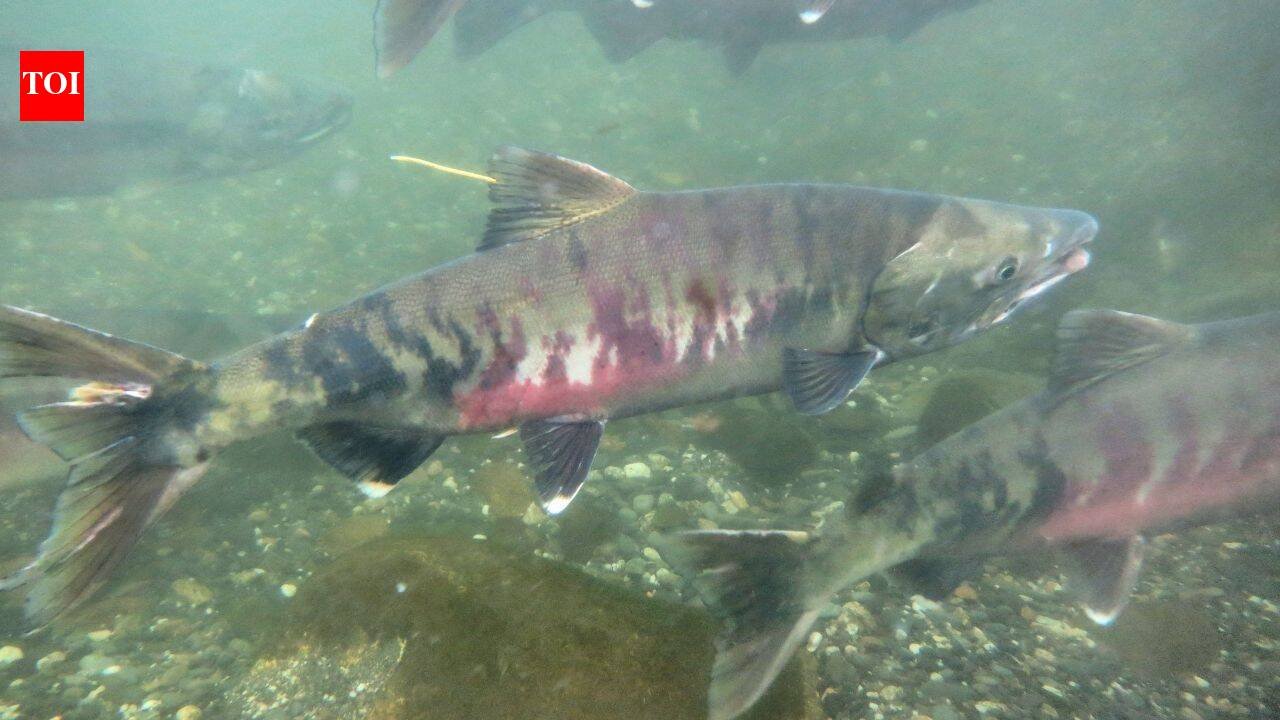
In the early 1990s, fewer than 1,000 threatened chum salmon returned to this Washington watershed; recent returns average 32,600 a year as a $9.7 million river restoration nears completion

In the early 1990s, fewer than 1,000 threatened chum salmon returned to this Washington watershed; recent returns average 32,600 a year as a $9.7 million river restoration nears completion

chum salmon Representative image In the early 1990s, fewer than 1,000 threatened summer-run chum salmon made it back to the Big Quilcene River on Washington’s Olympic Peninsula each year. Decades of logging, road building and habitat degradation had left the river choked with sediment, its gravel spawning beds buried and its side channels disconnected. Today, … Read more