By 1950, fewer than 30 nēnē remained wild in Hawaii; captive breeding helped the population reach 3,862 by 2022
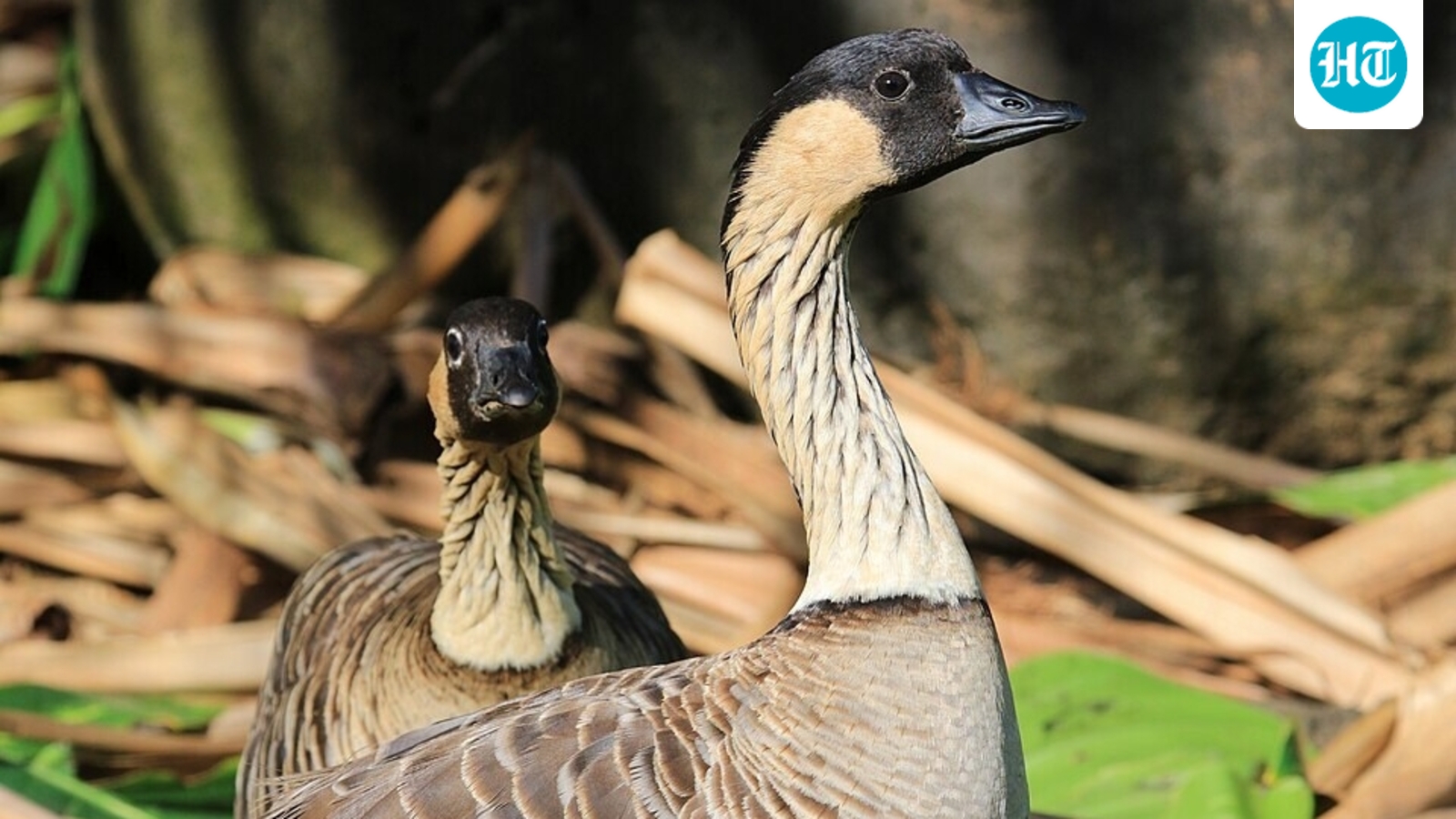
Nēnē geese on Kauai, where 2,430 of the state’s estimated 3,862 nēnē were counted in 2022. (Wikimedia Commons)

Most of us would probably walk past a goose without a second glance. But one goose in Hawaii went from thousands to the brink of extinction and back to thousands again. The state bird of Hawaii is the nēnē. According to a feature story from the U.S. Fish and Wildlife Service, by 1950, only 30 … Read more
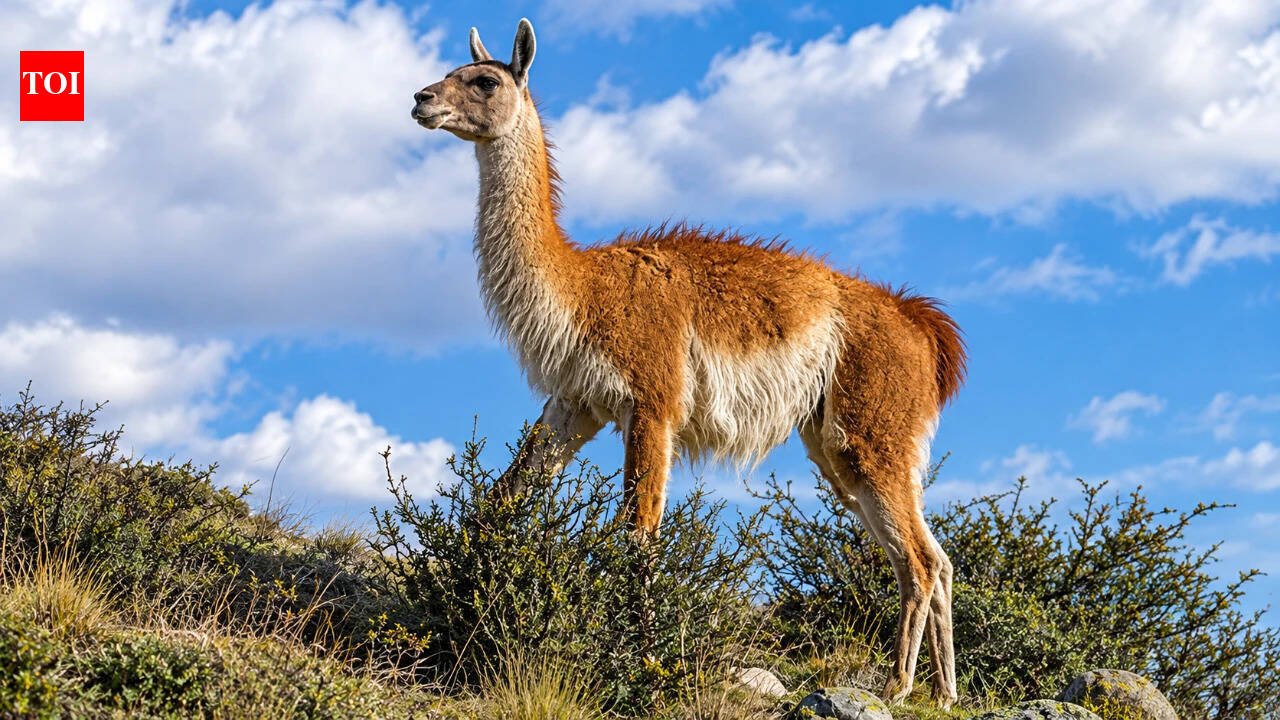
15 guanacos were taken to a remote Falklands island in the 1930s; their descendants kept their genetic diversity through two severe population crashes

15 guanacos were taken to a remote Falklands island in the 1930s; their descendants kept their genetic diversity through two severe population crashes

In the late 1930s, a small group of guanacos, native South American camelids, was shipped from southern Patagonia to Staats Island, a remote, treeless Falklands island. Only fifteen animals founded the entire herd. Roughly twenty-five years later, a cull reduced it from about 300 animals to between 10 and 20. Such a herd would be … Read more

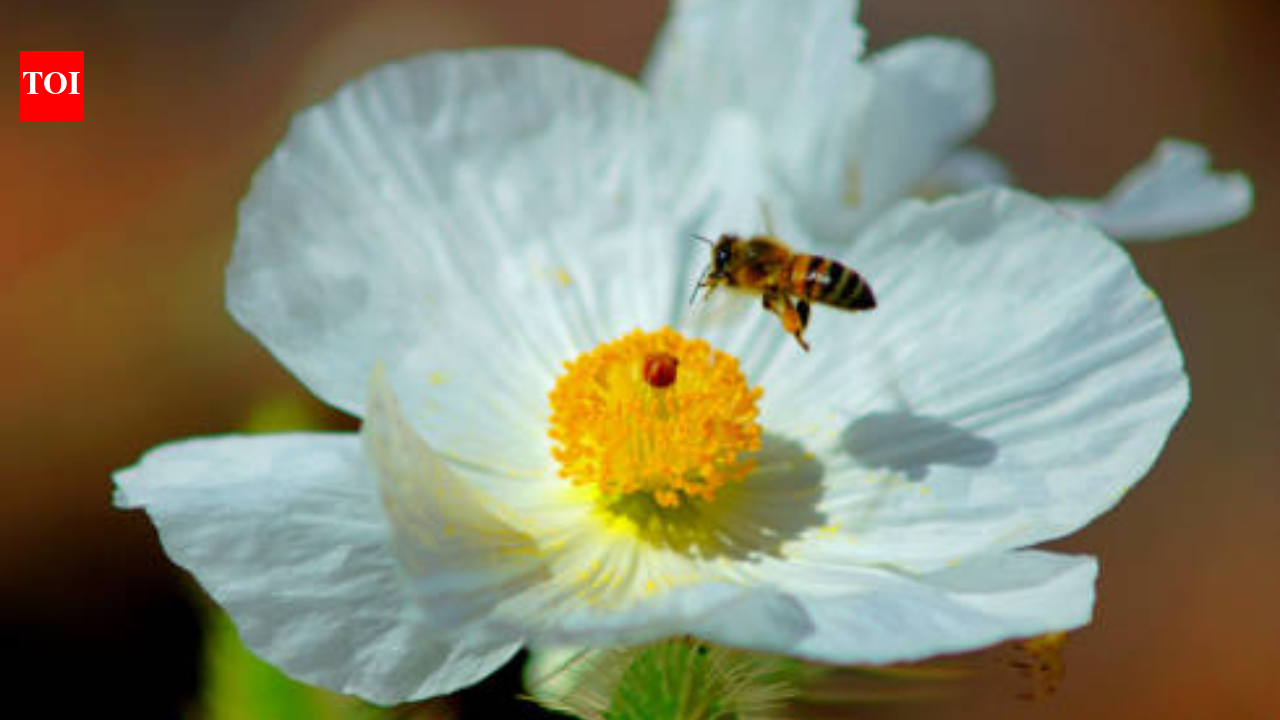
US biologists searching the Mojave Desert found six previously unknown Mojave poppy bee population groups; the new evidence helped determine the tiny specialist bee does not need endangered-species listing

US biologists searching the Mojave Desert found six previously unknown Mojave poppy bee population groups; the new evidence helped determine the tiny specialist bee does not need endangered-species listing

US biologists searching the Mojave Desert have discovered six previously unknown population groups of the Mojave poppy bee, giving scientists a broader picture of the tiny insect’s distribution and helping the US Fish and Wildlife Service conclude that the species does not currently require protection under the Endangered Species Act, the agency said in an … Read more

Australia ageing population crisis report sparks migration debate

Australia ageing population crisis report sparks migration debate

People take photos of the Sydney Opera House in Sydney, Australia. (Photo: Reuters) For the first time in the 2060s, deaths are projected to outnumber births in Australia, while annual population growth is expected to average 0.9% over the next four decades. Lower fertility and declining net overseas migration are expected to contribute to the … Read more

Iberian lynx fell to just 62 mature animals in 2001; conservation has helped push its population above 2,000

Iberian lynx fell to just 62 mature animals in 2001; conservation has helped push its population above 2,000

For much of the 20th century, the Iberian lynx was disappearing from the Spanish landscape. By 2001, only 62 mature animals were recorded, leaving one of Europe’s most distinctive wild cats perilously close to extinction. Since then, a sustained conservation programme has altered its trajectory. Reintroductions, captive breeding, habitat restoration and efforts to protect its … Read more

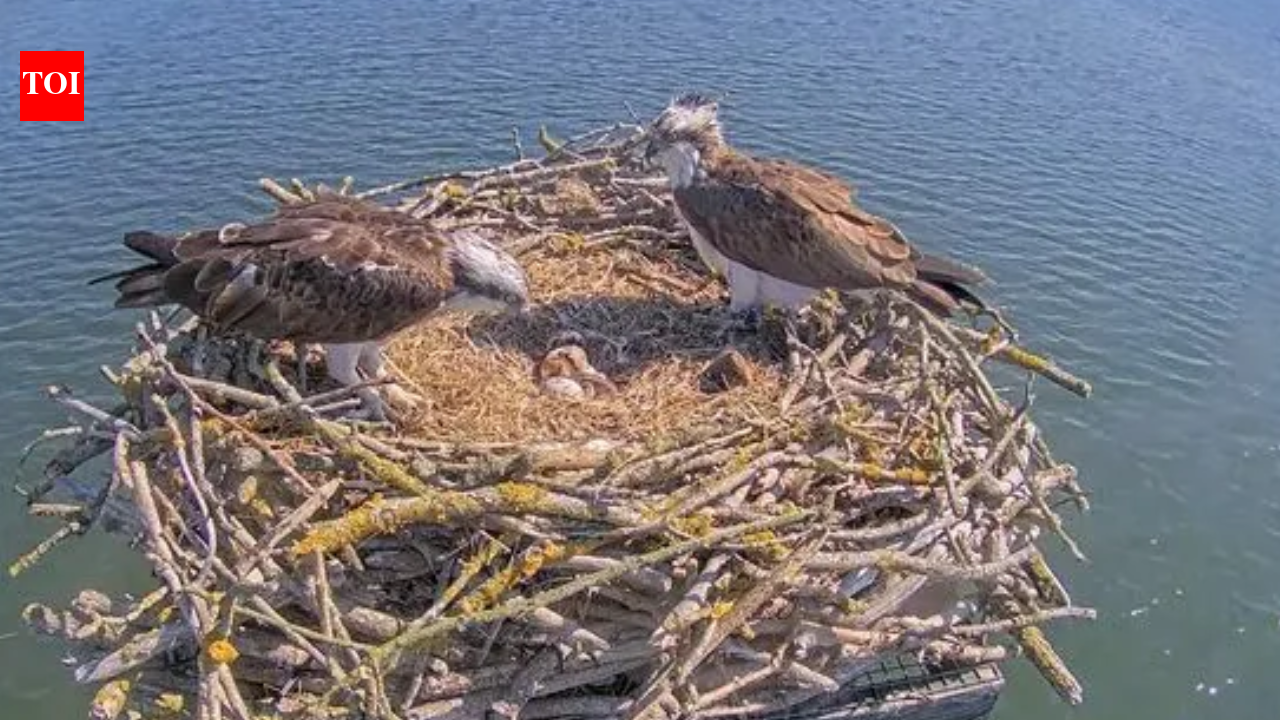
In 1996, England began moving Scottish osprey chicks to Rutland after the species vanished as a breeder in 1847; 30 years later, 300 have fledged and the population is self-sustaining

In 1996, England began moving Scottish osprey chicks to Rutland after the species vanished as a breeder in 1847; 30 years later, 300 have fledged and the population is self-sustaining

Thirty years ago, conservationists began an experiment at Rutland Water that was intended to bring a vanished bird back to England. Three decades later, the osprey has not only returned, it is breeding, spreading and producing new generations without the need for further translocations. According to the Leicestershire and Rutland Wildlife Trust (LRWT), which runs … Read more

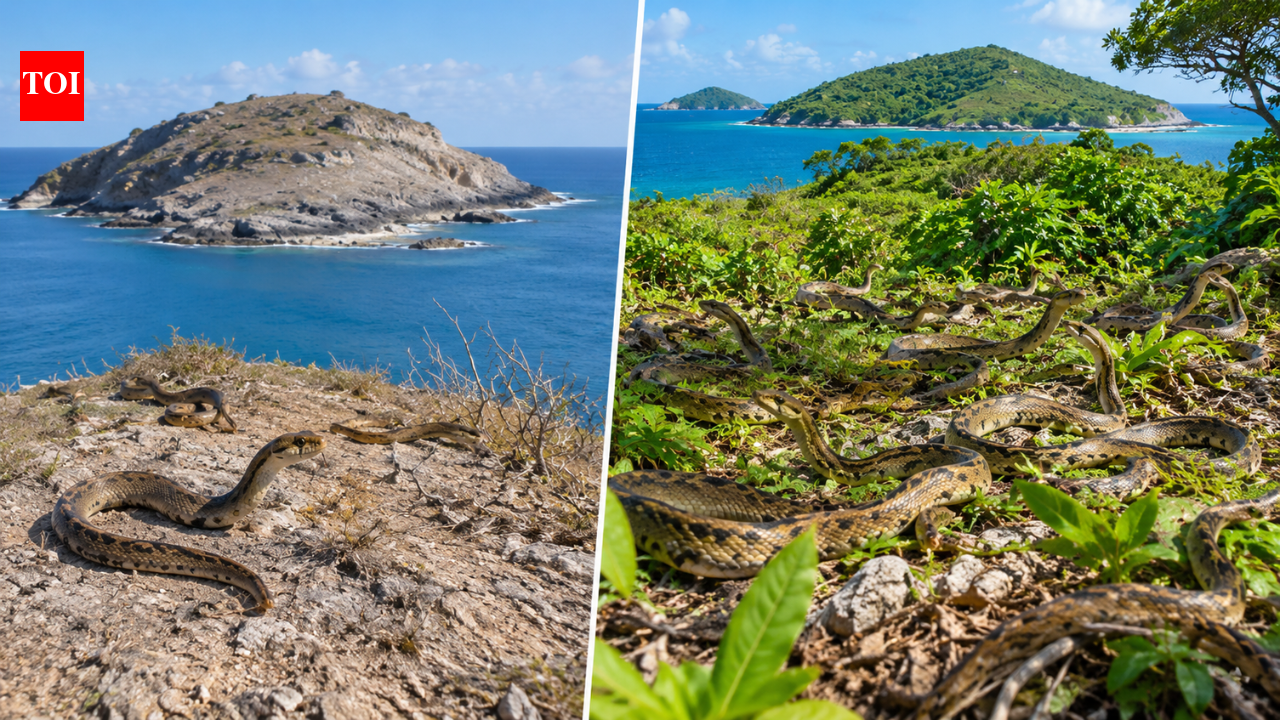
In 1995, just 51 rare snakes survived on one tiny Caribbean island; 21 years later their population topped 1,100

In 1995, just 51 rare snakes survived on one tiny Caribbean island; 21 years later their population topped 1,100

In 1995, the Antiguan racer was perilously close to disappearing from the wild. Just 51 of these rare Caribbean snakes were estimated to survive, all confined to tiny Great Bird Island off the coast of Antigua. The species had little room to recover. Yet what followed became an extraordinary conservation turnaround. Over the next 21 … Read more

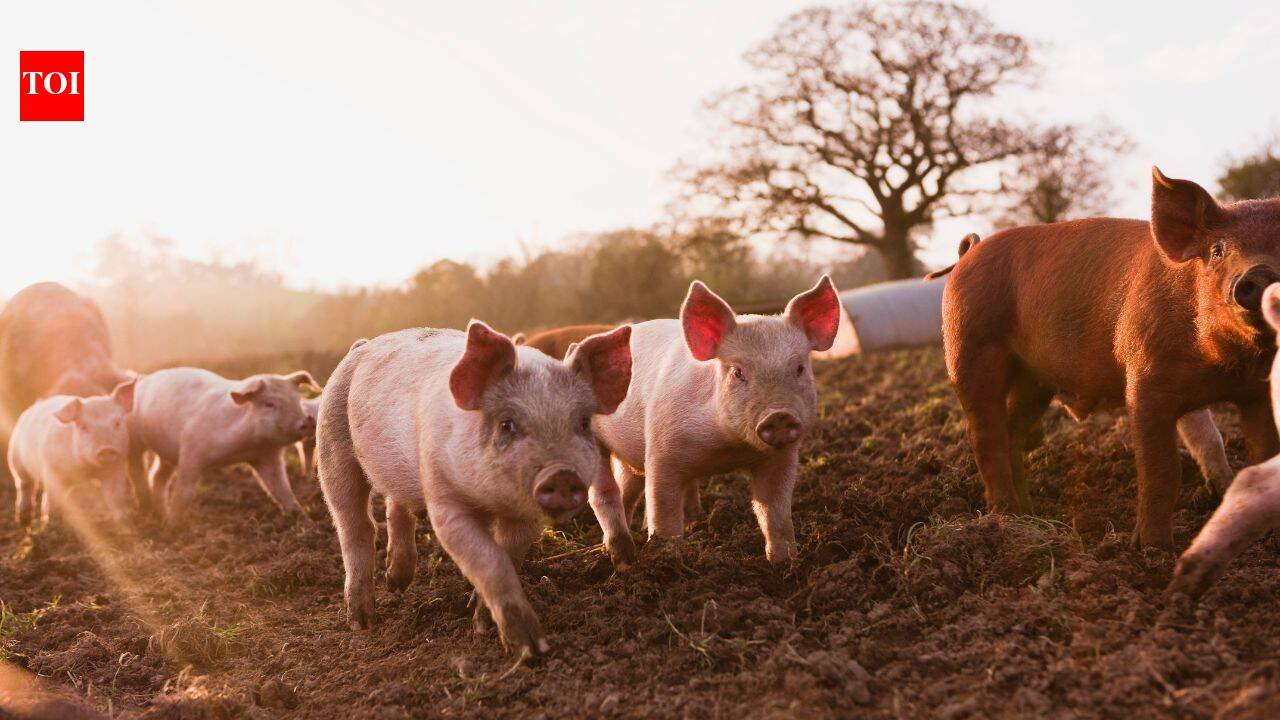
In 1807, pigs were released on New Zealand’s Auckland Islands as food for castaways; 192 years later, 17 were rescued before the feral population was eradicated

In 1807, pigs were released on New Zealand's Auckland Islands as food for castaways; 192 years later, 17 were rescued before the feral population was eradicated

On a remote, windswept archipelago far south of New Zealand, a small herd of pigs lived out more than two centuries as one of the world’s most isolated feral populations. Their ancestors were left on the Auckland Islands in 1807, released by sailors as a living food store for any shipwrecked castaways who might one … Read more

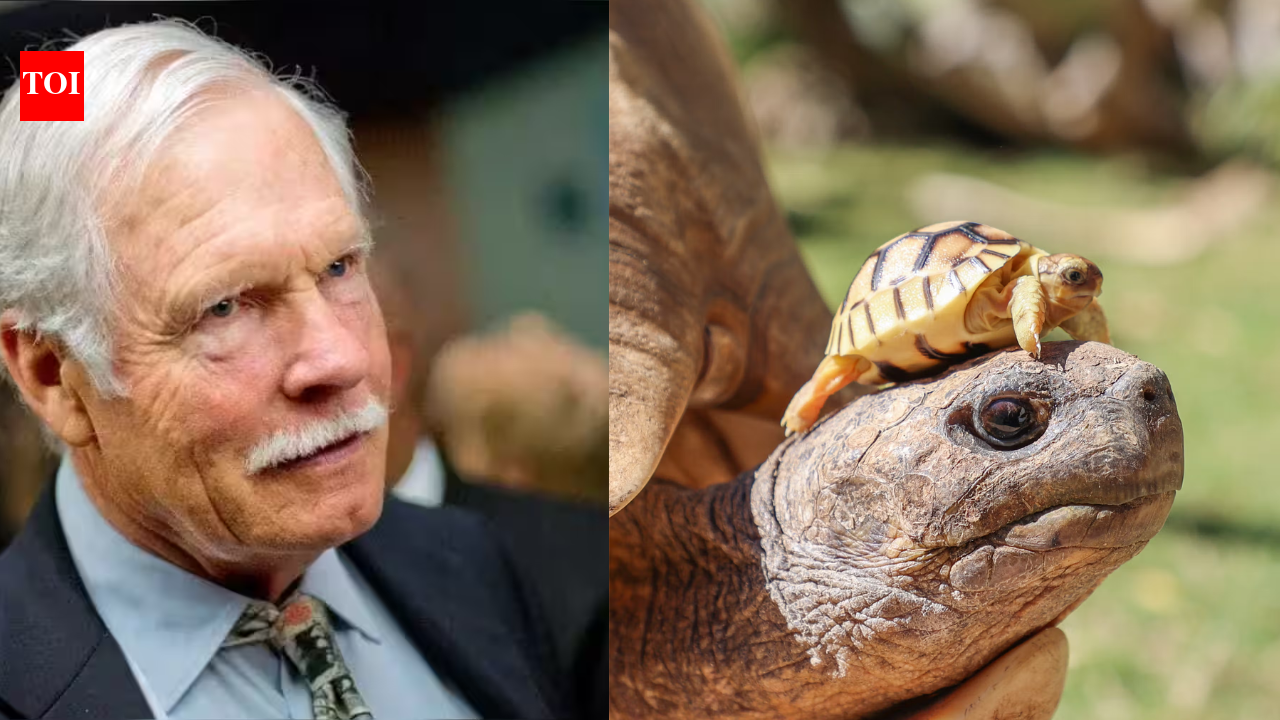
CNN founder Ted Turner’s New Mexico ranch helped save North America’s rarest large tortoise, growing its population from 30 to about 800

CNN founder Ted Turner’s New Mexico ranch helped save North America’s rarest large tortoise, growing its population from 30 to about 800

For thousands of years, the Bolson tortoise had been missing from the grasslands of New Mexico. Then a private ranch offered the species something it had not had in generations: space to start again. What began with just 30 captive tortoises grew into a population of roughly 800 through a long-running conservation effort backed by … Read more

Once hunted to near extinction, Brazil’s humpback whales make a stunning comeback, population surges from just 2,000 to nearly 35,000 in two decades

Once hunted to near extinction, Brazil’s humpback whales make a stunning comeback, population surges from just 2,000 to nearly 35,000 in two decades

A humpback whale breaches off the coast of Rio de Janeiro, Brazil. (AP photo) Humpback whales are returning in large numbers to Brazil’s coast after being pushed close to extinction by commercial whaling. Their population in the South Atlantic has risen from about 2,000 to around 35,000 in roughly 40 years, bringing the species close … Read more