In 2017, Dubuque turned recycled plastic equal to about 67,000 water bottles into 14 floating islands; the 2,674-sq-ft system now adds plant, fish and bird habitat to Bee Branch Creek

In 2017, Dubuque turned recycled plastic equal to about 67,000 water bottles into 14 floating islands; the 2,674-sq-ft system now adds plant, fish and bird habitat to Bee Branch Creek

There are 14 islands totaling 2,674 square feet. Each island is a miniature replica of the natural archipelagos of the Mississippi River. Before the islands were placed in the creek, four prototype designs in a variety of shapes and sizes were developed. Sometimes the answer for a city that has fought floodwaters for years isn’t … Read more

In 2025, two boys aged 14 and 12 were dropped at a Michigan man’s home; he kept them together despite no running water and a power cutoff, and strangers have now raised $18,506

In 2025, two boys aged 14 and 12 were dropped at a Michigan man’s home; he kept them together despite no running water and a power cutoff, and strangers have now raised $18,506

Restifo continued working through the obstacles while trying to make sure the boys had a roof over their heads and remained together. Sometimes, a family begins in the most unexpected way. For Sam Restifo, it started in February 2025 when two boys, then 14 and 12, were dropped at his home in Saginaw, Michigan, by … Read more

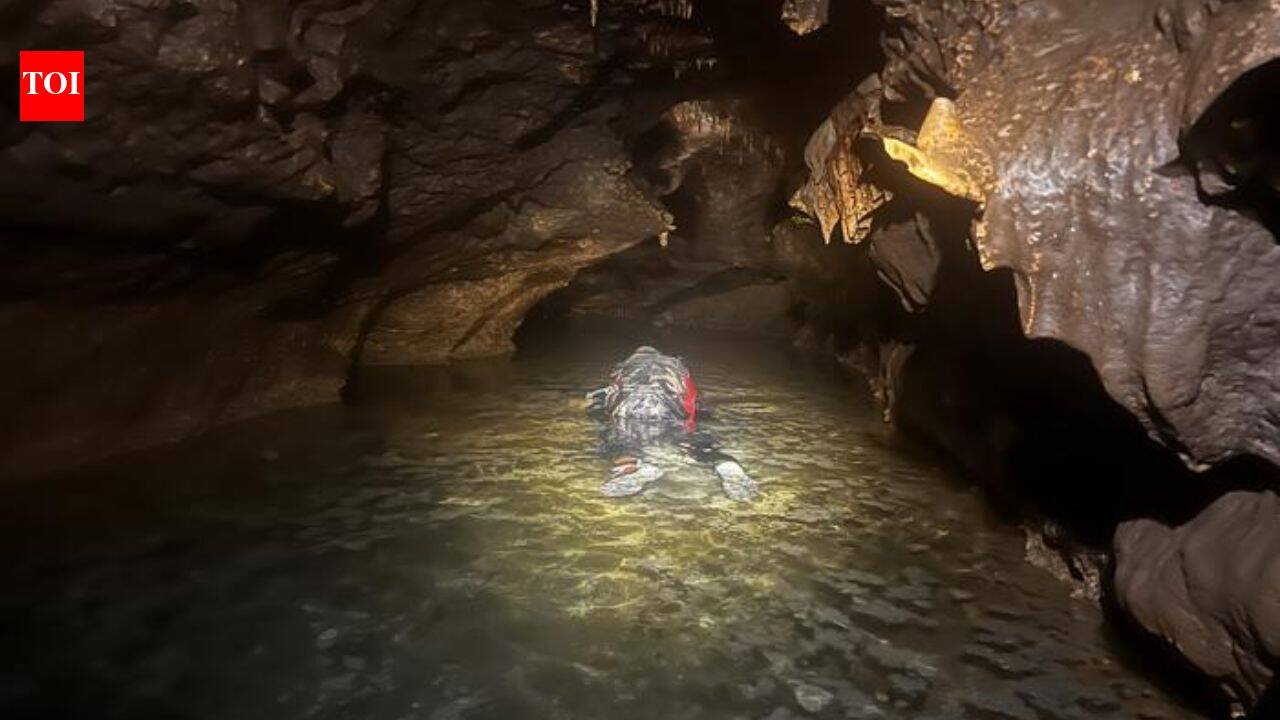
Meet John Moretti: The Texas palaeontologist who put on a wetsuit to search an underwater cave and found Ice Age animals beneath the water

Meet John Moretti: The Texas palaeontologist who put on a wetsuit to search an underwater cave and found Ice Age animals beneath the water

Paleontologist John Moretti (left) and caver John Young after exploring Bender’s Cave. Image Credit: John Moretti The discovery beneath Bender’s Cave in central Texas began in an underground stream where fossils lay hidden beneath the water. John A. Moretti, a palaeontologist at the University of Texas in Austin, and caver John Young investigated bones preserved … Read more

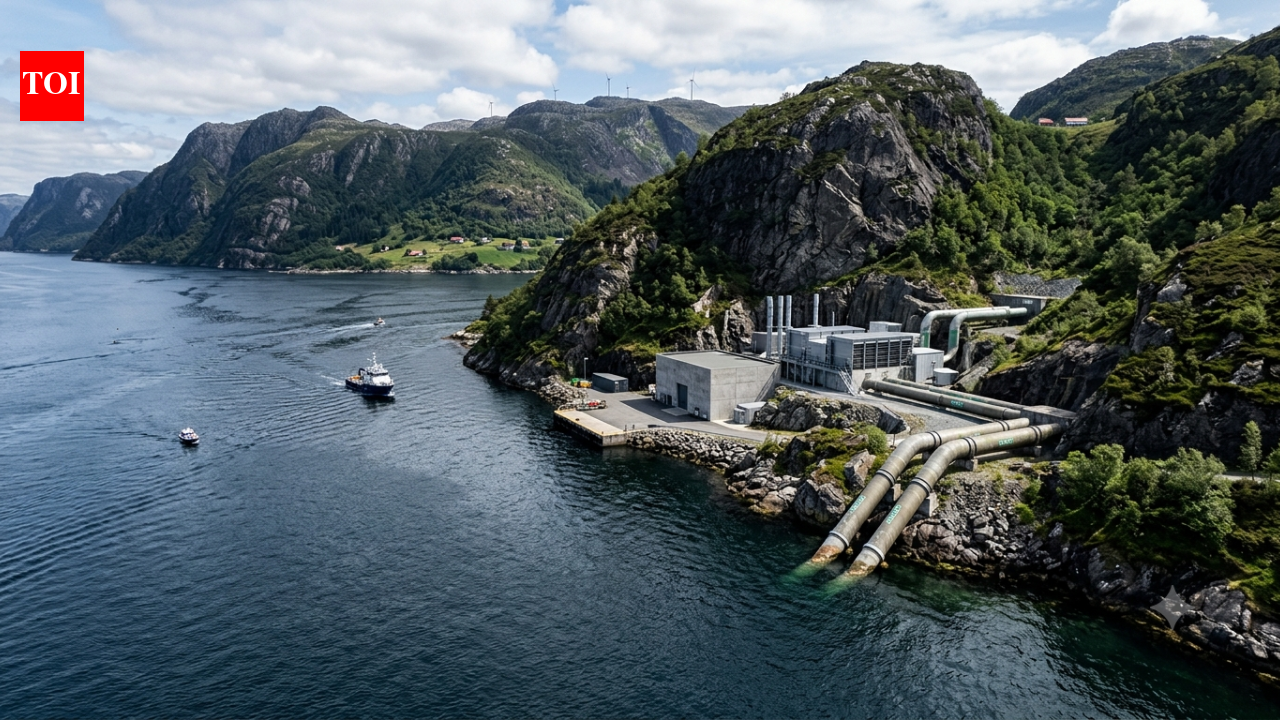
Norway’s Green Mountain data centre uses 8°C fjord water to cool its servers, turning a naturally cold resource into free refrigeration

Norway’s Green Mountain data centre uses 8°C fjord water to cool its servers, turning a naturally cold resource into free refrigeration

A data centre quietly produces heat every second it is operating. Behind the walls, rows of servers process data continuously, turning large amounts of electricity into computing power and, inevitably, excess heat. That heat has to be removed to keep the equipment within safe operating temperatures, adding significantly to the facility’s energy demand. Green Mountain … Read more

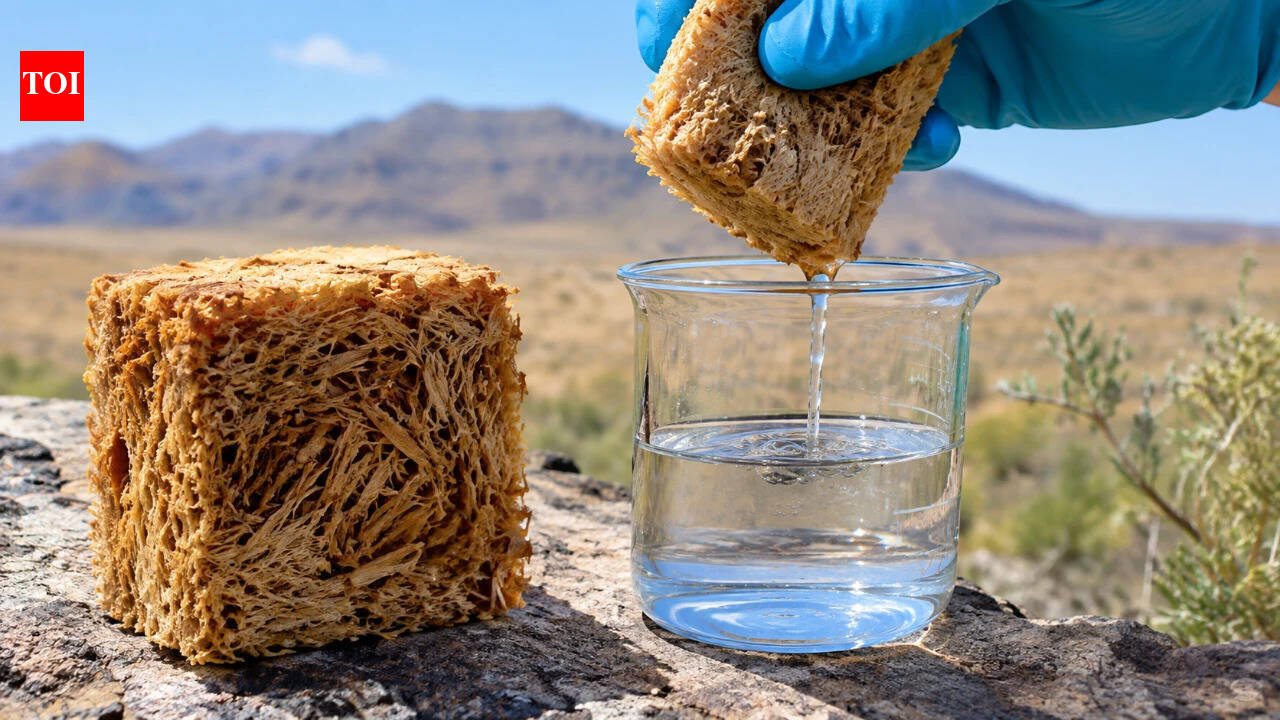
Scientists built a wood-based sponge that pulls water from air as dry as 15% humidity; it produced up to 1.72 litres per kg per day

Scientists built a wood-based sponge that pulls water from air as dry as 15% humidity; it produced up to 1.72 litres per kg per day

Image: AI-generated representation of a wood-based sponge that pulls water from air as dry as 15% humidity Water vapour is present almost everywhere, even in places where rivers, lakes and groundwater are scarce. The challenge has always been turning that invisible moisture into usable freshwater efficiently enough to make atmospheric water harvesting practical. Now, researchers … Read more

Meet Nithya Tammana: The 11-year-old New Jersey inventor who built a sub-$38 moss filter that can remove up to 95% of lead from drinking water

Meet Nithya Tammana: The 11-year-old New Jersey inventor who built a sub-$38 moss filter that can remove up to 95% of lead from drinking water

Photo credit: actionfornature.org When Nithya Tammana learned that lead could enter drinking water through old pipes and plumbing fixtures, she did not treat the problem as someone else’s responsibility. The New Jersey student began researching affordable ways to make contaminated water safer, eventually focusing on a humble material often found growing on rocks, trees and … Read more

Scientists found a surprising use for apple waste. It removed up to 100% of toxic lead from water in lab tests

Scientists found a surprising use for apple waste. It removed up to 100% of toxic lead from water in lab tests

Lead contamination in water is being studied through different approaches, including the use of waste materials that can help remove metal ions from water. Apple pomace, the residue left after juice production, was among the waste materials researchers examined for its ability to remove lead ions from water in laboratory experiments.Researchers compared untreated raw apple … Read more

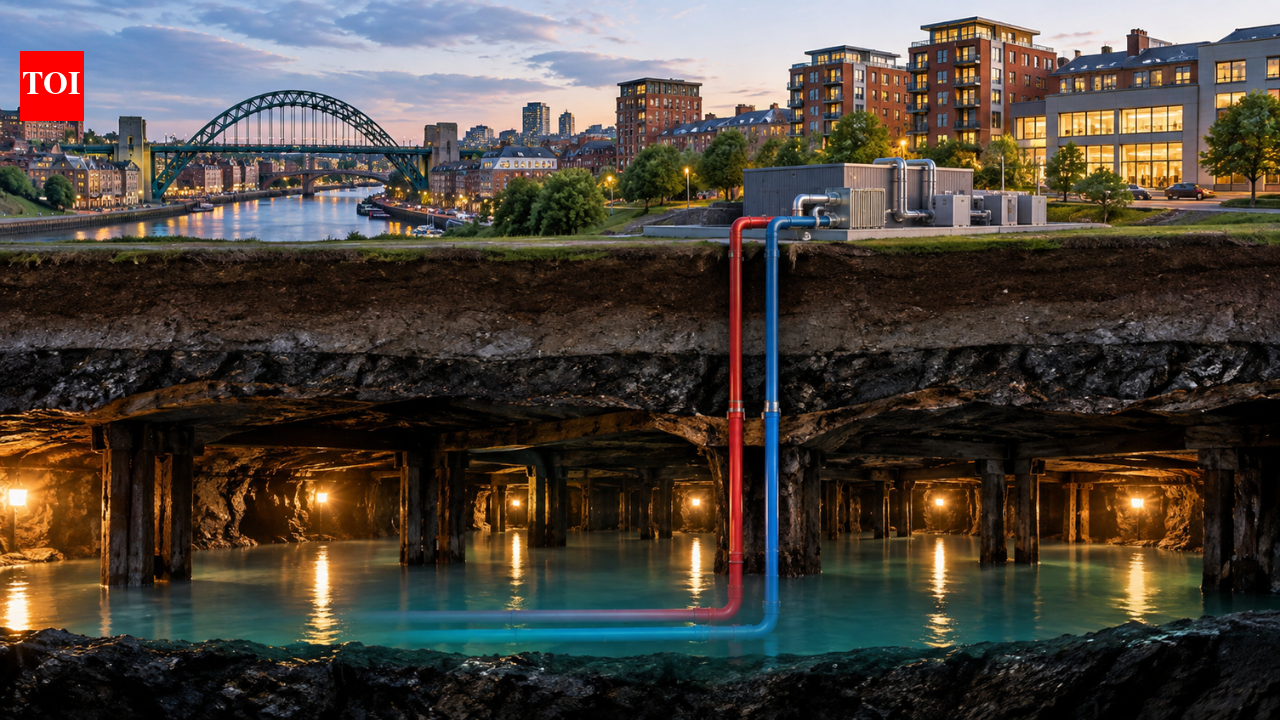
In Gateshead, water trapped 150 metres below the city in abandoned coal mines now heats 350 homes and public buildings

In Gateshead, water trapped 150 metres below the city in abandoned coal mines now heats 350 homes and public buildings

Water trapped deep beneath Gateshead is now helping heat hundreds of homes and public buildings, turning former coal mine workings into a source of heat for the city. The water lies around 150 metres below Gateshead town centre, where a 6-megawatt water-source heat pump extracts its heat and feeds it into an existing district heating … Read more

In 2004, Toronto began using cold water from 83 metres beneath Lake Ontario to cool downtown buildings; today the system serves 200 buildings across 40 million sq ft

In 2004, Toronto began using cold water from 83 metres beneath Lake Ontario to cool downtown buildings; today the system serves 200 buildings across 40 million sq ft

Representative Image (AI-generated) Deep beneath the surface of Lake Ontario, a layer of naturally cold water has become an unlikely part of Toronto’s urban infrastructure. Instead of relying entirely on conventional air-conditioning systems to cool its downtown buildings, the Canadian city uses the lake’s cold temperature as a source of cooling energy. According to a … Read more

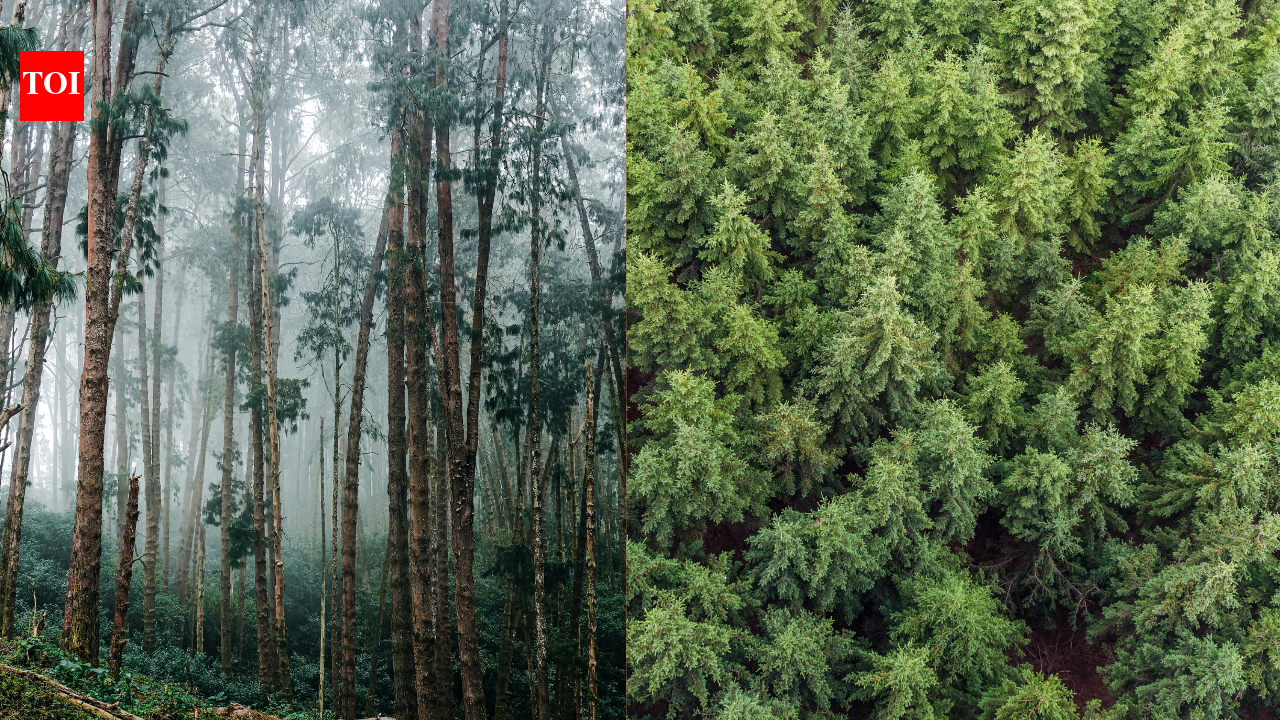
Uruguay planted eucalyptus and pine forests across grasslands; 20 years later, scientists found rivers were carrying much less water

Uruguay planted eucalyptus and pine forests across grasslands; 20 years later, scientists found rivers were carrying much less water

Across Uruguay, large areas of traditional grassland have been converted into managed forests, particularly plantations of fast-growing trees such as eucalyptus and pine. The change can bring economic benefits through timber production, but it also alters how water moves through the landscape. A 20-year paired-watershed study in northern Uruguay provides one of the clearest long-term … Read more