
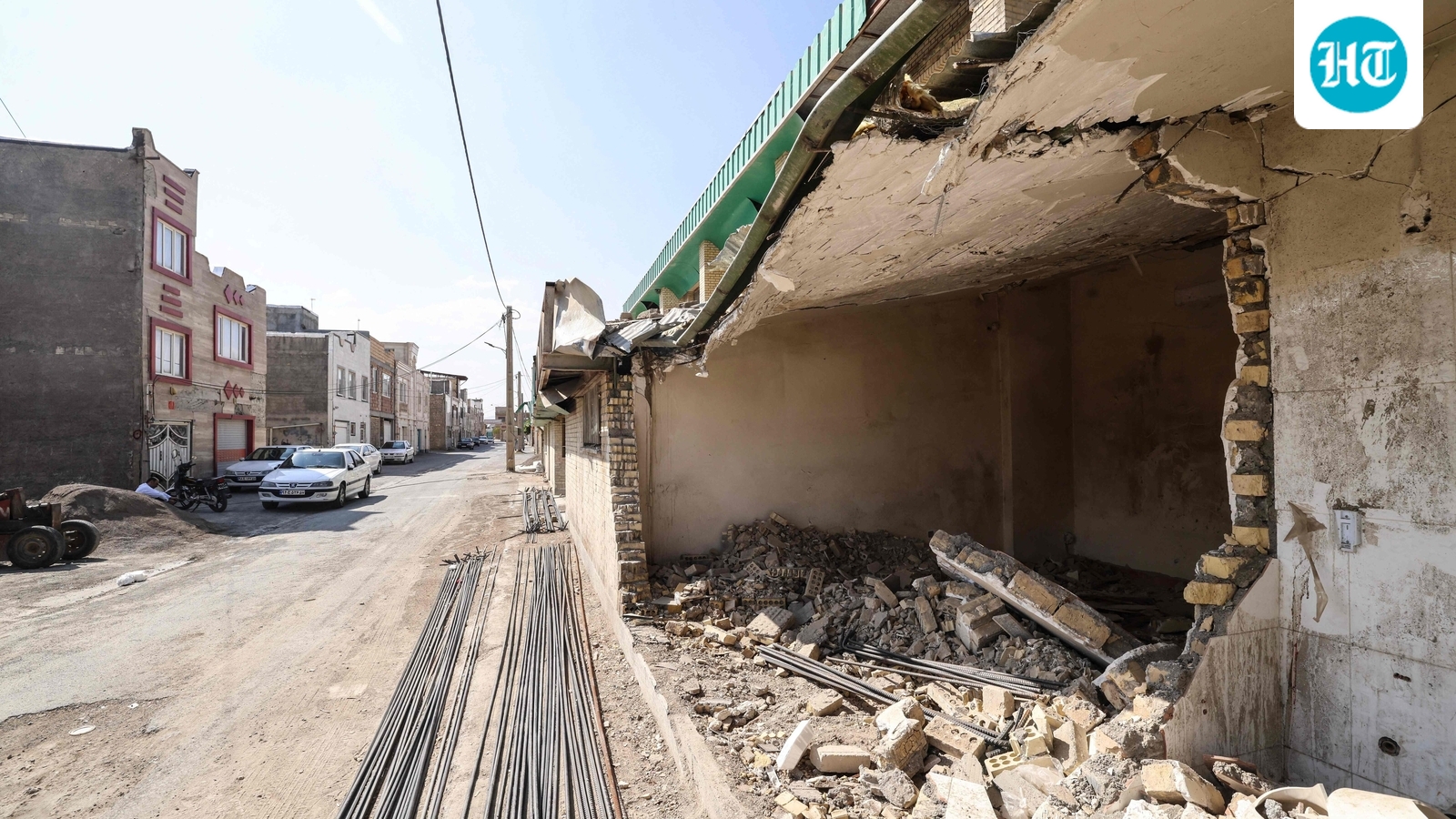
The United States is reportedly considering using its largest non-nuclear bomb against Iran if President Donald Trump orders renewed military operations, bringing the powerful weapon known as the “Mother of All Bombs” into focus.
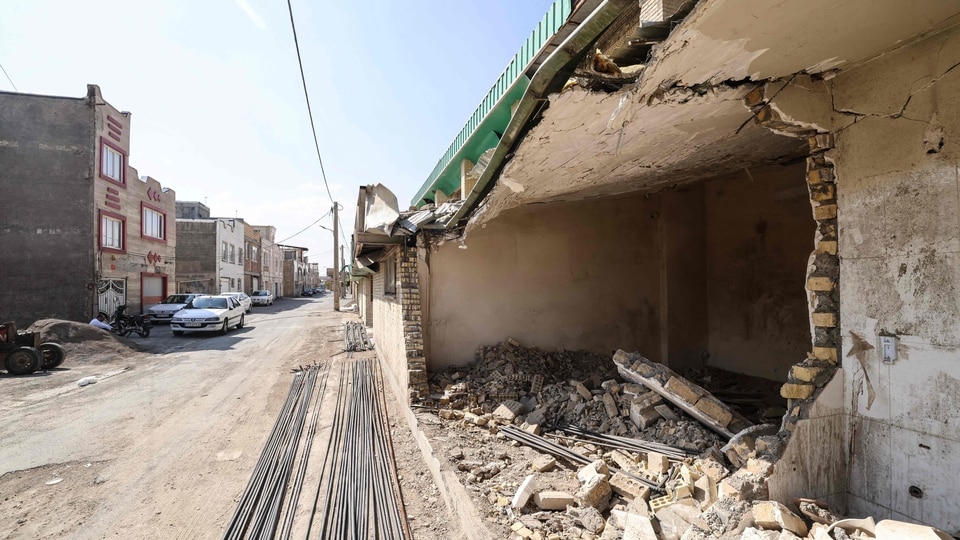
The US military has developed strike plans that could involve the GBU-43/B Massive Ordnance Air Blast (MOAB) bomb against Iranian energy infrastructure and nuclear sites, CNN reported on October 14, citing multiple US officials familiar with the discussions. The report said officials have questioned whether deploying the weapon would achieve Washington’s strategic objectives.
There has been no confirmation that Trump has ordered a MOAB strike on Iran.
What is the ‘Mother of All Bombs’?
MOAB stands for Massive Ordnance Air Blast. The weapon’s nickname, “Mother of All Bombs”, refers to its enormous size and destructive capacity. It is a conventional, high-explosive weapon, not a nuclear bomb.
ALSO READ: US military weighs using ‘mother of all bombs’ against Iran in future strikes: Report
According to the US Air Force Armament Museum Foundation, the bomb weighs approximately 21,600 pounds (9,800 kg), measures about 30 feet (9 meters) long and carries roughly 18,700 pounds of explosive material.
The weapon was developed by the US Air Force Research Laboratory in 2003. It is GPS-guided and designed to attack large surface targets, including exposed positions and cave or tunnel complexes.
Unlike bombs designed to penetrate deep underground before detonating, the MOAB is intended primarily to deliver a massive blast over a broad area.
When did the US first use the MOAB?
The United States first used the bomb in combat on April 13, 2017, against an Islamic State Khorasan Province tunnel complex in Afghanistan’s Nangarhar province.
ALSO READ: Trump launches ‘Super Intelligence Force’: Who is on the team and what is its 120-day deadline?
According to the contemporary account of the operation published by Aviation International News, the strike was intended to target the militant group’s tunnel network and reduce the threat to US and Afghan forces conducting operations in the area.
The Afghanistan strike demonstrated the weapon’s use against a cave-and-tunnel complex. It did not establish that the bomb could destroy every type of underground facility.
Can the MOAB destroy Iran’s nuclear sites?
That remains a key question surrounding the reported US military plans.
Iran’s nuclear infrastructure includes deeply buried and fortified facilities, including the Fordow complex and an under-construction site at Pickaxe Mountain. A large surface-level explosion would not necessarily destroy installations protected by substantial layers of rock and concrete.
CNN’s original report noted that officials familiar with military planning had doubts about the weapon’s effectiveness in achieving the administration’s objectives.
The US also has a specialized bunker-busting weapon, the GBU-57 Massive Ordnance Penetrator, designed to penetrate deeply buried targets before exploding.
The potential use of the MOAB would therefore represent a major escalation, but its destructive power alone would not guarantee the destruction of Iran’s underground nuclear infrastructure or bring the conflict to an end.