In 2020, Tasmania treated invasive rice grass in Duck Bay; three years later, fish species had more than doubled from 5 to 11 and average catches rose from about 2 to 45 per net
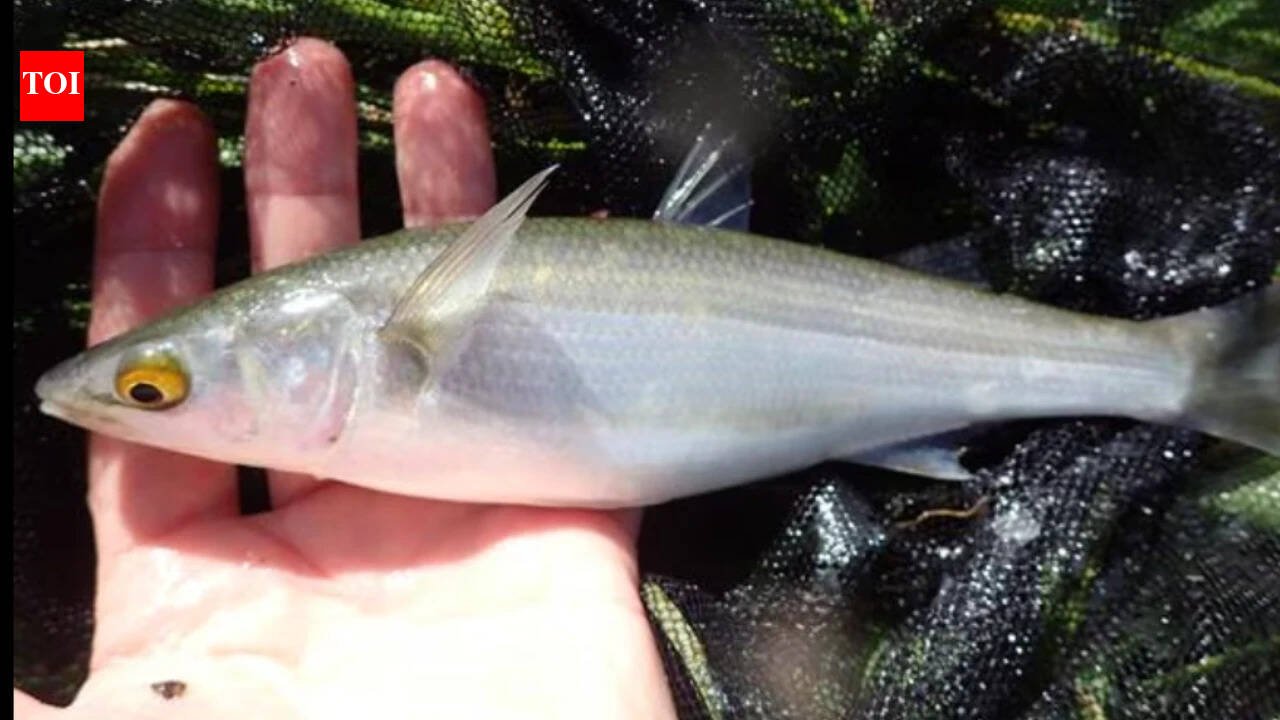
In 2020, Tasmania treated invasive rice grass in Duck Bay; three years later, fish species had more than doubled from 5 to 11 and average catches rose from about 2 to 45 per net

Among the species benefiting from the restoration are yellow-eye mullet. A major effort to remove invasive rice grass from Tasmania’s Duck Bay is showing major signs of recovery, with native vegetation returning and the number of fish species rising from five to 11. The changes came within just two to three years of the weed … Read more
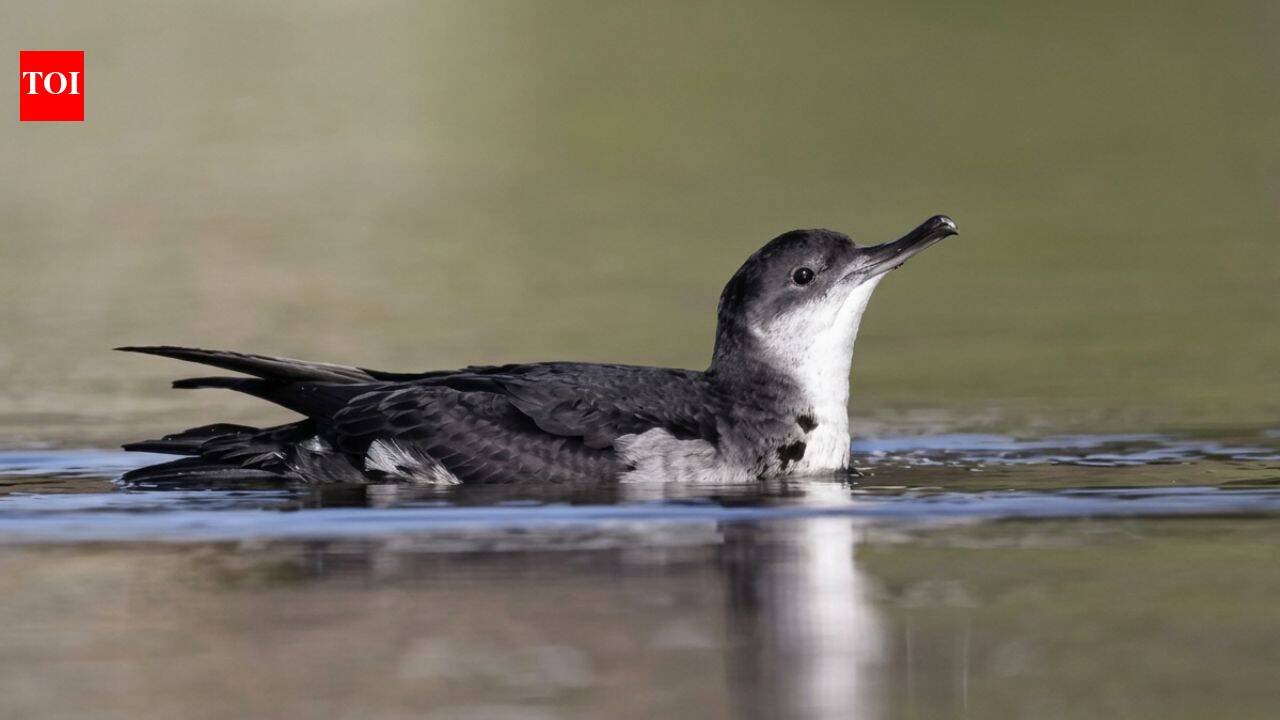

In 2013, St Agnes and Gugh began removing invasive rats brought by 18th-century shipwrecks; 12 years later, Manx shearwater breeding sites rose from 22 to a record 225

In 2013, St Agnes and Gugh began removing invasive rats brought by 18th-century shipwrecks; 12 years later, Manx shearwater breeding sites rose from 22 to a record 225

In the latest 2025 monitoring data, St Agnes and Gugh recorded 225 apparently occupied breeding sites (AOBs) for Manx shearwaters In 2013, a major conservation effort began on St Agnes and Gugh in the Isles of Scilly to remove brown rats that had been harming nesting seabirds. According to the Isles of Scilly Wildlife Trust, … Read more

She started raising butterflies at 7; by 16, this Florida girl had tracked birds and found populations rose by up to 159% after habitat restoration, she’s now headed to a national magazine

She started raising butterflies at 7; by 16, this Florida girl had tracked birds and found populations rose by up to 159% after habitat restoration, she's now headed to a national magazine

A 16-year-old student from Sarasota, Florida, Sophia Haakman began growing butterflies at just 7. Over the years, her love for nature and its beings has evolved into a serious conservation effort. Haakman sought to find out if the hundreds of hours she spent rehabilitating local ecosystems were truly beneficial to wildlife. So she created her … Read more

In 2019, a Norfolk farm began giving 500 acres of marginal farmland back to nature; three years later, average plant diversity had doubled and ex-arable plots rose from 7 to 32 species

In 2019, a Norfolk farm began giving 500 acres of marginal farmland back to nature; three years later, average plant diversity had doubled and ex-arable plots rose from 7 to 32 species

When Wild Ken Hill, a coastal farm in Norfolk, began transforming 500 acres of poor, marginal farmland in 2019, the aim was to let nature recover with as little intervention as possible. Three years later, a repeat vegetation survey found that the average number of plant species in open parts of the rewilding area had … Read more

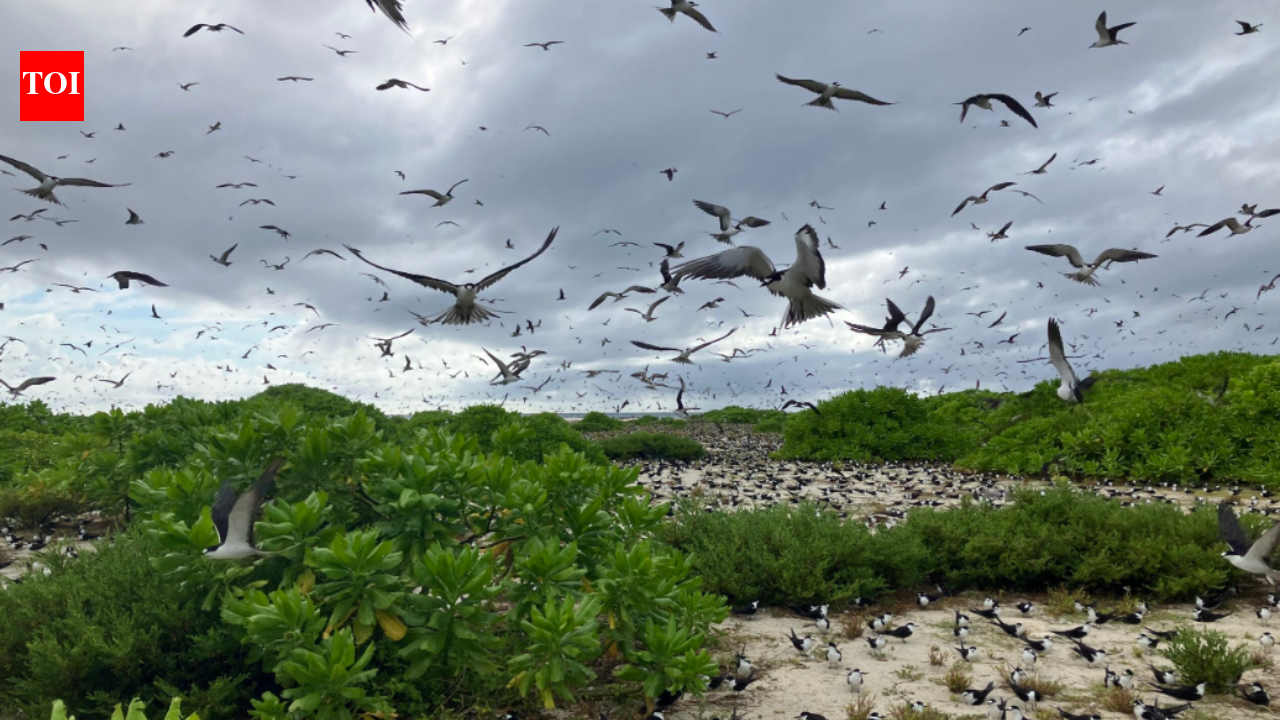
In 1967, Guy Savy and a partner bought a degraded Seychelles island; after restoring nesting habitat, its sooty tern colony rose from under 20,000 pairs to about 700,000

In 1967, Guy Savy and a partner bought a degraded Seychelles island; after restoring nesting habitat, its sooty tern colony rose from under 20,000 pairs to about 700,000

Guy Savy and a partner bought a degraded Seychelles island A tiny coral island on the northern edge of the Seychelles Bank was once close to ecological collapse. Years of commercial farming, habitat destruction and wildlife exploitation had badly damaged its natural environment. Today, after more than five decades of careful conservation, Bird Island is … Read more

In 1926, a 10-foot rocket rose just 41 feet from a Massachusetts farm; 35 years later, NASA put its creator’s name in space

In 1926, a 10-foot rocket rose just 41 feet from a Massachusetts farm; 35 years later, NASA put its creator’s name in space

A replica of the world’s first liquid propellant rocket, PC: Wikimedia Commons On March 16, 1926, on a snowy farm in Auburn, Massachusetts, physicist Robert H. Goddard set up a slim, 10-foot rocket he had nicknamed Nell on a launch frame in an open field. Fueled by gasoline and liquid oxygen, the rocket climbed just … Read more

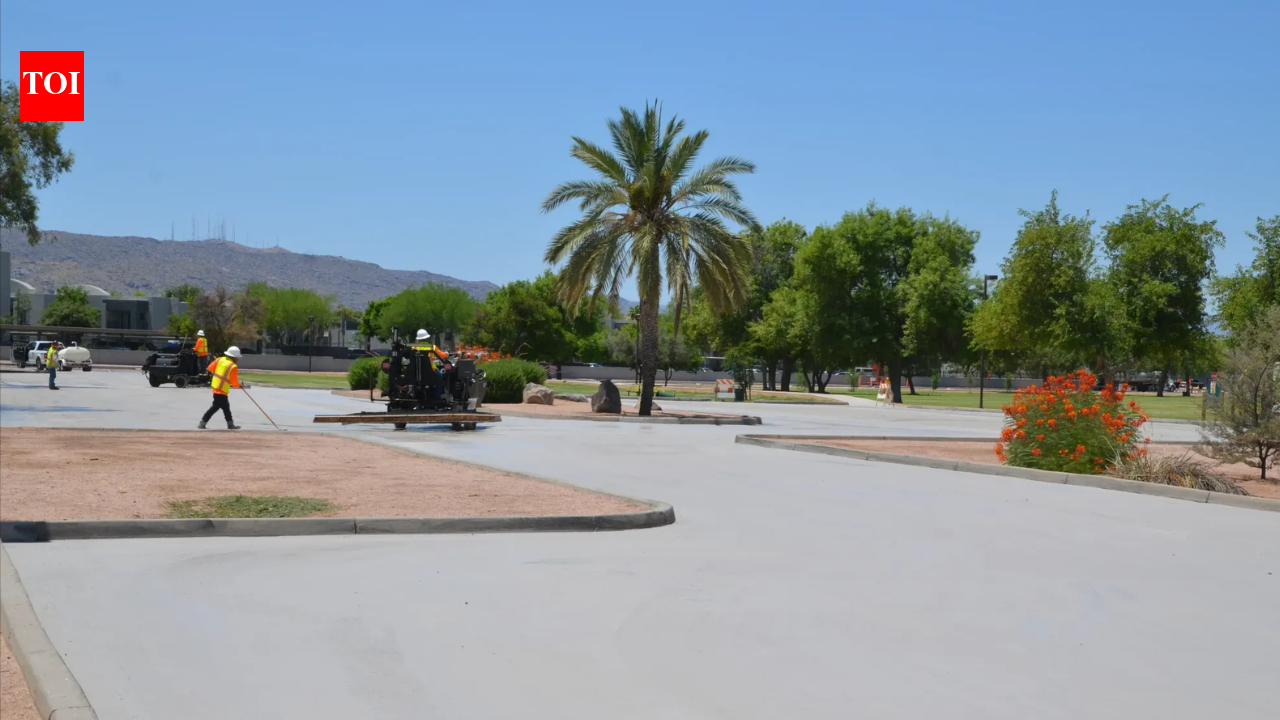
In 2020, Phoenix coated 36 miles of roads to fight extreme heat; surfaces became 12°F cooler at noon, but heat exposure for pedestrians rose 5.5°F

In 2020, Phoenix coated 36 miles of roads to fight extreme heat; surfaces became 12°F cooler at noon, but heat exposure for pedestrians rose 5.5°F

Phoenix coated 36 miles of roads to fight extreme heat Painting city streets with a light-coloured, reflective coating can cool the asphalt underneath, but it can also increase heat exposure for people walking on the road. That unexpected trade-off emerged from a major trial in the American Southwest. In 2020, the City of Phoenix Street … Read more

In 1998, Nasa sent a rose into space and discovered that microgravity could change its scent

In 1998, Nasa sent a rose into space and discovered that microgravity could change its scent

A small rose plant spent nine days travelling around Earth aboard Space Shuttle Discovery in 1998. It was not there simply as a botanical curiosity. The flower, ‘Overnight Scentsation’, had been selected for an experiment that asked a surprisingly specific question: would a rose smell the same without Earth’s gravity? When the shuttle returned, the … Read more

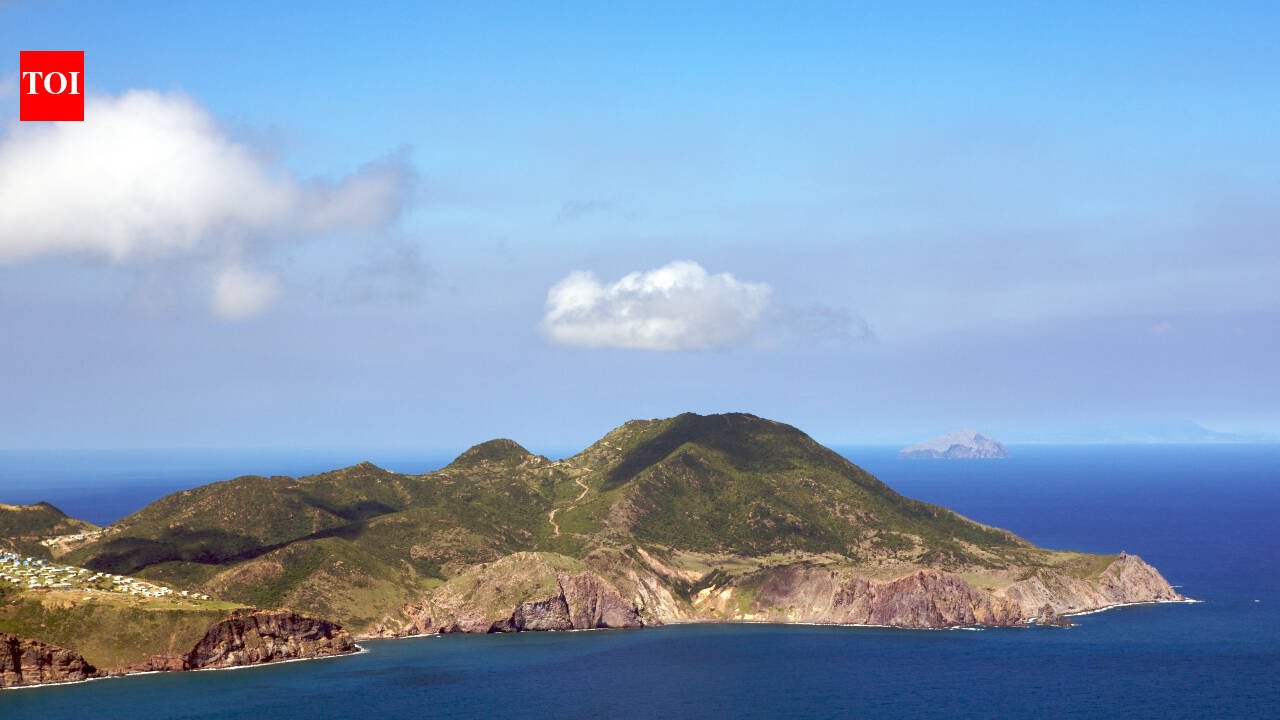
In 2017, Antigua and Barbuda removed invasive rats and goats from Redonda; by 2023, vegetation biomass rose over 2,000% and ground dragons increased 13-fold

In 2017, Antigua and Barbuda removed invasive rats and goats from Redonda; by 2023, vegetation biomass rose over 2,000% and ground dragons increased 13-fold

Redonda had become a thriving haven for wildlife within a few years, and now it has received a major new layer of protection. For years, Redonda resembled more a barren moonscape than a tropical Caribbean island. Its vegetation was destroyed, its native wildlife was wiped out, and the marine ecosystem around it was harmed by … Read more

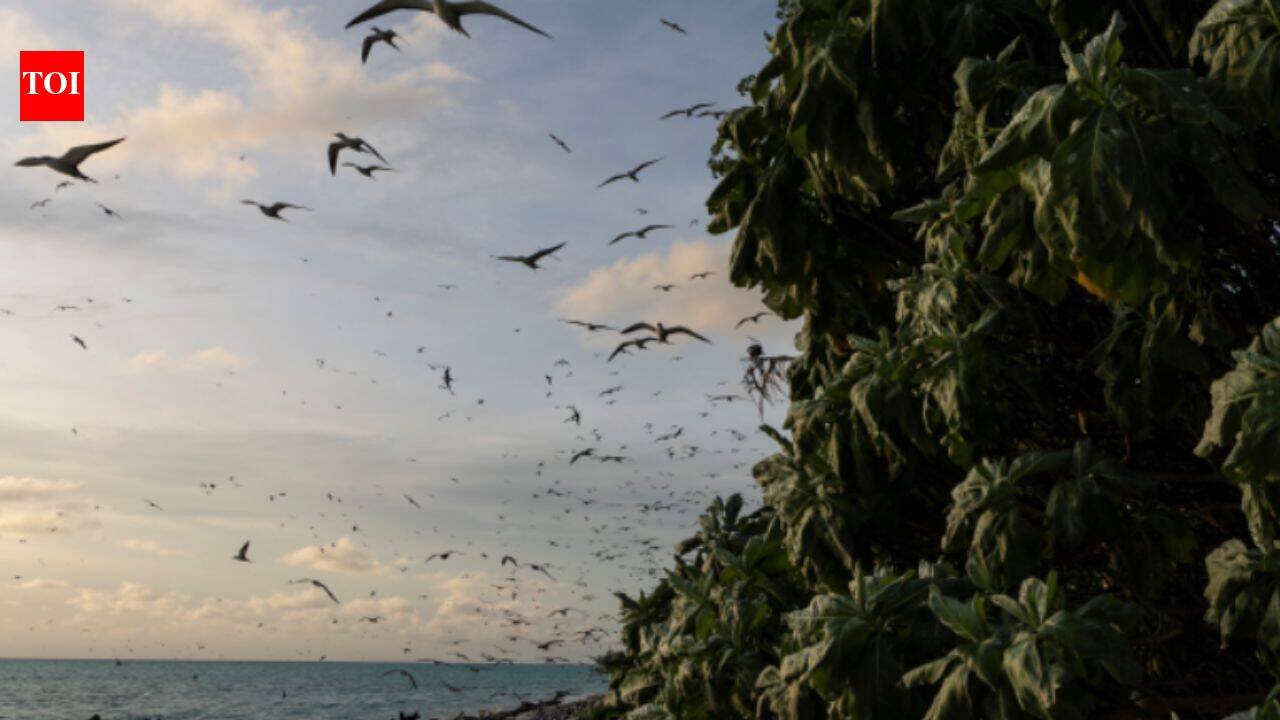
In 2024, Palau removed invasive rats from Ulong Island; one year later, fish biomass rose 183% and leaf nitrogen increased about 80% at one reef site

In 2024, Palau removed invasive rats from Ulong Island; one year later, fish biomass rose 183% and leaf nitrogen increased about 80% at one reef site

Data from Ulong Island, Koror Republic of Palau shows that seabirds are returning (Representational AP photo) The return of seabirds to a small island in Palau has brought an unexpected benefit. Just one year after invasive rats were removed from Ulong Island, researchers have found that nearby coral reefs are also beginning to recover.The study … Read more