Sea otters returned to a polluted California estuary in 1984; eelgrass expanded 600%, while marsh-edge erosion later slowed by 69% on average

Sea otters returned to a polluted California estuary in 1984; eelgrass expanded 600%, while marsh-edge erosion later slowed by 69% on average

Sea otters returned to California’s Elkhorn Slough in 1984 when pollution had severely affected its ecosystem. When sea otters returned to California’s Elkhorn Slough in 1984, the estuary was already facing severe environmental pressure. The coastal wetland had high nutrient levels linked to its agriculture-dominated watershed, while eelgrass had fallen to an all-time low of … Read more

Brazil’s polluted Rio mangroves were disappearing under waste; then local fishers restored 18.2 hectares and more than 60 animal species returned

Brazil’s polluted Rio mangroves were disappearing under waste; then local fishers restored 18.2 hectares and more than 60 animal species returned

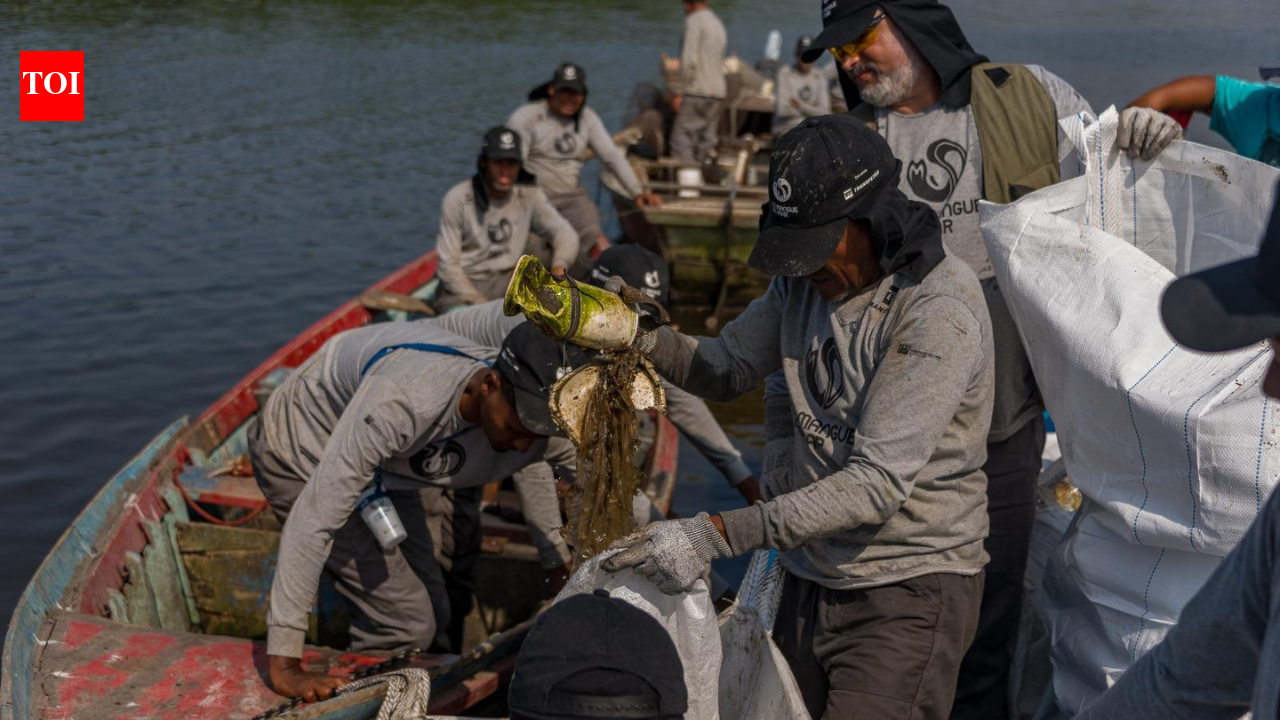
Local fishers collect waste from Guanabara Bay as part of a mangrove restoration and cleanup effort in Rio de Janeiro, Brazil. Decades of pollution, untreated sewage, industrial activity and waste have placed heavy pressure on the mangroves around Rio de Janeiro’s Guanabara Bay in Brazil. Yet in one of the bay’s remaining protected mangrove areas, … Read more

Meet Tina Jin, the 15-year-old Massachusetts student who turned animal bones into a new material for cleaning polluted water

Meet Tina Jin, the 15-year-old Massachusetts student who turned animal bones into a new material for cleaning polluted water

A 15-year-old Massachusetts student is exploring an unusual way to make polluted water cleaner: using discarded animal bones. Tina Jin, a student at Phillips Academy in Andover, developed a filtration system that uses ground cow, lamb or pig bones arranged in multiple layers to target different contaminants in water. Her research focuses on places where … Read more

In 2010, Shanghai turned a polluted industrial brownfield into Houtan Park; its wetlands now clean up to 634,000 gallons of river water a day

In 2010, Shanghai turned a polluted industrial brownfield into Houtan Park; its wetlands now clean up to 634,000 gallons of river water a day

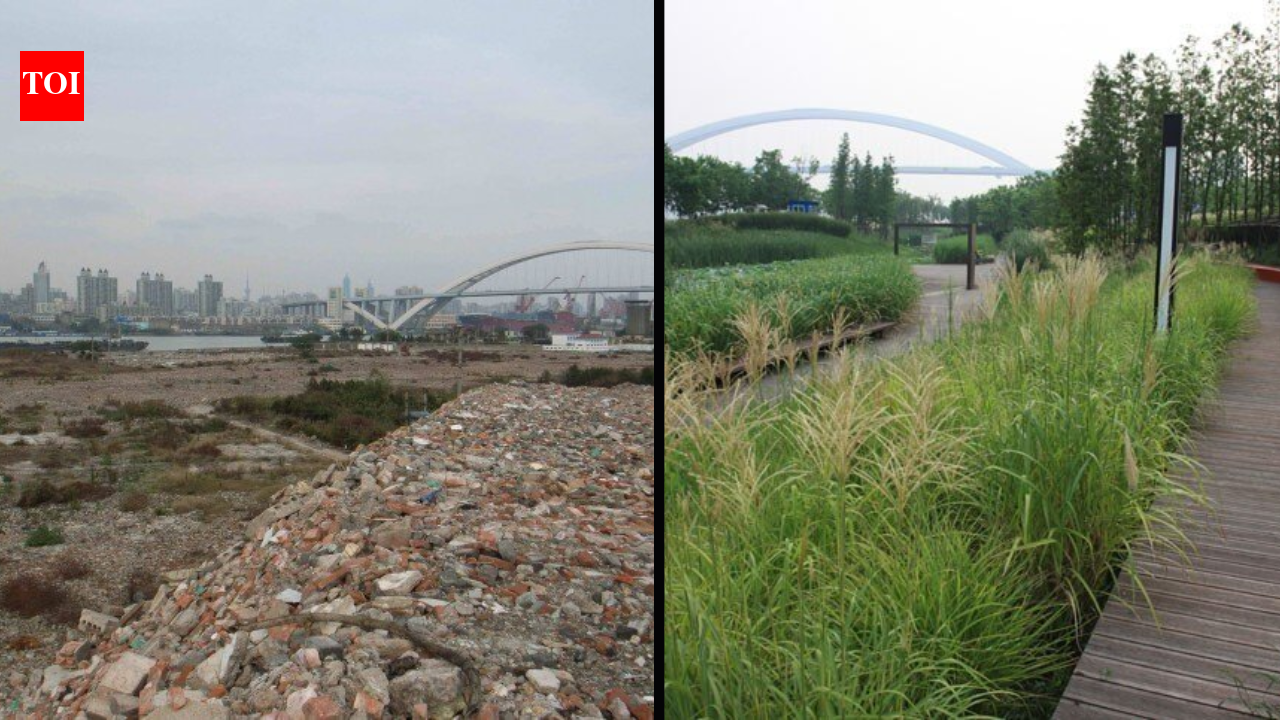
A similar vantage point pre-park construction and a similar vantage point post-park construction (Source: Kongjian Yu) In 2010, Shanghai transformed a polluted industrial brownfield into Houtan Park. Its wetlands now clean up to 634,000 gallons of river water each day. The 14-hectare linear park stretches along the Huangpu River and was once home to a … Read more