In 2017, Jordan sank a retired 30-metre C-130 Hercules off Aqaba to create an artificial reef; the aircraft now rests about 16 metres underwater and attracts coral, fish and other marine life
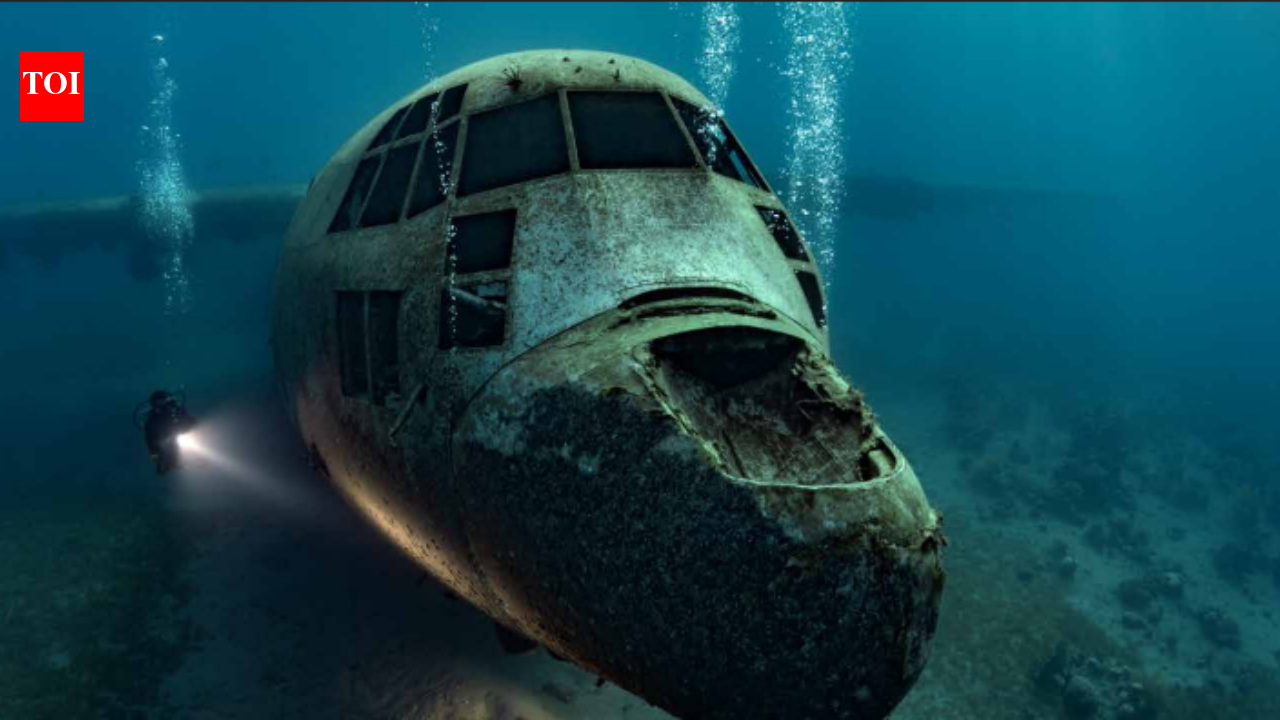
In 2017, Jordan sank a retired 30-metre C-130 Hercules off Aqaba to create an artificial reef; the aircraft now rests about 16 metres underwater and attracts coral, fish and other marine life

A retired military aircraft has found an unusual second life beneath the Red Sea after Jordan deliberately sank it off Aqaba in 2017 to create an artificial reef. The Lockheed C-130 Hercules, a roughly 30-metre-long military transport aircraft, was placed underwater on November 16, 2017, about 300 metres from the Aqaba shoreline. It now rests … Read more
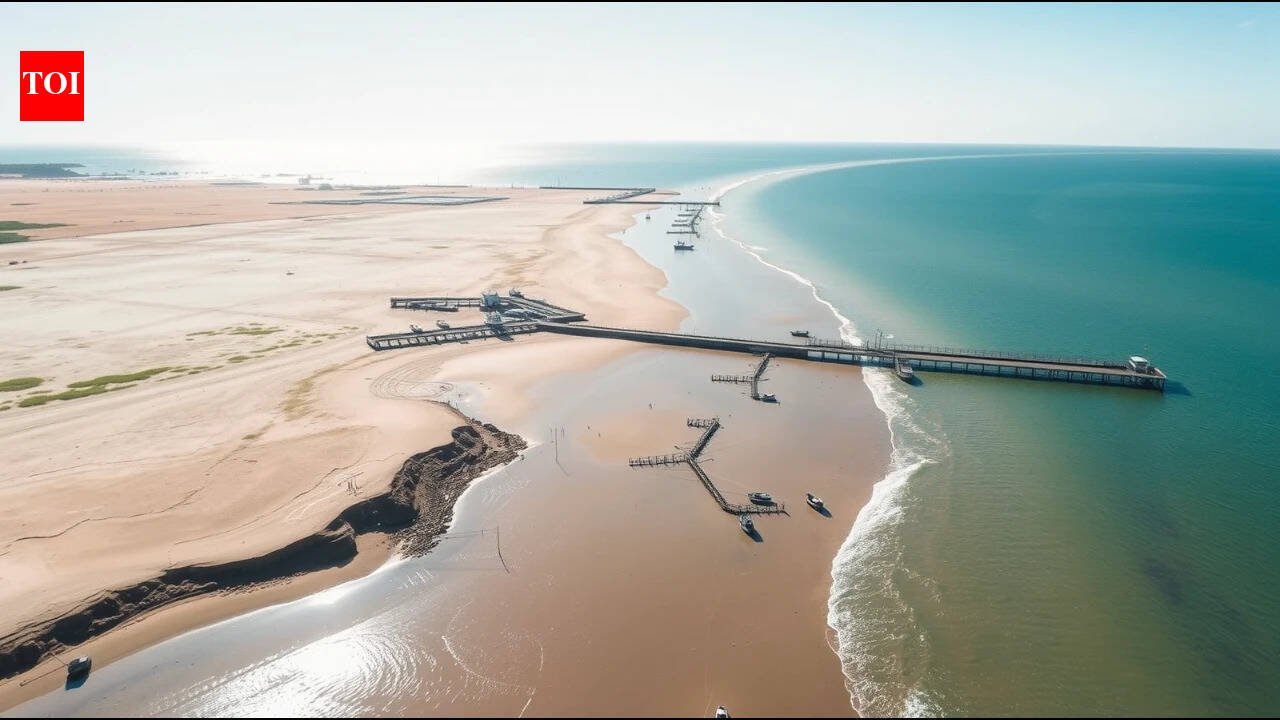
Thailand built a 400-metre fishing pier; 13 years later, the shoreline had advanced by up to 250 metres on one side

Thailand built a 400-metre fishing pier; 13 years later, the shoreline had advanced by up to 250 metres on one side

Representative Image of the Ban Khlong Wan coastline showing dramatic beach changes and fishery pier effects, viewed from above (AI Generated Image) A 400-metre fishery pier on Thailand’s Ban Khlong Wan coastline was followed by dramatic changes in the shape and composition of the shore, with one section of beach advancing by as much as … Read more

Australian couple spent $500,000 building their retirement home; it was constructed on the wrong block and later had to be moved 100 metres

Australian couple spent $500,000 building their retirement home; it was constructed on the wrong block and later had to be moved 100 metres

Couple had built their home on the neighbour’s block, PC: A Current Affair Melanie and David Moor spent more than $500,000 on what they expected to be their retirement home in Camperdown, south-west Victoria, only to discover that the house had been placed entirely on a neighbouring block. The couple had bought land in a … Read more

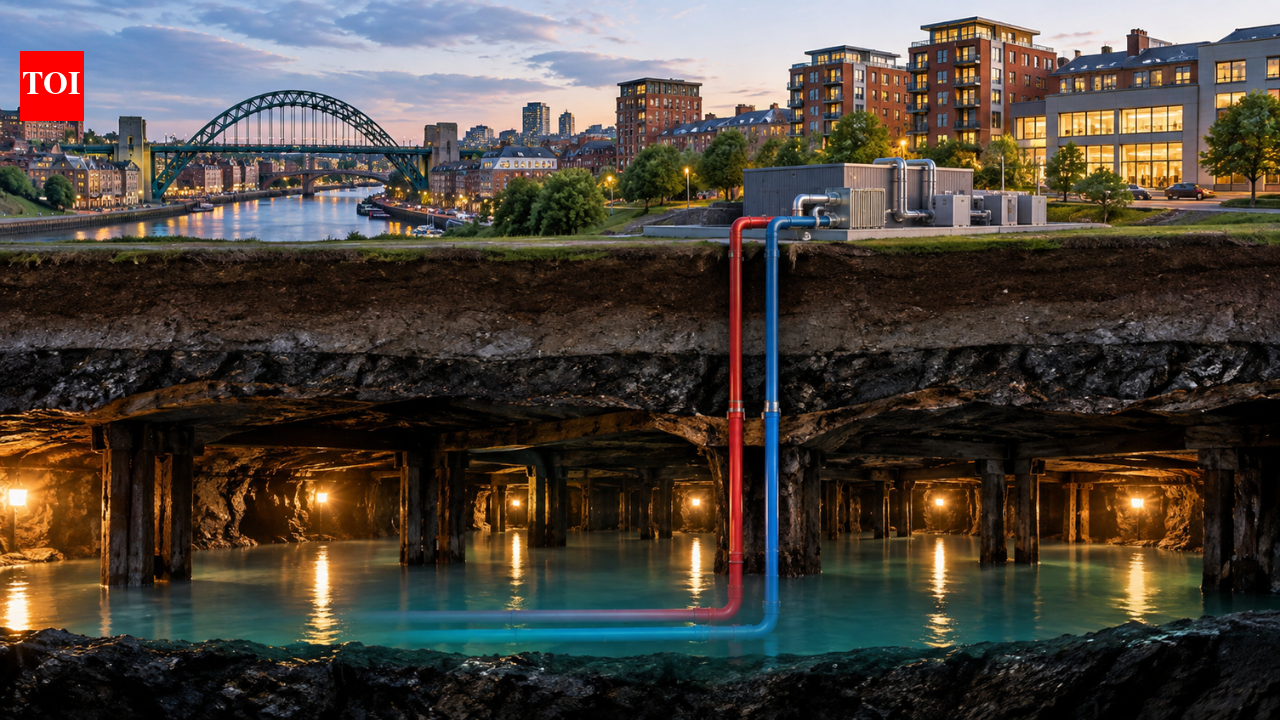
In Gateshead, water trapped 150 metres below the city in abandoned coal mines now heats 350 homes and public buildings

In Gateshead, water trapped 150 metres below the city in abandoned coal mines now heats 350 homes and public buildings

Water trapped deep beneath Gateshead is now helping heat hundreds of homes and public buildings, turning former coal mine workings into a source of heat for the city. The water lies around 150 metres below Gateshead town centre, where a 6-megawatt water-source heat pump extracts its heat and feeds it into an existing district heating … Read more

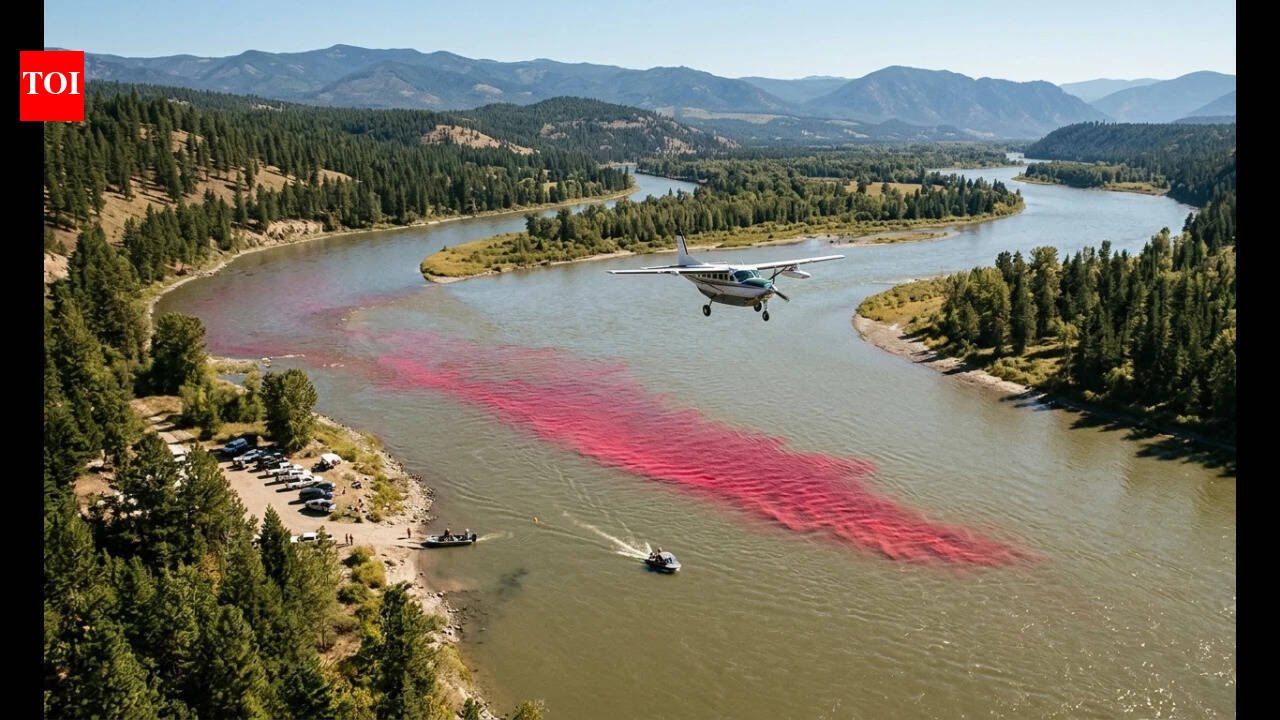
In 2017, USGS released 72.57 kg of red dye into Idaho’s Kootenai River in 90 seconds; aircraft 1,000 metres above mapped the plume in 0.5-metre pixels to study river dispersion

In 2017, USGS released 72.57 kg of red dye into Idaho’s Kootenai River in 90 seconds; aircraft 1,000 metres above mapped the plume in 0.5-metre pixels to study river dispersion

An aircraft followed the plume from above (Representational AI image) In September 2017, the US Geological Survey (USGS) carried out an unusual experiment on Idaho’s Kootenai River. Researchers released 72.57 kg (160 pounds) of Rhodamine WT dye into the river and then followed its movement through the water. The aim was to understand how a … Read more

In 2004, Toronto began using cold water from 83 metres beneath Lake Ontario to cool downtown buildings; today the system serves 200 buildings across 40 million sq ft

In 2004, Toronto began using cold water from 83 metres beneath Lake Ontario to cool downtown buildings; today the system serves 200 buildings across 40 million sq ft

Representative Image (AI-generated) Deep beneath the surface of Lake Ontario, a layer of naturally cold water has become an unlikely part of Toronto’s urban infrastructure. Instead of relying entirely on conventional air-conditioning systems to cool its downtown buildings, the Canadian city uses the lake’s cold temperature as a source of cooling energy. According to a … Read more

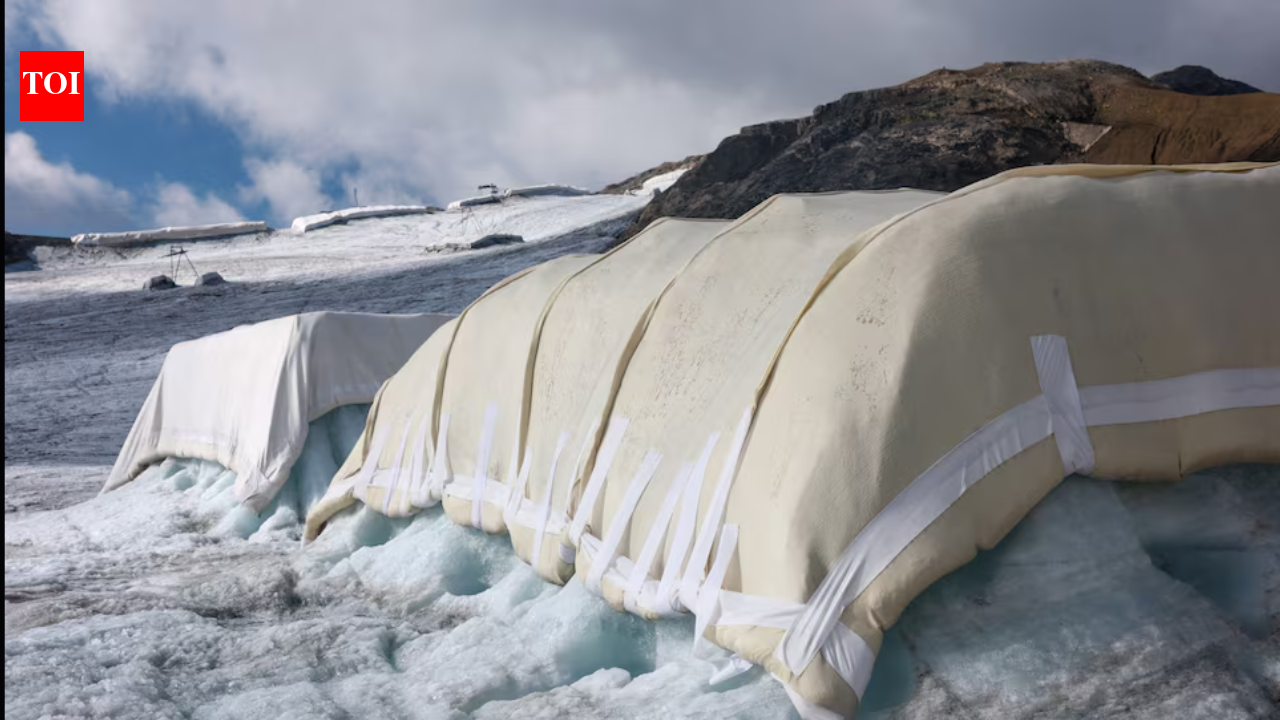
Scientists covered 200 square metres of a Swiss glacier with sheep’s wool; early tests found it protected the ice about as well as plastic sheets, but only 0.02% of Swiss glacier ice is covered

Scientists covered 200 square metres of a Swiss glacier with sheep’s wool; early tests found it protected the ice about as well as plastic sheets, but only 0.02% of Swiss glacier ice is covered

A sheep wool-covered snow protection test site is pictured during a press conference presenting the results of the “Keep It Wool” glacier protection experiment in Les Diablerets, Switzerland A natural wool covering placed over 200 square metres of high-altitude Alpine ice has proved as effective at slowing summer melting as conventional synthetic tarpaulins, offering a … Read more

Brazil planted vast eucalyptus forests for pulp; 45 years later scientists found groundwater had fallen by 4.5 metres

Brazil planted vast eucalyptus forests for pulp; 45 years later scientists found groundwater had fallen by 4.5 metres

Brazil’s eucalyptus industry was built on a simple promise: grow trees quickly, harvest them for pulp and create a renewable supply for the global paper industry. Over decades, however, the enormous plantations have transformed landscapes across parts of the country, raising concerns about what happens to water beneath the trees. In one eucalyptus-growing region of … Read more

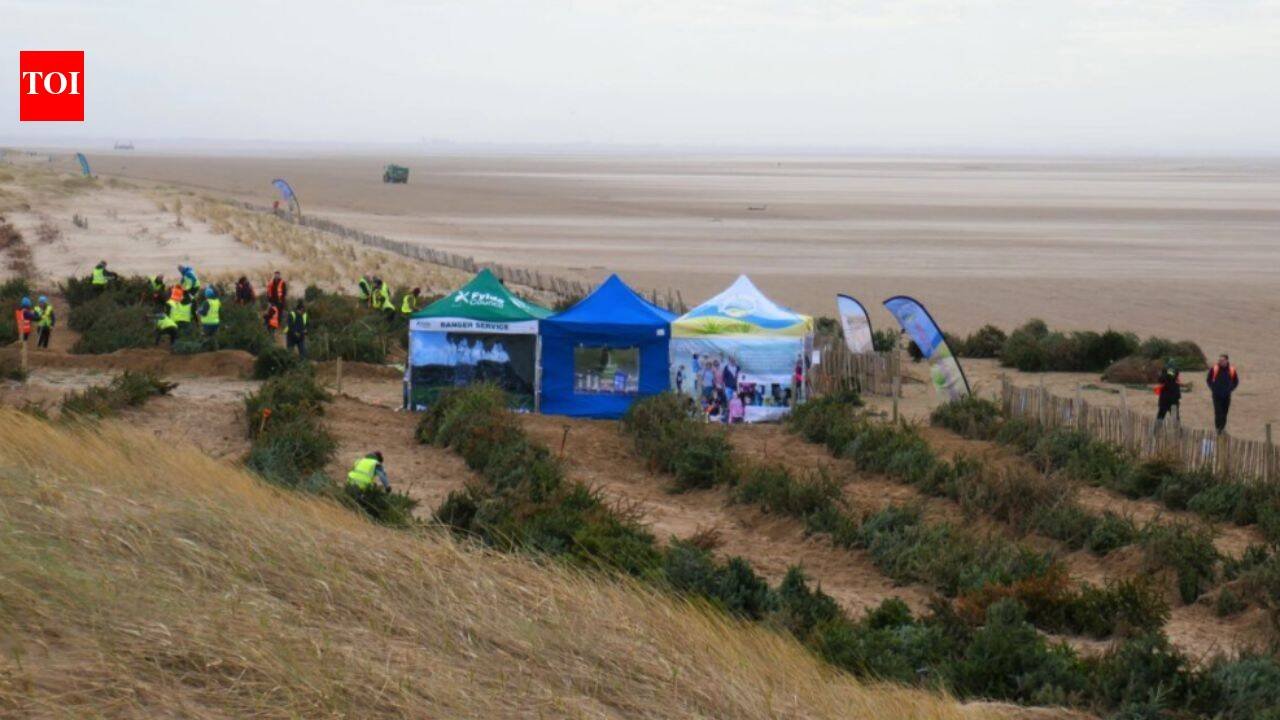
In 2013, a UK beach began planting discarded Christmas trees to trap blowing sand; by 2026, the project had created 90 metres of new dunes that help defend homes from flooding

In 2013, a UK beach began planting discarded Christmas trees to trap blowing sand; by 2026, the project had created 90 metres of new dunes that help defend homes from flooding

More than 2,000 Christmas trees were planted at St Annes beach in February 2026. (Photo: .visitstannes.info) Discarded Christmas trees are being used to help protect homes and businesses along the Fylde Coast in Lancashire, UK. Since the project began in 2013, old Christmas trees have been placed on St Annes beach to trap wind-blown sand … Read more

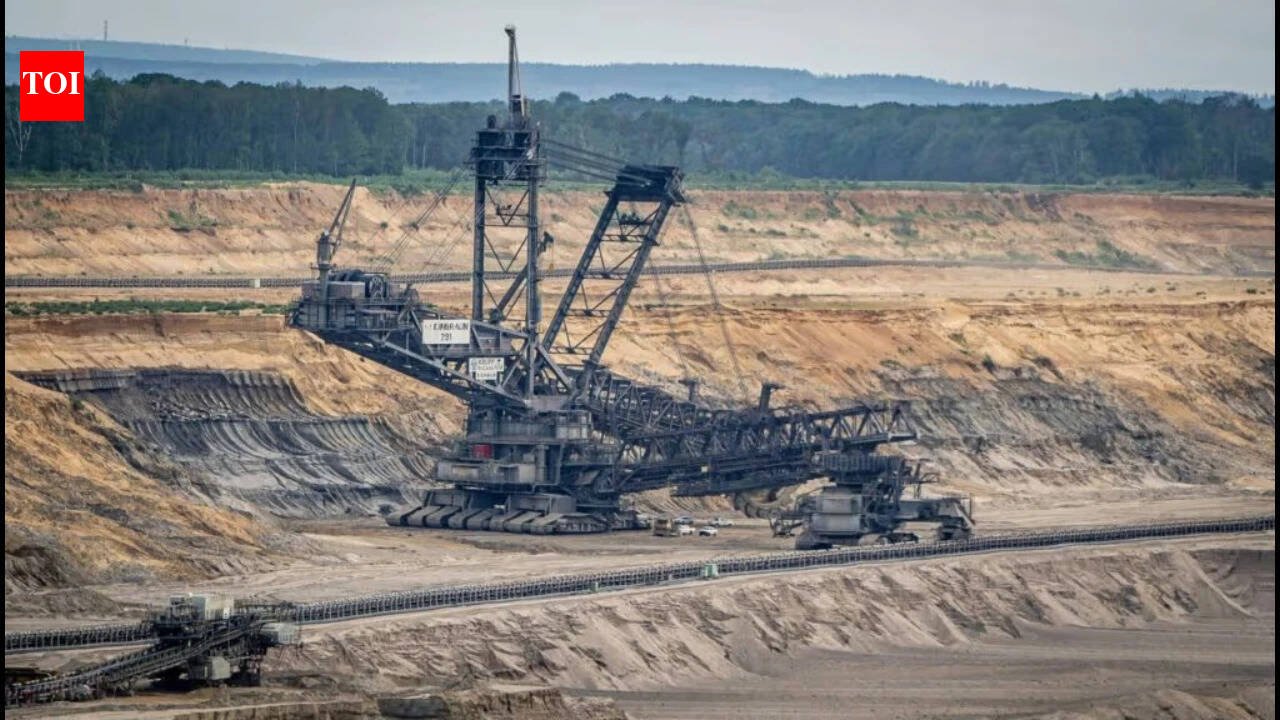
In 2008, Czechia began flooding the lignite mine created after the old city of Most was demolished for coal; by 2014 the pit held 70.5 billion litres of water, forming a 309-hectare lake up to 75 metres deep

In 2008, Czechia began flooding the lignite mine created after the old city of Most was demolished for coal; by 2014 the pit held 70.5 billion litres of water, forming a 309-hectare lake up to 75 metres deep

The flooding started in 2008, and by 2014 the former mine had filled with about 70.5 billion liters of water, forming a lake 309 hectares in area and a maximum of 75 meters deep. Eventually the lake was opened for public recreation. What does it take to give a landscape carved by decades of coal … Read more