
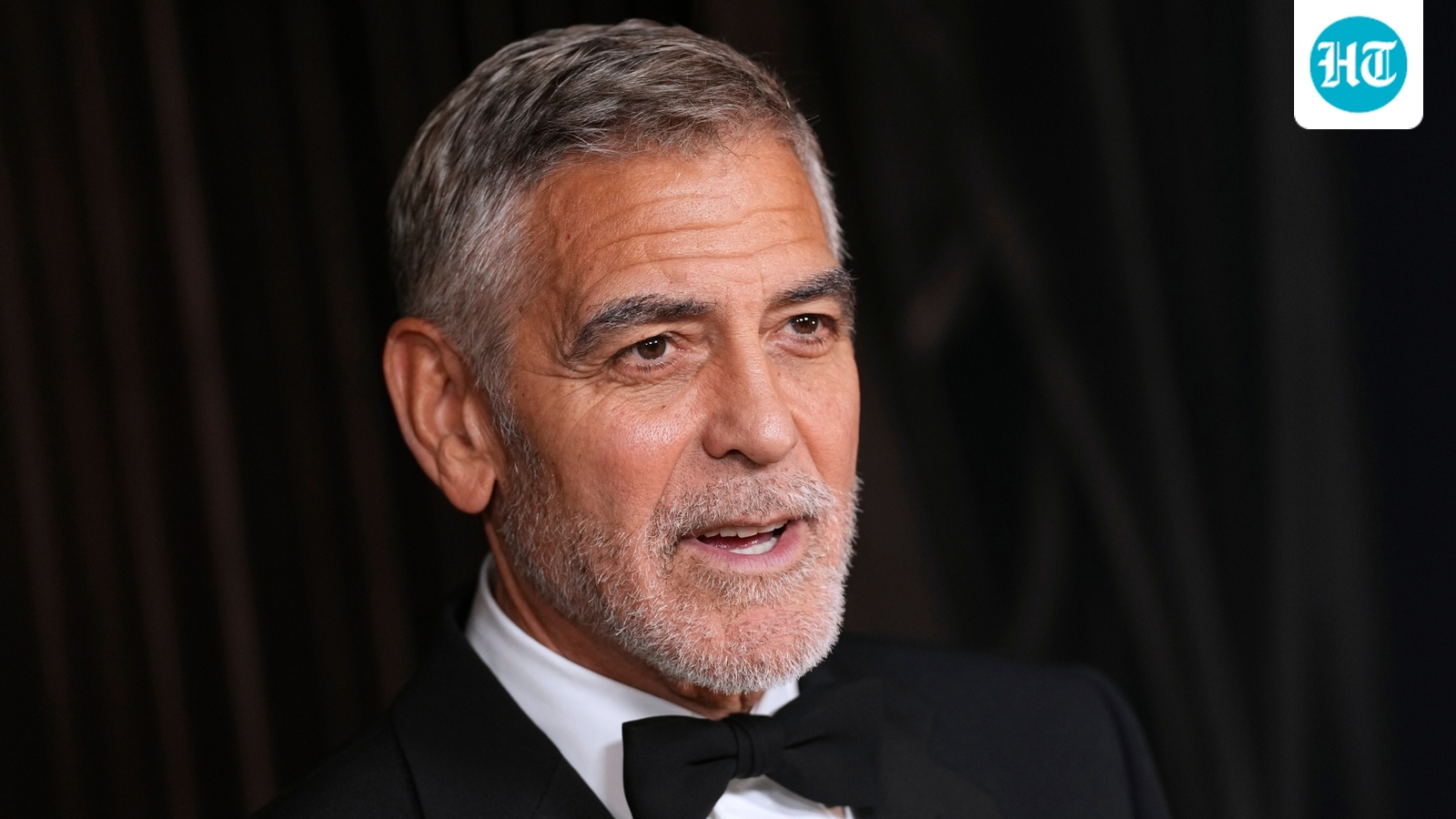
Four years after three friends decided to produce their own tequila for personal consumption, international beverage company Diageo agreed to acquire their brand for up to $1 billion. Announced in June 2017, the deal described Casamigos as “America’s fastest-growing super-premium tequila.” Under the agreement outlined in Diageo’s official announcement, the company would pay $700 million upfront, with a further $300 million potentially payable based on the brand’s performance over the following 10 years.
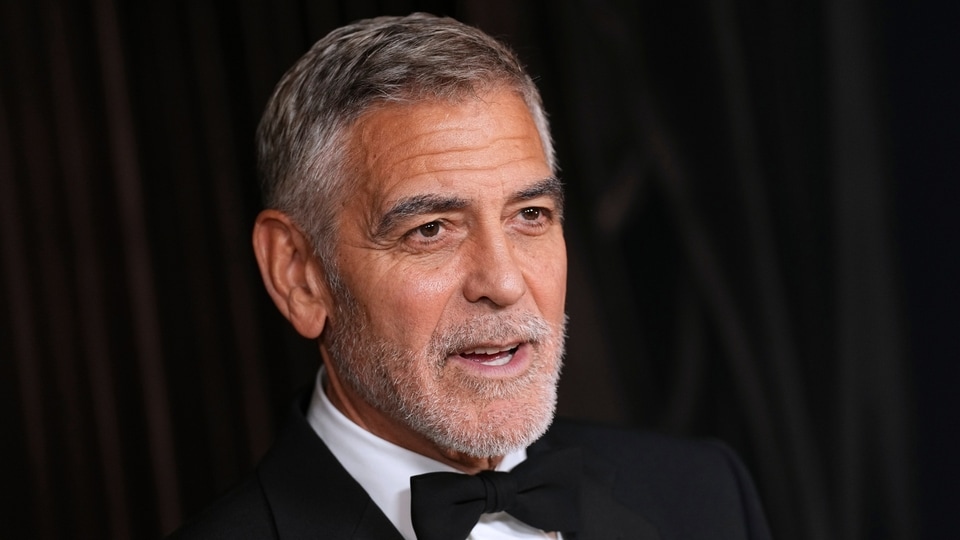
Rande Gerber, George Clooney, and Mike Meldman founded Casamigos in 2013. Its name means “house of friends” in Spanish. Diageo attributed the brand’s growth to its smooth taste and strong appeal among consumers, noting that it had received recognition from tequila experts and influencers across the U.S. Casamigos sold 120,000 cases in 2016, primarily in the U.S., after recording average annual growth of 54% over the preceding two years. Diageo projected that sales would exceed 170,000 cases by the end of 2017.
Diageo’s then-CEO, Ivan Menezes, said the acquisition supported the company’s strategy of expanding in the growing super-premium tequila category and reaching consumers in additional markets. The founders were expected to remain involved in the business following the acquisition. Diageo planned to finance the transaction through cash and debt and anticipated that the deal would be neutral to earnings per share for the first three years before contributing positively thereafter. The transaction was subsequently completed in December 2017.
How the money will be used
Forbes reported that the three founders held equal ownership stakes and that Casamigos had not raised outside investment before the acquisition. Citing a source familiar with the company, the magazine reported that each founder had invested $600,000 and reinvested profits as the business grew. Based on the $700 million upfront purchase price, each founder’s gross share would amount to approximately $233 million before taxes, assuming equal ownership and no adjustments. Forbes estimated that Clooney could retain roughly $140 million after taxes, although the actual amount would depend on his tax liabilities and other financial considerations.
The additional $300 million earn-out was contingent on the brand’s performance over the following decade. If paid in full and divided equally among the founders, it could provide Clooney with another $100 million before taxes. That would bring his potential gross proceeds from the acquisition to approximately $333 million, including his share of the upfront payment and the maximum earn-out. The amount he ultimately received would depend on the earn-out conditions and applicable taxes. The deal drew comparisons with other high-profile celebrity business sales. In 2007, rapper 50 Cent reportedly earned a substantial sum from Coca-Cola’s $4.2 billion acquisition of Glaceau, the maker of Vitaminwater. Forbes also cited Dr. Dre’s 2014 Beats Electronics deal with Apple, valued at $3 billion, as another major celebrity business transaction.
Is the price too high?
The acquisition price raised questions about Casamigos’ sales relative to its valuation. Eric Schmidt, director of alcohol research at Beverage Marketing Corporation, told Forbes that the price appeared high given the brand’s sales volume. The magazine estimated that Casamigos generated approximately $70 million in retail sales in 2016, based on bottle prices ranging from $45 to $55. After accounting for retail markups and wholesale pricing, the brand’s revenue was estimated at roughly $36 million. Against the $700 million upfront payment, that would represent a valuation of about 19 times annual revenue, using the estimated figures. For comparison, Brown-Forman acquired tequila brands Herradura and El Jimador in 2006 for $876 million. Together, those brands had sold 1.8 million cases in the preceding year.
The broader tequila market offered Diageo a strategic reason to pursue the deal. Distilled Spirits Council statistics cited by Forbes indicated that U.S. tequila sales volume had increased by an average of 5.8% annually, while sales of high-end tequila had risen 292% since 2002. Schmidt also pointed to Diageo’s comparatively limited presence in some fast-growing categories, including tequila, as a reason the acquisition made strategic sense. Spiros Malandrakis, an analyst at Euromonitor, noted that nine out of 10 bottles of tequila were sold in Mexico or the U.S., highlighting the potential for international expansion. He also cautioned that celebrity involvement could generate initial interest but would not necessarily sustain demand over the long term.