
In the 1930s, US agencies planted bicolor lespedeza for erosion control and wildlife habitat; it later reached an estimated 115,550 forest acres
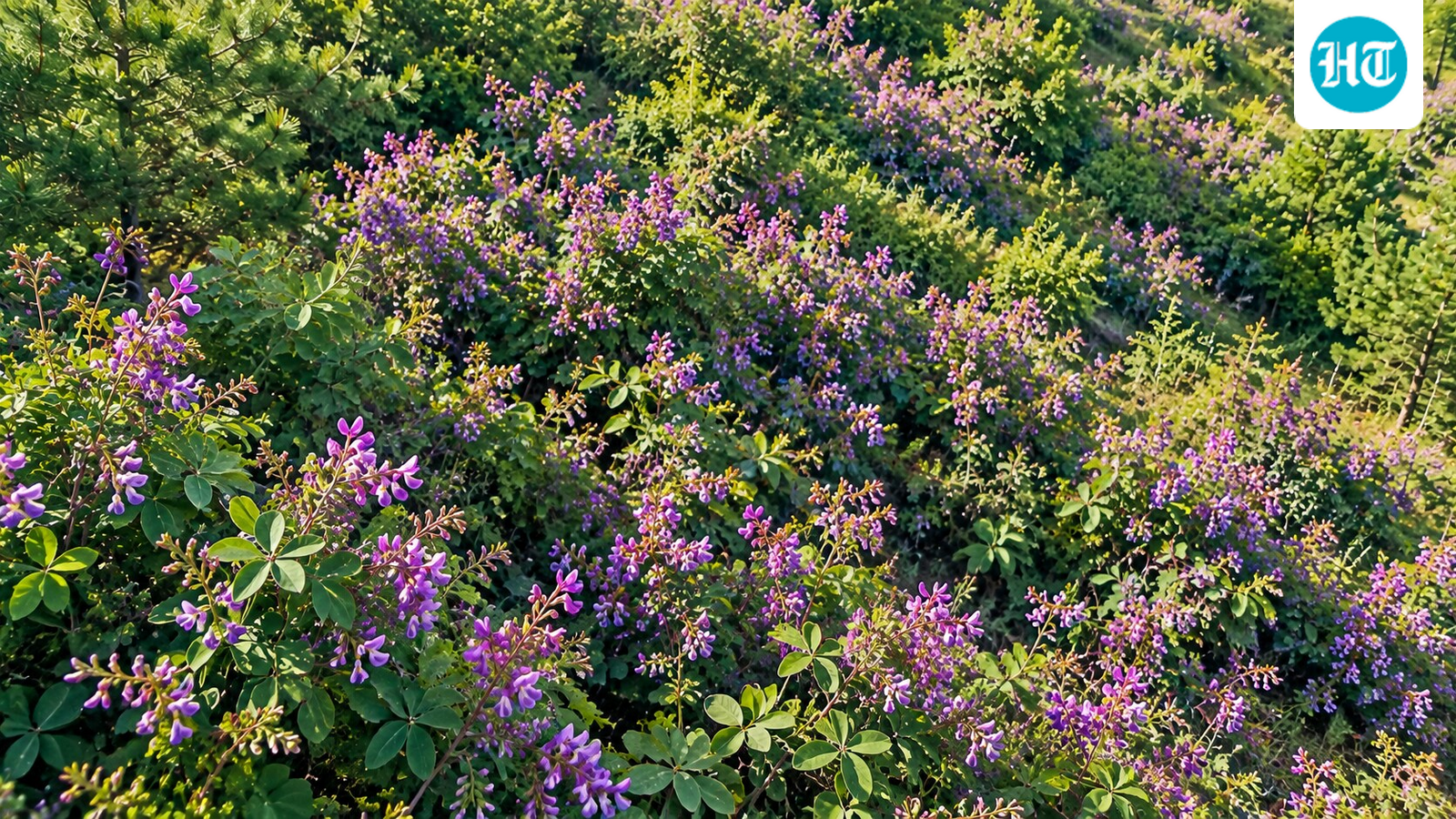
A fix that grew bigger than planned: Bicolor lespedeza, once planted to hold soil in place, now grows across an estimated 115,550 forest acres. (AI-generated/ChatGPT)

Most generations have a magic fix they believe in. For us today, it might be planting millions of trees. For the agencies in the U.S. back in the 1930s, it was a tough little shrub called bicolor lespedeza. According to the USDA Forest Service’s Fire Effects Information System, it was promoted and widely planted for … Read more
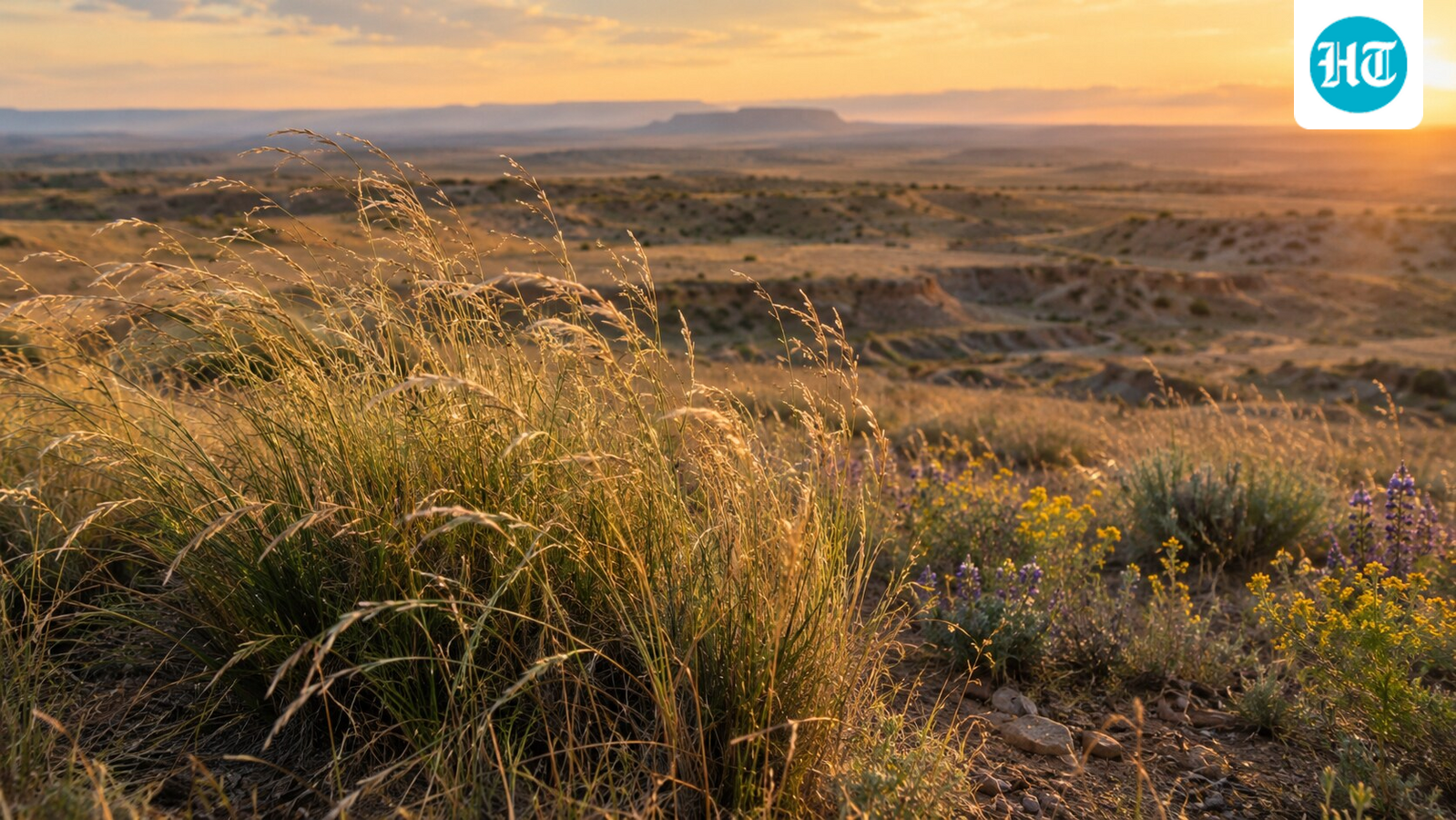

In 1935, weeping lovegrass was planted in Oklahoma to stop erosion; one strain later covered 2 million acres, and studies found lower plant diversity

HT US Desk

The Hindustan Times US Desk brings you the latest news and developments from across the United States. The team covers everything from breaking news and politics to sports, business, entertainment and stories that are trending across the country. Our coverage includes the White House, Congress, US elections, immigration and visa updates, H-1B, green cards, Social … Read more

Sea otters returned to a polluted California estuary in 1984; eelgrass expanded 600%, while marsh-edge erosion later slowed by 69% on average

Sea otters returned to a polluted California estuary in 1984; eelgrass expanded 600%, while marsh-edge erosion later slowed by 69% on average

Sea otters returned to California’s Elkhorn Slough in 1984 when pollution had severely affected its ecosystem. When sea otters returned to California’s Elkhorn Slough in 1984, the estuary was already facing severe environmental pressure. The coastal wetland had high nutrient levels linked to its agriculture-dominated watershed, while eelgrass had fallen to an all-time low of … Read more