Burmese python males undergo a dramatic seasonal hormone shift before breeding; scientists tracked testosterone and corticosterone in Florida snakes
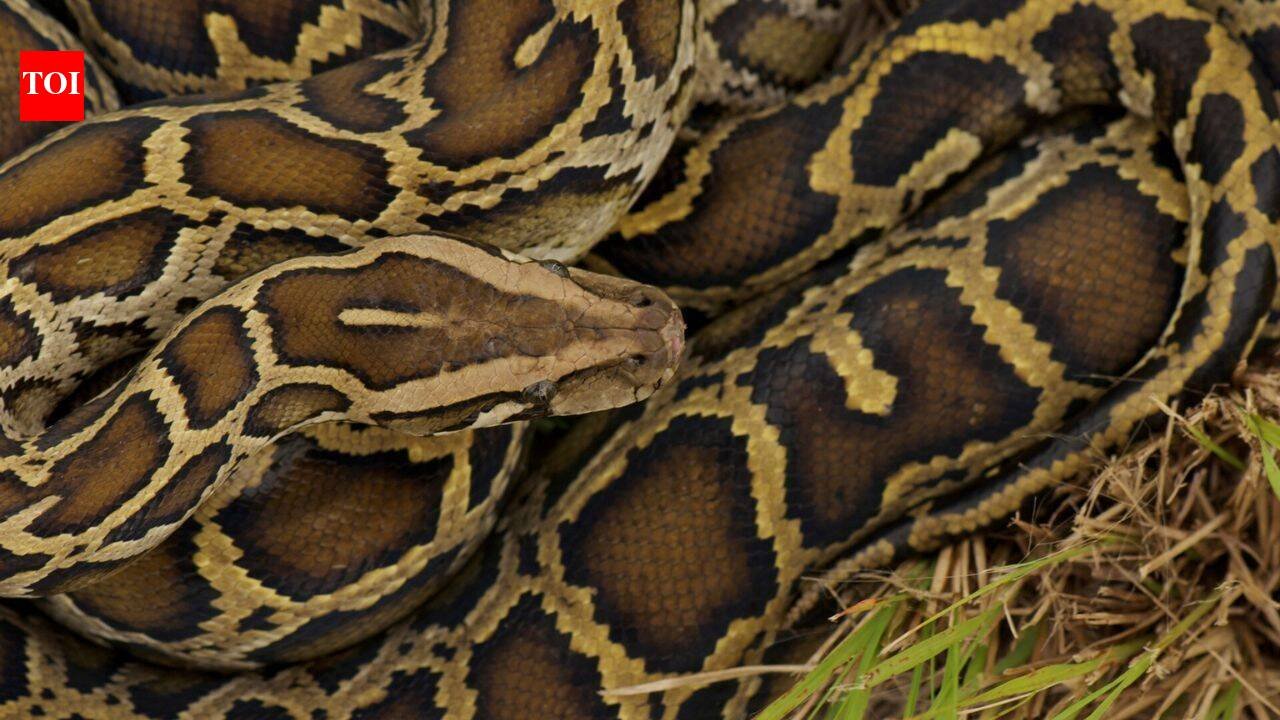
Burmese python males undergo a dramatic seasonal hormone shift before breeding; scientists tracked testosterone and corticosterone in Florida snakes

Burmese python coiled in the grass in the Everglades. Image Credit: Wikipedia Burmese python males in South Florida undergo a marked seasonal change in testosterone as the breeding period approaches, while another hormone linked to stress and energy use follows a less predictable pattern. A study published in General and Comparative Endocrinology tracked testosterone and … Read more
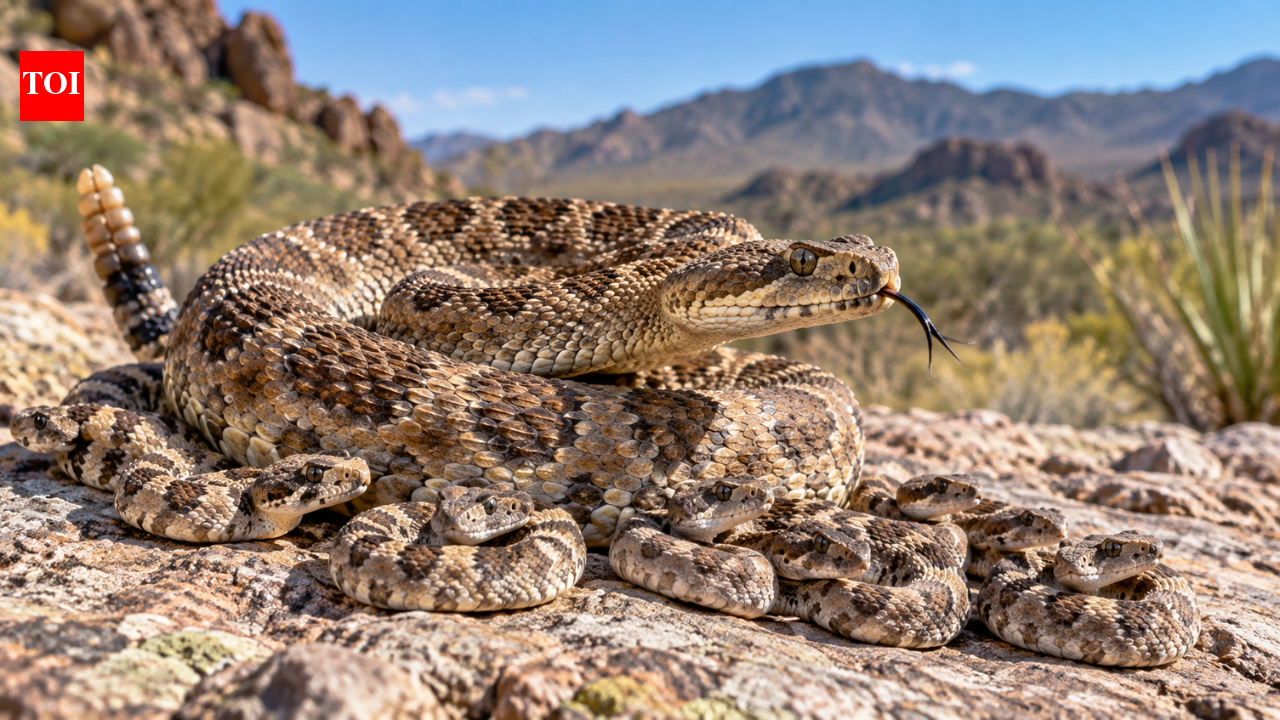
Scientists breed one of America’s rarest rattlesnakes for the first time; six New Mexico ridge-nosed rattlesnake babies could help restore wild populations

Scientists breed one of America’s rarest rattlesnakes for the first time; six New Mexico ridge-nosed rattlesnake babies could help restore wild populations

The Los Angeles Zoo has announced the first litters born under Project Obscurus, an international recovery programme for the New Mexico ridge-nosed rattlesnake. According to the Los Angeles Zoo’s press release on 1 September 2026, a litter of five was born on 18 August and a single neonate on 28 August, making six neonates. The … Read more

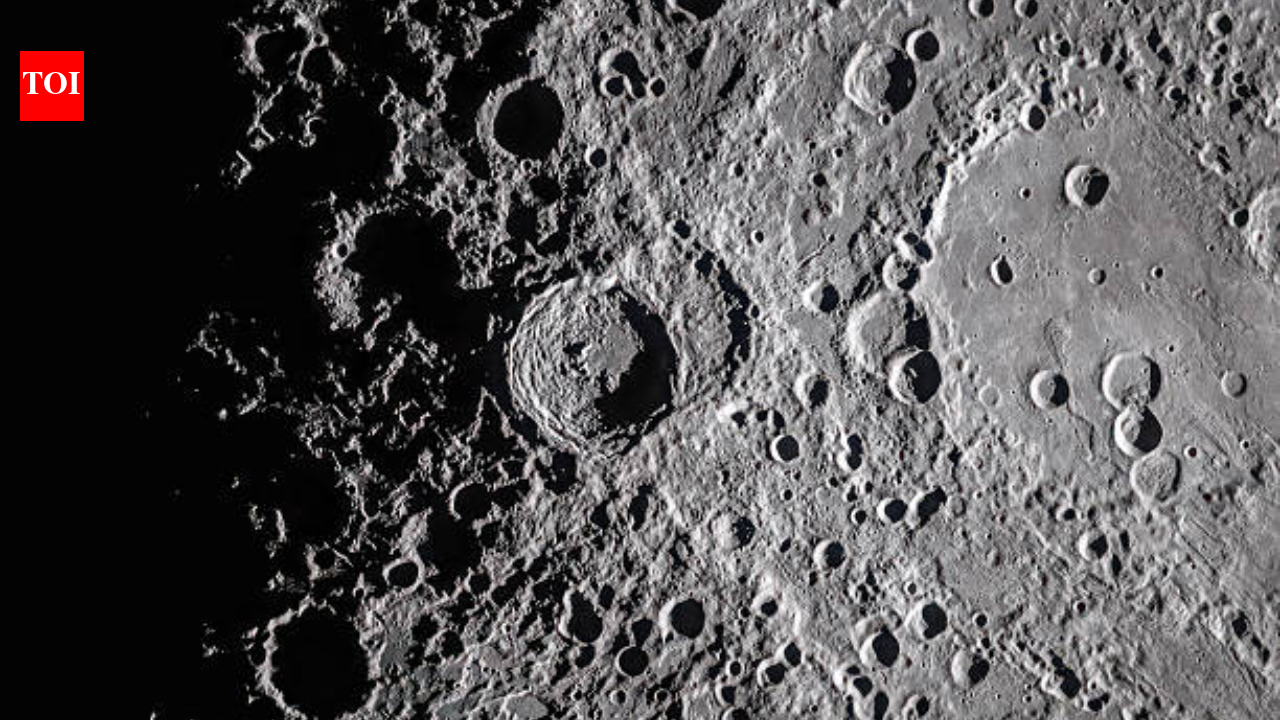
Scientists found a magnetic mineral never before seen naturally in Moon samples; Chang’e-6 brought the material back from the lunar surface, where it survived inside tiny impact-glass particles

Scientists found a magnetic mineral never before seen naturally in Moon samples; Chang’e-6 brought the material back from the lunar surface, where it survived inside tiny impact-glass particles

About 4.25 billion years ago, the Moon possessed a powerful core dynamo with a field strength comparable to or even exceeding modern Earth’s. This magnetic field, generated by circulating molten metal, completely shut down as the interior cooled and core crystallisation ceased, leaving the Moon without a global magnetic field in the present. While it … Read more

A meteor crater in Oklahoma is nearly 100 million years younger than scientists thought; new zircon dating puts the ancient impact at about 370 million years ago

A meteor crater in Oklahoma is nearly 100 million years younger than scientists thought; new zircon dating puts the ancient impact at about 370 million years ago

Researchers at the University of Texas at Austin have discovered that a meteor hit Ames, Oklahoma, at a different time than previously believed.Under the small town of Ames, a crater lies buried beneath layers of rock. The crater is also important today because the area is a major oil and gas-producing region. Researchers have now … Read more

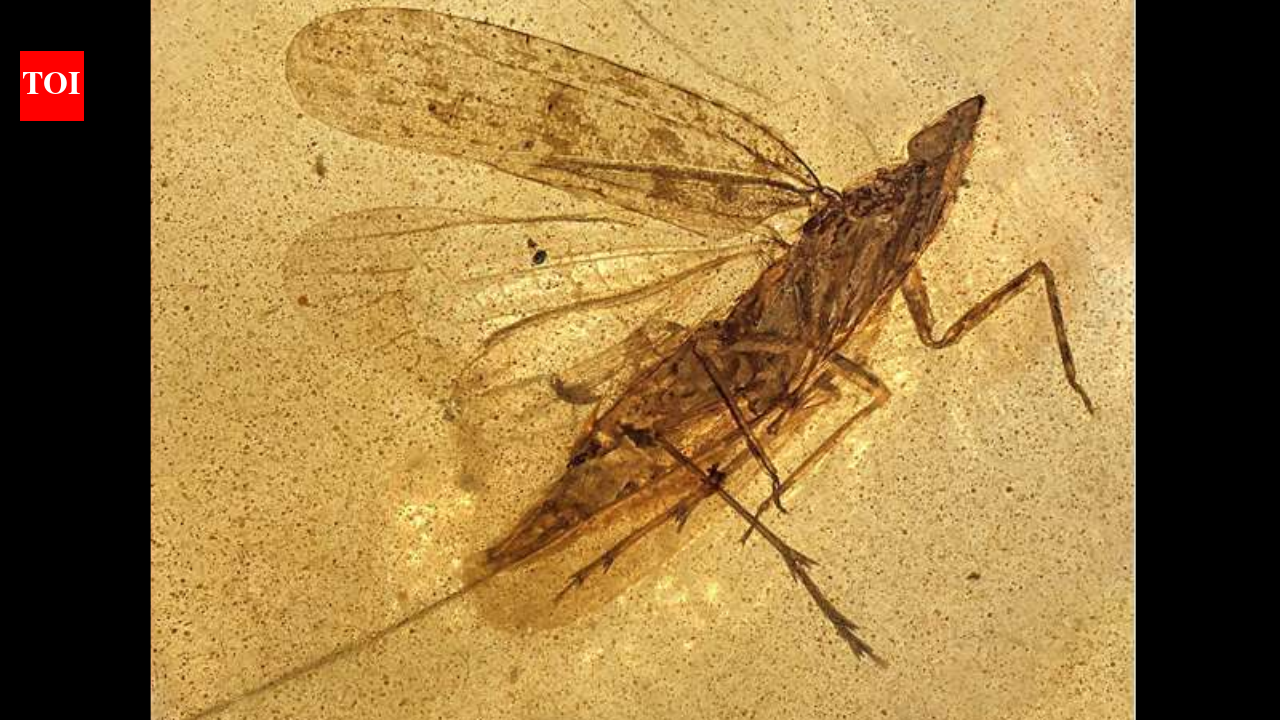
Scientists examined 13 insects trapped in 99-million-year-old amber and identified a new species whose flexible mouthpart reached nearly twice its body length, possibly letting it probe deep into tree bark for sap

Scientists examined 13 insects trapped in 99-million-year-old amber and identified a new species whose flexible mouthpart reached nearly twice its body length, possibly letting it probe deep into tree bark for sap

Not much in the world has survived to be known as old as the dinosaurs, but when it comes to a recently discovered insect species, the statement holds true. Some 99 million years ago, a tiny insect belonging to a previously unknown species became trapped in tree resin. The resin hardened and turned into amber; … Read more

Scientists found at least 10 likely new species of bizarre branching worms inside sea sponges; one was hiding in a museum specimen collected in Japan in 1914

Scientists found at least 10 likely new species of bizarre branching worms inside sea sponges; one was hiding in a museum specimen collected in Japan in 1914

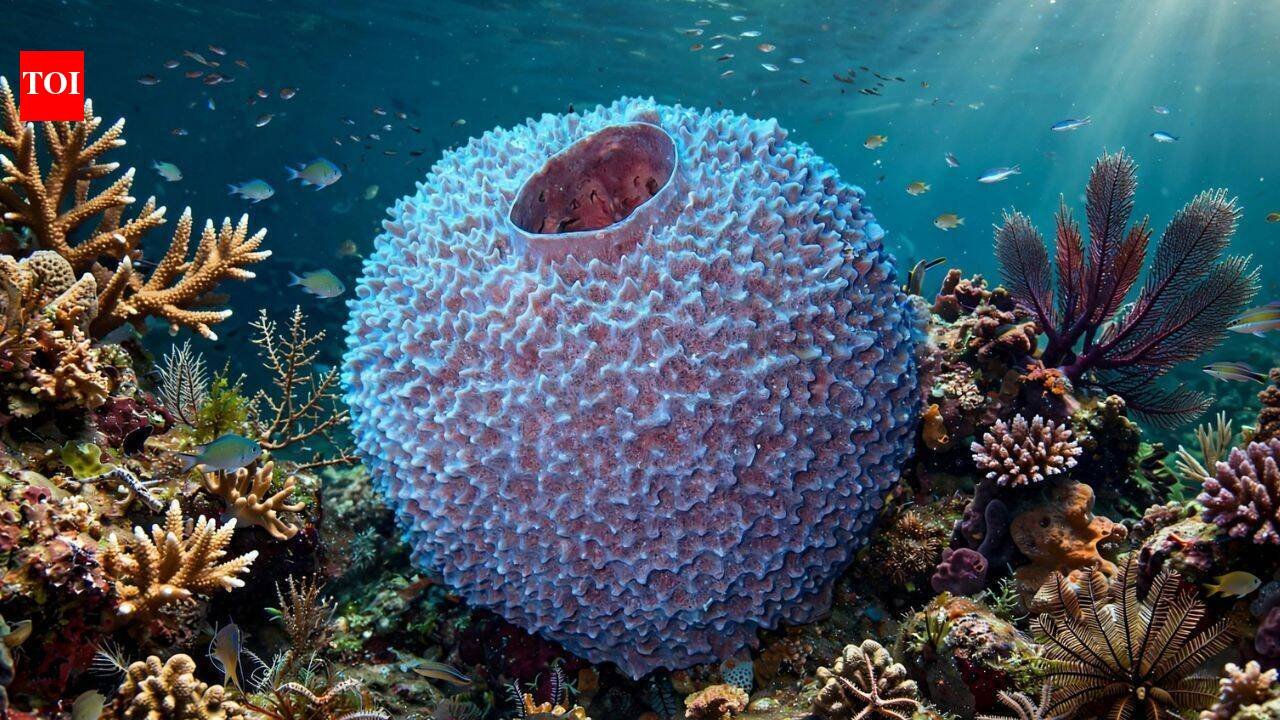
PC: Nicole de Voogd/University of Göttingen Scientists have discovered at least ten new species of branching marine worms after studying their DNA, newly collected specimens, and body structures. These unusual worms live inside sea sponges and have a distinctive body, with one head connected to a tree-like network of branches. For more than a century, … Read more

Lord Howe Island declared its rats eradicated, then scientists found suspicious rodents; DNA is revealing whether they are survivors or new invaders

Lord Howe Island declared its rats eradicated, then scientists found suspicious rodents; DNA is revealing whether they are survivors or new invaders

Lord Howe Island was considered free of rats after its rodent eradication programme ended in 2019. The last rat was detected on 9 October that year. However, black rats were found again in the island’s settlement area in April 2021.Scientists needed to determine whether these rodents had survived the eradication programme or arrived later. According … Read more

Burmese python mothers can generate heat while guarding their eggs; scientists documented the behaviour in a wild Florida nest

Burmese python mothers can generate heat while guarding their eggs; scientists documented the behaviour in a wild Florida nest

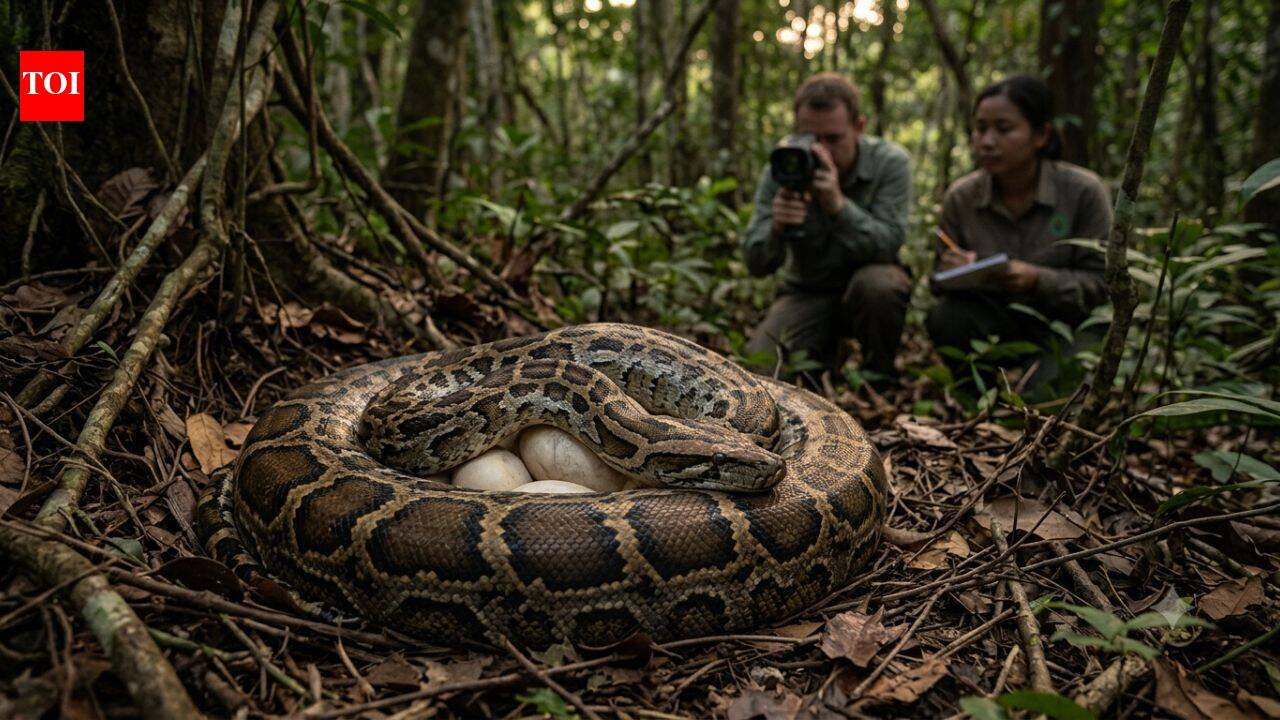
A Burmese python guarding a clutch of eggs may appear to be doing little more than lying tightly coiled around them. In fact, the female can play an active role in controlling the temperature inside the nest. When conditions become too cool, muscles along her body begin contracting rapidly, producing heat that raises her own … Read more

In 2021, scientists released fluorescent dye 1,870 metres deep in the North Atlantic; tracking it revealed canyon water rising about 100 metres a day, around 10,000 times the global average

In 2021, scientists released fluorescent dye 1,870 metres deep in the North Atlantic; tracking it revealed canyon water rising about 100 metres a day, around 10,000 times the global average

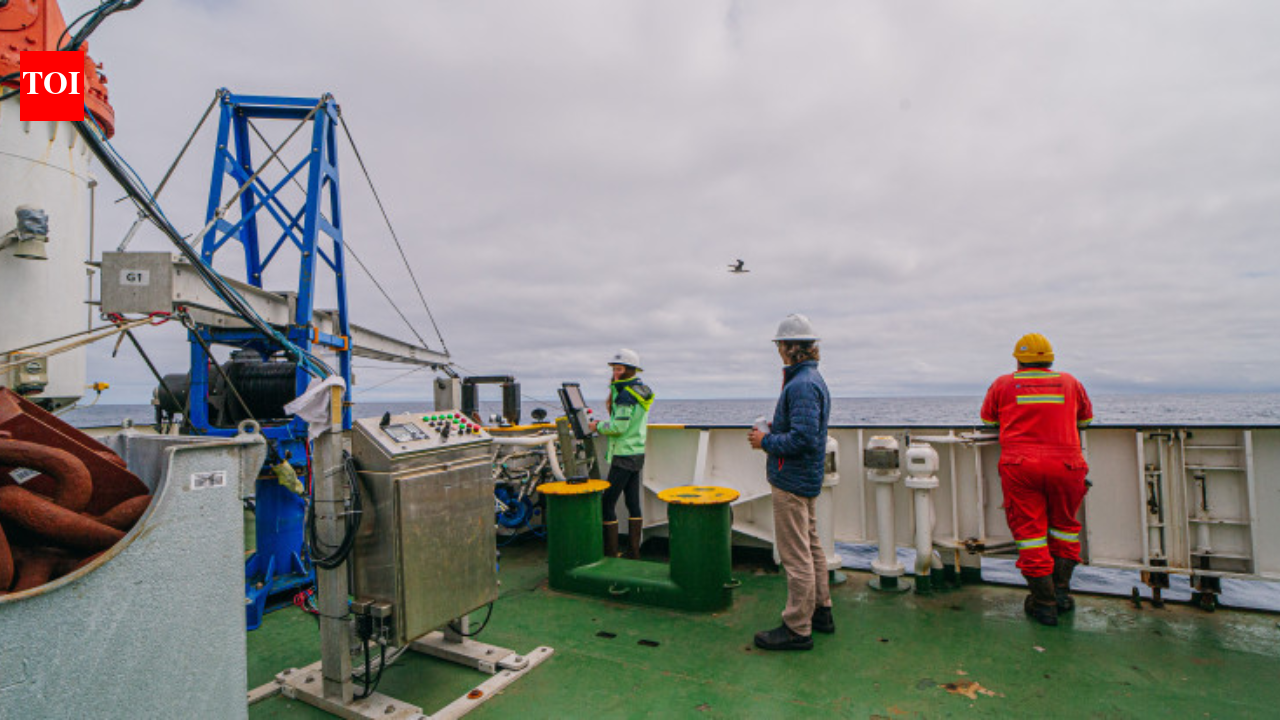
A fluorescent green dye released nearly 1,870 metres below the surface of the North Atlantic has helped scientists directly observe a long-suspected movement of deep ocean water, and the water was rising far faster at the study site than the global average previously estimated.In an experiment conducted in 2021, researchers released about 55 gallons of … Read more

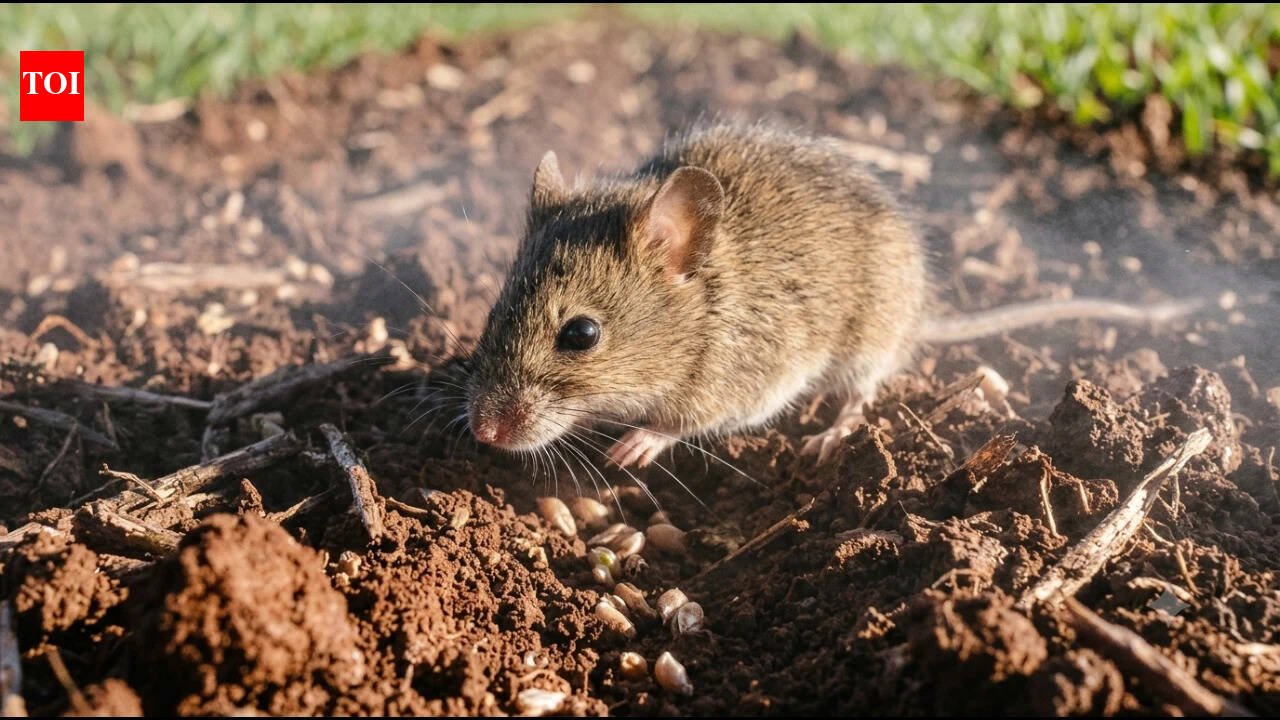
In 2021, Australian scientists sprayed wheat scent across farm plots to confuse hungry mice; the treatment reduced seed loss by up to 74% in a field experiment without poisoning the rodents

In 2021, Australian scientists sprayed wheat scent across farm plots to confuse hungry mice; the treatment reduced seed loss by up to 74% in a field experiment without poisoning the rodents

​Wheat seed loss fell 63% after wheat germ oil treatment (Representational AI image) Australian scientists have tested a non-toxic way to protect wheat seeds from hungry mice by making it harder for the rodents to locate them. In an experiment carried out in 2021, instead of poisoning the mice or using bait, the researchers sprayed … Read more