Indonesia replanted mangroves on Flores in 2013; 10 years later, restored forests supported 10 fauna species and stored up to 70 Mg CO2 per hectare
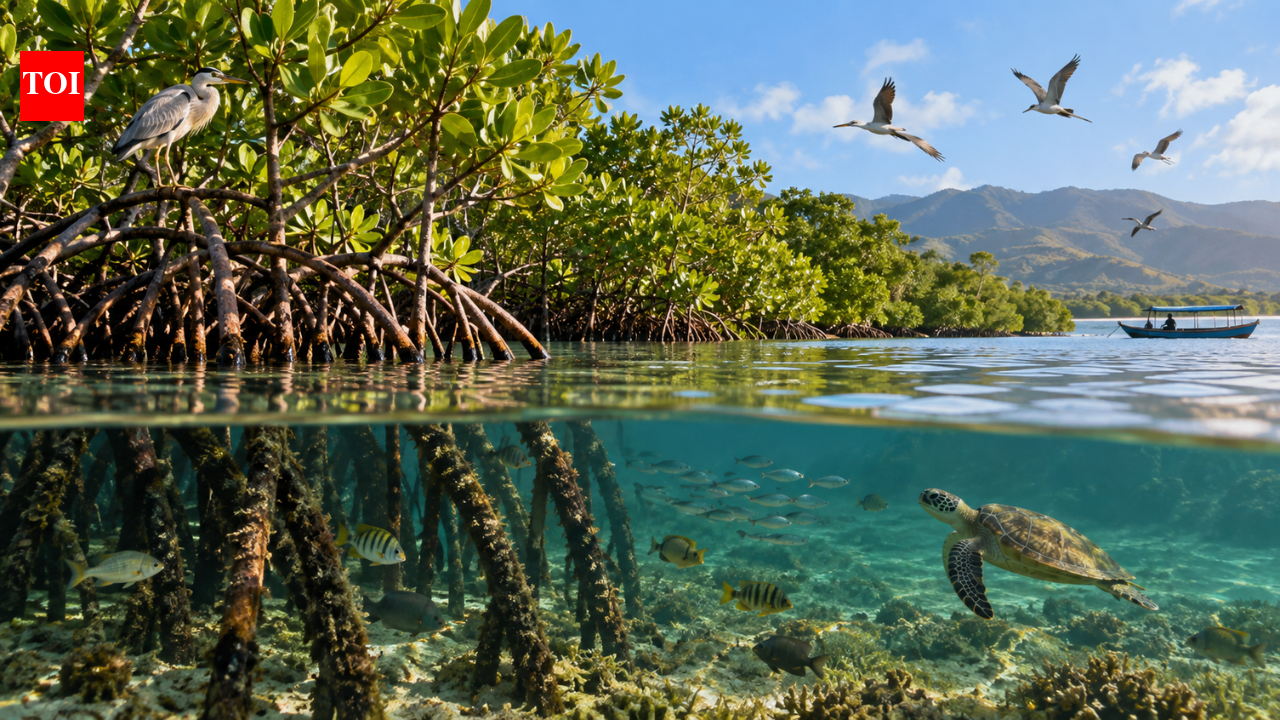
Indonesia replanted mangroves on Flores in 2013; 10 years later, restored forests supported 10 fauna species and stored up to 70 Mg CO2 per hectare

Indonesia’s Flores Island was the site of a mangrove reforestation project launched in 2013, with native seedlings planted along the coast between Ende and Sikka. Ten years later, researchers surveyed restored areas at Bangkoor, Kolisia and Talibura to assess plant and animal diversity, carbon sequestration and energy storage. The study recorded 10 mangrove species and … Read more
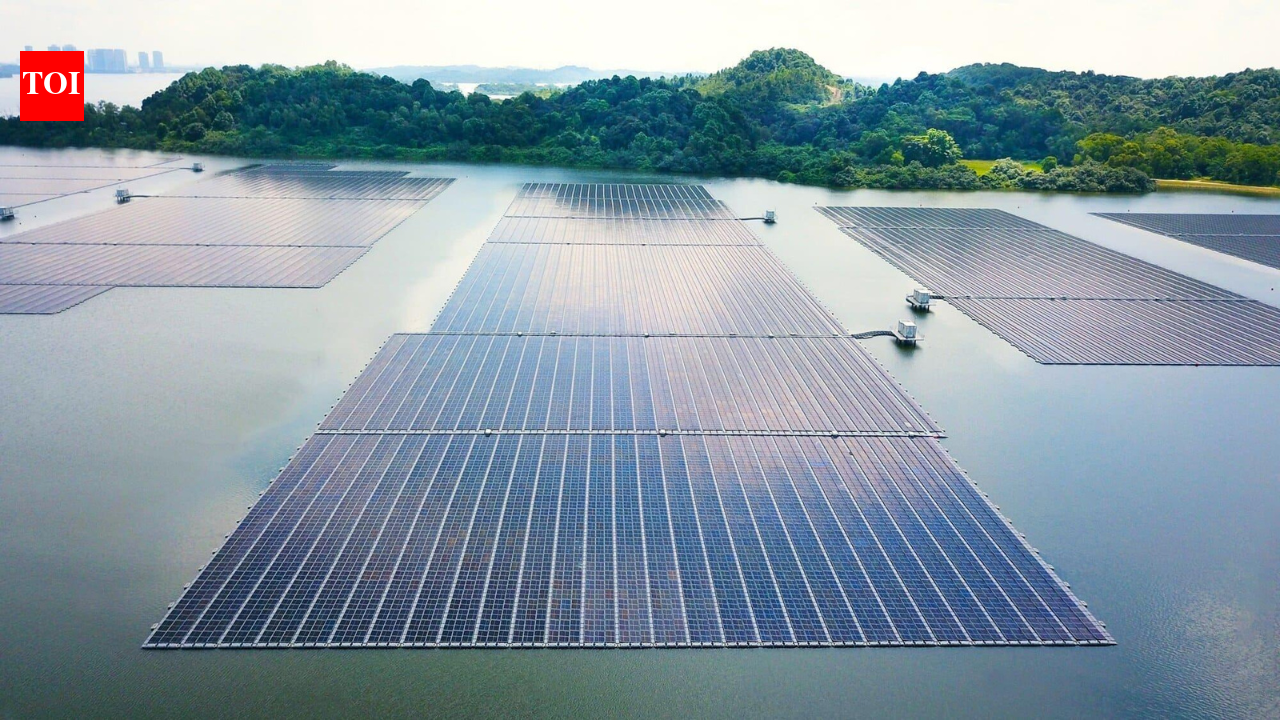
Singapore covered a reservoir with 122,000 floating solar panels; it now powers 5 water-treatment plants and cuts 32,000 tonnes of CO₂ every year

Singapore covered a reservoir with 122,000 floating solar panels; it now powers 5 water-treatment plants and cuts 32,000 tonnes of CO₂ every year

Singapore has turned part of a reservoir into a giant renewable-energy installation, covering about one-third of Tengeh Reservoir with more than 122,000 floating solar panels spread across 10 floating islands. The 45-hectare Sembcorp Tengeh Floating Solar Farm has a capacity of 60 MWp and generates electricity used to support five local water-treatment plants. The project … Read more

Scientists altered the air around a Wisconsin forest for 11 years; extra CO₂ drove 39% more productivity, but ozone reversed part of the gain

Scientists altered the air around a Wisconsin forest for 11 years; extra CO₂ drove 39% more productivity, but ozone reversed part of the gain

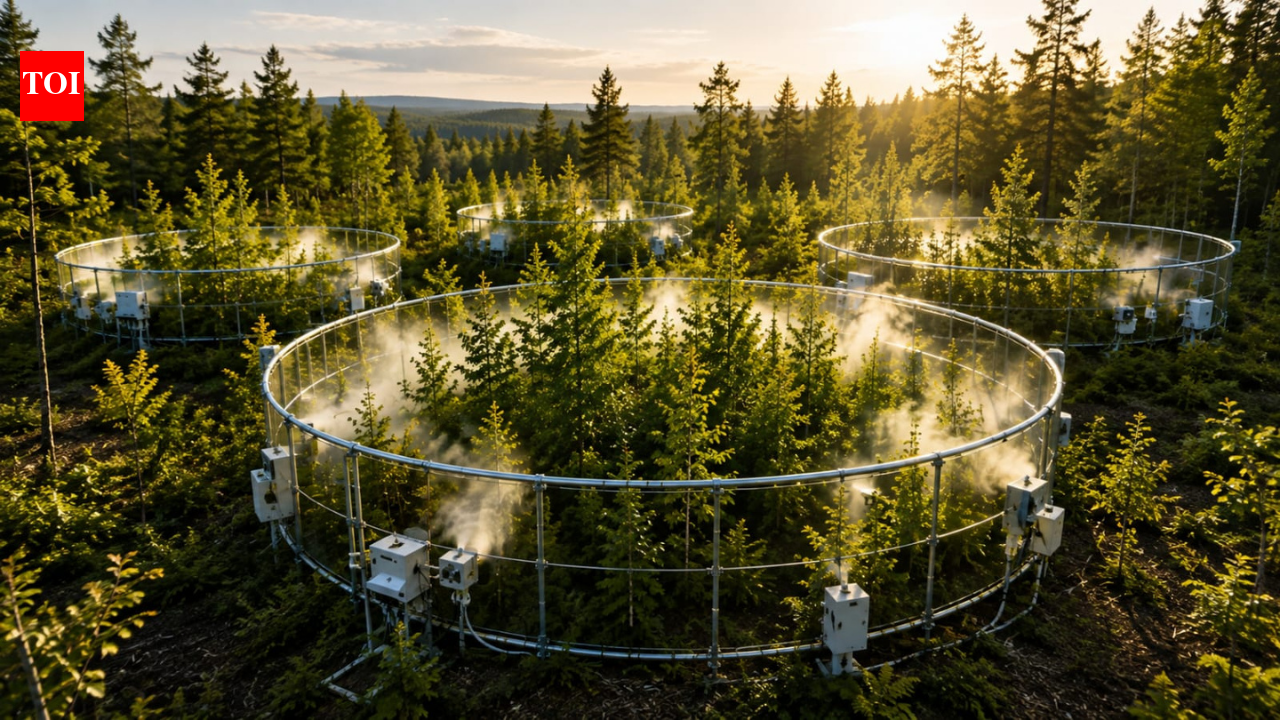
Representative Image (AI-generated) What happens when young forest communities spend more than a decade growing in air with unusually high levels of carbon dioxide and ozone? Scientists in Wisconsin set out to find the answer by changing the atmosphere around these communities and tracking how the trees responded over 11 years. The experiment, known as … Read more

Meet Luca McGill, the Arizona eighth-grader who flew a drone 120 metres into the sky expecting cities to have the most ground-level CO2; rural areas did instead

Meet Luca McGill, the Arizona eighth-grader who flew a drone 120 metres into the sky expecting cities to have the most ground-level CO2; rural areas did instead

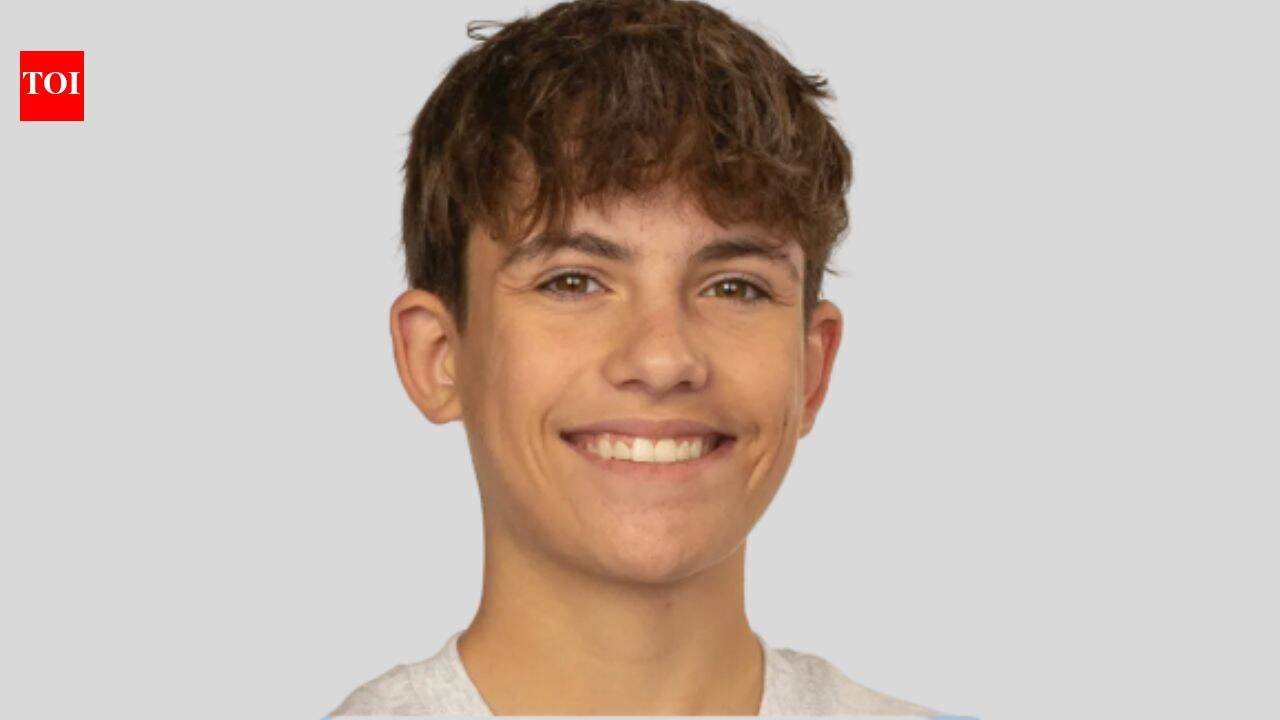
Luca McGillPhoto: Society for Science When 13-year-old Luca McGill set out to measure carbon dioxide in Arizona, he assumed the busiest city streets would naturally produce the highest levels. However, his custom drone experiments revealed a completely different reality. As documented by the Society for Science, which highlights young researchers through its Thermo Fisher Scientific … Read more