In 2015, New Jersey began installing 40 oyster reefs along about 800 metres of Gandy’s Beach; the structures later supported more than 800 live oysters per square metre and cut storm-wave height by up to 51%
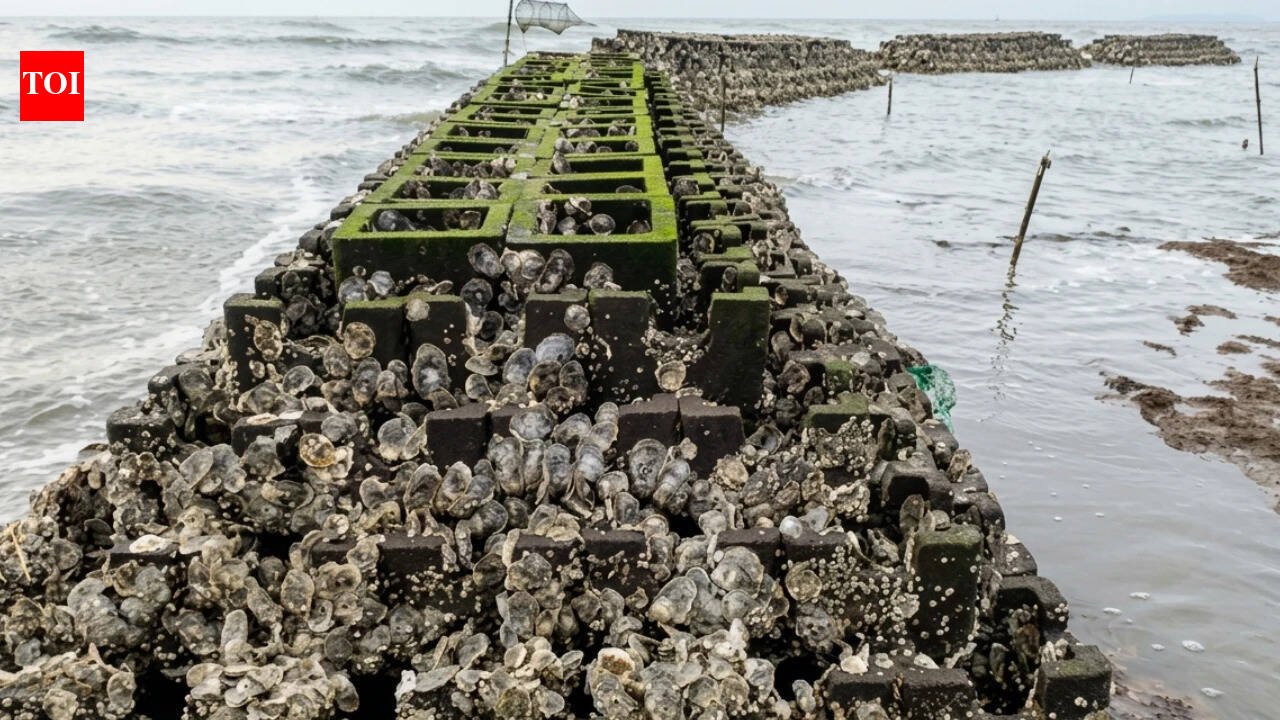
In 2015, New Jersey began installing 40 oyster reefs along about 800 metres of Gandy's Beach; the structures later supported more than 800 live oysters per square metre and cut storm-wave height by up to 51%

The project included 27 concrete “oyster castle” breakwaters and 13 shell-bag reefs. In an unusual effort to protect an eroding stretch of New Jersey’s Delaware Bay shoreline, 40 constructed oyster reefs were installed at Gandy’s Beach Preserve between 2015 and 2016.A new study published in Frontiers in Marine Science examined the project along with other … Read more
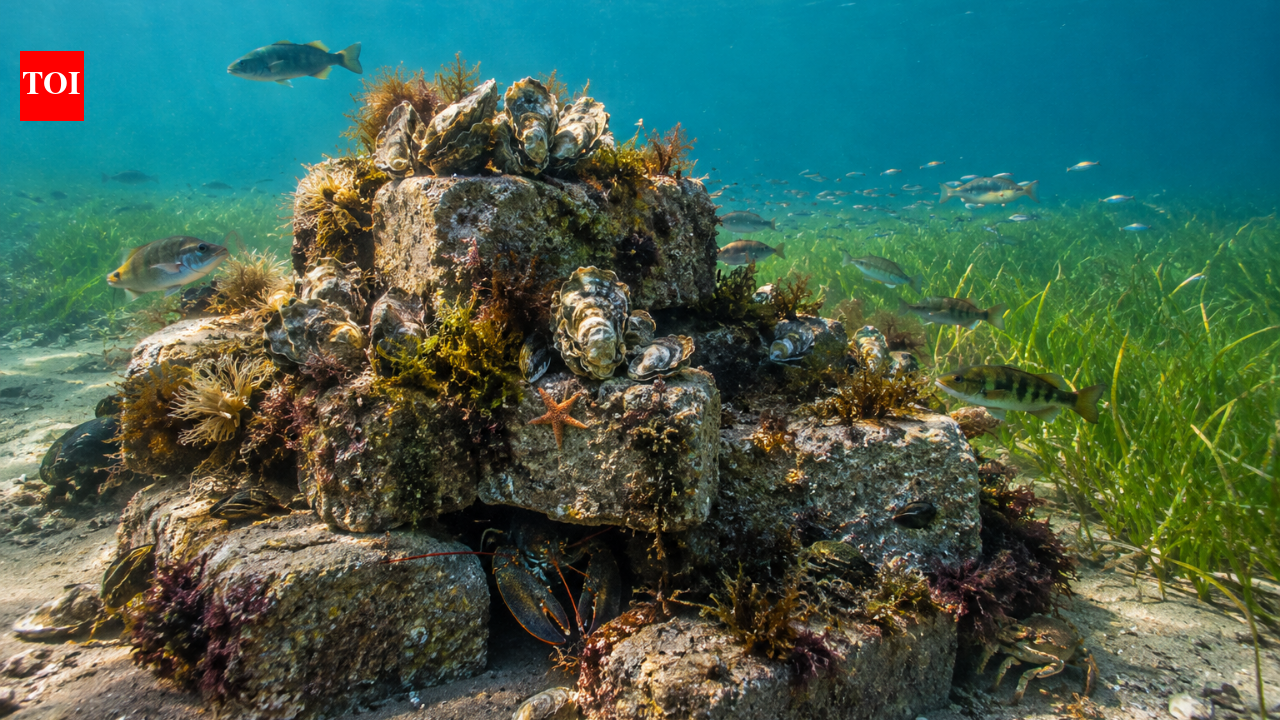
In 2021, researchers began placing concrete-block oyster reefs in bare eelgrass patches on Prince Edward Island; within two years biomass was about 45 times higher and 45 taxa had colonised the structures

In 2021, researchers began placing concrete-block oyster reefs in bare eelgrass patches on Prince Edward Island; within two years biomass was about 45 times higher and 45 taxa had colonised the structures

Representative Image (AI-generated) What started as piles of concrete blocks on the seafloor off Prince Edward Island soon became a magnet for marine life. Researchers began installing the artificial oyster reefs in 2021 to test whether they could provide some of the ecological functions lost from areas where eelgrass no longer grew. Within two years, … Read more

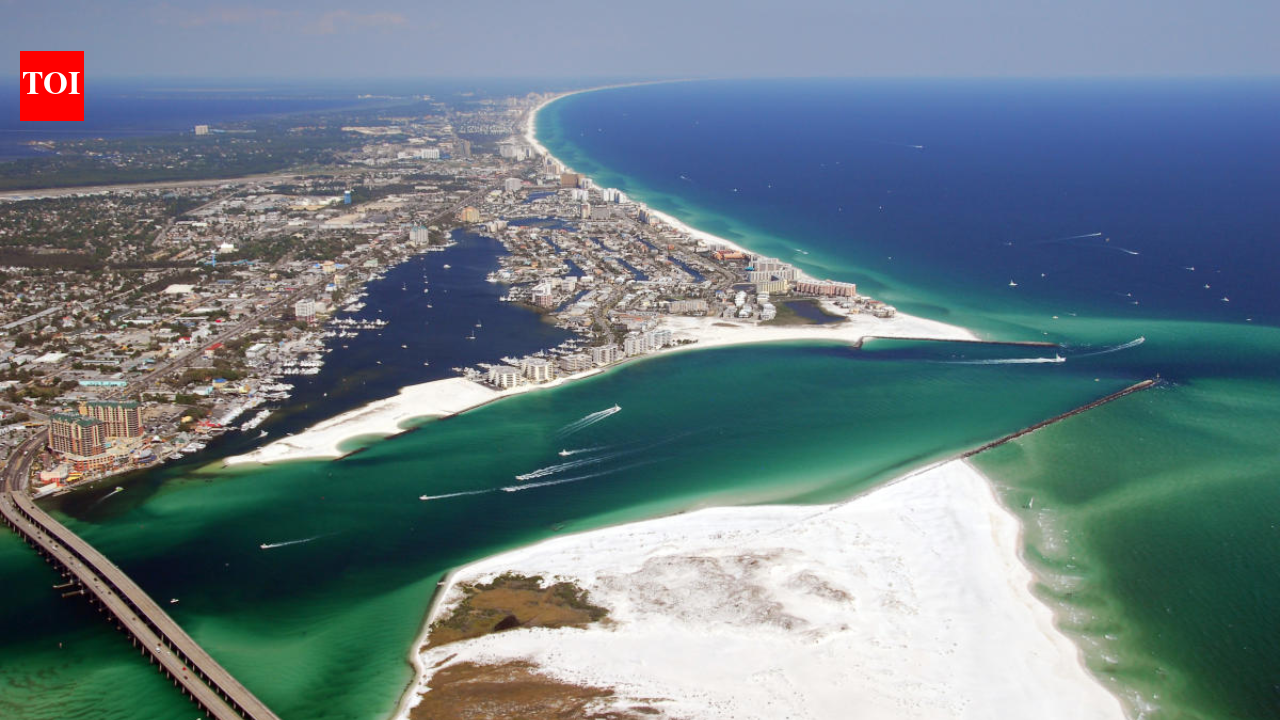
Florida is sinking 3 million pounds of repurposed concrete culverts off Destin-Fort Walton Beach; the discarded structures will form three artificial reefs, each built from about 500 tons of concrete

Florida is sinking 3 million pounds of repurposed concrete culverts off Destin-Fort Walton Beach; the discarded structures will form three artificial reefs, each built from about 500 tons of concrete

More than 1,300 tonnes of old concrete pipes are being dropped into the Gulf of Mexico to create a series of artificial reefs off the coast of Destin-Fort Walton Beach, Florida. The project uses three million pounds of recycled concrete culverts to create three separate underwater habitats. Each site will receive about 500 tons of … Read more

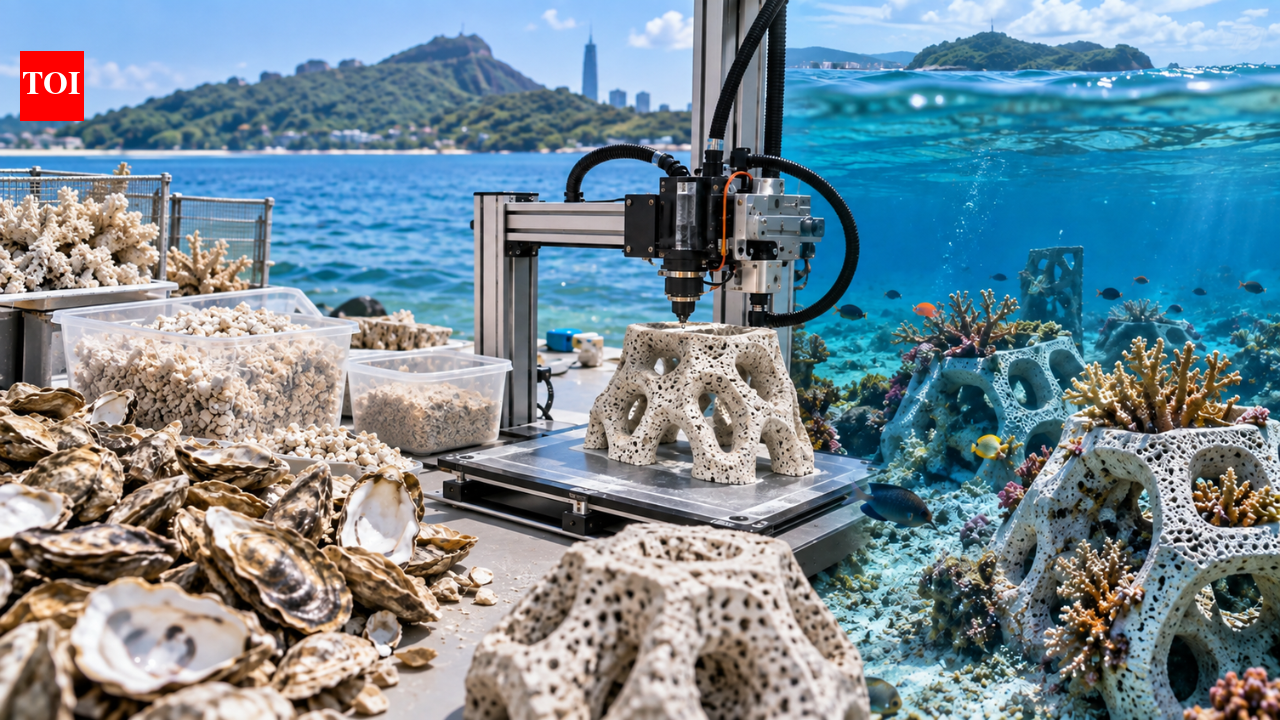
Taiwanese students are turning discarded oyster shells and coral waste into 3D-printed structures for damaged reefs

Taiwanese students are turning discarded oyster shells and coral waste into 3D-printed structures for damaged reefs

A group of students in Taiwan has found a way to give discarded shellfish waste a second life beneath the waves. Their project, named Reefvive, takes oyster shells and coral gravel that would otherwise be thrown away and turns them into 3D-printed bases for growing coral. According to the James Dyson Award, the structures have … Read more

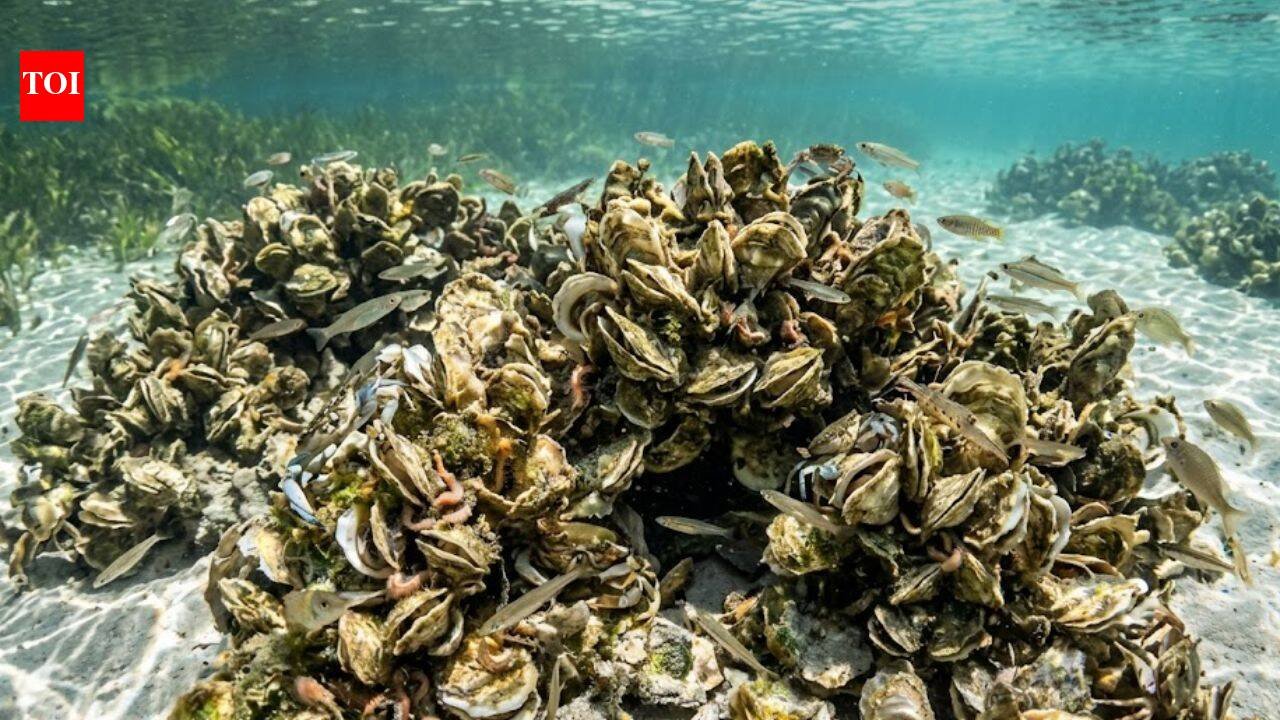
Scientists rebuilt oyster reefs in Florida; within 18 months, the wider marine animal community began returning

Scientists rebuilt oyster reefs in Florida; within 18 months, the wider marine animal community began returning

Restoring damaged oyster reefs can bring back the small marine animals that depend on them. A study examined restored, living, and dead oyster reefs in Florida’s Indian River Lagoon to track how their macroinvertebrate communities changed after restoration. The researchers collected 20,087 marine invertebrates representing 41 species from 14 families. Over time, the communities on … Read more

In 2013, California began removing millions of purple urchins from barren reefs; seven years later, more than 55 acres of kelp forest had returned

In 2013, California began removing millions of purple urchins from barren reefs; seven years later, more than 55 acres of kelp forest had returned

Kelp forests are among the most productive ecosystems in the ocean. They provide habitat for fish and invertebrates while supporting marine mammals and other wildlife. [Photo credit: Enric Sala, National Geographic] Beneath the waves off Southern California, a once-lush underwater forest had been reduced to something resembling a desert. Kelp that had provided shelter and … Read more

In 2015, Paul Allen launched a global shark survey across 58 countries; cameras later found sharks missing from nearly 20% of reefs

In 2015, Paul Allen launched a global shark survey across 58 countries; cameras later found sharks missing from nearly 20% of reefs

In 2015, Microsoft co-founder Paul Allen launched Global FinPrint, a global survey that eventually deployed thousands of underwater cameras across coral reefs in 58 countries. The project was led by researchers at Florida International University and funded by the Paul G. Allen Family Foundation, with more than 120 researchers across the western Atlantic, the Indian … Read more