In 2023, Australia put a 330-square-metre floating wetland on a wastewater lagoon; two years later researchers found methane emissions had fallen by up to 66%
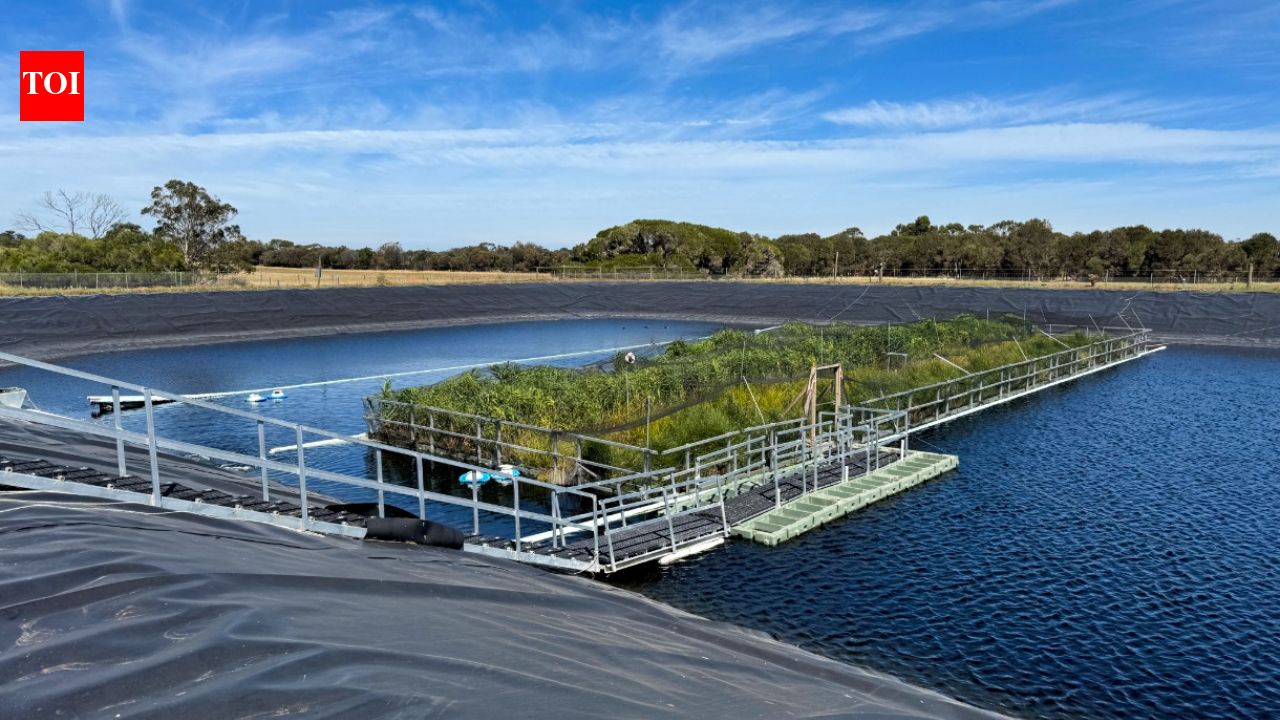
In 2023, Australia put a 330-square-metre floating wetland on a wastewater lagoon; two years later researchers found methane emissions had fallen by up to 66%

Floating wetlands slash wastewater greenhouse gas emissions Installing a floating wetland planted with native vegetation on an Australian municipal wastewater lagoon cut methane emissions by up to 66 per cent, according to the results of a two-year field trial. Published on 25 August 2026 in the Journal of Environmental Management, the peer-reviewed study looked at … Read more

Brazil planted vast eucalyptus forests for pulp; 45 years later scientists found groundwater had fallen by 4.5 metres

Brazil planted vast eucalyptus forests for pulp; 45 years later scientists found groundwater had fallen by 4.5 metres

Brazil’s eucalyptus industry was built on a simple promise: grow trees quickly, harvest them for pulp and create a renewable supply for the global paper industry. Over decades, however, the enormous plantations have transformed landscapes across parts of the country, raising concerns about what happens to water beneath the trees. In one eucalyptus-growing region of … Read more

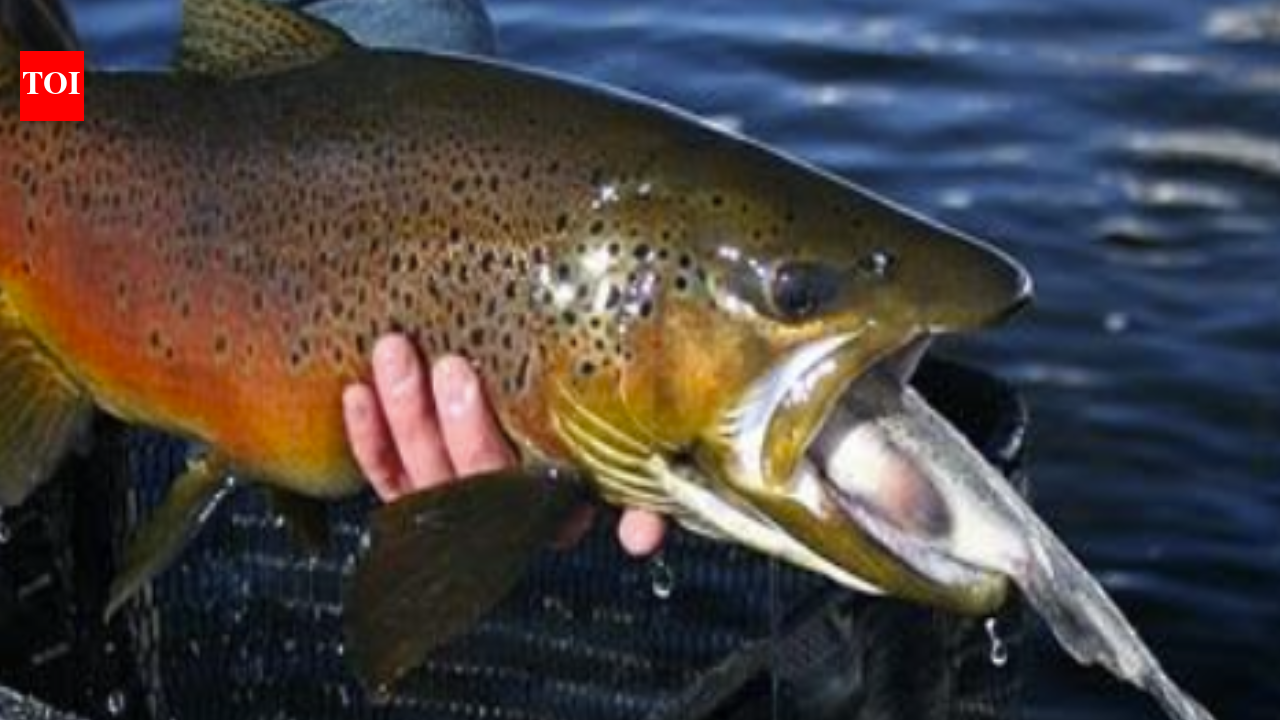
In 2003, crews began removing non-native fish from the Grand Canyon; by 2006 rainbow trout’s share of the catch had fallen from about 90% to under 10%

In 2003, crews began removing non-native fish from the Grand Canyon; by 2006 rainbow trout’s share of the catch had fallen from about 90% to under 10%

In the depths of the Grand Canyon, scientists were trying to give native fish a better chance of survival, by taking other fish out of the Colorado River. A four-year fish-removal experiment conducted between 2003 and 2006 dramatically changed the composition of fish being caught in one section of the river. According to a 2011 … Read more

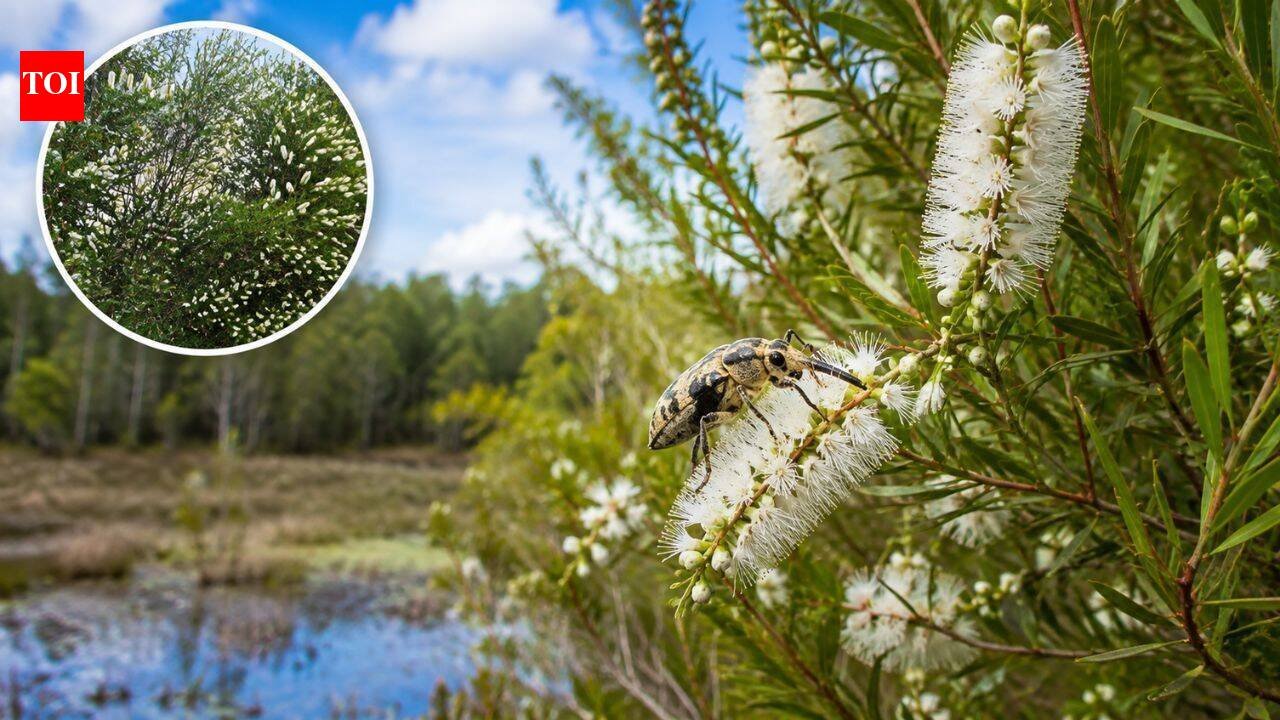
In 1997, Florida released Australian insects to fight an invasive tree. Nearly three decades later, its invaded range has fallen by about 75%

In 1997, Florida released Australian insects to fight an invasive tree. Nearly three decades later, its invaded range has fallen by about 75%

For decades, a tree from Australia spread across South Florida’s wetlands with little to hold it back. Melaleuca quinquenervia, often called paperbark, had been introduced to Florida for practical reasons, including landscaping and efforts to alter wet ground. It eventually escaped those uses and established dense stands across parts of the Everglades and surrounding wetlands. … Read more