In 1994, invasive lake trout appeared in Yellowstone Lake; spawning cutthroat fell up to 95%, but removing 4.9 million has aided recovery
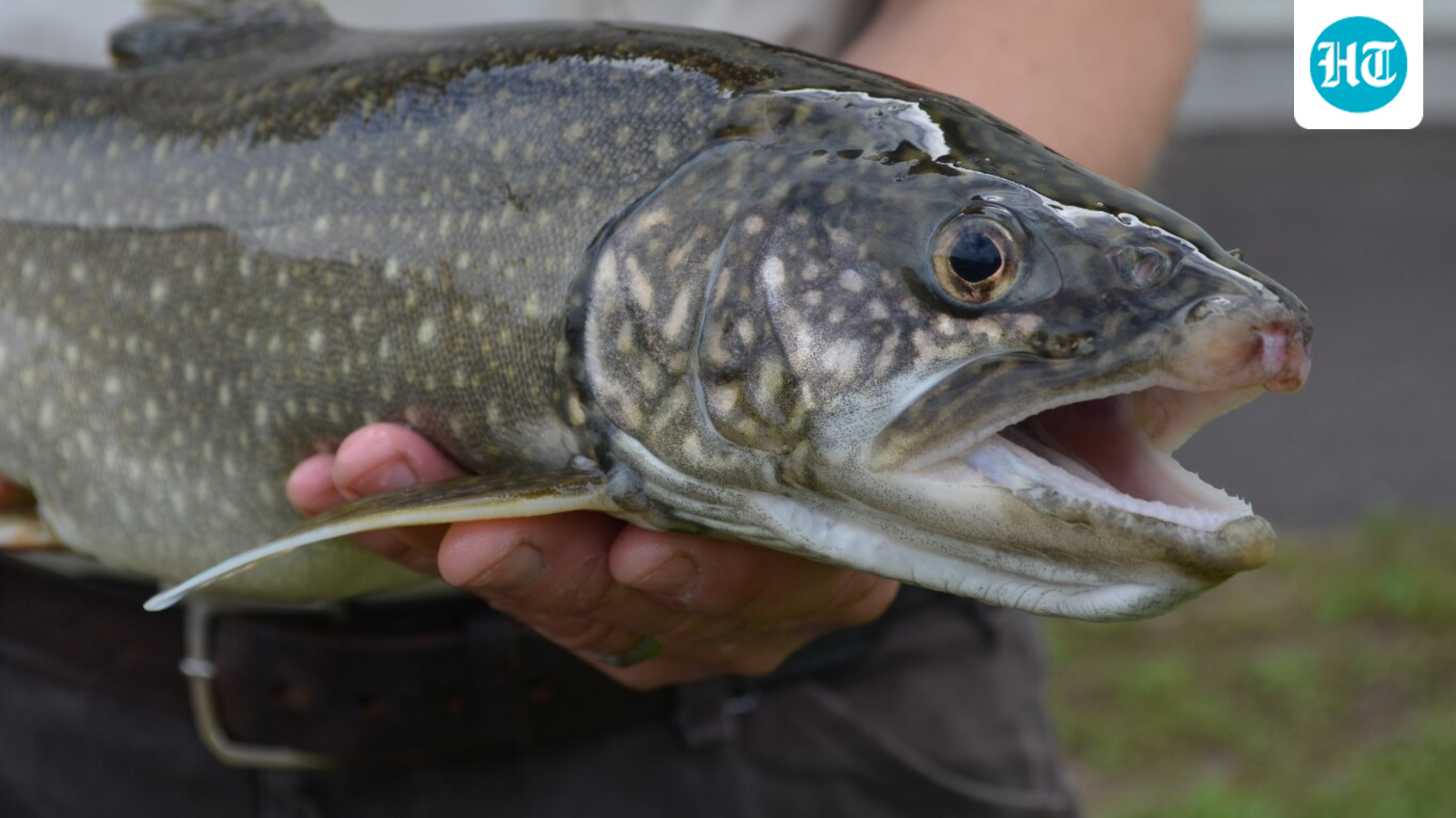
Yellowstone’s lake trout suppression program has removed 4.9 million invasive fish, helping cutthroat trout and wildlife begin to recover. Yet native trout remain below management targets, and officials say sustained removal, funding, and monitoring are needed. (Wikimedia Commons)

During summer mornings at Yellowstone Lake, workers in rubber boots and life jackets pull up gillnets in an effort to reverse years of ecological damage. By October, the seasonal fishing operation typically winds down after deploying thousands of miles of gillnets, according to the National Park Service (NPS). The target is an invasive fish first … Read more

In 2024, California removed an 18-foot dam from Neefus Gulch and restored 1,600 feet of stream; by January 2026, 8 spawning nests were recorded above barriers salmon had been unable to pass for 70+ years

In 2024, California removed an 18-foot dam from Neefus Gulch and restored 1,600 feet of stream; by January 2026, 8 spawning nests were recorded above barriers salmon had been unable to pass for 70+ years

In 2024, California removed an 18-foot dam from Neefus Gulch and restored 1,600 feet of stream, reopening habitat that salmon had been unable to reach for more than seven decades. By January 2026, surveys recorded eight spawning nests, known as redds, in the newly accessible reaches above the former barrier, a sign that endangered Central … Read more

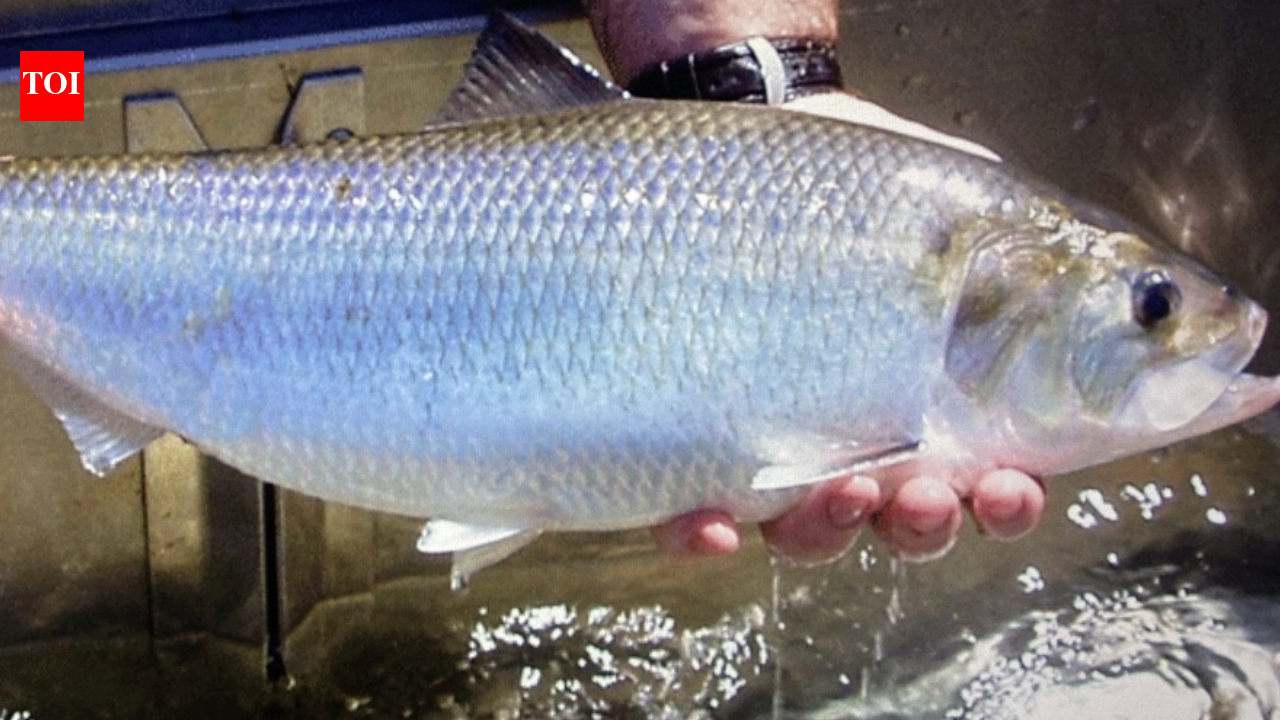
In 2014, Virginia removed a dam that had blocked migrating fish for over 70 years; nearly 130 miles of upstream spawning and nursery habitat reopened

In 2014, Virginia removed a dam that had blocked migrating fish for over 70 years; nearly 130 miles of upstream spawning and nursery habitat reopened

For decades, a concrete barrier on Virginia’s Appomattox River stood between migratory fish and more than 120 miles of upstream habitat. In 2014, its removal changed that. The Harvell Dam in Petersburg was taken out as part of a collaborative restoration effort, reconnecting roughly 127 miles of river for migratory and resident fish, according to … Read more

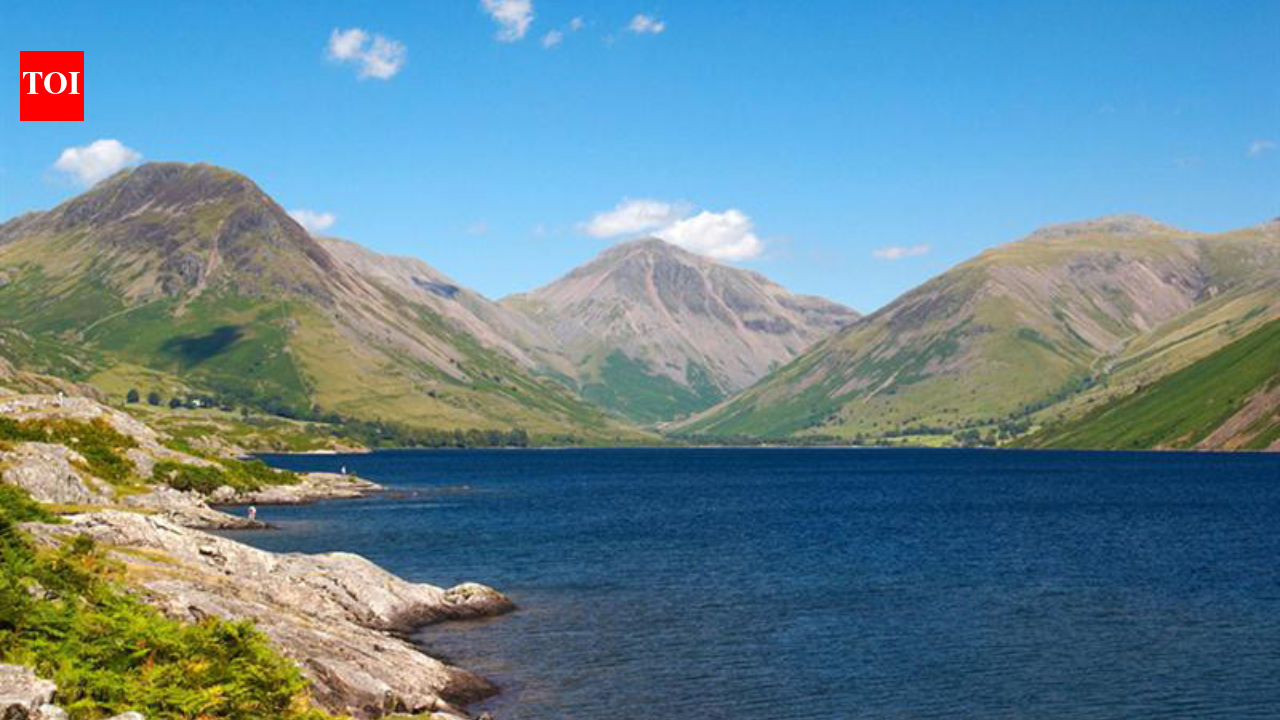
In 2016, conservationists put the bends back into a Lake District river straightened 200 years earlier; within months, Atlantic salmon were spawning there for the first time in centuries

In 2016, conservationists put the bends back into a Lake District river straightened 200 years earlier; within months, Atlantic salmon were spawning there for the first time in centuries

Centuries after people forced a Cumbrian river into a straight, artificial channel, nature has reclaimed its original course in the Lake District, bringing endangered wild fish back to historic spawning grounds almost immediately. In the summer of 2016, conservationists restored a 1.1-kilometre stretch of Swindale Beck near Haweswater by putting its natural bends back into … Read more