Maine students and residents planted 12,000 dune-grass stalks after two 2024 storms washed away dunes; in 2026, volunteers returned with 20,000 more to rebuild the beach
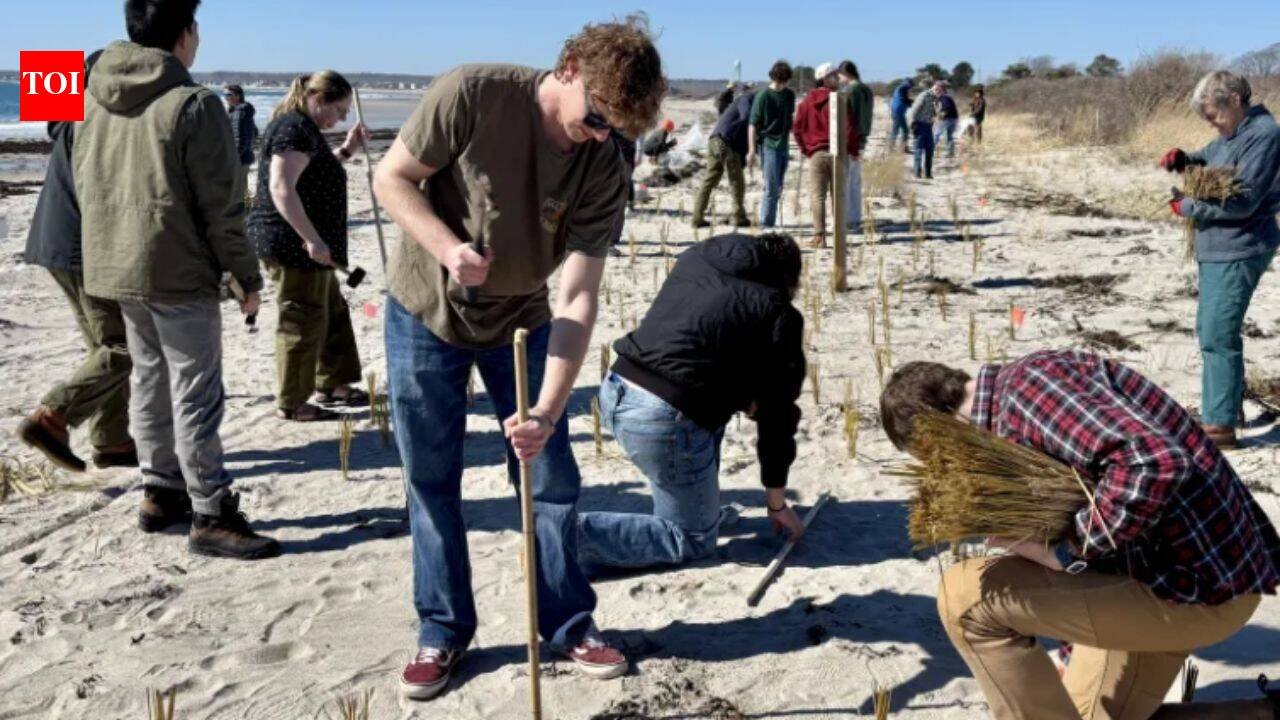
Maine students and residents planted 12,000 dune-grass stalks after two 2024 storms washed away dunes; in 2026, volunteers returned with 20,000 more to rebuild the beach

University of New England students plant dune grass at Biddeford Pool beach in Maine. A beach in Biddeford Pool, Maine, is being rebuilt with the help of dune grass. In March 2026, University of New England students and local volunteers planted 20,000 stalks across about 20,000 square feet, continuing a restoration effort that began after … Read more
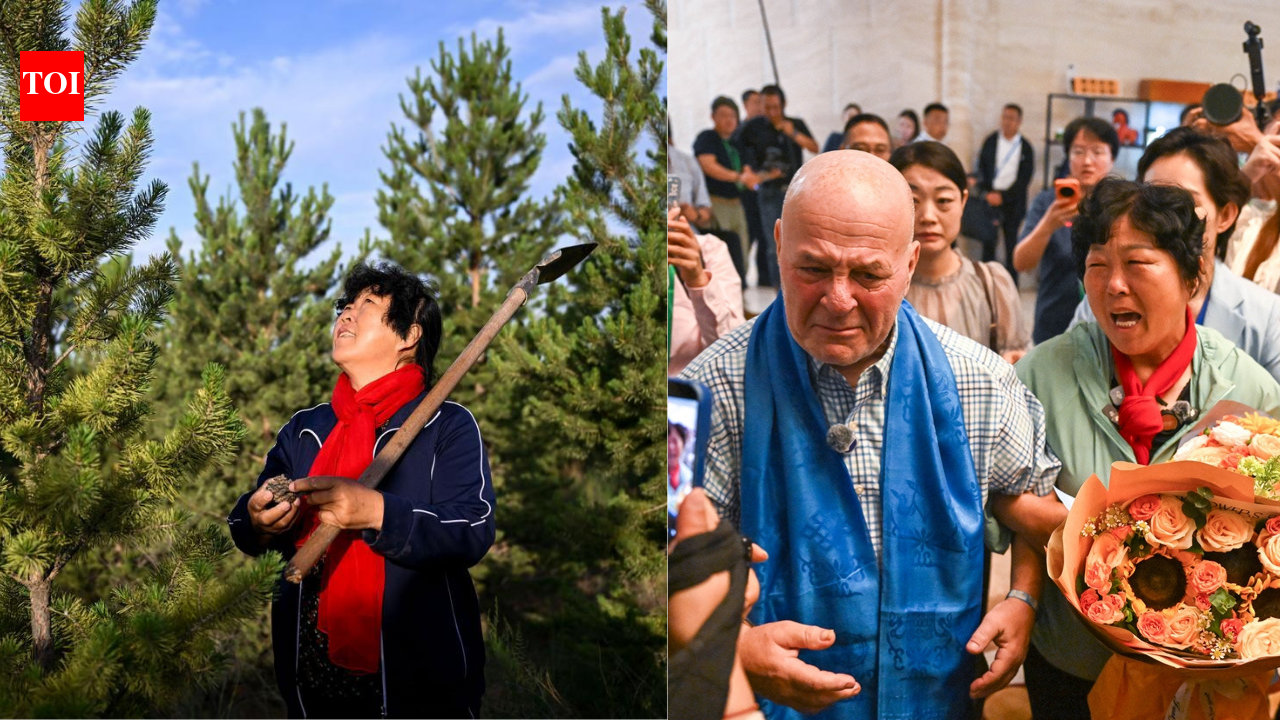
In 1999, an American teacher donated $5,000 to a Chinese woman fighting desertification; with his support, she planted a 50,000-tree forest, and 27 years later, they reunited in tears

In 1999, an American teacher donated $5,000 to a Chinese woman fighting desertification; with his support, she planted a 50,000-tree forest, and 27 years later, they reunited in tears

In 1999, American teacher Ronald Sakolsky was teaching English in Luoyang, China, when a television report about Yin Yuzhen, a woman battling desertification in Inner Mongolia’s Mu Us Sandy Land, moved him deeply. He decided to help and spent about two months raising $5,000 through a US-based charity to support Yin’s tree-planting work. The money … Read more

Ireland’s ancient rainforest vanished after thousands of years of human activity. Now nearly 30,000 trees are being planted to bring it back

Ireland’s ancient rainforest vanished after thousands of years of human activity. Now nearly 30,000 trees are being planted to bring it back

Almost 30,000 young native trees have been planted at Lenamore Wood in Northern Ireland, marking the beginning of a restoration project that could take a century to mature. Oak, alder and rowan now cover parts of the 41-acre site near Gortin, though the future woodland is still difficult to picture. The trees remain small, sheltered … Read more

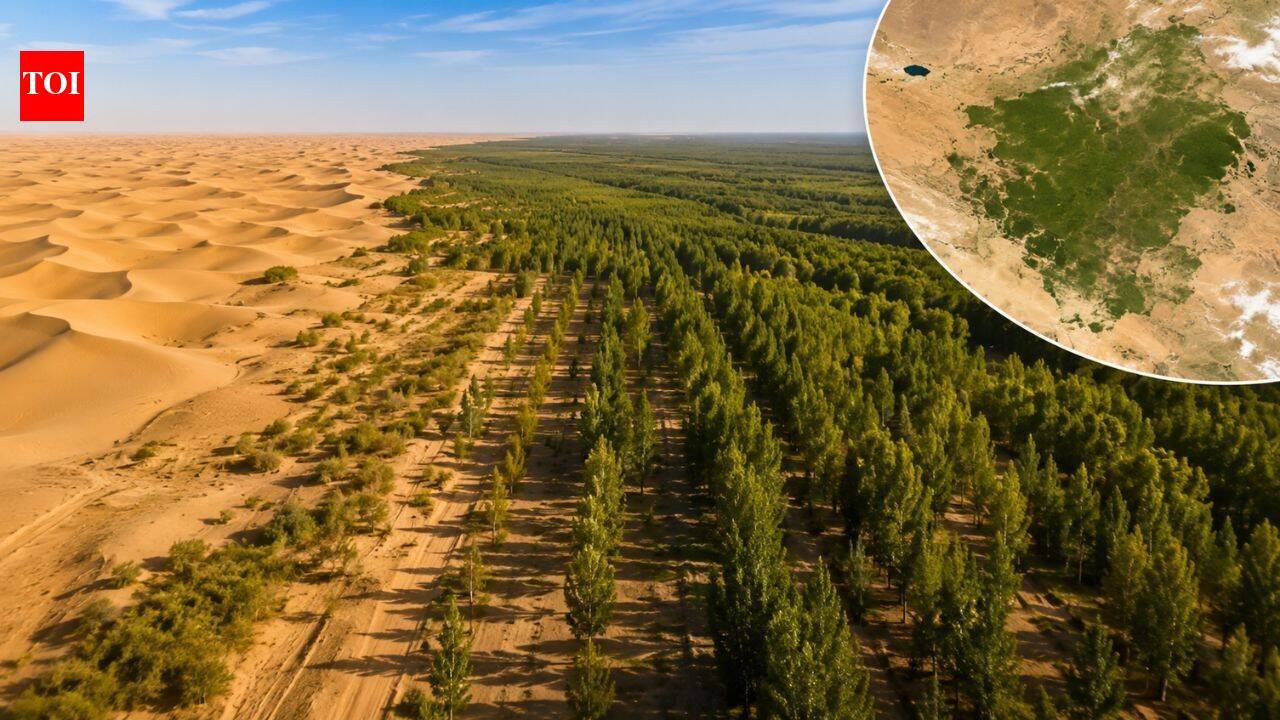
China planted trees the Taklamakan Desert for nearly 50 years. Satellites now show the landscape is capturing more carbon than it releases

China planted trees the Taklamakan Desert for nearly 50 years. Satellites now show the landscape is capturing more carbon than it releases

China’s shelterbelt initiative has made remarkable strides, turning arid desert borders into thriving carbon sinks. Through strategic vegetation choices, this project now captures more carbon dioxide than it expels. This achievement is anchored in mountain meltwater, vital for its irrigation systems. The initiative showcases the powerful impact of ecological restoration given optimal environmental conditions, though … Read more