
California brought in ice plant for erosion control in the early 1900s; the invasive succulent can form dense mats and grow over 3 feet wide in a year
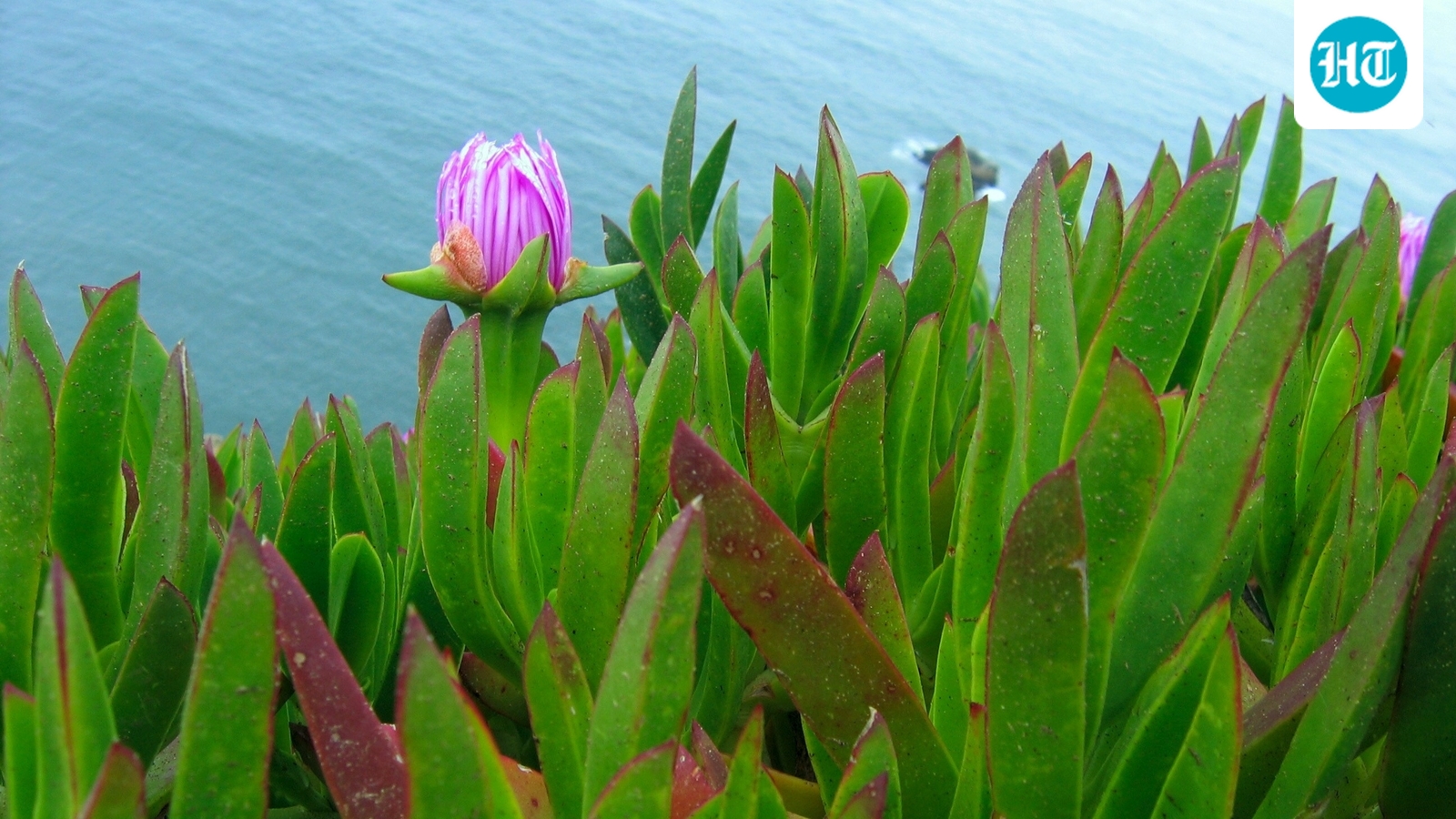
Once planted to control erosion, South African ice plant has spread along California’s coast, forming dense mats that displace native species and alter dune habitats. Park monitoring found it in eight of 12 plots, and volunteers work to remove it. (Wikimedia Commons)

In the early 1900s, California planted the ice plant on railway embankments as a means to control erosion, and the California Department of Transportation (Caltrans) later planted it in roadside areas. This succulent plant, known as Carpobrotus edulis, is native to the coastal regions of South Africa, which has the same type of climate as … Read more
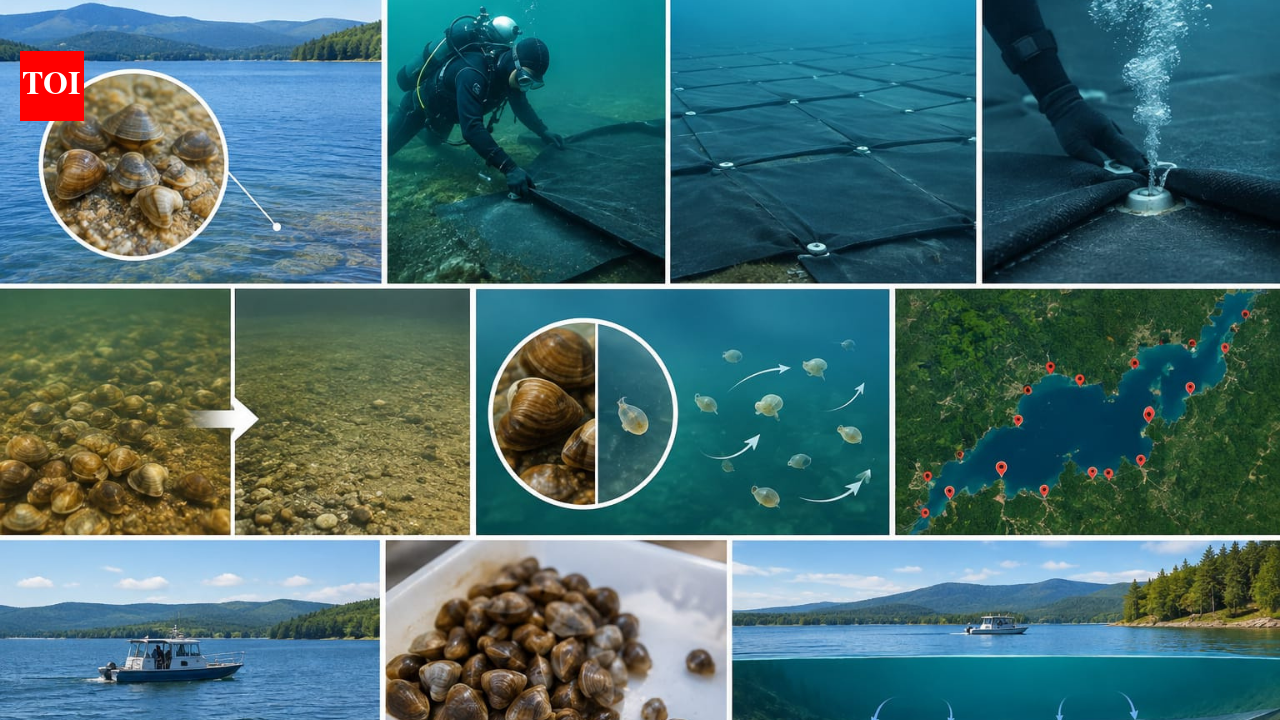
In 2011, New York covered five acres of Lake George with more than 700 mats to suffocate invasive Asian clams; 97% died, but the invader later spread to 27 locations

In 2011, New York covered five acres of Lake George with more than 700 mats to suffocate invasive Asian clams; 97% died, but the invader later spread to 27 locations

Representative Image (AI-generated) When invasive Asian clams were discovered in Lake George, New York, in 2010, researchers moved quickly to test whether covering the lakebed could stop the species from spreading. According to a final report by the Darrin Fresh Water Institute at Rensselaer Polytechnic Institute, published through the Lake Champlain Basin Program, a large-scale … Read more