World’s last known wild Chilean tree daisy gets a lifeline as conservationists use ropes to support its only survivor and two seedlings arrive at a Scottish garden
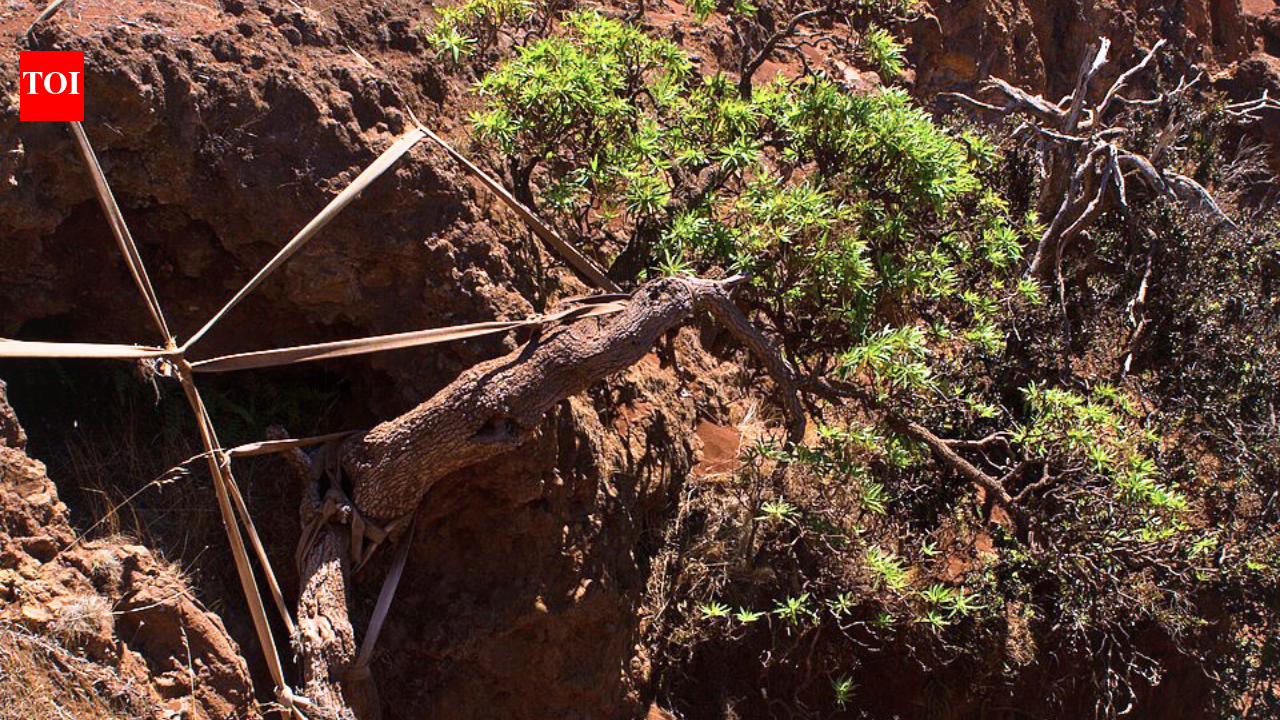
World's last known wild Chilean tree daisy gets a lifeline as conservationists use ropes to support its only survivor and two seedlings arrive at a Scottish garden

A rare tree daisy from Chile’s Robinson Crusoe Island is receiving a new lifeline after two seedlings arrived at Logan Botanic Garden in south-west Scotland. Dendroseris neriifolia has been reduced to one known wild tree, which grows on a steep cliff and is supported by ropes to prevent it from falling. Conservationists in Chile and … Read more

She bought a Maine island to stop clear-cutting; 90 years after Audubon opened its first camp there, the 330-acre sanctuary still trains conservationists

She bought a Maine island to stop clear-cutting; 90 years after Audubon opened its first camp there, the 330-acre sanctuary still trains conservationists

Deep in Maine’s Muscongus Bay, a 330-acre island covered in spruce trees has survived a threat of clear-cut logging and, 90 years later, continues to serve as an international training centre for environmentalists and bird researchers. Hog Island Audubon Camp, near the coastal community of Bremen, marked its 90th anniversary in late August 2026. According … Read more

A 674-acre Colorado ranch was listed for $5.9 million as a development site; conservationists bought it instead, permanently protecting land that links to more than 100,000 acres of public space

A 674-acre Colorado ranch was listed for $5.9 million as a development site; conservationists bought it instead, permanently protecting land that links to more than 100,000 acres of public space

The ranch is near the proposed Ring the Peak trail system. A 674-acre ranch on the northern flank of Colorado’s Pikes Peak, once listed as a development site for $5.9 million, has now been bought by Palmer Land Conservancy and will be protected for conservation.The Conservancy closed on the purchase of Pinestone Ranch on August … Read more

In 2016, conservationists put the bends back into a Lake District river straightened 200 years earlier; within months, Atlantic salmon were spawning there for the first time in centuries

In 2016, conservationists put the bends back into a Lake District river straightened 200 years earlier; within months, Atlantic salmon were spawning there for the first time in centuries

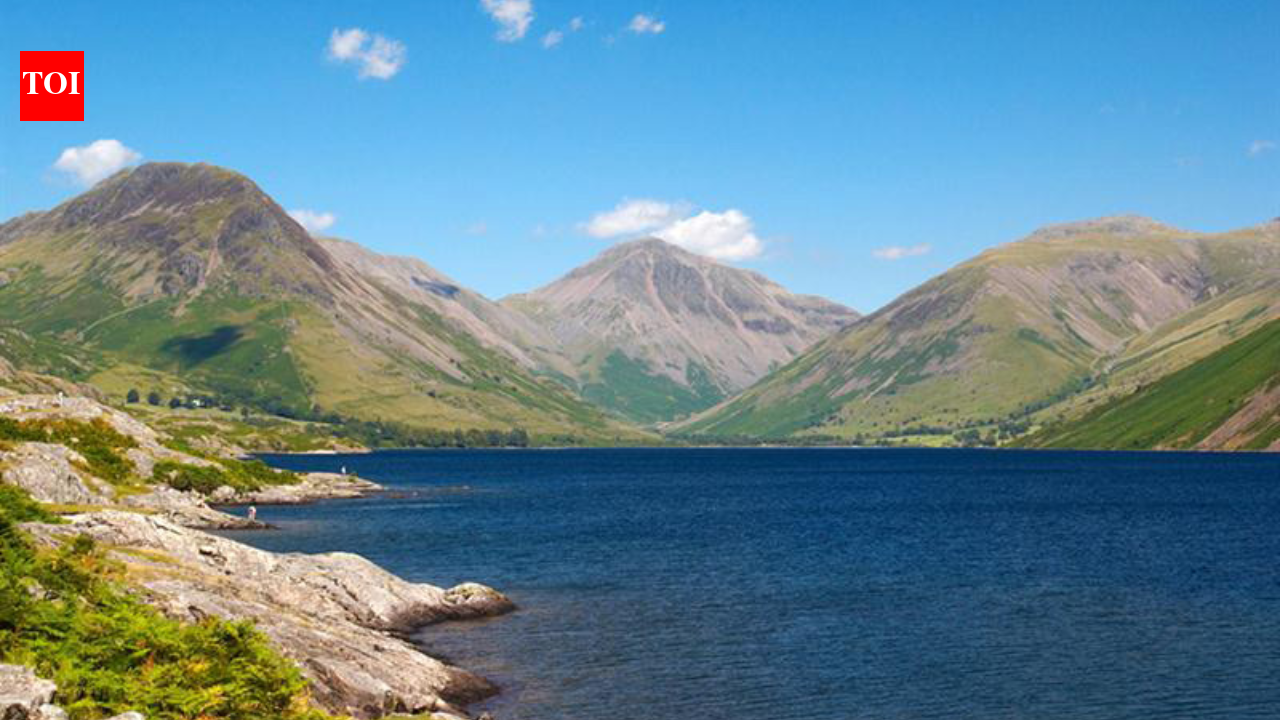
Centuries after people forced a Cumbrian river into a straight, artificial channel, nature has reclaimed its original course in the Lake District, bringing endangered wild fish back to historic spawning grounds almost immediately. In the summer of 2016, conservationists restored a 1.1-kilometre stretch of Swindale Beck near Haweswater by putting its natural bends back into … Read more

A 5,000-acre Wyoming ranch was bought by conservationists in the 1990s; instead of ending ranching, they kept cattle grazing to protect the ecosystem

A 5,000-acre Wyoming ranch was bought by conservationists in the 1990s; instead of ending ranching, they kept cattle grazing to protect the ecosystem

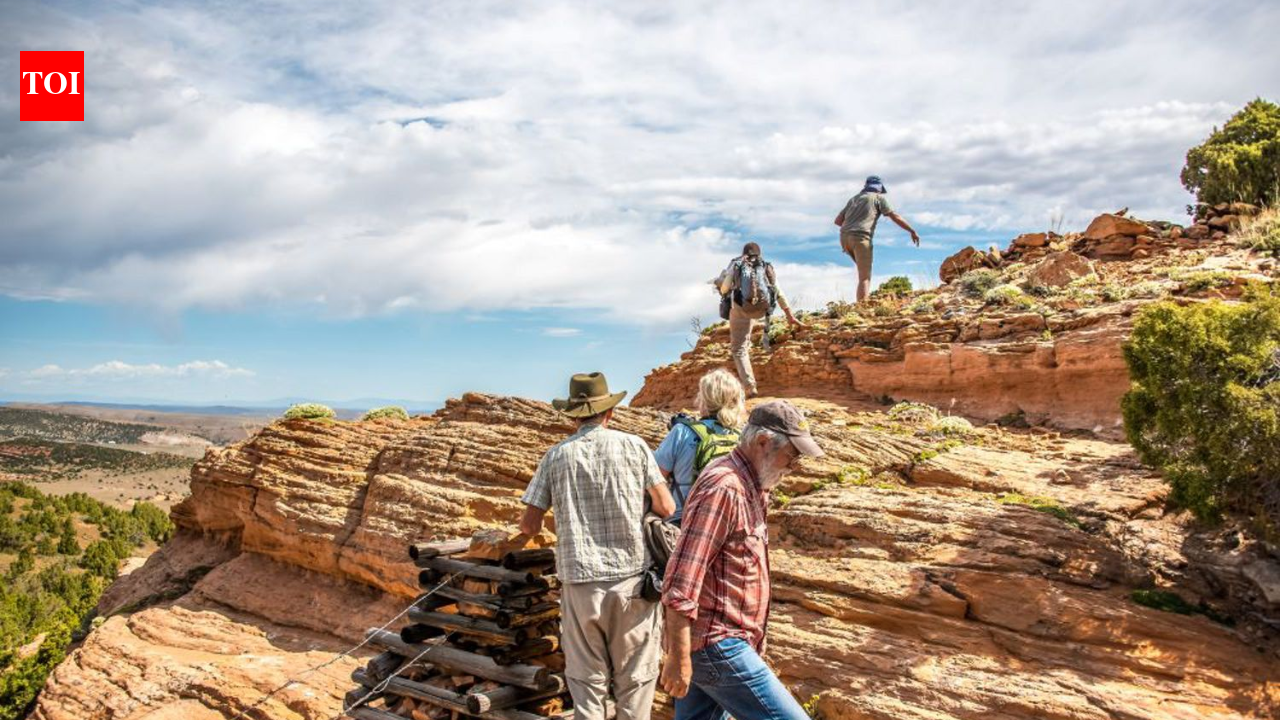
When conservationists bought a Wyoming cattle ranch in the 1990s, most people assumed the herds would disappear. Instead, they discovered something surprising: keeping cattle on the land, managed carefully, could actually protect it. This is the story of Red Canyon Ranch near Lander, Wyoming, purchased by The Nature Conservancy as an experiment in coexistence between … Read more

In 1815, cats arrived on Ascension Island; they drove huge seabird colonies away until conservationists launched a cat-eradication mission

In 1815, cats arrived on Ascension Island; they drove huge seabird colonies away until conservationists launched a cat-eradication mission

A feral cat with a tipped ear, indicating it was neutered in a trap-neuter-return program. Images Credit: Brocken Inaglory/Wikipedia Ascension Island offers a striking example of how quickly an introduced predator can reshape an island’s wildlife. Cats brought to the South Atlantic island in 1815 preyed heavily on seabirds, driving almost all species away from … Read more

In 2017, conservationists began moving young ospreys from Scotland to Dorset; five years later they bred in southern England for the first time since 1847

In 2017, conservationists began moving young ospreys from Scotland to Dorset; five years later they bred in southern England for the first time since 1847

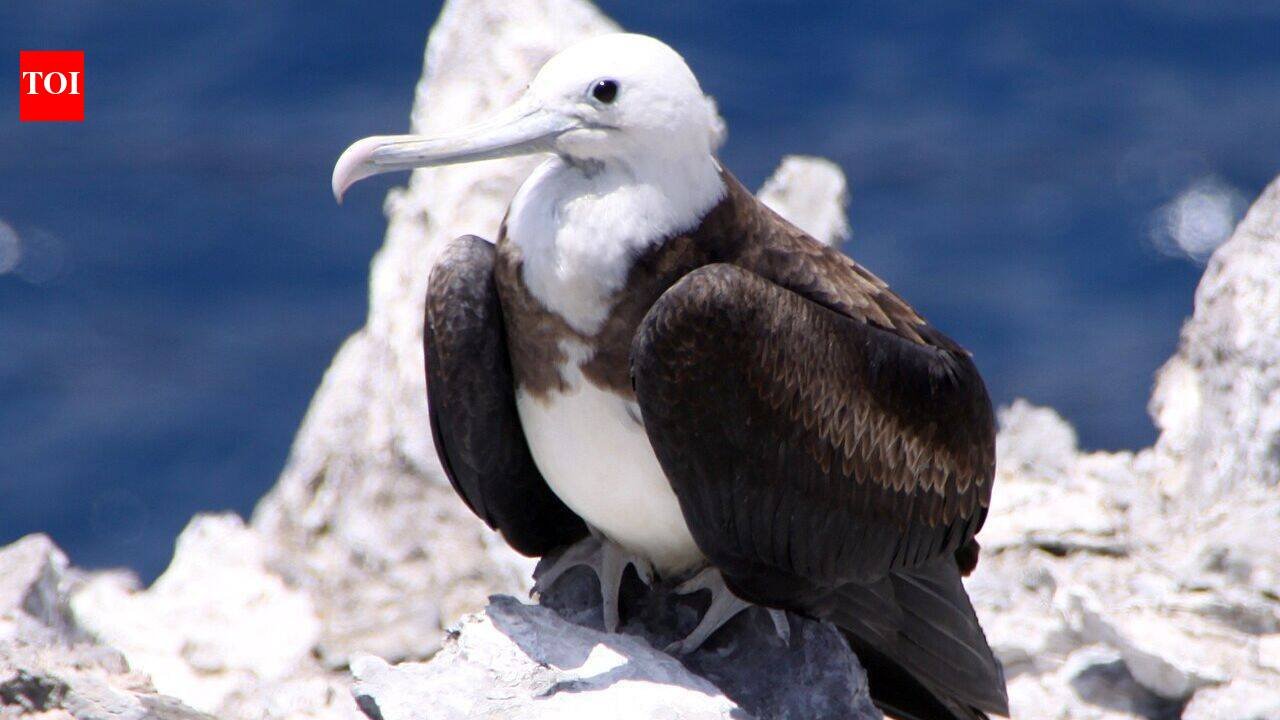
Dorset Osprey. Credit: Birds of Poole Harbour In 2017, conservationists began moving young ospreys from Scotland to Dorset. Five years later, the birds bred in southern England for the first time since 1847. A long-term study led by Bournemouth University (BU) has now shown why the project worked and how similar methods could help birds … Read more

In 2012, conservationists began working to remove an obsolete Massachusetts dam; 14 years later, demolition started to reconnect 7 miles of stream and restore 6 acres of wetland

In 2012, conservationists began working to remove an obsolete Massachusetts dam; 14 years later, demolition started to reconnect 7 miles of stream and restore 6 acres of wetland

Duxbury, MassachusettsRepresentative image For more than a century, a small concrete dam stood in the way of a river’s natural flow. Built to serve industries that no longer exist, the Temple Street Dam in Duxbury, Massachusetts, had long outlived its purpose. It blocked fish from reaching their spawning grounds, trapped sediment, created a maintenance burden … Read more