In the 1700s, fur trappers introduced foxes to the Aleutian Islands; by 1967, 790 cackling geese remained, but by 2022, about 215,000 were estimated

Aleutian cackling geese nested on islands with few predators until foxes were released there. (AI-generated/ChatGPT)

A small brown goose with a white neck ring nearly vanished from the Pacific, and the world is pointing the finger at the fox. Researchers at Humboldt State University said in a Wildfowl review that Aleutian cackling geese were feared extinct until a small group was found on Buldir Island in 1962. The same review … Read more
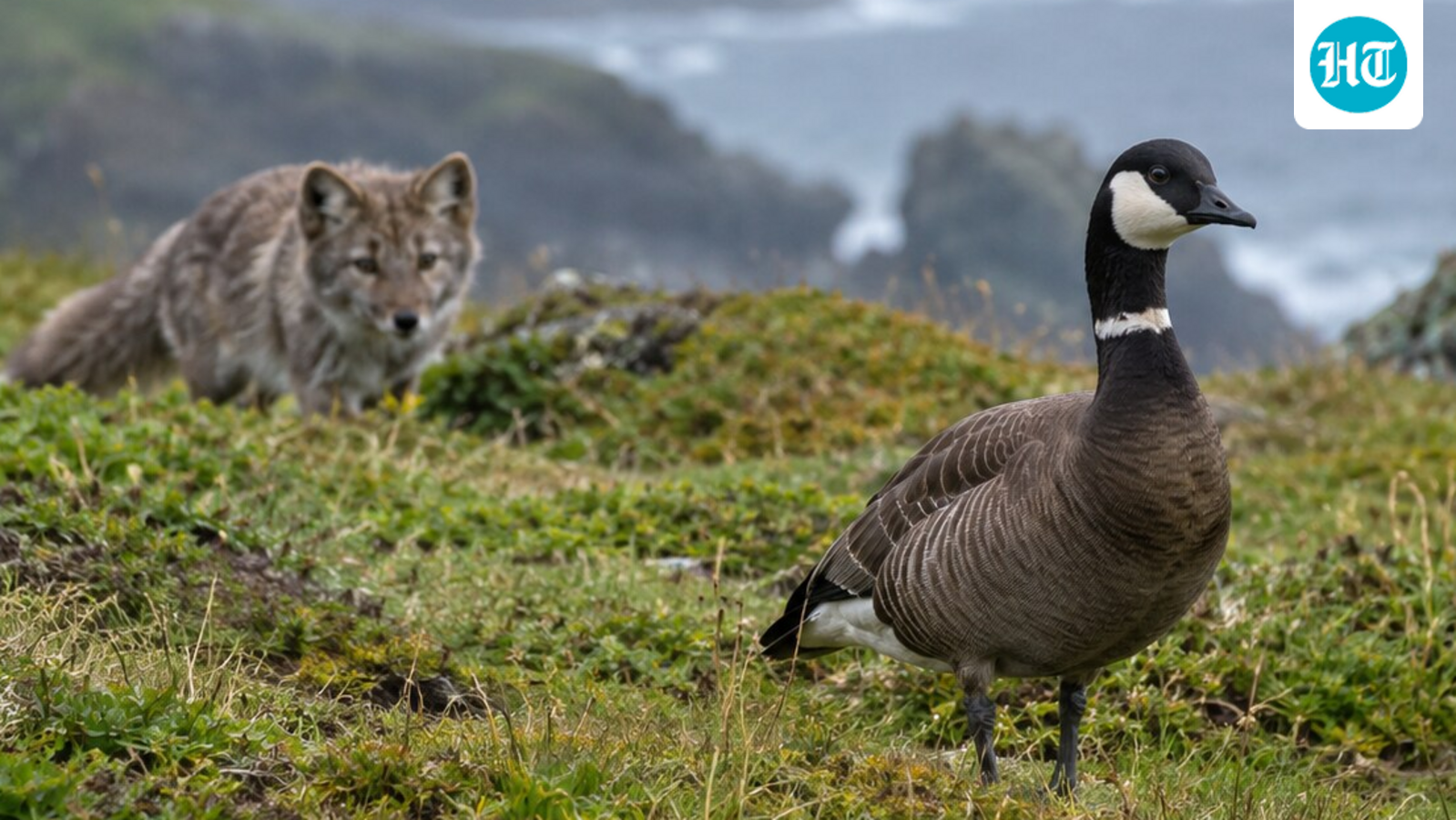
In the 1700s, fur trappers introduced foxes to the Aleutian Islands; by 1967, 790 cackling geese remained, but by 2022, about 215,000 were estimated

Aleutian cackling geese nested on islands with few predators until foxes were released there. (AI-generated/ChatGPT)

A small brown goose with a white neck ring nearly vanished from the Pacific, and the world is pointing the finger at the fox. Researchers at Humboldt State University said in a Wildfowl review that Aleutian cackling geese were feared extinct until a small group was found on Buldir Island in 1962. The same review … Read more
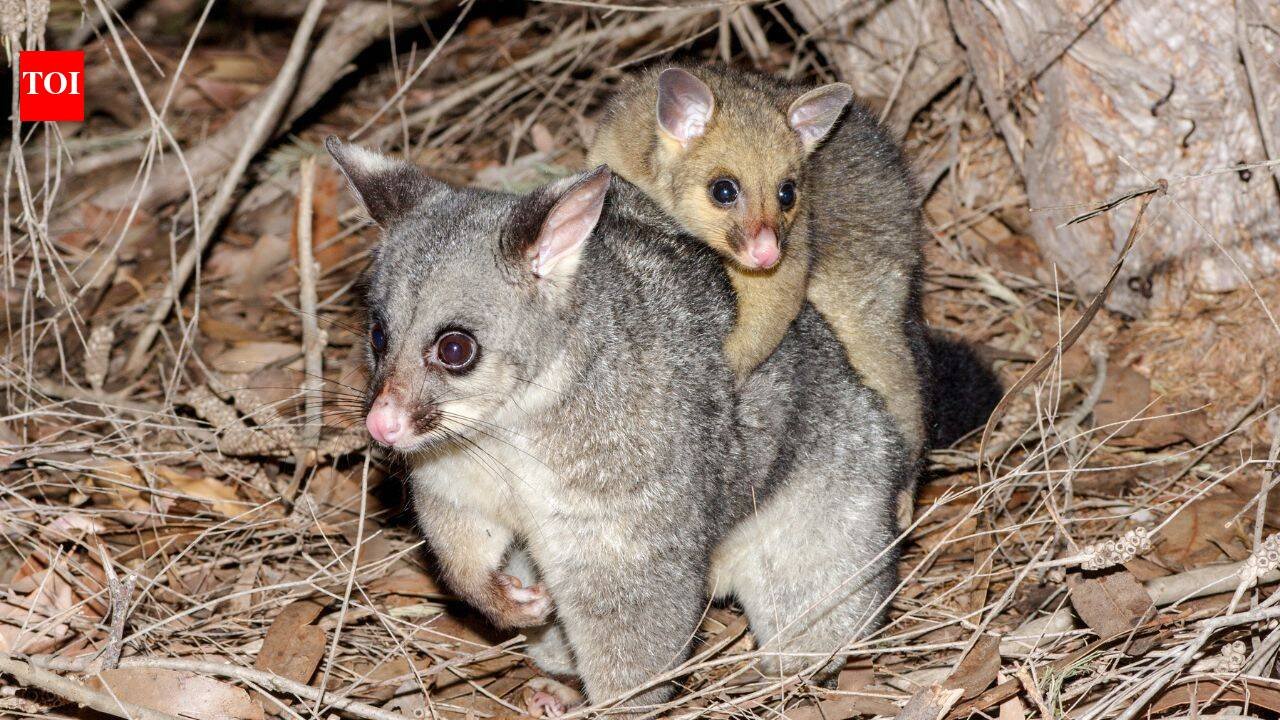
In 1837, New Zealand imported possums for a fur trade; 189 years later, aerial photos show they have damaged about half the vulnerable trees in one rare South Island forest

In 1837, New Zealand imported possums for a fur trade; 189 years later, aerial photos show they have damaged about half the vulnerable trees in one rare South Island forest

PossumsRepresentative image In 1837, New Zealand introduced Australian brushtail possums in the hope of building a profitable fur industry. The animals were expected to provide valuable pelts and help create a new rural economy, but the experiment had consequences that stretched far beyond anyone’s expectations. Nearly two centuries later, possums have become one of the … Read more

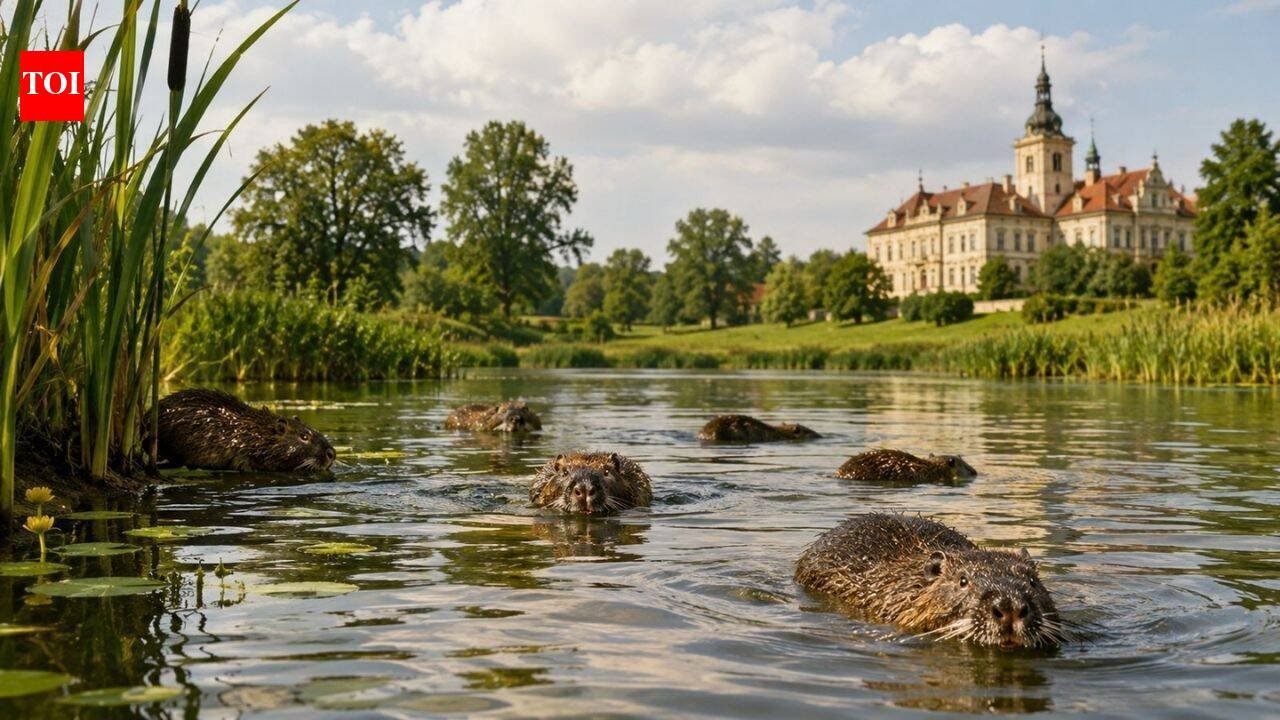
In 1905, a Bohemian prince released five muskrats into his estate ponds as a fur venture. Within a decade, around 2 million were in Bohemia

In 1905, a Bohemian prince released five muskrats into his estate ponds as a fur venture. Within a decade, around 2 million were in Bohemia

A small group of muskrats arrived in Bohemia in 1905, carried across the Atlantic as curiosities from a hunting trip in North America. Five animals were released into ponds at Prince Colloredo-Mannsfeld’s estate near Dobříš, where they were expected to remain little more than a private collection and perhaps a source of valuable fur. They … Read more

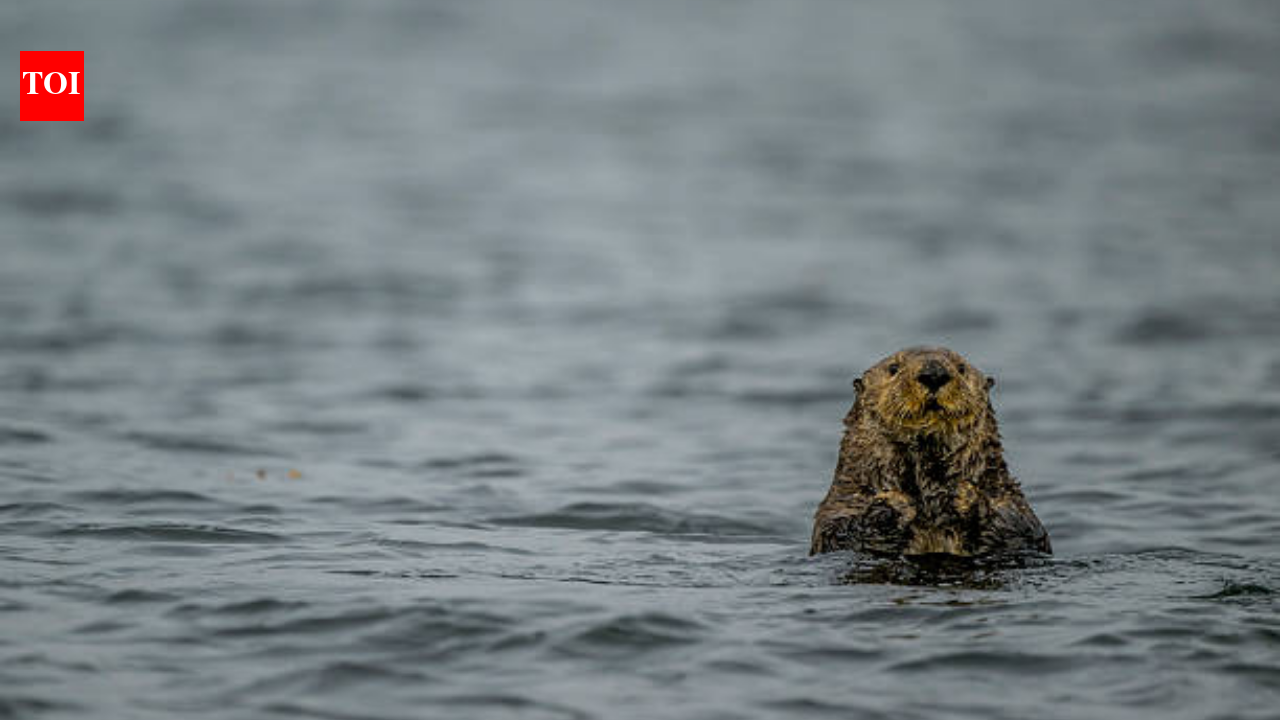
Sea Otters were successfully reintroduced in Canada after their extinction due to fur trade, protecting the kelp populations; but now they are threatening a ‘local delicacy’

Sea Otters were successfully reintroduced in Canada after their extinction due to fur trade, protecting the kelp populations; but now they are threatening a 'local delicacy'

The reintroduction and success of sea otters in British Columbia was a story that initially satisfied everyone including conservationists and the natives. The adorable creatures once occupied much of Canada’s Pacific coast, before the fur trade for their exceptionally dense coats turned into a mass death sentence. But now, their population is threatening the availability … Read more

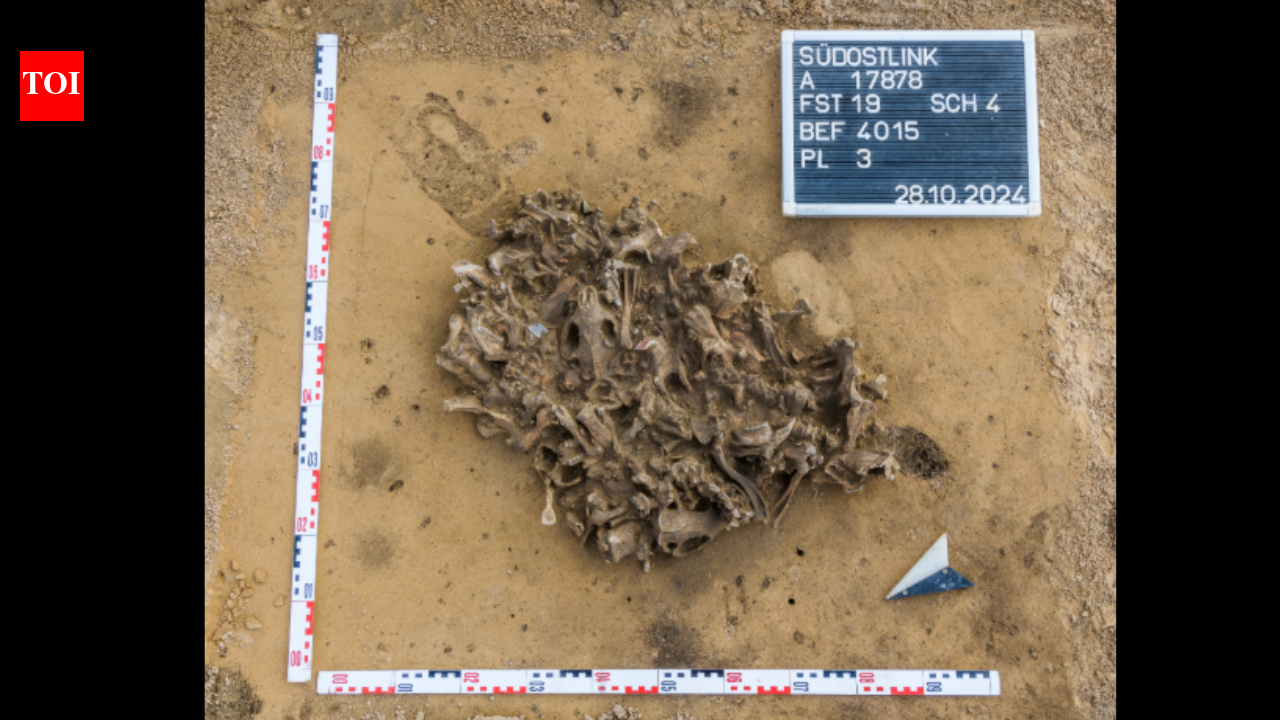
Archaeologists found a 7,000-year-old pit packed with beaver bones; it reveals how Europe’s first farmers used animal fur

Archaeologists found a 7,000-year-old pit packed with beaver bones; it reveals how Europe's first farmers used animal fur

PC :State Office for Heritage Management and Archaeology Saxony-Anhalt Archaeologists in Germany have uncovered a Stone Age pit near Alsleben, Saxony-Anhalt, containing the bones of at least twelve beavers, offering an unusually vivid window into how Europe’s earliest farmers exploited animal fur. The roughly 7,000-year-old feature was first unearthed in 2024 during surveys ahead of … Read more

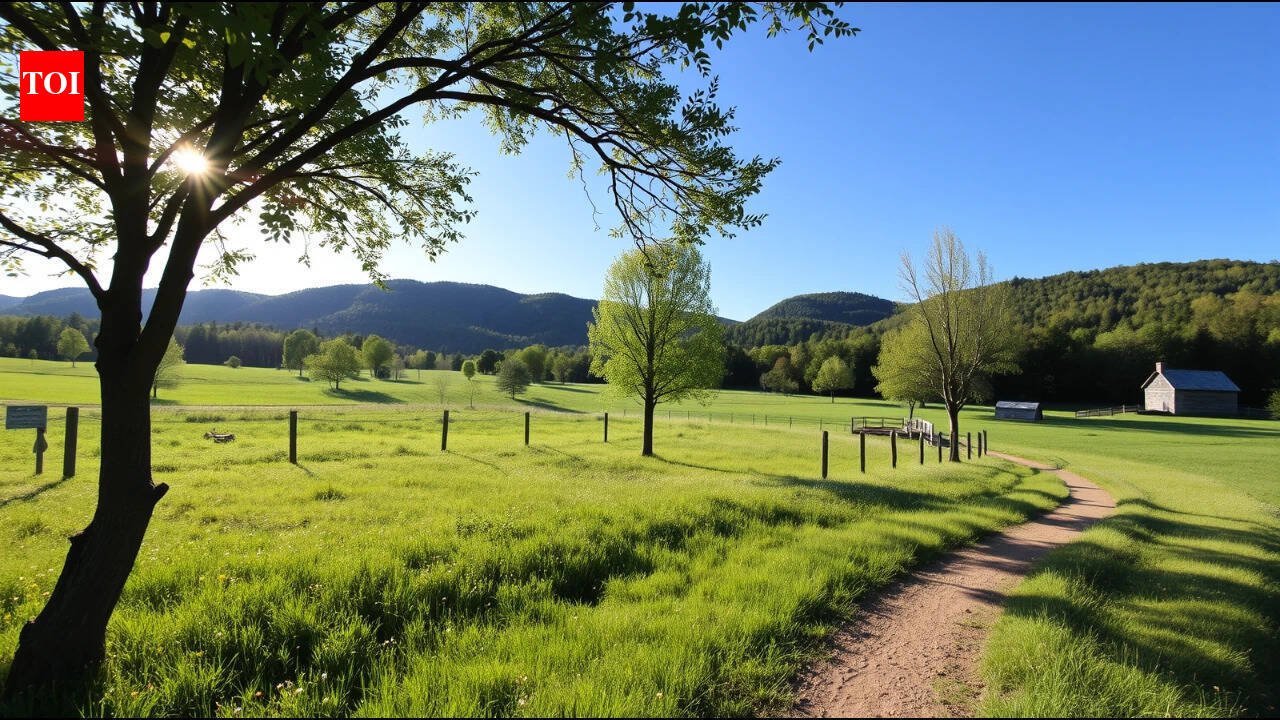
In 1944, a Vermont woman used money meant for a fur coat to buy a 150-acre farm; 20 years later she gave it to Audubon for wildlife conservation

In 1944, a Vermont woman used money meant for a fur coat to buy a 150-acre farm; 20 years later she gave it to Audubon for wildlife conservation

Representative Image of a 150-acre Vermont landscape where a historic dairy farm has become a thriving nature preserve (AI-generated image) In 1944, Christine Hires, a member of the family behind Hires Root Beer, was vacationing in Vermont when she fell in love with the landscape and decided to buy a 150-acre dairy farm in what … Read more