
In the 1700s, fur trappers introduced foxes to the Aleutian Islands; by 1967, 790 cackling geese remained, but by 2022, about 215,000 were estimated

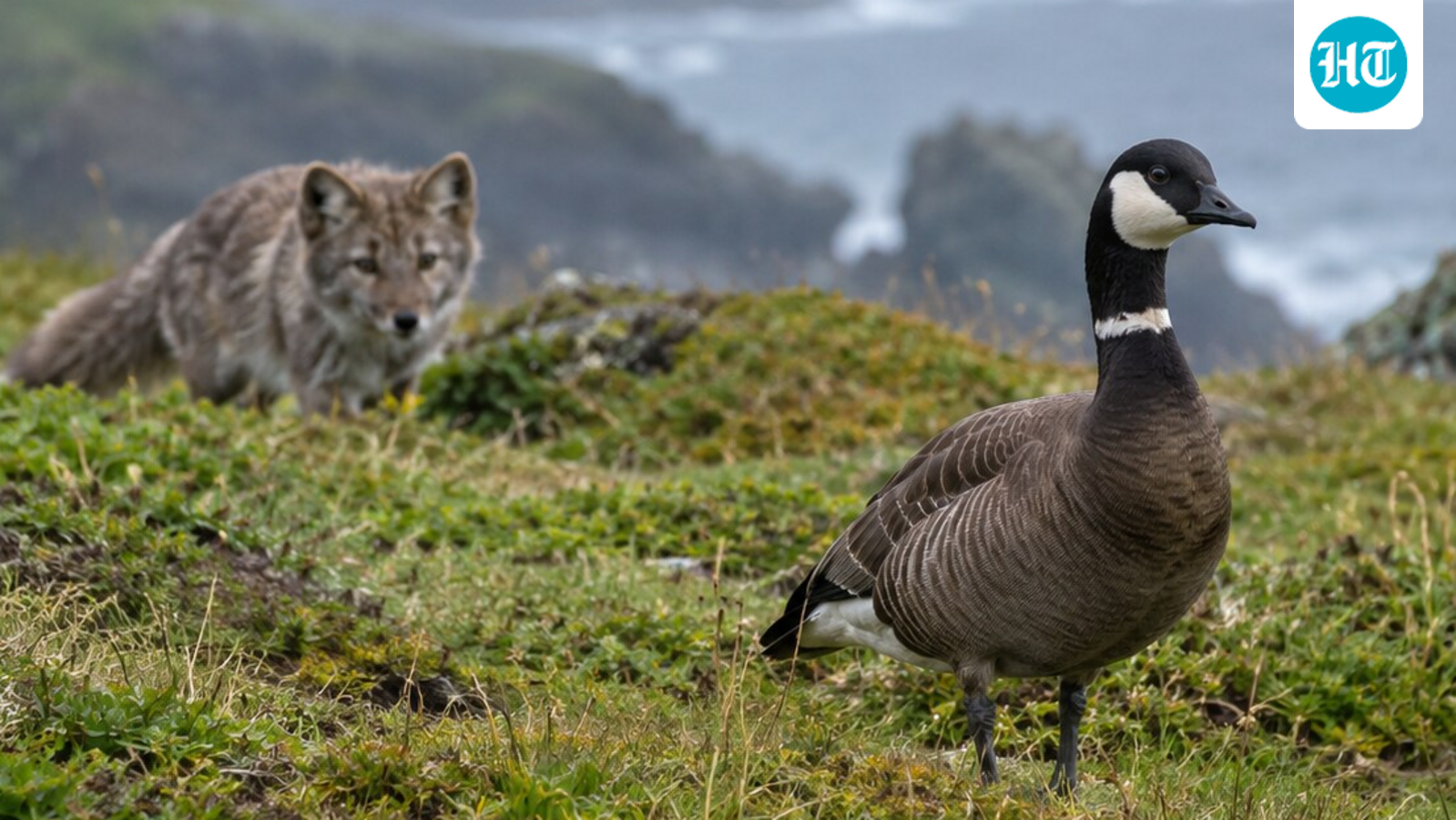
Aleutian cackling geese nested on islands with few predators until foxes were released there. (AI-generated/ChatGPT)

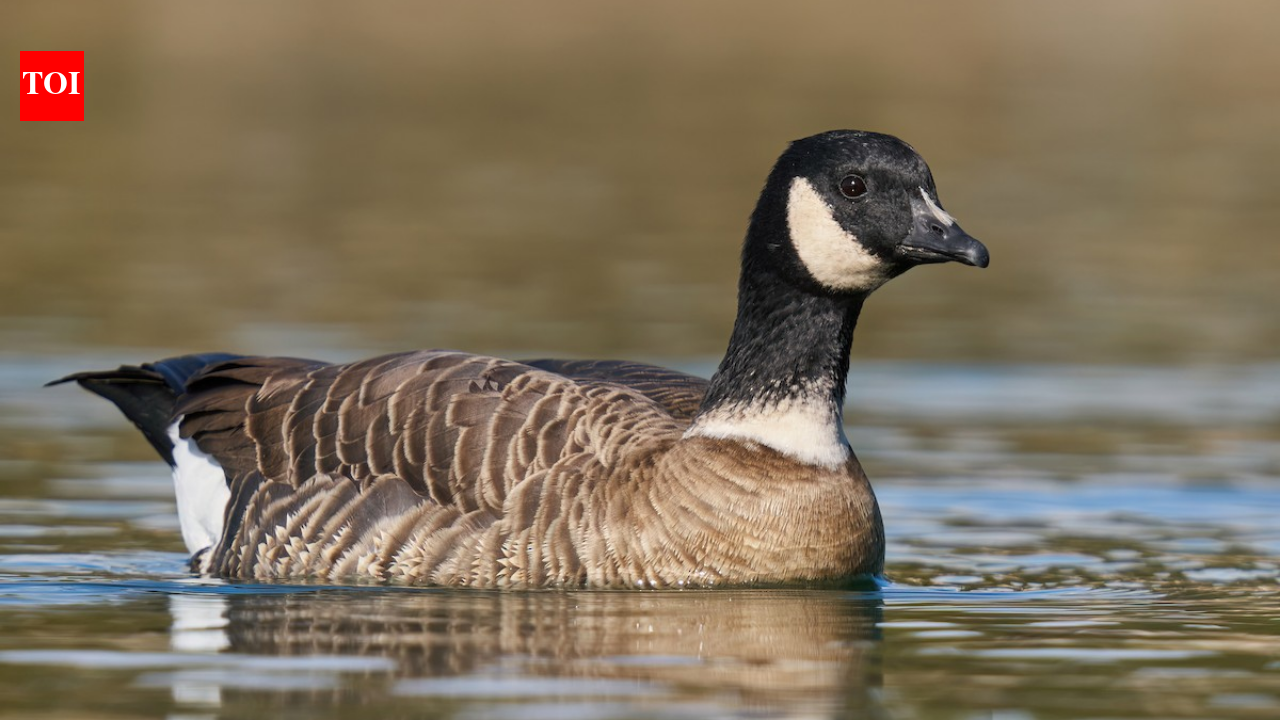
A small brown goose with a white neck ring nearly vanished from the Pacific, and the world is pointing the finger at the fox. Researchers at Humboldt State University said in a Wildfowl review that Aleutian cackling geese were feared extinct until a small group was found on Buldir Island in 1962. The same review … Read more
In the 1700s, fur trappers introduced foxes to the Aleutian Islands; by 1967, 790 cackling geese remained, but by 2022, about 215,000 were estimated

Aleutian cackling geese nested on islands with few predators until foxes were released there. (AI-generated/ChatGPT)

A small brown goose with a white neck ring nearly vanished from the Pacific, and the world is pointing the finger at the fox. Researchers at Humboldt State University said in a Wildfowl review that Aleutian cackling geese were feared extinct until a small group was found on Buldir Island in 1962. The same review … Read more

In 1975, fewer than 800 Aleutian cackling geese remained; fox removal and habitat protection helped the population rebound to around 200,000, and regulated hunting later returned

In 1975, fewer than 800 Aleutian cackling geese remained; fox removal and habitat protection helped the population rebound to around 200,000, and regulated hunting later returned

Fewer than 800 Aleutian cackling geese remained in 1975, with the birds restricted to a single rocky island in Alaska after introduced Arctic foxes destroyed nesting colonies across the Aleutian Islands. Fifty years later, predator removal, the creation of protected wetlands in California and coordinated management along the Pacific Flyway have helped the population recover … Read more