In 2004, Phillip Island launched a campaign to eliminate foxes after nine of its 10 little-penguin colonies had vanished; alongside habitat restoration, the surviving colony grew from 12,000 to 40,000 birds
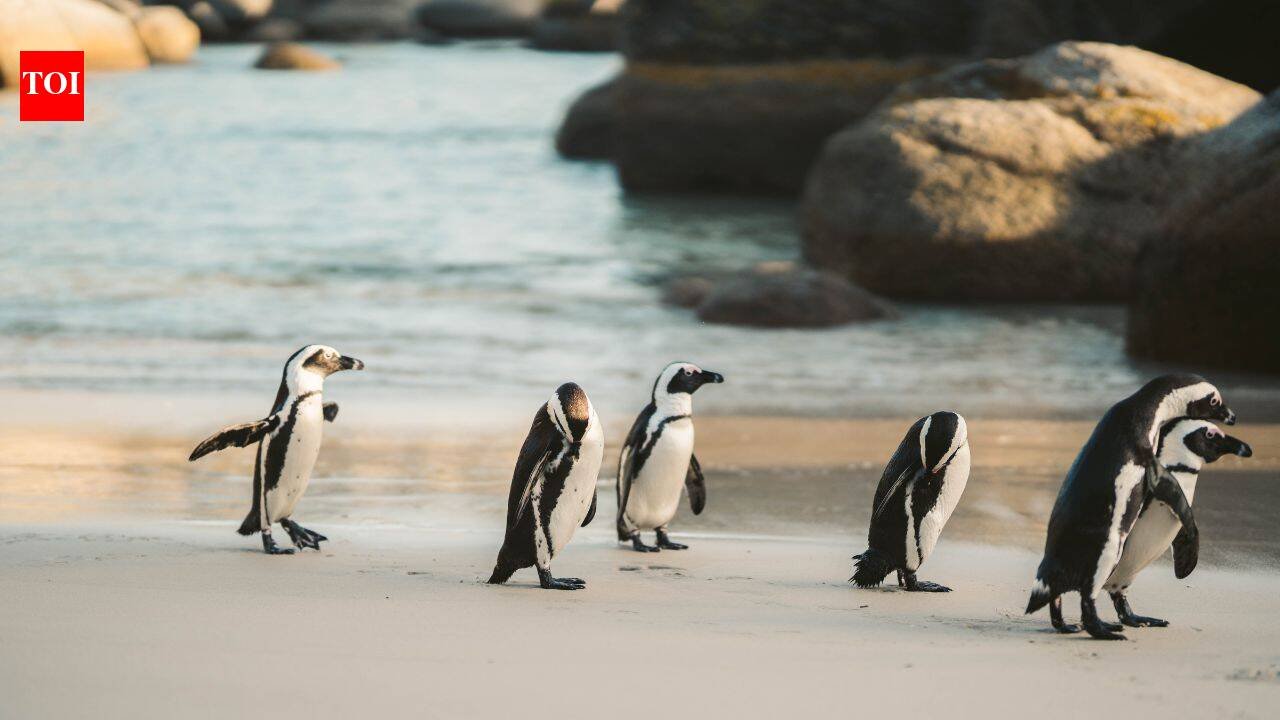
In 2004, Phillip Island launched a campaign to eliminate foxes after nine of its 10 little-penguin colonies had vanished; alongside habitat restoration, the surviving colony grew from 12,000 to 40,000 birds

Phillip Island’s little penguins once faced a crisis that threatened to erase much of their presence from the island. By the 1980s, nine of its 10 penguin colonies had disappeared, while the final colony on the Summerland Peninsula was also under pressure from introduced predators, habitat loss and human activity. According to Phillip Island Nature … Read more
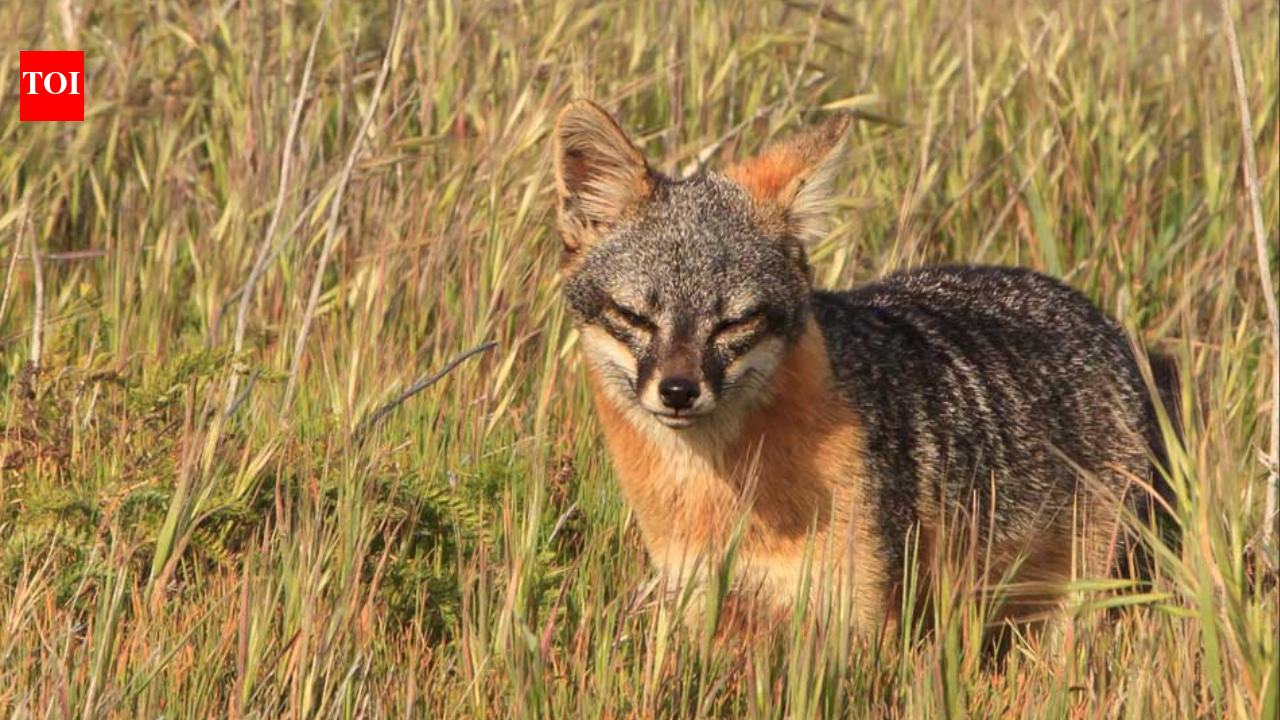
In 1999, just 15 island foxes remained on each of two California islands; captive breeding and ecosystem restoration pulled the species back from extinction

In 1999, just 15 island foxes remained on each of two California islands; captive breeding and ecosystem restoration pulled the species back from extinction

In 1999, conservation biologists monitoring California’s northern Channel Islands faced a serious crisis. Only 15 island foxes remained on San Miguel Island and another 15 on nearby Santa Rosa Island, leaving the small native species close to extinction. An emergency recovery program launched by Channel Islands National Park and partner organisations helped save the animals. … Read more

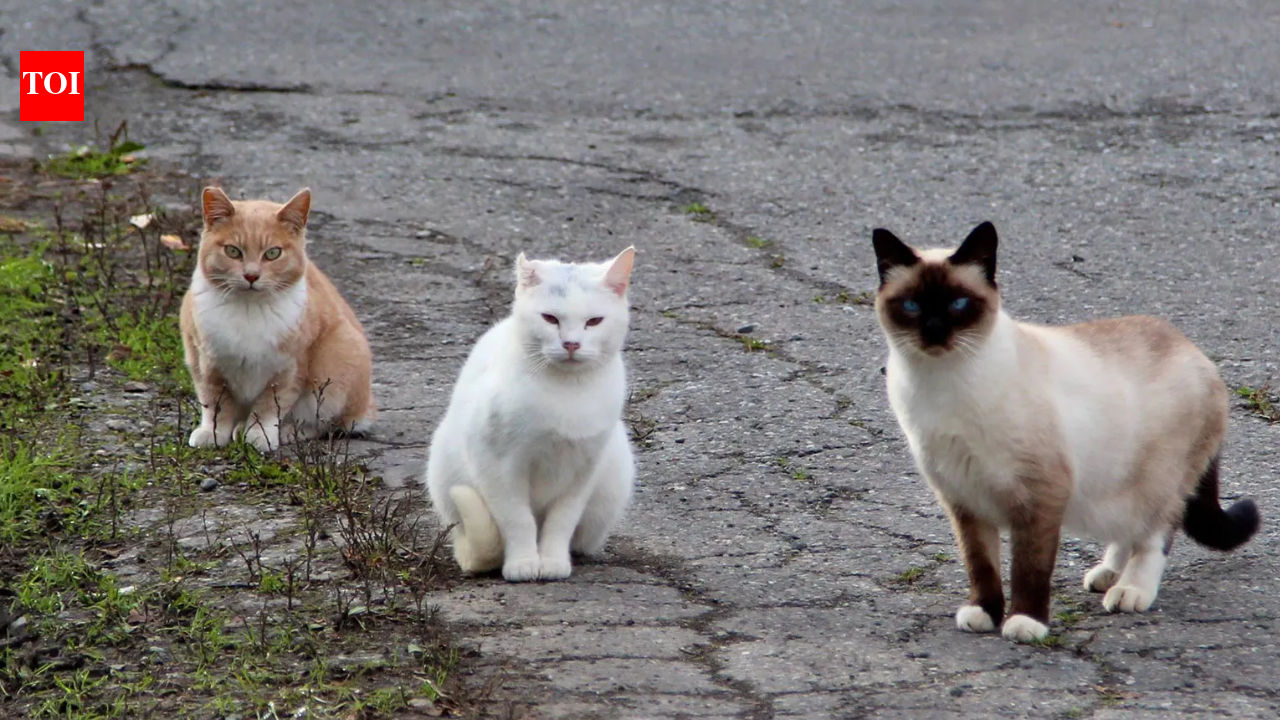
In 2016, NSW began fencing feral cats and foxes out of three reserves; 10 years later, 13 locally extinct species had returned, some after 100+ years, and were breeding again

In 2016, NSW began fencing feral cats and foxes out of three reserves; 10 years later, 13 locally extinct species had returned, some after 100+ years, and were breeding again

Thirteen native animal species that had become locally extinct in New South Wales have returned and started breeding again across three major conservation reserves. The recovery comes a decade after state authorities built large predator-proof fences to keep out feral cats and foxes. The results come from a 10-year conservation partnership involving the NSW National … Read more

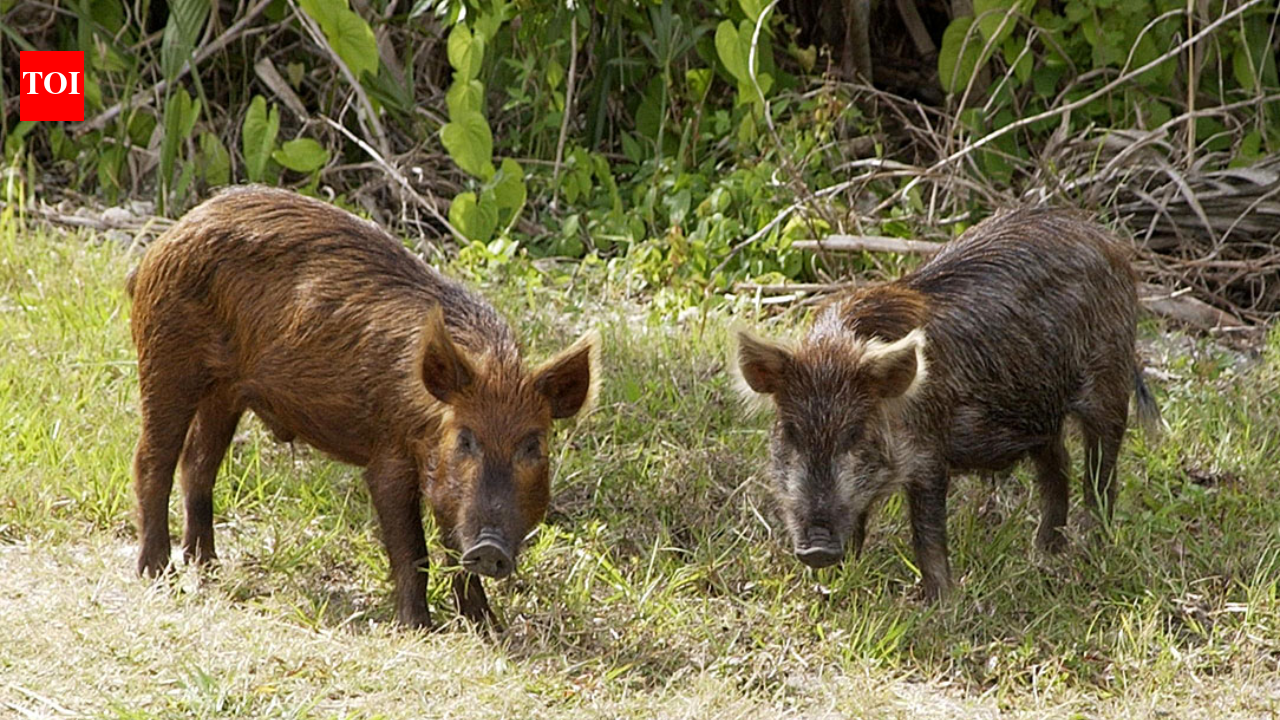
In the 1850s, pigs brought to Santa Cruz Island became feral; golden eagles drawn by piglets helped drive foxes down 95%, then 5,036 pigs were removed as foxes rebounded to 1,300+

In the 1850s, pigs brought to Santa Cruz Island became feral; golden eagles drawn by piglets helped drive foxes down 95%, then 5,036 pigs were removed as foxes rebounded to 1,300+

An ambitious conservation project off the coast of California has helped save the endangered Santa Cruz Island fox from near extinction. The rescue effort involved removing 5,036 feral pigs, allowing the native island fox (Urocyon littoralis santacruzae) population to recover from fewer than 100 animals to more than 1,300 across the 96-square-mile island. According to … Read more

In the 1800s, red foxes were brought to California for hunting. Decades later, the light-footed Ridgway’s rail declined to just 5 breeding pairs

In the 1800s, red foxes were brought to California for hunting. Decades later, the light-footed Ridgway’s rail declined to just 5 breeding pairs

A red fox introduced to California more than a century ago might seem far removed from the fate of a small marsh bird. Yet the two became linked in the coastal wetlands of Southern California, where the light-footed Ridgway’s rail has struggled to survive. The bird spends much of its time concealed among cordgrass and … Read more