Belgium sank 23 concrete blocks weighing 22,000 tons each in the North Sea to build the world’s first artificial energy island in a €7B project
Belgium sank 23 concrete blocks weighing 22,000 tons each in the North Sea to build the world's first artificial energy island in a €7B project

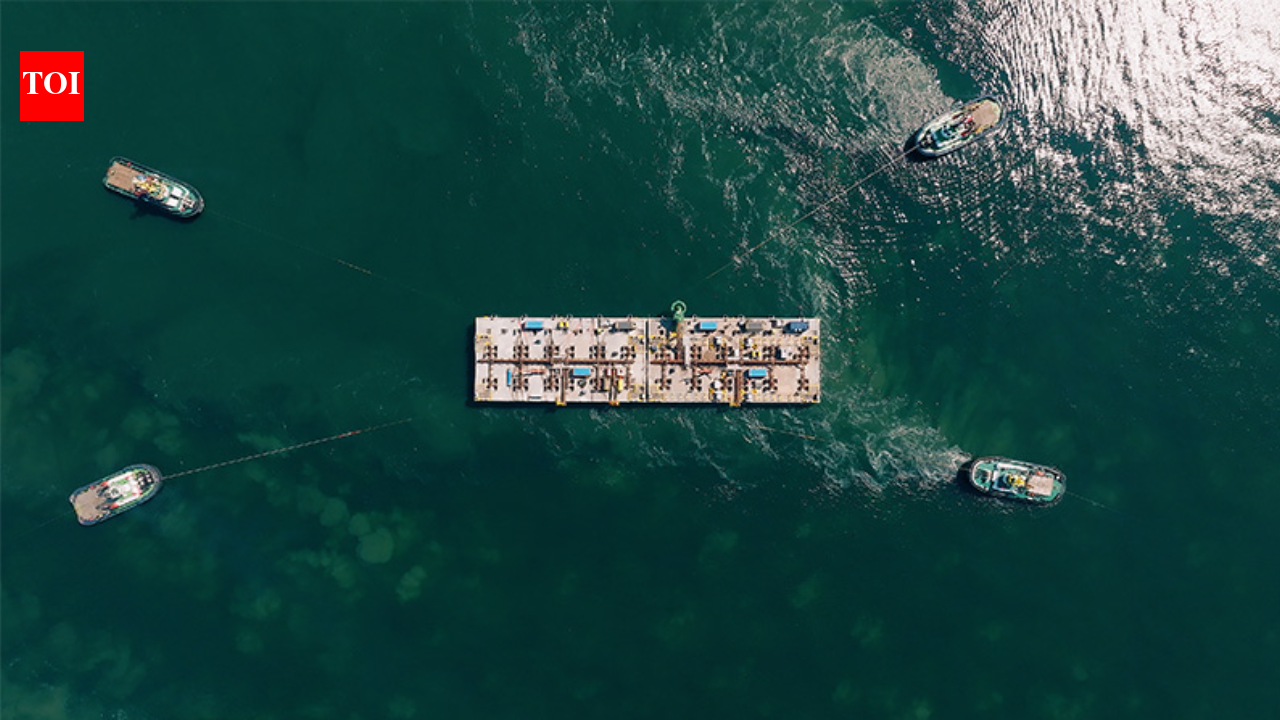
Forty-five kilometres off the Belgian coast, in the middle of the North Sea, humans are creating something that did not naturally exist in the water. It is the world’s first artificial energy island the size of eight football fields, being built with 23 giant concrete caissons, each weighing approximately 22,000 tons. While one might assume … Read more
In 2002, South Australia sank ex-HMAS Hobart in under 3 minutes; 18 years later, a marine survey recorded more than 50 fish species around the destroyer

In 2002, South Australia sank ex-HMAS Hobart in under 3 minutes; 18 years later, a marine survey recorded more than 50 fish species around the destroyer

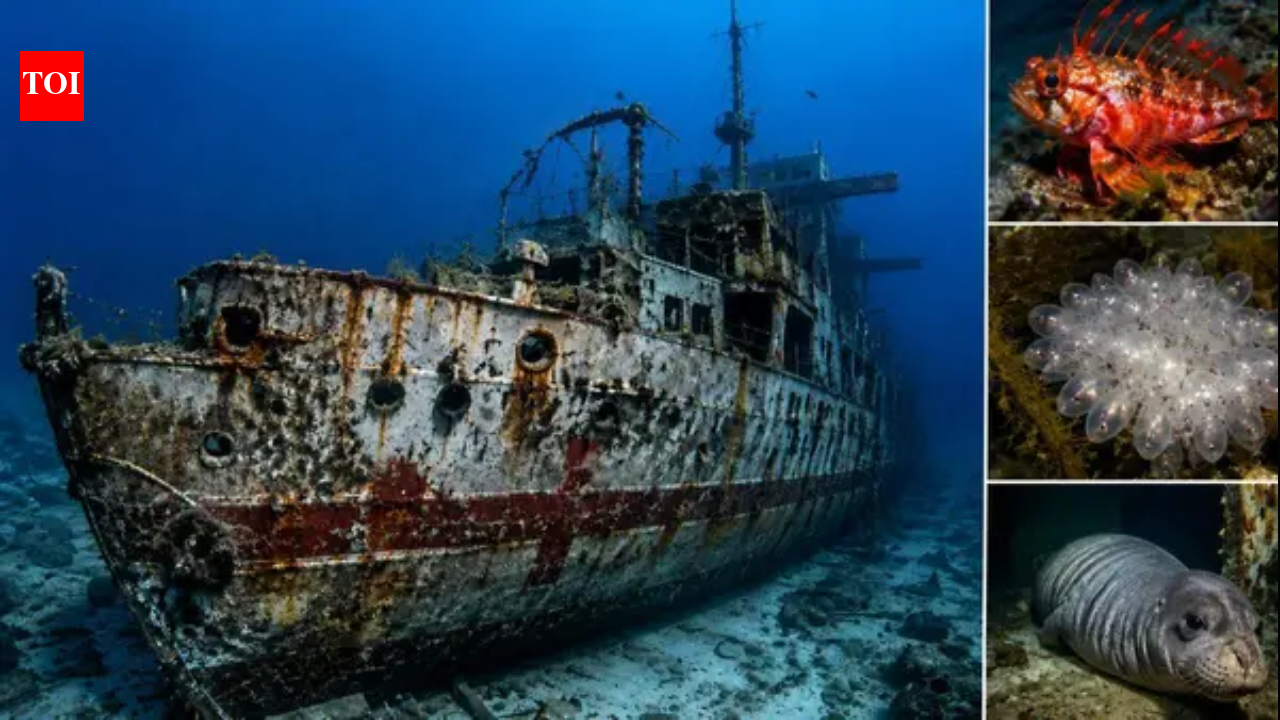
In 2002, South Australia sank ex-HMAS Hobart in under 3 minutes A 134-metre decommissioned guided-missile destroyer lying 30 metres below the surface of Yankalilla Bay has become one of South Australia’s most diverse marine habitats, less than two decades after it was deliberately sunk. The ex-HMAS Hobart was scuttled on 5 November 2002. It sank … Read more

In 2025, Miami Beach sank 22 concrete cars 20 feet underwater; the surreal traffic jam was built to support 2,200 corals and marine life

In 2025, Miami Beach sank 22 concrete cars 20 feet underwater; the surreal traffic jam was built to support 2,200 corals and marine life

In 2025, Miami Beach launched one of the most ambitious underwater art and conservation projects in the world. According to a report by the Miami Herald, the city sank 22 concrete cars 20 feet beneath the ocean surface, creating a surreal traffic jam designed to support 2,200 corals and marine life. The installation, part of … Read more

In 1919, German crews sank 52 warships at Scotland’s Scapa Flow; decades later their pre-nuclear steel became valuable for radiation-sensitive equipment

In 1919, German crews sank 52 warships at Scotland's Scapa Flow; decades later their pre-nuclear steel became valuable for radiation-sensitive equipment

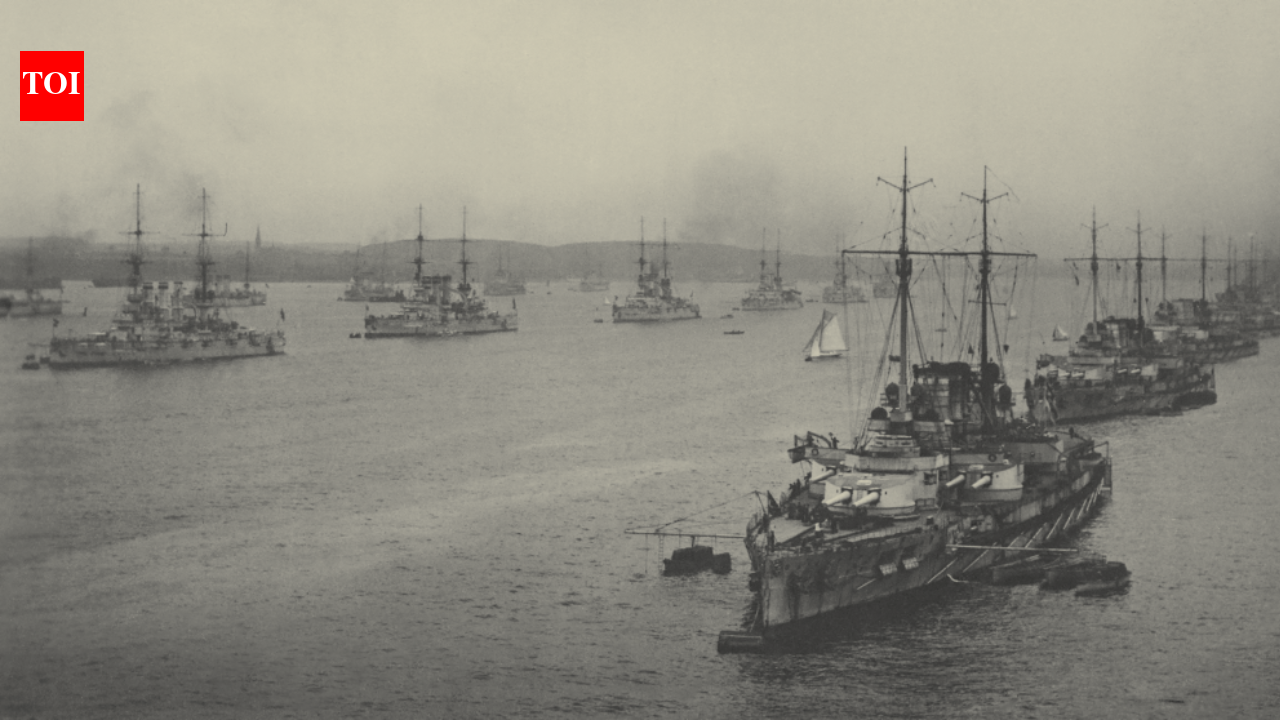
1st and 2nd Battleship Squadrons and small cruisers, German High Seas Fleet, Keil. Fifty-two Imperial German warships sank in the icy waters off Orkney in June 1919 after their crews deliberately scuttled them to prevent their capture. Decades later, steel recovered from those wrecks became a valuable material for modern science, medical imaging, and space … Read more

Italy’s Andrea Doria sank in 1956, but divers still explore its dangerous wreck despite 18 deaths

Italy’s Andrea Doria sank in 1956, but divers still explore its dangerous wreck despite 18 deaths

Representative Image of the Andrea Doria liner partially submerged amid fog and ocean currents (AI-generated image) Seventy years after the Andrea Doria sank in the North Atlantic, divers are still descending to the deteriorating Italian liner, exploring newly exposed sections and recovering artefacts before parts of the wreck disappear for good. Eighteen divers have died … Read more