From 1915 to 1972, Mount Rainier stocked more than 9 million fish into naturally fishless waters; today 35 mountain lakes still hold breeding non-native populations that displace amphibians and alter ecosystems
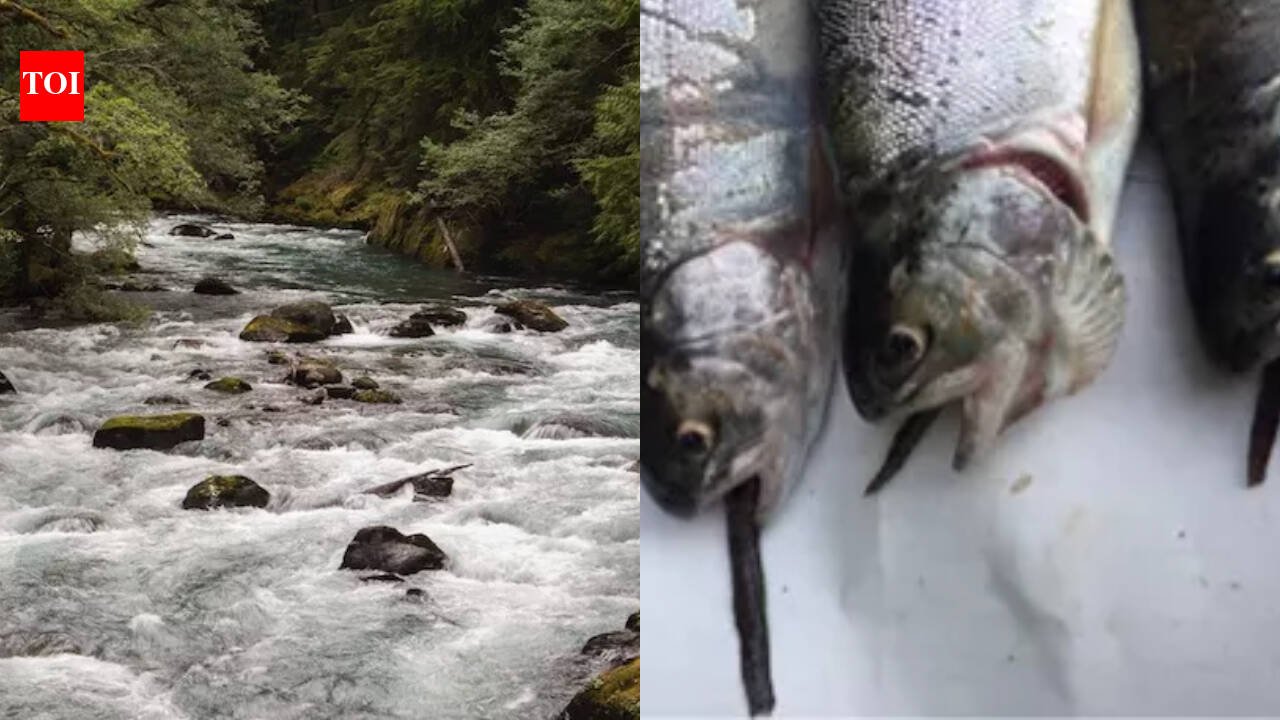
From 1915 to 1972, Mount Rainier stocked more than 9 million fish into naturally fishless waters; today 35 mountain lakes still hold breeding non-native populations that displace amphibians and alter ecosystems

View of the Ohanapecosh River and predated Northwestern Salamanders (Ambrystoma gracile) eaten by introduced trout. Mount Rainier’s glaciers and snowfields feed a magnificent system of icy streams and mountain lakes. On the surface, these waters look pristine, scattered pools in one of America’s most iconic landscapes. But beneath the surface, scientists are looking at a … Read more
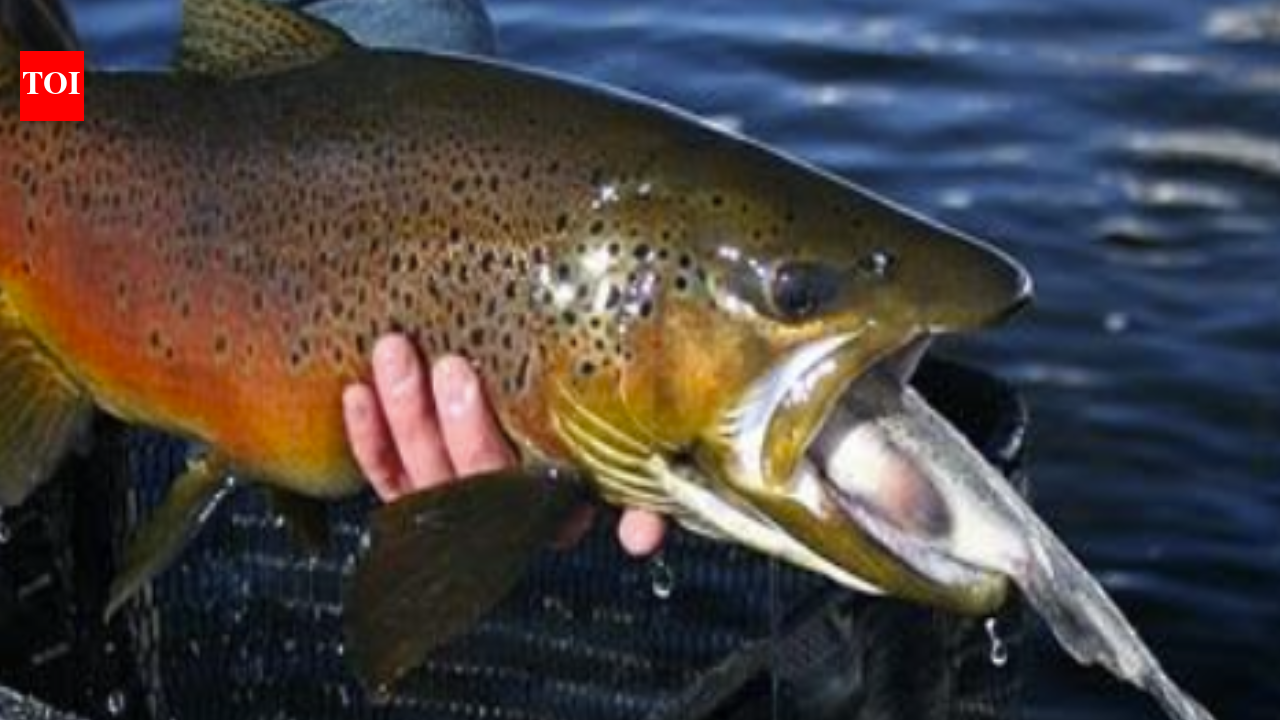
In 2003, crews began removing non-native fish from the Grand Canyon; by 2006 rainbow trout’s share of the catch had fallen from about 90% to under 10%

In 2003, crews began removing non-native fish from the Grand Canyon; by 2006 rainbow trout’s share of the catch had fallen from about 90% to under 10%

In the depths of the Grand Canyon, scientists were trying to give native fish a better chance of survival, by taking other fish out of the Colorado River. A four-year fish-removal experiment conducted between 2003 and 2006 dramatically changed the composition of fish being caught in one section of the river. According to a 2011 … Read more

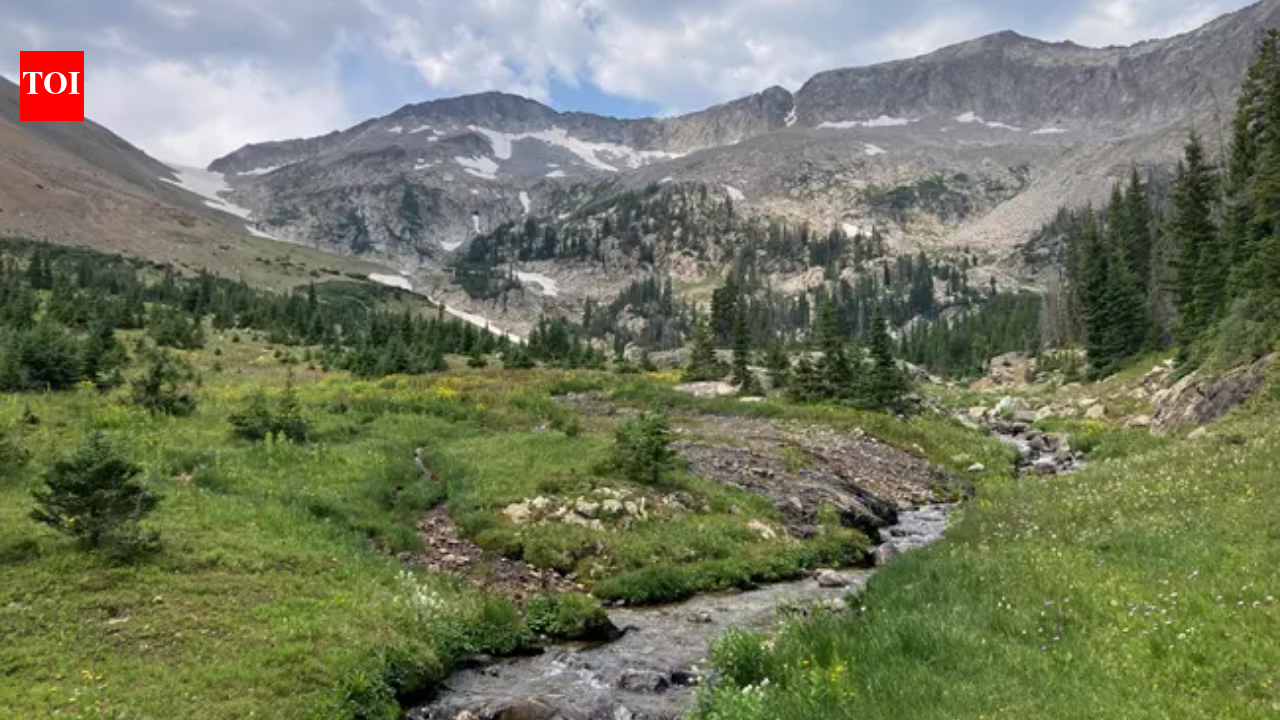
From 1886 to 1968, more than 20 million fish were stocked in waters that became Rocky Mountain National Park; in 2026 crews treated 14.3 miles to remove non-native fish and restore threatened greenback trout

From 1886 to 1968, more than 20 million fish were stocked in waters that became Rocky Mountain National Park; in 2026 crews treated 14.3 miles to remove non-native fish and restore threatened greenback trout

Rocky Mountain National Park (Image Credit: National Park Service) For more than 80 years, fish were deliberately introduced into the waters that would become Rocky Mountain National Park. According to the National Park Service (NPS), more than 20 million fish were stocked in waters that are now part of Rocky Mountain National Park between 1886 … Read more

Researchers analysing hardened plaque from eight people buried in Edo-era Osaka detected 38 dietary proteins, including luxury red sea bream and cold-water fish imported through Japan’s shipping networks

Researchers analysing hardened plaque from eight people buried in Edo-era Osaka detected 38 dietary proteins, including luxury red sea bream and cold-water fish imported through Japan’s shipping networks

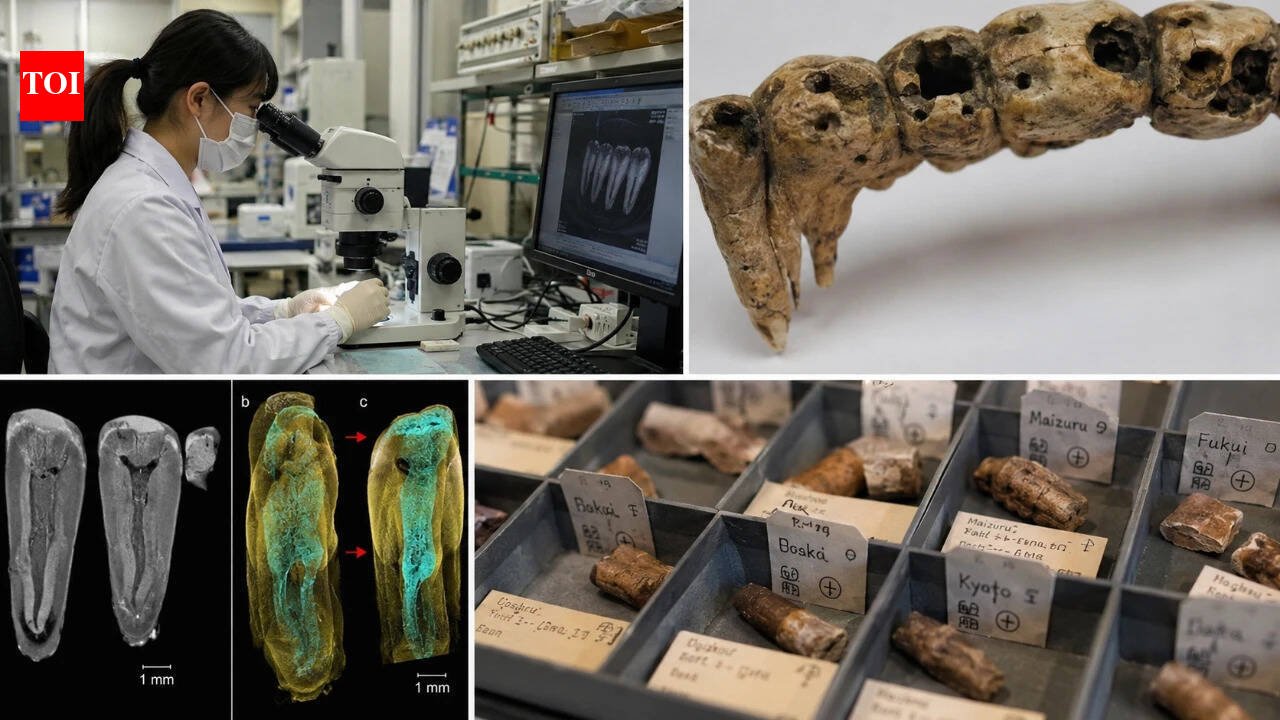
Nearly 400 years ago, people living in Osaka had no refrigerators, supermarkets or modern food supply chains. Yet an unusual scientific discovery suggests that their diets were far more varied than expected. Researchers analysing hardened dental plaque from eight people buried at the Umeda cemetery in Osaka identified 38 dietary proteins from 17 types of … Read more

In the 1600s, people in Osaka ate dozens of species of fish, mammals and plants; 400 years later scientists found the evidence trapped in their teeth

In the 1600s, people in Osaka ate dozens of species of fish, mammals and plants; 400 years later scientists found the evidence trapped in their teeth

Four centuries ago, the people living in Osaka left behind an unlikely record of what they ate. It was not written in a cookbook or preserved in a market ledger, but in the hardened deposits that accumulated on their teeth. Scientists have now analysed ancient dental calculus from eight people buried at the Ofuka-cho site, … Read more

In 1867, New Zealand introduced brown trout for sport fishing; more than 60 million were released by 1921, and the invader later caused local extinctions and fragmented native fish populations

In 1867, New Zealand introduced brown trout for sport fishing; more than 60 million were released by 1921, and the invader later caused local extinctions and fragmented native fish populations

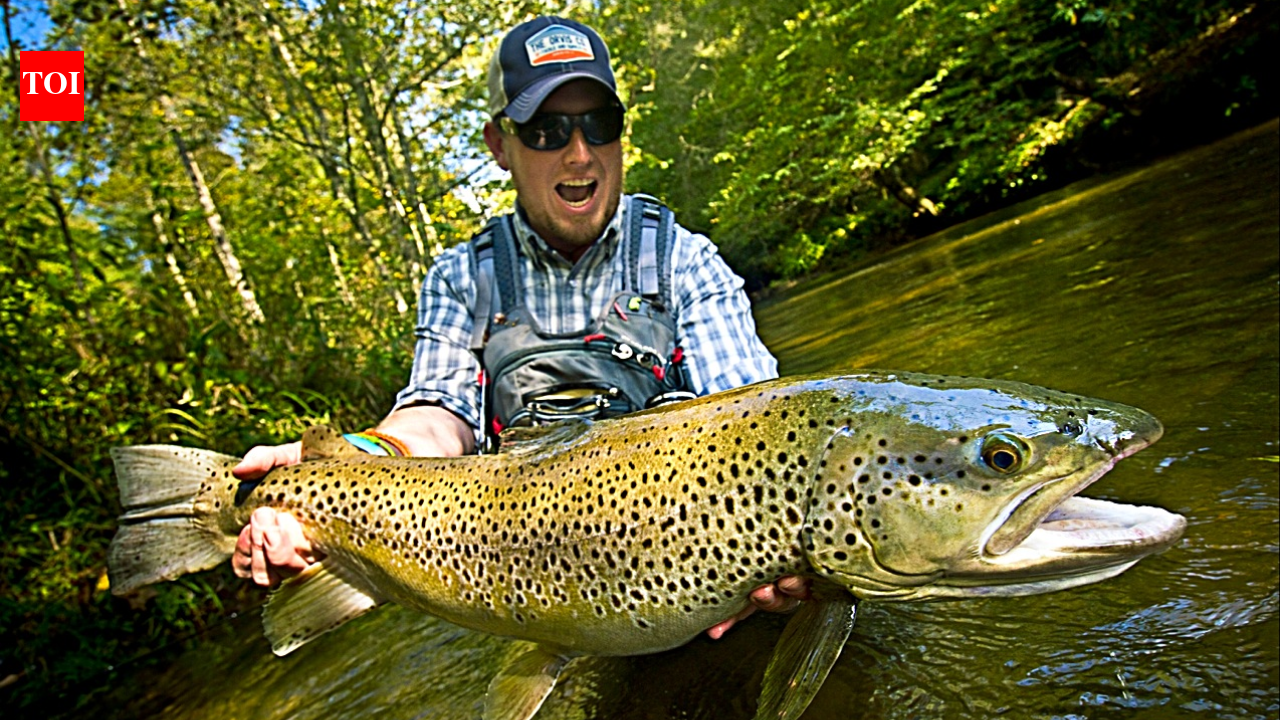
New Zealand introduced brown trout for sport fishing When British settlers packed thousands of brown trout ova onto ships bound for the Antipodes in 1867, they hoped to recreate the sport fishing they knew from Europe. Over the next five decades, acclimatisation societies bred and released more than 60 million brown trout into waterways across … Read more

Tons of fish die in Polish canal as toxic golden algae bloom sparks fears of another major ecological disaster

Tons of fish die in Polish canal as toxic golden algae bloom sparks fears of another major ecological disaster

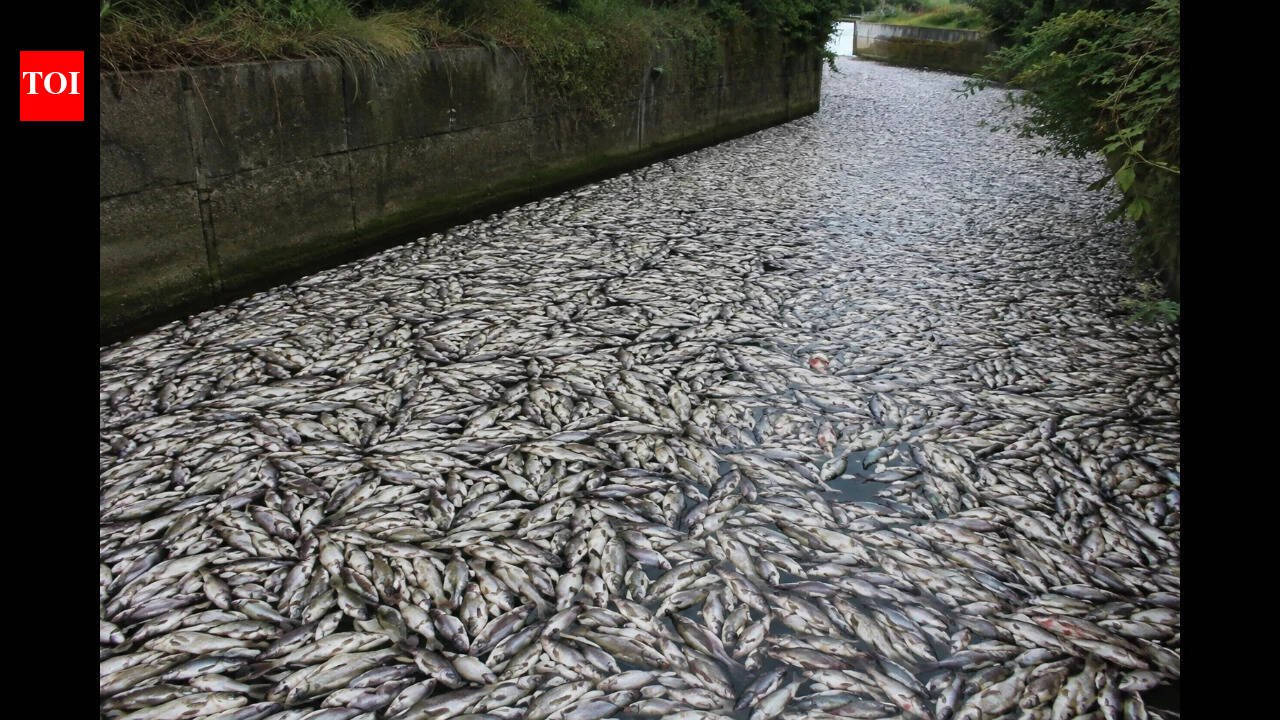
Tons of dead fish have been removed from the Gliwice Canal in southern Poland after a toxic golden algae bloom triggered a new environmental crisis in the Oder River system. Polish authorities said the fish deaths were linked to Prymnesium parvum, a microscopic organism capable of producing toxins that can be lethal to aquatic life. … Read more

In 2024, Palau removed invasive rats from Ulong Island; one year later, fish biomass rose 183% and leaf nitrogen increased about 80% at one reef site

In 2024, Palau removed invasive rats from Ulong Island; one year later, fish biomass rose 183% and leaf nitrogen increased about 80% at one reef site

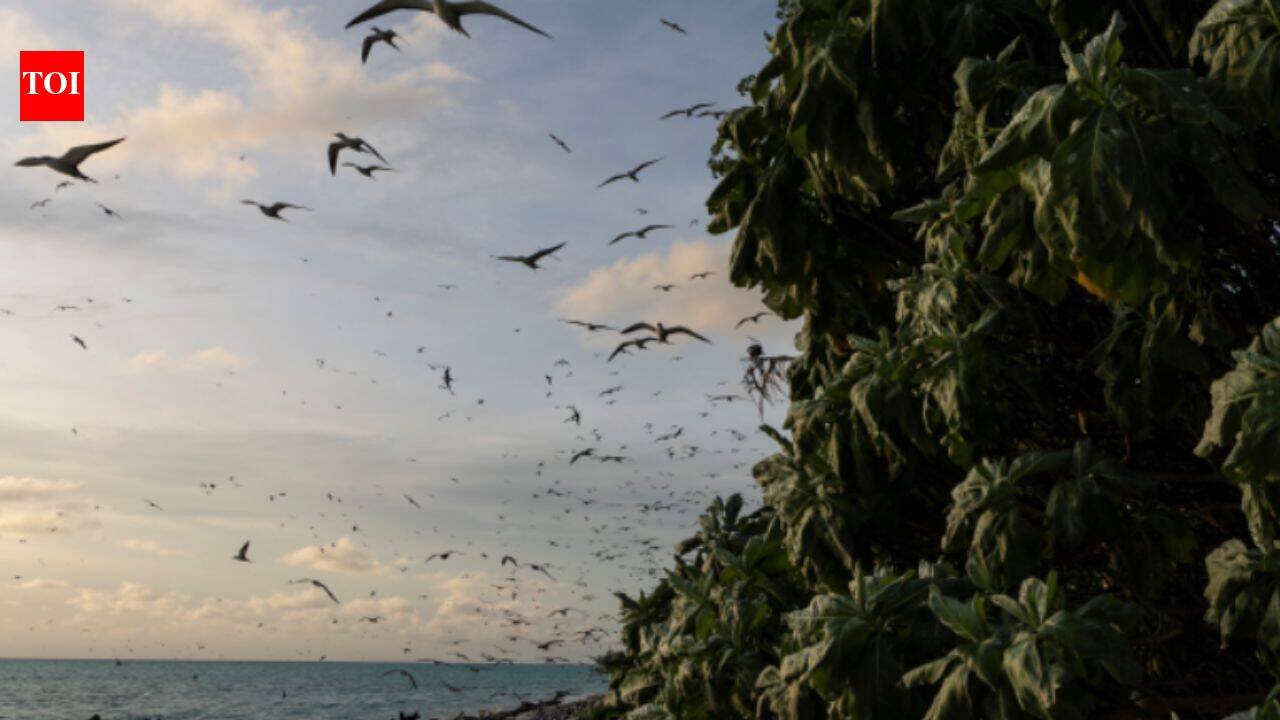
Data from Ulong Island, Koror Republic of Palau shows that seabirds are returning (Representational AP photo) The return of seabirds to a small island in Palau has brought an unexpected benefit. Just one year after invasive rats were removed from Ulong Island, researchers have found that nearby coral reefs are also beginning to recover.The study … Read more