
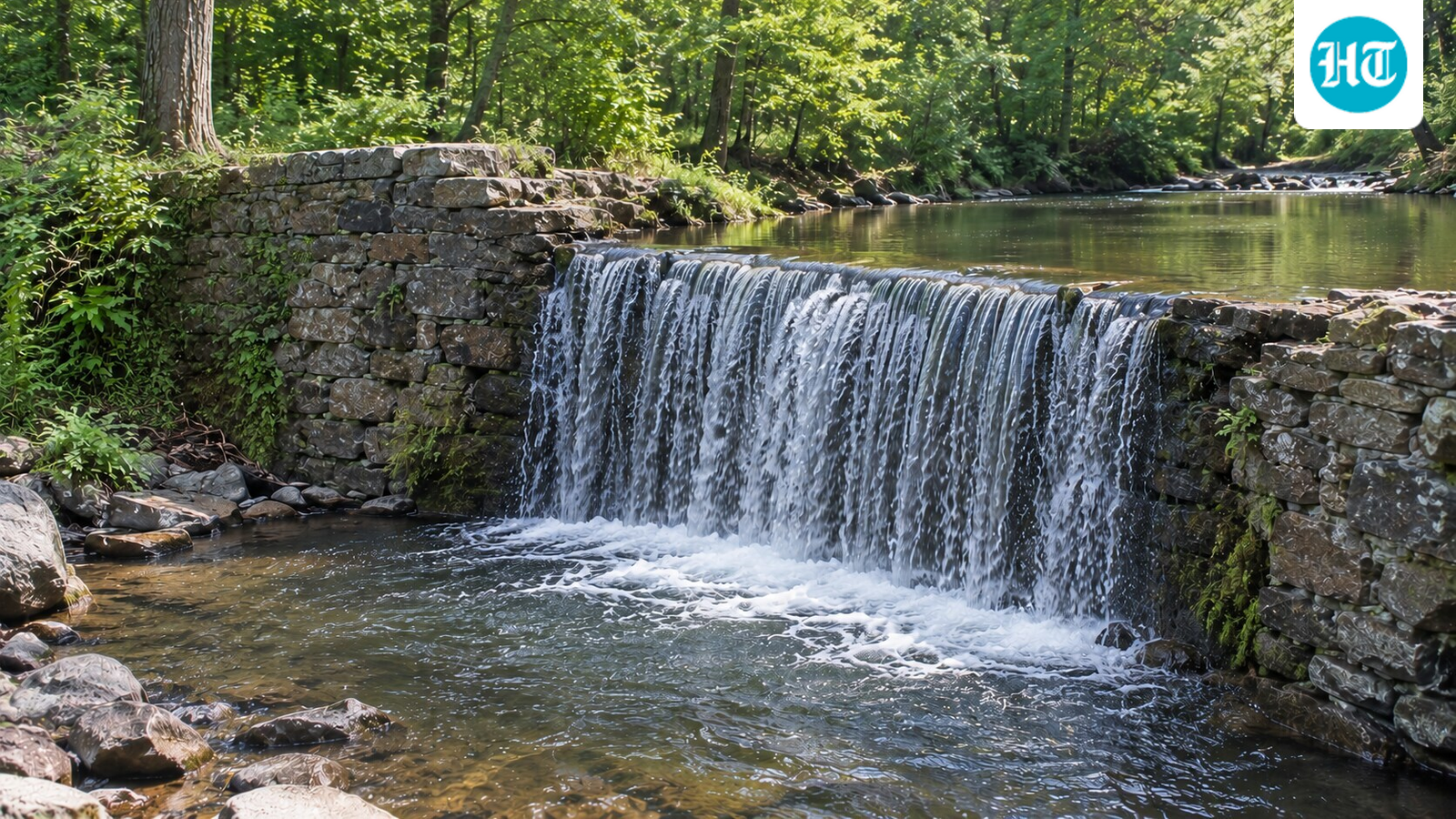
Lochner Dam, built to create a swimming hole, is not what most people picture when they think of river restoration. However, that is precisely what happened with the Lochner Dam, which used to exist on Smithtown Creek, a Delaware River tributary in Bucks County, Pennsylvania. According to the Dam Removal Summary 2023 by American Rivers, it was a 7-foot stone dam that had been constructed to provide a swimming hole.

The dam was removed in April 2006, alongside Ward Dam, another privately owned structure. The entry records that the total cost of the project was about $50,000. It was funded in part by grants from the Free-Flowing Pennsylvania grant program. However, the removal did not produce immediate benefits for migratory fish because another dam remained farther downstream, preventing access beyond that barrier.
One small dam, a big national picture
Lochner Dam’s removal was one of many such projects recorded across the United States. American Rivers’ historical dam removal database records 2,119 removals nationwide between 1912 and 2023. In 2023 alone, 80 dams were removed, opening more than 1,160 river miles. Pennsylvania had recorded 390 dam removals by the end of 2023. One of the largest ones has been the 16-foot Oakland Dam located on the Susquehanna River.
Many removals are driven in part by age-related repair costs. The above-mentioned summary report also states that about 85 percent of more than 90,000 dams registered by the U.S. Army Corps of Engineers are aged 50 or older, during which time more expensive repairs become commonplace. While the removals constitute only about 2 percent of dams across the nation, the report identifies the cooperation between the state’s fishery and dam safety program as one of the major reasons for Pennsylvania and Wisconsin being at the top for many years.
Appearance of the creek after the dam is removed
The ecological effects of dam removal were examined by scientists at another Pennsylvania waterway, Manatawny Creek. In the 2002 study published in the Journal of the American Water Resources Association, Karen Bushaw-Newton et al. describe the removal of a 2-meter-high dam in lower Manatawny Creek, which is a Schuylkill River tributary in southeast Pennsylvania. The researchers initiated their study in 1999, but most monitoring began in May 2000, before the dam was removed in two stages in August and November.
The researchers found that water quality changed little after the removal, partly because the impoundment had a short hydraulic residence time of less than two hours at base flow and rarely experienced temperature stratification. By contrast, increased sediment movement reshaped the channel in the former impoundment and downstream. The researchers also recorded substantial changes in the impounded stretch, where bottom-dwelling invertebrates and fish communities shifted from species associated with still water to those adapted to flowing water.
Not every effect was welcome. Some downstream fish were affected by the heavy sediment movement and habitat change, though the researchers described the impact as short-term. They also noted that sediments stored behind dams can carry contaminants. To illustrate this risk, the study cited the 1973 removal of the Fort Edward Dam on New York’s upper Hudson River. PCB-contaminated sediment had settled along about 300 kilometers of the river, and commercial fishing for striped bass and other species had been banned because of concerns about bioaccumulation.
The Manatawny Creek project also reflected local efforts to restore the waterway. The Greater Pottstown Watershed Alliance was among the groups that advocated removing the dam to benefit the waterway and reduce flood risk in the community park. The researchers cautioned that some ecosystem components, including floodplains and riparian vegetation, could take more than a decade to adjust fully after dam removal. They said longer-term monitoring would therefore be necessary to understand the full range of ecological effects.