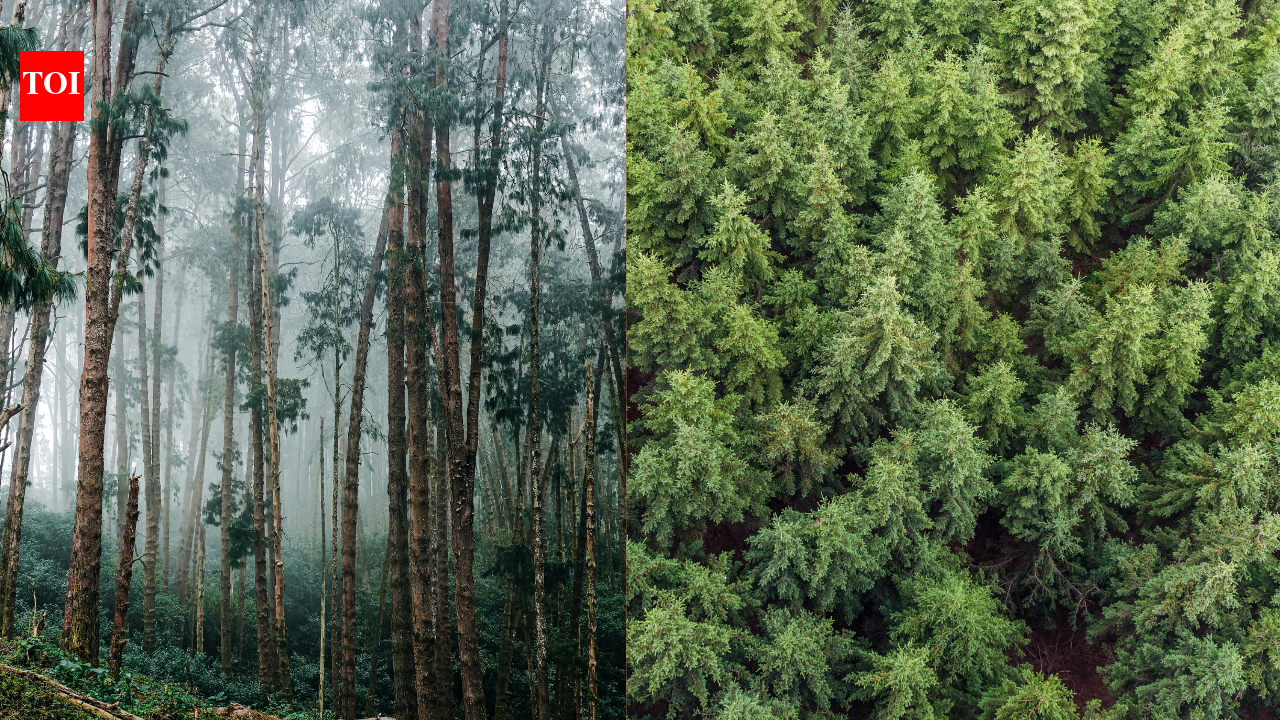
Indonesia replanted mangroves on Flores in 2013; 10 years later, restored forests supported 10 fauna species and stored up to 70 Mg CO2 per hectare

Indonesia replanted mangroves on Flores in 2013; 10 years later, restored forests supported 10 fauna species and stored up to 70 Mg CO2 per hectare

Indonesia’s Flores Island was the site of a mangrove reforestation project launched in 2013, with native seedlings planted along the coast between Ende and Sikka. Ten years later, researchers surveyed restored areas at Bangkoor, Kolisia and Talibura to assess plant and animal diversity, carbon sequestration and energy storage. The study recorded 10 mangrove species and … Read more
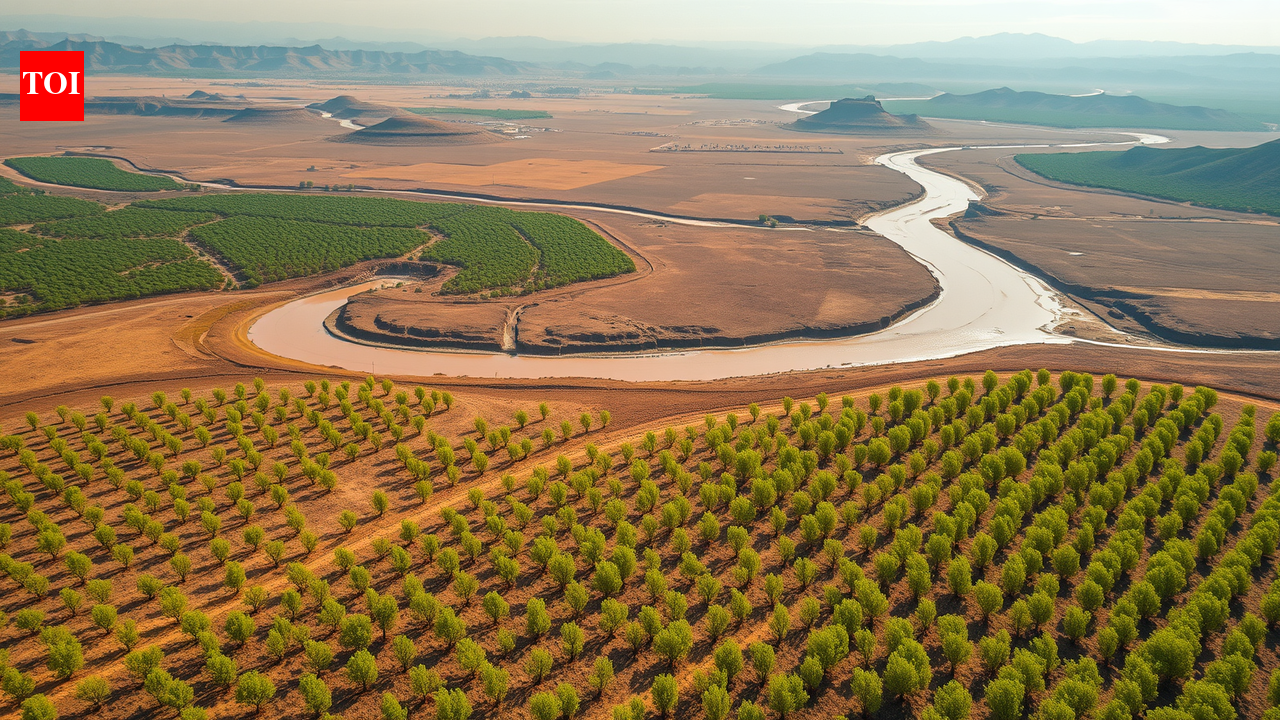
China expanded planted forests by about 35,000 sq km; 20 years of data show carbon uptake began declining within 15 years in 80% of areas

China expanded planted forests by about 35,000 sq km; 20 years of data show carbon uptake began declining within 15 years in 80% of areas

Representative Image of the Yellow River Basin with expanding planted forests across dryland regions, viewed from above (AI Generated Image) China’s Yellow River Basin has gained roughly 35,000 square kilometres of planted forest over the past three decades, but a study of nearly 20 years of monitoring data suggests some of those forests begin losing … Read more

Denmark planted trees for carbon storage, but 21 years later natural forests proved more diverse while plantations captured carbon faster

Denmark planted trees for carbon storage, but 21 years later natural forests proved more diverse while plantations captured carbon faster

Denmark’s long-running effort to create forests on former farmland has revealed a striking trade-off between carbon storage and biodiversity. After 21 years, scientists compared naturally regenerated forests with areas deliberately planted with trees. Plantations accumulated tree biomass and captured carbon faster, while naturally colonised forests developed greater diversity and more varied ecological structures. The University … Read more

Uruguay planted eucalyptus and pine forests across grasslands; 20 years later, scientists found rivers were carrying much less water

Uruguay planted eucalyptus and pine forests across grasslands; 20 years later, scientists found rivers were carrying much less water

Across Uruguay, large areas of traditional grassland have been converted into managed forests, particularly plantations of fast-growing trees such as eucalyptus and pine. The change can bring economic benefits through timber production, but it also alters how water moves through the landscape. A 20-year paired-watershed study in northern Uruguay provides one of the clearest long-term … Read more

Brazil planted vast eucalyptus forests for pulp; 45 years later scientists found groundwater had fallen by 4.5 metres

Brazil planted vast eucalyptus forests for pulp; 45 years later scientists found groundwater had fallen by 4.5 metres

Brazil’s eucalyptus industry was built on a simple promise: grow trees quickly, harvest them for pulp and create a renewable supply for the global paper industry. Over decades, however, the enormous plantations have transformed landscapes across parts of the country, raising concerns about what happens to water beneath the trees. In one eucalyptus-growing region of … Read more

Trump administration moves ahead to end roadless rule on national forests

Trump administration moves ahead to end roadless rule on national forests

ALBUQUERQUE, N.M. — The Trump administration announced Tuesday it is moving ahead with plans to rescind a quarter-century-old rule that blocked logging, road building and other development on national forest lands, drawing the ire of environmentalists nationwide. Trump administration moves ahead to end roadless rule on national forests The U.S. Forest Service is filing a … Read more

US moves to open vast tracts of pristine forests to logging

US moves to open vast tracts of pristine forests to logging

President Donald Trump’s administration on Tuesday proposed a rule change that would open 44 million acres of wild, undisturbed forest for road construction and logging. US moves to open vast tracts of pristine forests to logging The proposal would rescind the 2001 Roadless Area Conservation Rule, enacted in the final days of the Clinton administration, … Read more

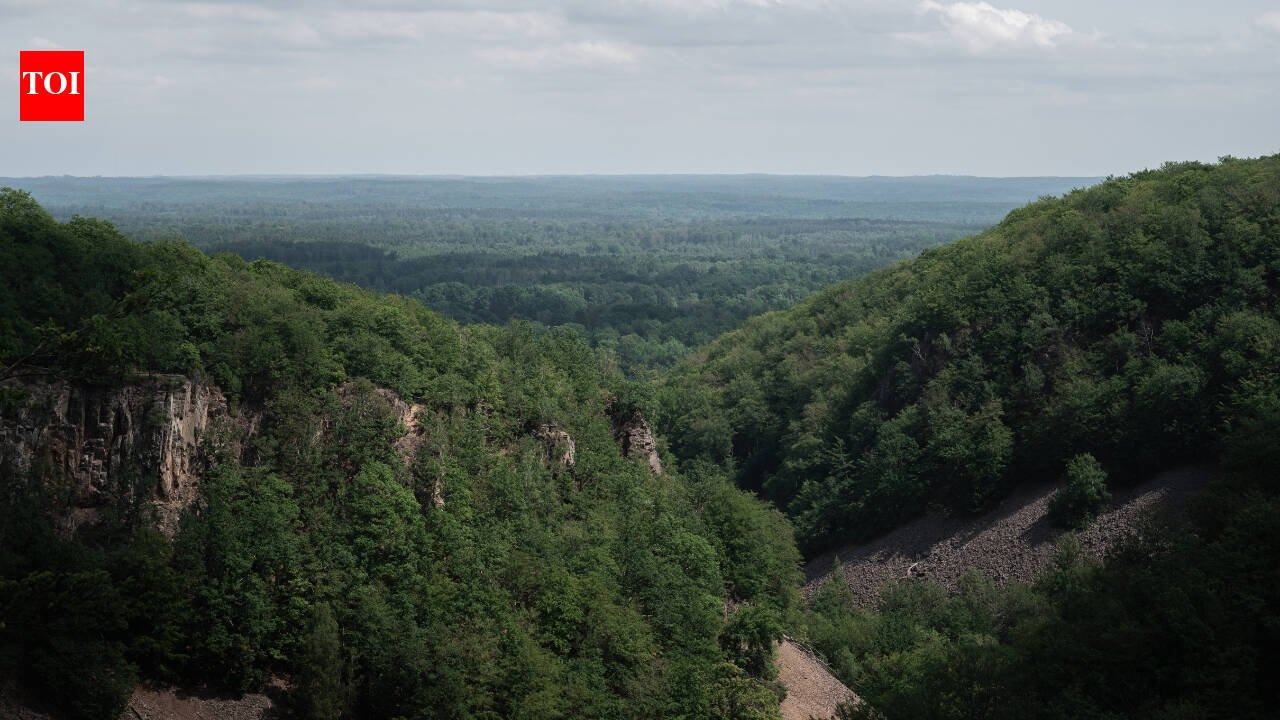
Much of Sweden’s Söderåsen plateau became more open in the 18th and 19th centuries; in 2001, 1,625 hectares were protected as a national park, and today it is one of northern Europe’s largest continuous protected broadleaf forests

Much of Sweden's Söderåsen plateau became more open in the 18th and 19th centuries; in 2001, 1,625 hectares were protected as a national park, and today it is one of northern Europe's largest continuous protected broadleaf forests

Söderåsen national park (Image Credit: Canva) Much of Sweden’s Söderåsen plateau was once far more open than the dense woodland visitors see today. A 2025 study published in The Holocene found that the landscape became much more open during the 18th and 19th centuries as grazing intensified, with grazed heathland developing on parts of the … Read more

More than 99% of California’s sunflower sea stars vanished, now scientists have found a mysterious colony that could help revive dying kelp forests

More than 99% of California’s sunflower sea stars vanished, now scientists have found a mysterious colony that could help revive dying kelp forests

A decade ago, more than 99% of sunflower sea stars vanished from the depths of the ocean. Now, the discovery of a long-lost colony of these organisms is offering new hope for the region’s kelp forests.Sunflower sea stars, known as Pycnopodia helianthoides, may look like an aesthetic and purely decorative feature on the ocean floor, … Read more

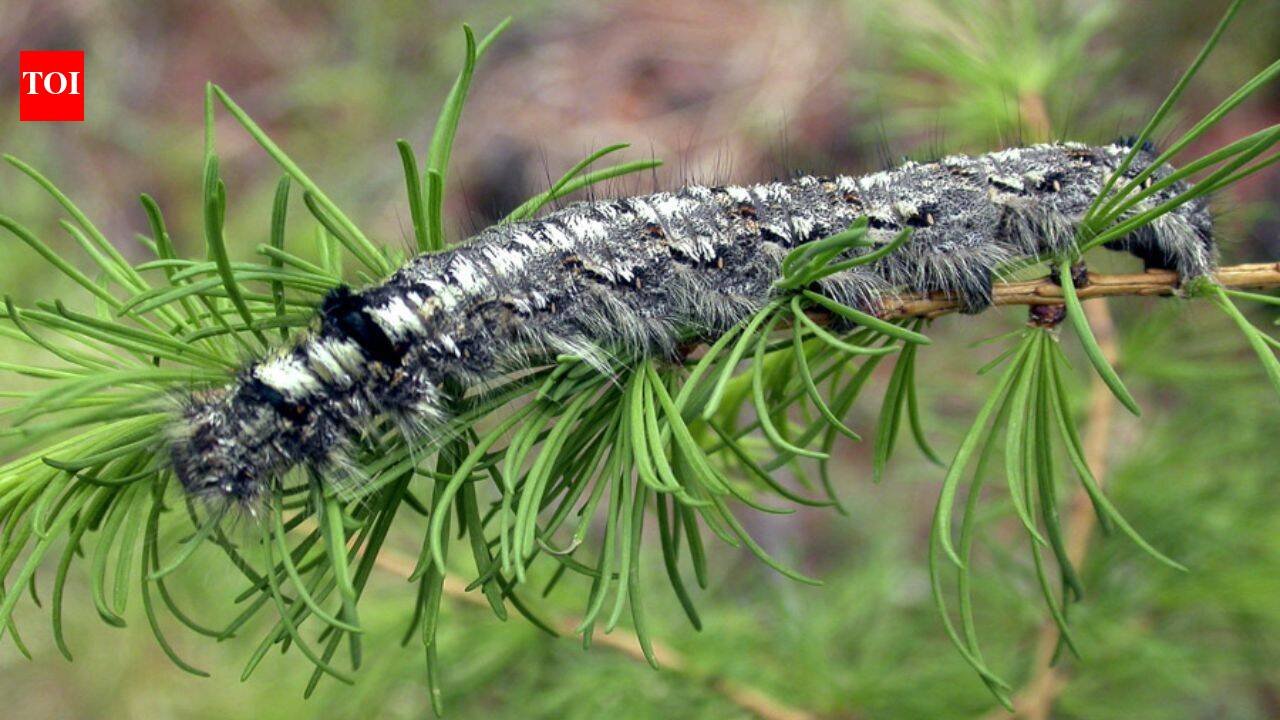
A moth outbreak has killed off forests across Siberia, now the flammable wood is causing wildfires that humans are unable to contain

A moth outbreak has killed off forests across Siberia, now the flammable wood is causing wildfires that humans are unable to contain

An insect outbreak has left Siberia’s forests dead while also transforming the region into a tinderbox where wildfires are now spreading beyond human control. The trees burning across Krasnoyarsk this year were, in a lot of cases, already dead. Not from the fire or the drought, but because of a small moth.Dendrolimus sibiricus, the Siberian … Read more